Tag Page womenshealth

#womenshealth
Lucas Mendez

Why So Many Women Lose Their Friendships in Their 40s—And How It Hurts Their Health

Here’s a truth women whisper but rarely say out loud: Friendships start fading in midlife. Not because women stop caring, but because they are carrying more: parents aging, kids needing more emotional labor, work stress, perimenopause symptoms, and invisible household management. The tragedy? Loneliness increases the risk of early death by 26%, comparable to smoking 15 cigarettes a day. And women feel it deeply: – Not having someone to confide in raises anxiety by 45% – Emotional suppression increases inflammation markers – Social isolation worsens hot flashes and sleep issues But rebuilding connection is possible: – Micro-friendships (daily 2-minute check-ins) improve mood – Joining midlife-specific groups reduces isolation – Sharing vulnerable body changes builds real intimacy – Scheduling “standing dates” removes decision fatigue You’re not “losing friends.” You’re losing bandwidth. And you deserve relationships that fit your real life now. Tags: #MentalHealth #WomensHealth

Why So Many Women Lose Their Friendships in Their 40s—And How It Hurts Their Health
Lucas Mendez

The Joint Pain Women Think Is ‘Just Aging’—But Isn’t

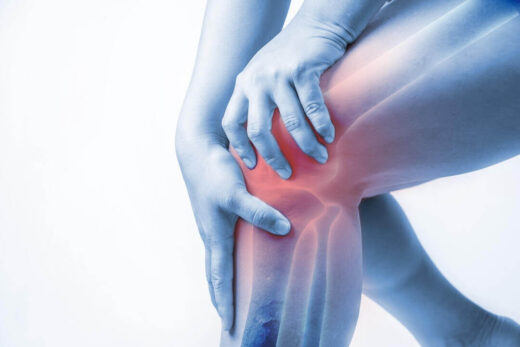
Knees that ache when you stand up. Hips that feel stiff in the morning. Fingers that suddenly feel inflamed. Most women assume this is aging—but it’s overwhelmingly hormonal. Estrogen protects joints by reducing inflammation and maintaining collagen. When levels drop, inflammatory markers can rise by up to 50%. That’s why many women in their 40s suddenly develop: – knee pain – shoulder stiffness – morning achiness – swollen finger joints What helps: – Omega-3s (shown to reduce inflammatory joint pain by 22–45%) – Strength training to stabilize joints – Collagen + vitamin C for connective tissue – Avoiding ultra-processed foods that spike inflammatory responses – Tracking symptoms to identify patterns (certain weeks are worse) Your joints aren’t “worn out.” They’re reacting to the absence of a hormone that has protected them for decades. Tags: #JointHealth #WomensHealth

The Joint Pain Women Think Is ‘Just Aging’—But Isn’t
Lucas Mendez

Why Women Over 45 Wake Up at 3 A.M.—And Can’t Fall Back Asleep”

It’s almost eerie how common this pattern is: You fall asleep easily… then wake like clockwork at 3 a.m., fully alert, mind racing. This isn’t bad sleep hygiene. It’s a cortisol surge. Between 40–55, women’s cortisol patterns shift dramatically. One study found that disrupted cortisol rhythms are twice as common in perimenopausal women, making early-morning waking one of the earliest signs of hormonal transition. Why 3 a.m.? Because the liver detox cycle peaks around that time—and low estrogen makes the body more sensitive to blood sugar dips and stress hormones. What helps: – Eat a protein + fat bedtime snack to avoid glucose crashes – No alcohol (it guarantees 3 a.m. waking) – Magnesium threonate to calm the nervous system – Morning sunlight to reset the cortisol curve – Keep the room cool to reduce adrenaline spikes You’re not “sleeping badly.” Your body is running a schedule you were never told about. Tags: #SleepHealth #WomensHealth

Why Women Over 45 Wake Up at 3 A.M.—And Can’t Fall Back Asleep”
Lucas Mendez

The Anger No One Warns Women About After 40

There’s a specific kind of anger many midlife women quietly carry: the sudden irritability, the low tolerance for noise, the way small things feel explosive. Most women don’t connect it to hormones—they think it’s stress, burnout, or “I’m just becoming mean.” But research shows that fluctuating estrogen and progesterone directly affect the amygdala—your brain’s emotional alarm center. During perimenopause, emotional reactivity can increase by up to 40%, even in women who have been calm their entire lives. This isn’t personality change. It’s chemistry chaos. But anger in women is judged harshly. So instead of expressing it, women swallow it—until it becomes migraines, insomnia, and emotional withdrawal. What helps: – Stabilizing blood sugar (glucose swings trigger irritability) – Magnesium glycinate for nervous system regulation – Walking or strength training to lower cortisol – Clear boundaries around noise, interruptions, and emotional labor – Letting your family know this is physiology, not hostility You’re not becoming difficult. Your brain is recalibrating. You deserve compassion, not shame. Tags: #WomensHealth #MentalHealth

The Anger No One Warns Women About After 40
Lucas Mendez

The Fatigue That Doesn’t Go Away—And Why It Hits Women Harder After 40

There’s tired, and then there’s the kind of exhaustion midlife women describe: the heavy-body, foggy-brain, “I can function, but I’m not alive” fatigue. And it’s not imaginary—studies show women in their 40s and 50s are twice as likely to experience chronic fatigue compared to men. Why? Because hormonal fluctuation disrupts deep sleep phases, cortisol stays elevated from years of caretaking stress, and iron levels drop silently—1 in 5 midlife women is iron deficient without knowing it. If your fatigue feels bigger than your life, it probably is. Check ferritin (not just hemoglobin). Stabilize blood sugar with protein in your first meal. Add 10–20 minutes of morning sunlight to reset cortisol. And remember: exhaustion is a signal, not a personality trait. You’re not lazy. You’re depleted in ways the world rarely acknowledges. Tags: #WomensHealth #Fatigue

The Fatigue That Doesn’t Go Away—And Why It Hits Women Harder After 40
Lucas Mendez

The Heart Symptoms Women Ignore—But Shouldn’t

Women don't get the “classic” heart attack symptoms men do. Instead, midlife women often get nausea, jaw pain, back pressure, dizziness, and severe fatigue—symptoms that doctors dismiss as anxiety. Which is why women are 50% more likely to be misdiagnosed during a cardiac event. And here’s the part nobody talks about: heart disease kills 1 in 3 women, more than breast cancer, lung cancer, and ovarian cancer combined. Real things to watch for: – Unusual upper back or shoulder pain – Breathlessness during simple tasks – Sudden overwhelming fatigue – Chest tightness that feels like “pressure,” not pain Don’t wait for dramatic symptoms. Your heart whispers before it screams. Tags: #WomensHealth #HeartHealth

The Heart Symptoms Women Ignore—But Shouldn’t
Lucas Mendez

The Skin Changes Women Blame on Aging—But Are Actually Medical Clues

Dry patches. Sudden rashes. Itchy skin that wakes you at night. Most midlife women think it’s “just aging,” but dermatologists note that declining estrogen reduces skin hydration by up to 30% in the first 5 years of menopause. But here’s the surprising part: persistent dryness and itchiness can be early markers of – thyroid dysfunction – prediabetes – autoimmune activity Women are five times more likely than men to develop thyroid disease, yet symptoms (fatigue, brittle hair, itchy skin) are often dismissed as hormonal. Your skin is talking. Omega-3s improve barrier function. Niacinamide boosts moisture retention. But more importantly: if new skin symptoms appear after 40, get thyroid and glucose labs done. Your skin is not betraying you—it’s warning you. Tags: #SkinHealth #WomensHealth

The Skin Changes Women Blame on Aging—But Are Actually Medical Clues
Lucas Mendez

Why So Many Midlife Women Develop Gut Issues Out of Nowhere

Bloating after every meal. Random nausea. Constipation that comes and goes in waves. A lot of women start experiencing this in their 40s and think it’s food sensitivity. In reality, estrogen and progesterone directly affect gut motility—this is why GI issues spike during perimenopause. One study found 47% of midlife women report new digestive symptoms even with no diet changes. Here’s the deeper layer: Low estrogen reduces bile acids → harder to digest fats High stress raises cortisol → slows digestion Lower muscle mass → weaker abdominal support What helps: – Add soluble fiber (psyllium) – Eat cooked vegetables instead of raw – Avoid eating late—it worsens reflux – Strength training improves gut motility more than walking You’re not “suddenly sensitive.” Your gut is reacting to hormonal tectonic shifts. Tags: #GutHealth #WomensHealth

Why So Many Midlife Women Develop Gut Issues Out of Nowhere
Lucas Mendez

Why Midlife Women Forget Words—and Think They’re Losing Their Minds

There’s a specific fear many midlife women won’t admit: “Why can’t I remember simple words anymore?” This symptom—often called “menopause brain fog”—affects over 60% of women in transition years. It happens because estrogen supports neurotransmitter signaling, especially in areas responsible for language and short-term memory. Word retrieval, name recall, and multitasking are the first to slip. Not because women are aging out of relevance, but because the brain is temporarily rewiring. What actually helps: – Aerobic activity boosts BDNF and improves recall speed – Omega-3s enhance neural communication – Blood sugar stability reduces crashes that mimic cognitive lapses – Cognitive load reduction (lists, reminders, batching tasks) isn’t weakness—it’s strategy You’re not “losing it.” You’re adapting. And your brain is far more resilient than you think. Tags: #BrainHealth #WomensHealth #Midlife

Why Midlife Women Forget Words—and Think They’re Losing Their Minds
Lucas Mendez

The Illness Women Hide: Midlife Urinary Urgency”

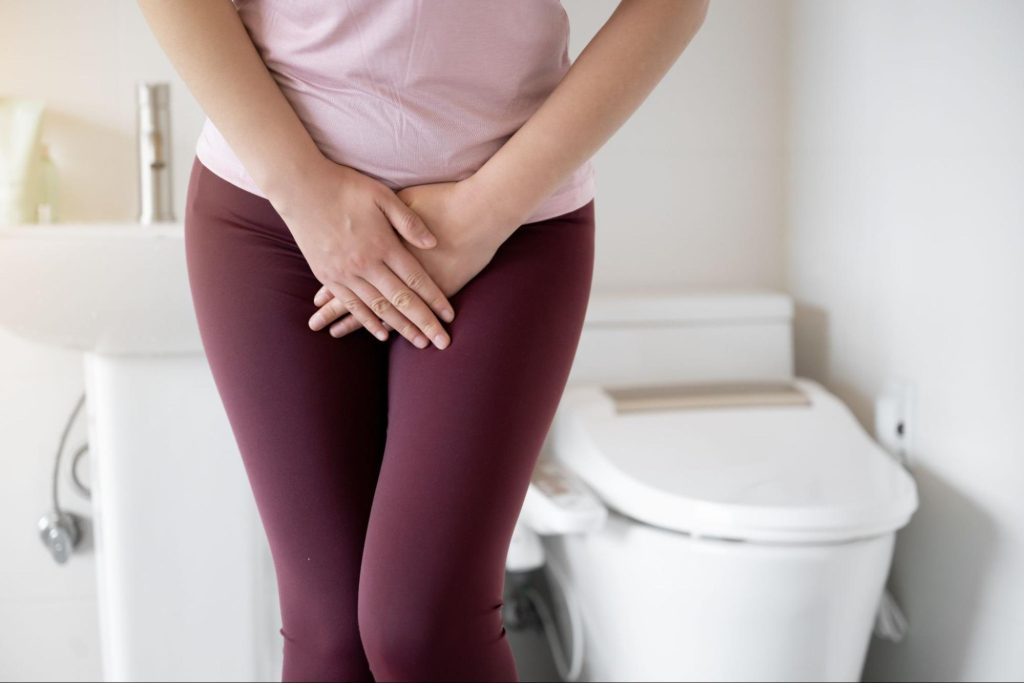
No one talks about it, but many women live in fear of not finding a bathroom in time. Urinary urgency and pelvic floor changes spike between 40–55, affecting 1 in 3 women. It’s not poor hygiene, not bad habits, not “just aging.” It’s the combined effect of estrogen loss, pelvic floor weakening, and sometimes childbirth injuries resurfacing decades later. The emotional toll is real: women plan drives around bathrooms, avoid long meetings, and quietly carry shame for something incredibly common. What helps: – Pelvic floor physical therapy (not Kegels alone) – Magnesium reduces bladder spasms – Reducing bladder irritants (coffee, citrus, carbonated drinks) – Estrogen vaginal therapy can strengthen tissue and reduce urgency You’re not alone, and you’re not broken. This symptom is treatable—and incredibly common. Tags: #WomensHealth #PelvicHealth #Midlife

The Illness Women Hide: Midlife Urinary Urgency”