Category Page entertainment

Kimmie_Anderson

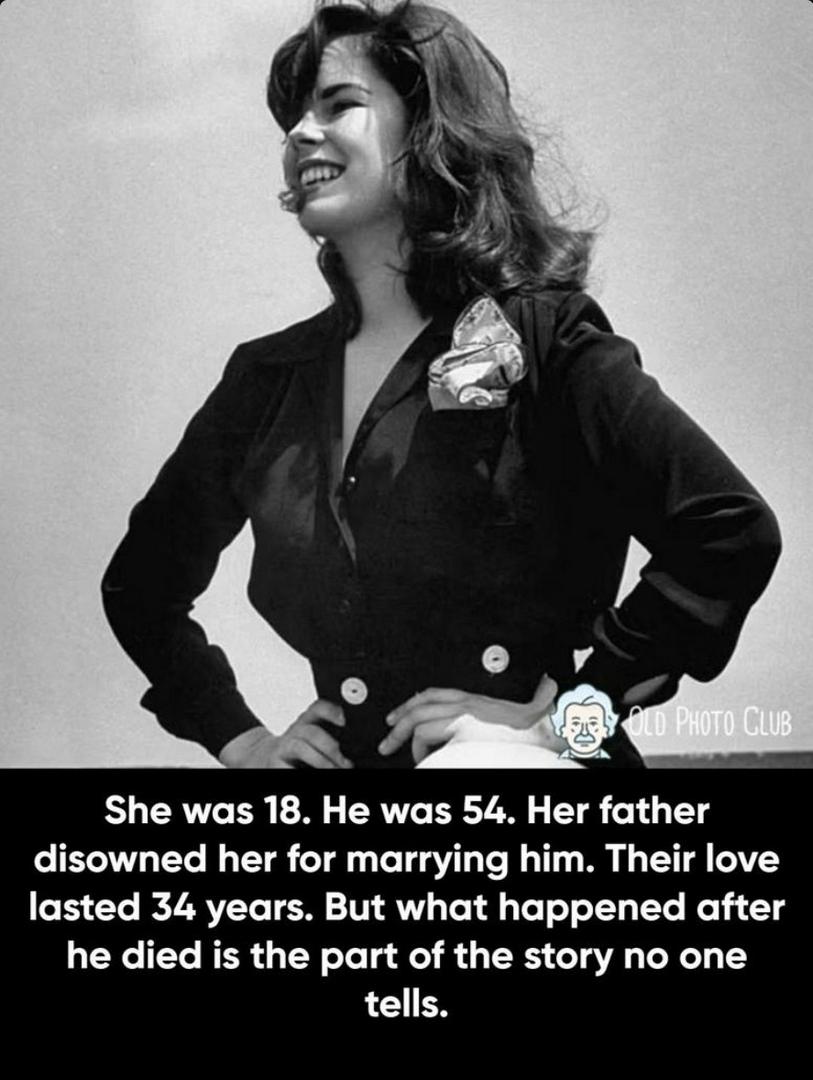
In June 1943, an eighteen-vear-old gir married a man thirty-six vears her senior. The world called it scandalous. Her own father called it unforgivable She was Oona 0'Neill, daughter of Eugene O'Neill, the Nobel Prize-winning playwright whose dark tragedies had defined American theater. Beautiful intelligent, and quietly determined, Oona had been named Debutante of the Year at the Stork Club. She had brieflv dated the young writer J.D. Salinger. She had her whole life ahead of her He was Charlie Chaplin. The Little Tramp. The silent film legend who had made the world laugh and cry. At fifty-four, he had been married three times before, always to younger women. He had teenage sons. His career was fading. Scandal followed him everywhere When thev met in late 1942, Chaplin was considering Oona for a film role. The film was never made. But something else began that neither of them expected To the watching world, it looked like every cliché. An aging star pursuing naive youth. A young woman seeking the father who had abandoned her. The age gap made headlines. The fact that Chaplin was only six months younger than Oona's own father made it ever more shocking Eugene O'Neill was furious. The playwright who had written masterpieces about family dysfunction could not forgive his own daughter for choosing love he did not approve of. He disowned her immediately and completely. He never spoke to her again. Not once. Not ever. When Eugene O'Neill died in 1953, Oona was not mentioned in his will. The father who had written so eloquentlv about tragedy could not bring himself to reconcile with his daughter. But Oona had made her choice. And she never looked back Within a month of turning eighteen, she married Chaplin in a quiet civil ceremony in California. She gave up her acting aspirations entirelv. Not because she acked talent. but because she did not want that spotlight. She chose to build something private in a very public world Against every prediction, their marriag

Dun dee

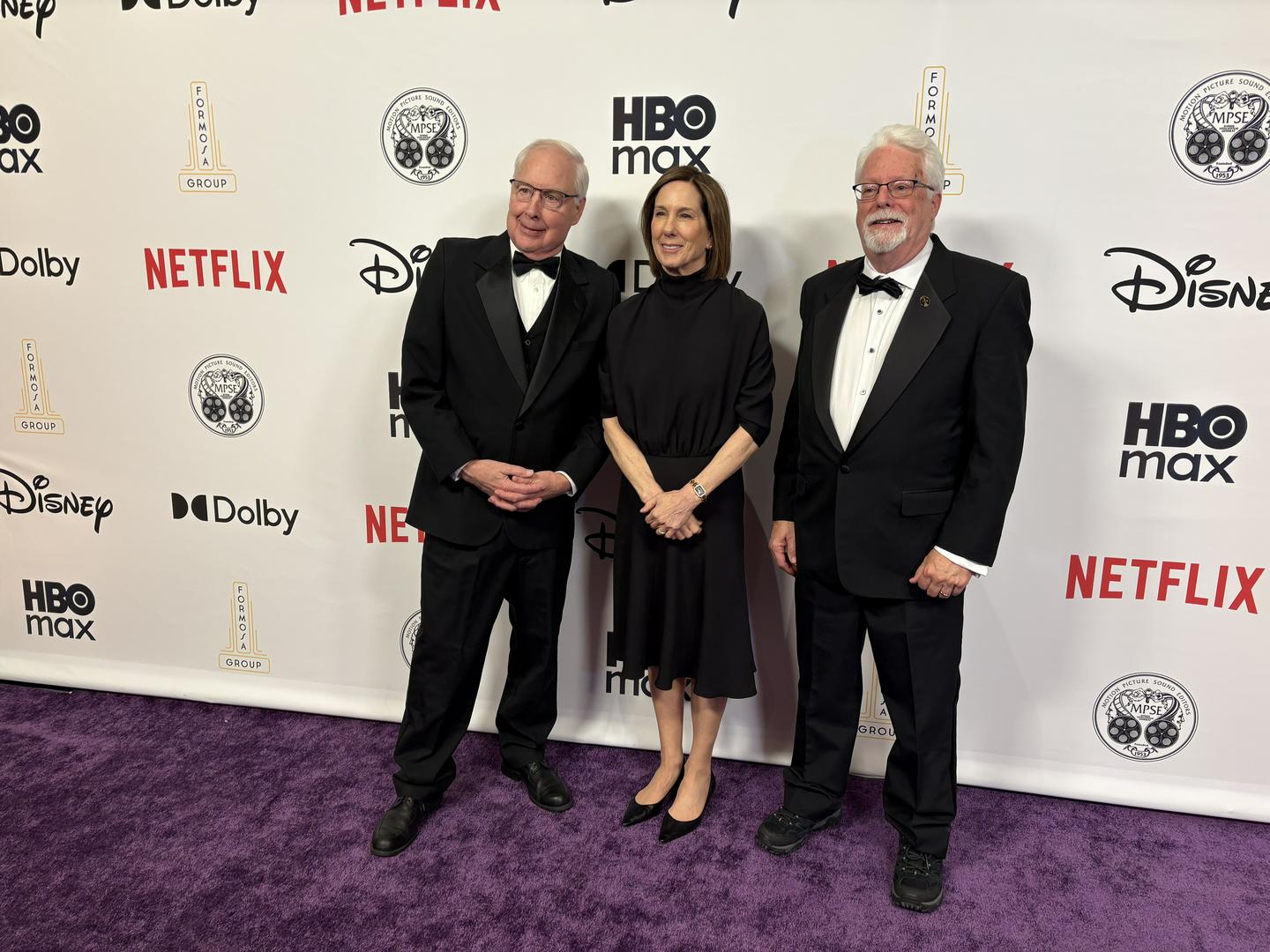
The 73rd Annual MPSE Golden Reel Awards: Honoring Sound in Television and Film. Written By: Admin The 73rd MPSE Golden Reel Awards honored the dialogue, effects, and music editors whose work influences our viewing experiences in movies and television. The celebration, which was organized by the Motion Picture Sound Editors (MPSE), recognized outstanding sound editing in a variety of genres and forms, including animated films, streaming series, and blockbuster movies. The art of sound editing continues to be essential to how tales are felt, not simply heard, as film and television continue to experiment with format, platform, and viewer expectations. The 73rd MPSE Golden Reel Awards showcased the individuals and procedures that go into those unseen moments of magic, where music drives a scene's pulse, action feels real, and language feels personal. Here are the results from the event. Outstanding Achievement in Sound Editing – Broadcast Animation Love, Death + Robots: “400 Boys” Netflix Supervising Sound Editor: Bradley North MPSE Sound Effects Editors: Craig Henighan MPSE, Matt “Smokey” Cloud MPSE Foley Editors: Matt Manselle, Lyndsey Schenk MPSE Foley Artist: Brian Straub MPSE Outstanding Achievement in Sound Editing – Broadcast Long Form Dialogue / ADR Adolescence: Episode 2 Netflix Supervising Sound Editor: James Drake ADR Editor: Emma Butt Dialogue Editor: Michelle Woods Outstanding Achievement in Sound Editing – Broadcast Long Form Effects / Foley Alien: Earth: “Neverland” FX on Hulu Supervising Sound Editors: Lee Gilmore MPSE, Bradley North MPSE Supervising Foley Editor: Beso Kacharava MPSE Sound Designers: Nolan McNaughton MPSE, Justin Davey MPSE, Chris Terhune MPSE, Craig Henighan MPSE Sound Effects Editors: Tim Walston MPSE, Alec Rubay Sound Editors: Matt “Smokey” Cloud MPSE, Albert Romero Foley Editors: Alexander Sanikidze, Rati Chkhetiani, Levan Tserediani Foley Artist: Biko Gogaladze Foley Artists: Stefan Fraticelli, Brandon Bak, Jason Charbonnea

Nancy

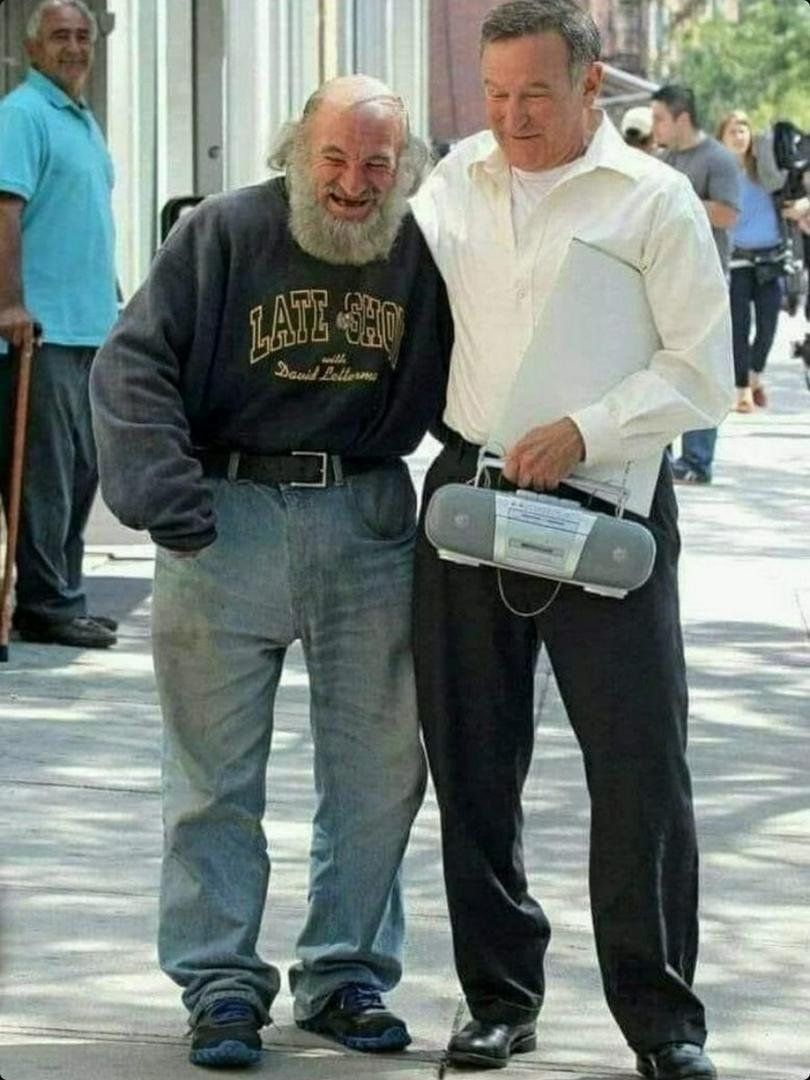
In the early 1990s, while filming Mrs. Doubtfire in San Francisco, Robin Williams made a quiet request He asked the crew to hire a few people from a nearby homeless shelter No press. No explanation. He didn't want anvone to know why Later. an assistant director revealed that Robin did this on every film. He insisted that at least ten people from shelters be given jobs--catering, cleanup, production help. By the end of his life, nearly 1,500 people had worked because of him One man hired on Mrs. Doubtfire said 'He treated me like I'd been there forever Joked with me every day like we were old friends. ." Robin never talked about it. Others did- after he was gone. In the late 1980s, after a stand-up show in New York, Robin slipped into a shelter alone. No cameras. He brought pizza, sat on the floor, and listened. One man said ater. "He didn't ask about our mistakes He asked what made us laugh as kids." During Good Will Hunting, he again asked the studio to hire from shelters One man saved enough to rent an apartment. Robin bought him a suit for iob interviews. "Evervone deserves a second act" he said Shelters later discovered large anonymous donations. One Los Angeles shelter only learned the truth when a thank-vou letter came back marked "no such address." A worker recognized the action." While filming Patch Adams, Robin visited a shelter in West Virginia carrying boxes of socks, gloves, and coats. When asked why, he smiled and said, "The weather's turning. Cold doesn't care if you're tired." Even on tour, he'd walk streets at dawn, handing out coffee and sandwiches. When a guard asked why, Robin replied "Because this is where people are." Robin Williams didn't perform kindness He practiced it--quietly, consistently without witnesses And that may be the greatest role he ever played.