Category Page entertainment

LataraSpeaksTruth

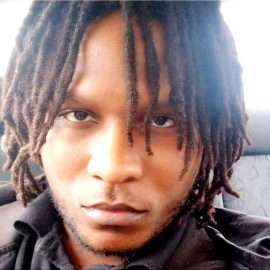
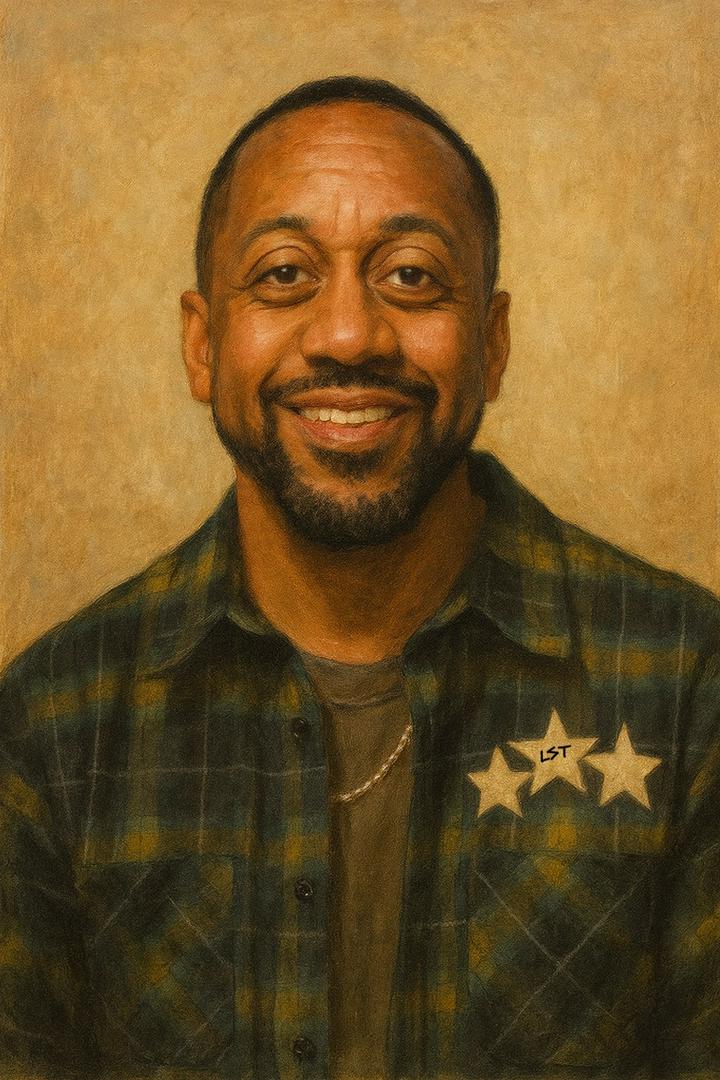
Darius McCrary became widely known in the 1990s for his role as Eddie Winslow on Family Matters, a series associated with responsibility, structure, and family values. The role helped define his public image during the height of the show’s popularity. In later years, McCrary’s personal life has drawn attention for reasons that contrast with that legacy. In a publicly available interview, McCrary appeared alongside a transgender woman with whom he was romantically involved. During the conversation, she stated that McCrary paid for her gender affirming surgery. McCrary was present when the statement was made and did not deny, correct, or challenge it. While silence does not confirm the claim, it left the statement unaddressed in a public setting. Separately, McCrary has faced documented legal issues involving unpaid child support. Court records over multiple years show disputes and enforcement actions related to financial obligations to his children. These matters are part of the public record. The significance of these parallel issues is not rooted in identity, relationships, or politics, but in priorities. When a public figure is associated with claims of discretionary spending while also facing court ordered child support disputes, questions naturally arise. Courts do not balance romantic relationships against parental responsibility. Child support obligations exist to protect children and are not optional. The contrast has drawn public attention. A man best known for portraying a character shaped by family values has struggled publicly with meeting the financial responsibilities of fatherhood in real life. Legacy is defined not by past roles, but by consistent accountability beyond the spotlight. #DariusMcCrary #FamilyMatters #Accountability #PublicRecord #MediaAnalysis #CelebrityCulture

Joseph Robinson

"In 1952, Marilyn Monroe went to an all-Black club in LA—and the photo almost cost her best friend his career." Before Marilyn Monroe became the world's biggest star, she was a girl who grew up poor in foster homes across Los Angeles. One of those homes was with the Bolanders, whose father delivered mail in Watts—a predominantly Black neighborhood where most of Hollywood wouldn't dare to set foot. While other white starlets kept their distance from communities of color, Marilyn felt at home there. Her poverty and her proximity to people of different races shaped her into something Hollywood wasn't expecting: a blonde bombshell with progressive politics and a refusal to stay in her lane. In 1952, Marilyn was on the verge of superstardom. She'd just wrapped Don't Bother to Knock and was about to start work on Gentlemen Prefer Blondes—the film that would make her an icon. Her costume designer and close friend William Travilla had become one of the few people in Hollywood she truly trusted. One night, Marilyn and Travilla did something that "just wasn't done" in 1952 Los Angeles: they went out to an almost exclusively Black club. They drank, laughed, and were photographed sitting casually with a Black man whose name history never recorded. To Marilyn, it was just a night out with friends. To 1952 Hollywood, it was a scandal. When the photo surfaced, studio executives weren't pleased. Interracial socializing—even just being photographed in the same frame—could damage careers, tank box office numbers, and create PR nightmares in an era when segregation was still legal in much of America and miscegenation laws banned interracial marriage in many states. Travilla and his longtime partner Bill Sarris would later tell the story of how they "got in trouble with their employers" over that photo. The studio system had eyes everywhere, and stepping outside racial boundaries—even socially—carried real consequences. But here's what made Marilyn Monroe different she stood with them

Category: Entertainment - Page 13 | LocalAll