Category Page health

John Spencer Ellis

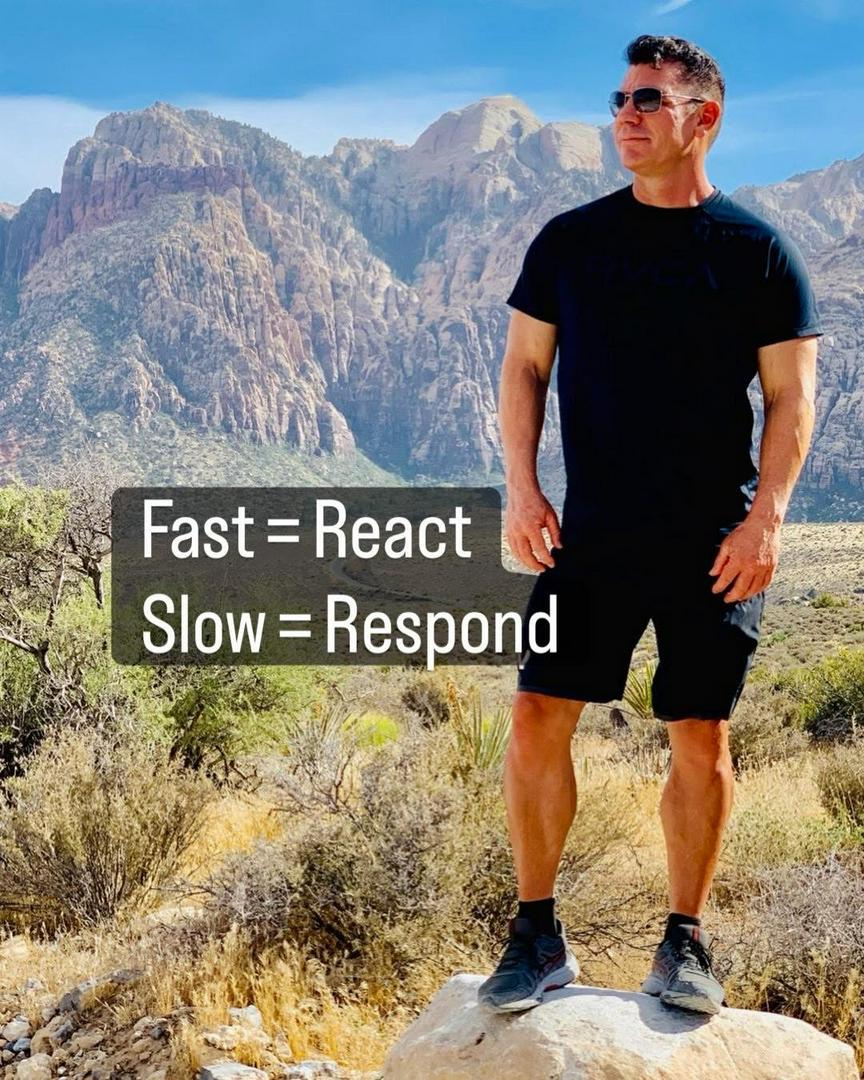
Hey friends! 👋 Ever caught yourself snapping back in an argument or impulsively hitting “send” on a heated text? That’s your inner lizard at work – the “reptilian brain” (technically the brainstem and basal ganglia), our ancient survival wiring designed for lightning-fast reactions. It’s all about fight-or-flight: when threats loom, it bypasses thoughtful processing to keep you safe from saber-toothed tigers (or modern equivalents like rude drivers). But here’s the catch – reacting this way often leads to regret, escalating conflicts or poor decisions because it’s pure instinct, no logic involved. Now, flip the script to responding. This engages your prefrontal cortex, the brain’s CEO up front, handling executive functions like planning, empathy, and self-control. It takes a beat longer – think pausing to breathe, count to 10, or asking “What’s really going on here?” – but it integrates emotions with reason. Studies in neuroscience (like those on emotional regulation) show this leads to better outcomes: stronger relationships, smarter choices, and less stress. Why? Because you’re not just surviving; you’re thriving with intention. Next time life throws a curveball, try this: Notice the urge to react, then shift to respond. Your future self will thank you! What’s one situation where pausing helped you? Share below. 🧠✨ #BrainHacks #MindfulLiving #neurosciencenuggets https://johnspencerellis.com

Hatter Gone Mad

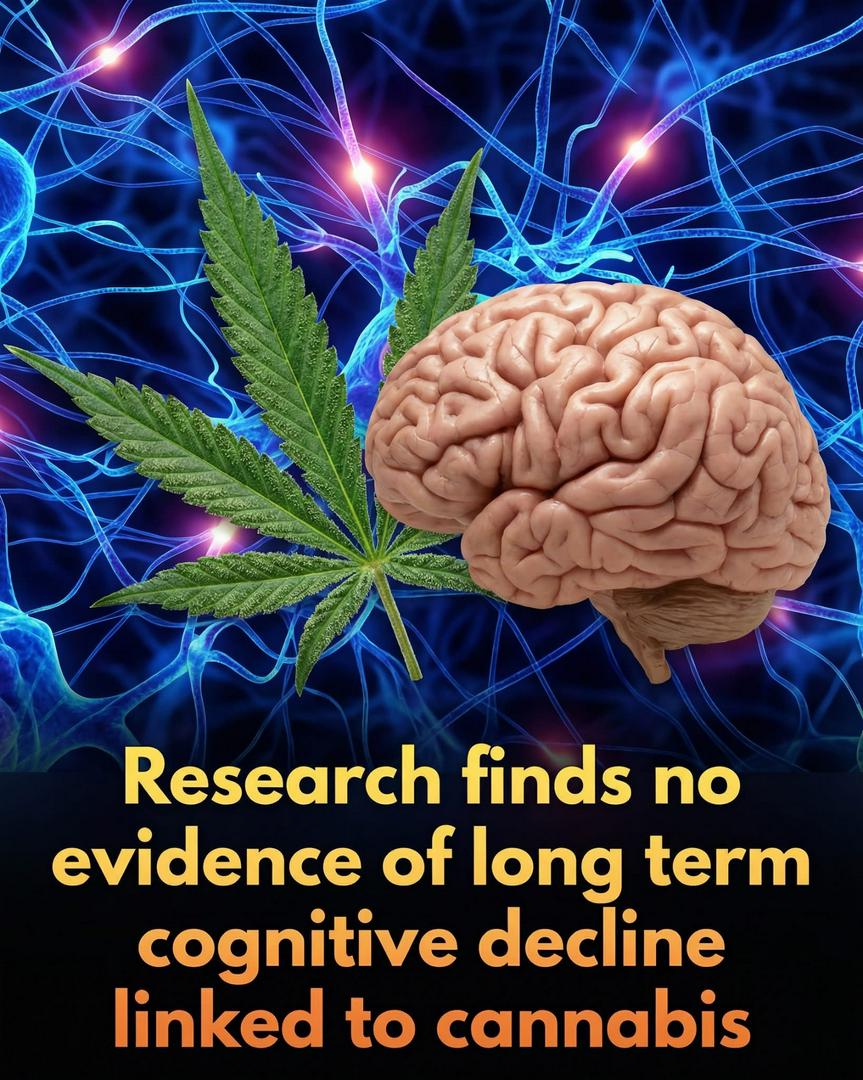
Massive 44-year study reveals that long-term cannabis use does not accelerate cognitive decline. It debunks long-held myths about the drug’s impact on brain aging. For decades, concerns over the long-term cognitive effects of cannabis have fueled public health warnings, yet a comprehensive 44-year study from Denmark is now challenging those assumptions. Researchers tracked more than 5,000 men from early adulthood into their mid-sixties, comparing intelligence scores recorded at age 20 to follow-up assessments at age 64. The results, published in the journal Brain and Behavior, found no evidence that cannabis use accelerates cognitive decline. In a surprising twist, those with a history of use actually showed a marginally smaller decrease in IQ points—approximately 1.3 points less—than their non-using counterparts, effectively questioning the notion that the drug inevitably impairs long-term mental acuity. While the findings are striking, experts note that lifestyle factors and 'cognitive reserve' may play a significant role in these outcomes. The study revealed that cannabis users in this cohort often possessed higher baseline IQs and education levels, which are known to influence cognitive resilience. Crucially, the researchers discovered that neither the frequency of use nor the age at which an individual started using the substance significantly impacted their intelligence later in life. Although the study was limited to men and relied on self-reported data, it provides some of the most robust longitudinal evidence to date that past cannabis use does not inherently doom the aging brain to a faster decline. source: Christensen, T. W., Mortensen, E. L., & Osler, M.. Cannabis use and change in intelligence from age 20 to 64: A 44-year follow-up of 5,162 Danish men. Brain and Behavior.

Dashcamgram

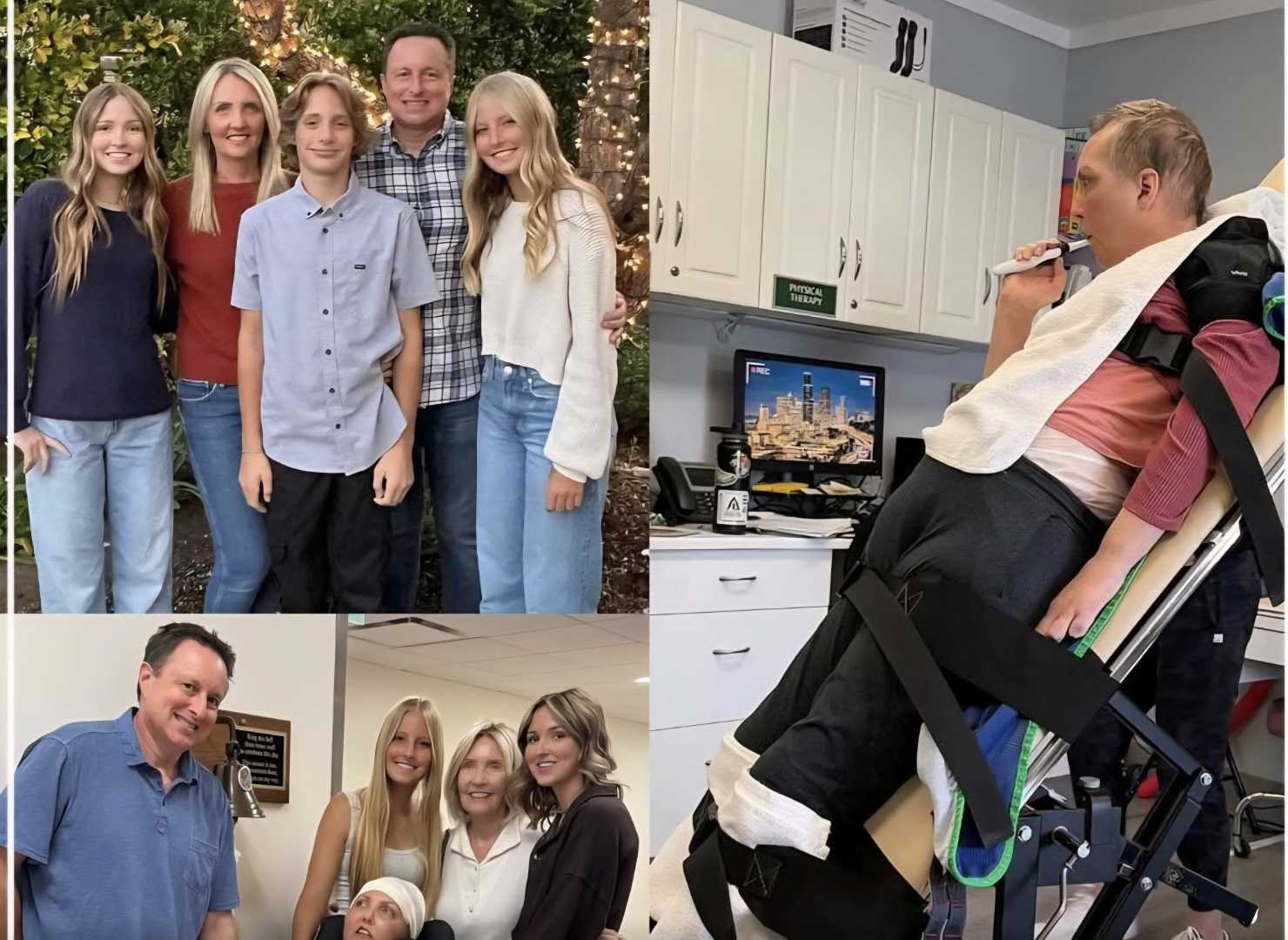
This story is almost impossible to comprehend. Lori Coble, a California mother who once endured the unimaginable loss of three young children in a single car crash, is now facing another devastating chapter after being diagnosed with stage 4 glioblastoma, an aggressive form of brain cancer. After losing Kyle Christopher, Emma Lynn, and Katie Gene in a freeway accident, Lori and her husband made a promise to survive together and not let grief end their lives. In the midst of heartbreak, they chose hope — pursuing IVF and welcoming triplets just one year later. Each child carries the middle name of the sibling they lost, a living tribute to the children who never came home. Lori poured herself into motherhood again and became an advocate for highway safety, determined to protect other families from similar pain. Now, after stroke-like symptoms led to a shocking diagnosis, the family is once again facing uncertainty no parent should ever have to endure. People are calling her story one of resilience, faith, and heartbreaking strength — but it also raises a question that leaves many speechless: how much can one person be asked to carry in a lifetime? #HeartbreakingStory #FaithAndResilience #ChildLoss #IVFJourney #BrainCancerAwareness #Glioblastoma #StrengthInAdversity #LifeStories

Rick And Morty

This is for the broken. Not the dramatic kind. The quiet kind. The ones who function. Who go to work. Who answer texts. Who smile when expected. But inside feel fractured in places no one sees. The ones who replay conversations and wonder where it shifted. Who carry regret like it’s stitched into their ribs. Who are tired — not physically, but emotionally. Broken doesn’t always look like chaos. Sometimes it looks like composure. It looks like being the strong one. The understanding one. The one who doesn’t make it about themselves. Until you’re alone. And the silence gets loud. Being broken doesn’t mean you’re weak. It usually means you felt deeply. You tried. You trusted. You gave more than you should have. You held on longer than was healthy. You believed in something that didn’t hold you back the same way. That’s not stupidity. That’s heart. And here’s the part no one says enough: broken things aren’t useless. They’re aware. They know what it costs to care. They know what it feels like to lose. And that awareness, as painful as it is, is depth. You are not behind. You are not defective. You are not too much. You are healing in real time. Healing doesn’t always look like progress. Sometimes it looks like distance. Like pulling back. Like setting boundaries. Like sitting with feelings you used to run from. To the broken — you are not beyond repair. You are in the middle of reconstruction. And reconstruction is sacred work. You are not finished.