Category Page health

LataraSpeaksTruth

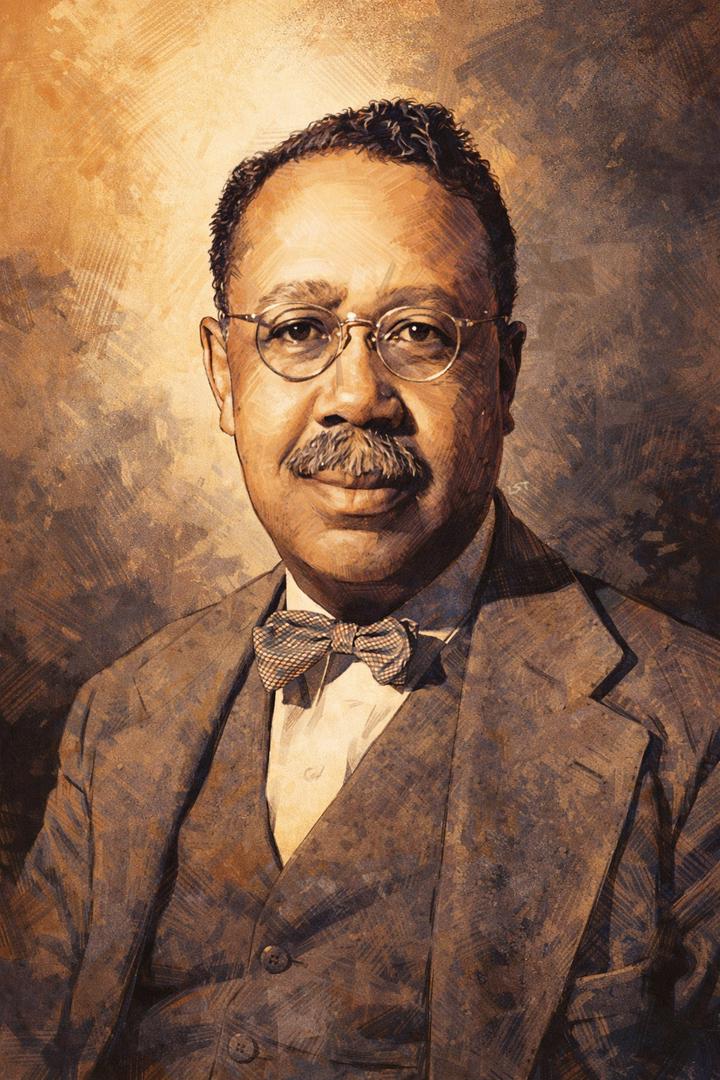
William Augustus Hinton 1883 to 1959 was a pioneering bacteriologist, pathologist, and educator whose work helped shape modern public health in the United States. Born on December 15, 1883, Hinton came of age during a time when medical education and scientific research were largely inaccessible to Black Americans. Despite those barriers, he earned his degrees at Harvard University and went on to make contributions that would save countless lives. Hinton is best known for developing what became known as the Hinton test, a blood test used to detect syphilis. At a time when existing tests were often unreliable, his method stood out for its accuracy and consistency. The test was adopted widely by public health departments and hospitals across the country, becoming a standard tool in disease detection and prevention. Beyond the laboratory, Hinton was a dedicated educator. He taught at Harvard Medical School for decades, training generations of physicians in bacteriology and pathology. In 1949, after years of teaching and research, he became the first Black professor in Harvard’s history, a milestone that reflected not a sudden breakthrough but a lifetime of quiet excellence. Hinton also authored a major medical textbook that further shaped laboratory medicine and public health practice. His legacy lives not only in scientific innovation but in the doors he opened through persistence, rigor, and commitment to saving lives. #WilliamAugustusHinton #MedicalHistory #PublicHealth #HarvardHistory #BlackExcellence #HiddenFigures #ScienceHistory #OnThisDay #HealthInnovation #LaboratoryMedicine

justme

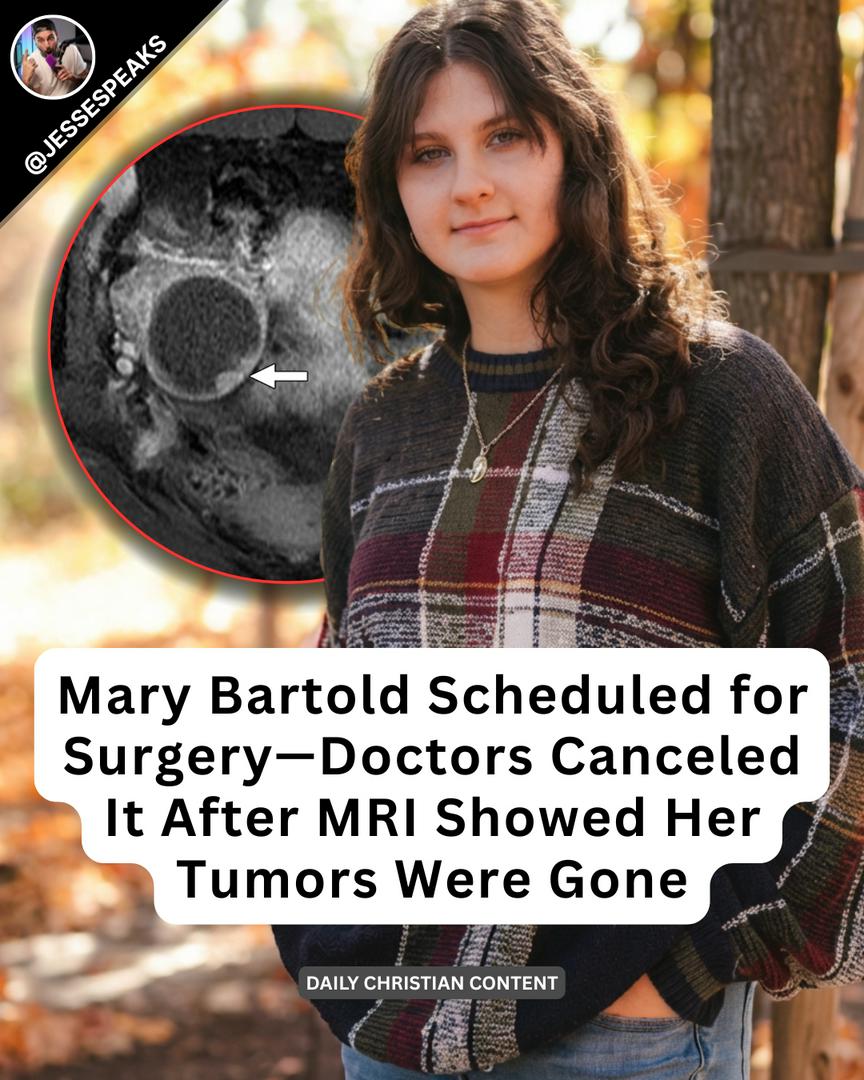
Hospitals Are Adding “Facility Fees” to Routine Visits By Teri Monroe, We once knew the basic rules of medical billing. You went to the hospital and paid for the room. You went to the doctor and paid for their time. In 2026, those lines have been deliberately erased. Hospital systems are aggressively acquiring independent physician practices. They are legally permitted to flip the signage on the door. Your local family practice is now a “Hospital Outpatient Department.” This administrative trick allows them to charge two bills for one visit. You pay the standard “Professional Fee” for the doctor. You also pay a hidden facility fee for walking into the room. This cover charge can range from $150 to $500 for a routine checkup. These fees often fall under your high deductible rather than your flat office copay. Here are the ways hospitals are adding these fees to your routine care this year. The most common trap is now at your specialist’s office. You might see a cardiologist at the same location you have visited for years. But a local hospital system bought the practice last month. It is now designated as “Provider-Based.” You receive a bill for the doctor’s time plus a separate facility charge. This fee can exceed $200 for the “clinic visit.” You often won’t know this happened until the bill arrives. The only warning sign might be a small plaque on the wall. It states the location is a department of the hospital. Facility fees have gone virtual in 2026. Your doctor may work for a large health system. They bill your video call as if it “originated” from the hospital main campus. You may see a line item for an “Originating Site Facility Fee” on your bill. The CMS rate for this fee is roughly $31.85, but private plans charge more. This adds cost to a call

Richard Kitchen

Elder abuse laws are designed to protect individuals, generally defined as 60 or older (or sometimes 65+ depending on the state), from physical, emotional, financial, and sexual abuse, as well as neglect and abandonment. In Pennsylvania, the Older Adults Protective Services Act (OAPSA) mandates reporting of abuse for employees in care settings, while providing voluntary, anonymous, and protected reporting for the general public. [1, 2, 3] Key Aspects of Elder Abuse Laws (PA Focus): • Definition of Abuse: Includes inflicting injury, unreasonable confinement, intimidation, punishment, and willful deprivation of necessary care by a caretaker. • Target Population: Adults 60 years of age or older. • Mandatory Reporting: Employees and administrators in care facilities must report suspected abuse. • Penalties: Abusive conduct, including the misuse of chemical/physical restraints or financial exploitation, is illegal and punishable. • Reporting Hotline: 1-800-490-8505 is the 24-hour hotline in Pennsylvania to report suspected elder abuse. [1, 4, 5, 6, 7] "Dependent Adult" Protection (Younger Adults):While "elder abuse" specifically refers to older adults, laws often cover younger, disabled adults under "dependent adult" or "vulnerable adult" statutes. • Definition: A dependent adult is generally defined as an individual aged 18-64 who has physical or mental limitations that restrict their ability to carry out normal activities or protect their rights. • Coverage: These laws, such as in California, provide similar protective services to those 18-64 who are functionally dependent. [11, 12] Financial Exploitation (PODO/POA):A significant focus of new legislation is preventing financial exploitation, often by family members or those holding power of attorney (POA), now commonly referred to as PODO (Power of Designated Officer or similar, often relating to financial exploitation cases). • New Task Forces: Pennsylvania has launched an Elder Exploitation Section

✅CHAUNCEY HARRIS USA

5 Things to Do First Thing When You Wake Up

Mornings set the tone for your entire day, so start strong with five simple, healthy habits. First, stretch your body—loosen your joints and wake up your muscles with light movements to increase circulation. Next, drink a glass of water or warm water with cayenne pepper to jump-start digestion and boost metabolism. Then, take a few deep breaths—slow inhales and exhales to calm your mind and prepare for focus. Fourth, express gratitude—think of three things you’re thankful for to shift into a positive mindset. Finally, make your bed—this small win gives you an instant sense of order and accomplishment. Do these daily and watch your mornings—and mood—transform. #MorningRoutine #HealthyHabits #SelfCare #Motivation #Wellness #HealthTips #DailyFocus #ChaunceyDatGuy

5 Things to Do First Thing When You Wake Up
John Paul Valdez

There is a specific kind of exhaustion that comes from living a life where your physical body and your mental presence are never in the same place. For me, it feels like a perpetual haunting. When I am standing in the wide, sun-scorched expanse of Texas, my mind is often wandering through the mist-heavy treelines of Oregon. Then, when I finally find myself in the Pacific Northwest, the phantom heat and specific gravity of the south pull me back. It is a restless internal migration that never truly ends, leaving me feeling like a stranger in both places. This disconnection extends into the very fabric of my daily rhythm. At work, I am mentally already at home, seeking the sanctuary of my private thoughts and the peace of my own space. Yet, the moment I cross my own threshold, the weight of professional responsibilities and the unfinished business of the day follow me in, looming like shadows in the corner of the room. I am never fully "there" because I am always mourning where I just was or bracing for where I have to go next. I have been cast to and fro through the storms of change and expectation. These aren't just geographic shifts; they are the spiritual and emotional gales that refuse to let me anchor. This constant displacement creates "images of depletion," where the energy required to simply exist in the present is swallowed by the winds of elsewhere. I am learning that the struggle is to find a way to quiet the storm from within—to stop being a passenger to the wind and start becoming the center of the calm. My goal now is to bridge that gap, to stop the "to and fro" and finally allow my spirit to catch up to my skin.