1/1

Pentagon vs. The Press — National Security or Silencing Dissent? 📰
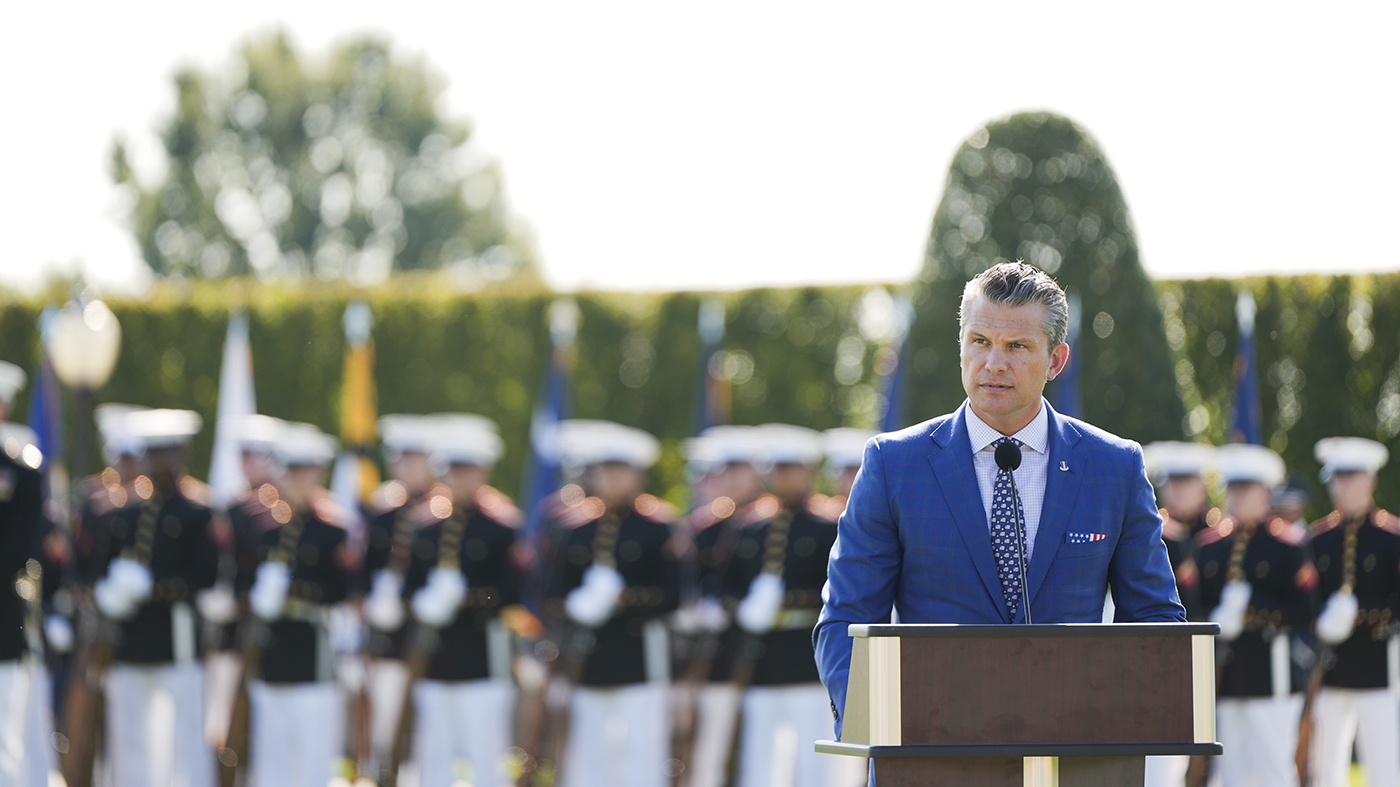
The Pentagon’s new media policy has ignited a storm. Reporters are now required to sign strict agreements before speaking to Defense Department officials — and access to military bases or personnel can be revoked without explanation. Officials say it’s to “protect national security.” Critics say it’s a blatant attempt to control the narrative. For decades, America has prided itself on being a nation where the press can question power, especially when it comes to war. From Vietnam to Iraq, journalists exposed lies that saved lives. Now, that very tradition is under siege — not by enemies abroad, but by our own institutions. Supporters of the policy argue the media too often sensationalizes sensitive information, endangering troops and operations. But when journalists are gagged, oversight dies. Whistleblowers stay silent. The public sees only what officials want them to see. In a democracy built on accountability, who decides where “national security” ends and “censorship” begins? If we trade transparency for control, we may win a battle for secrecy — and lose the war for truth. #Military #FreedomOfPress
2025-10-09

Christopher Drake
So the guy who had a public group chat including a reporter discussing military planning is suddenly an expert on security? Sure.
10-10
Vero Beach, FL
Reply
1

sharon gallagher
National security. No one is silencing dessent. Rioting, violence snd murder will not be tolerated by the American people.
10-12
Madison, NH
Reply(1)
More comments ...
write a comment...