1/1

Drone Swarms: Power in Numbers or Control Nightmare?
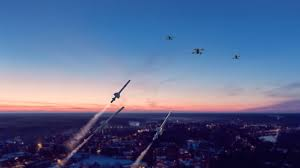
Unmanned systems aren’t new, but the idea of drone swarms—hundreds or thousands of small, cheap drones acting together—is transformative. U.S. R&D labs are testing swarms that can overwhelm air defenses, conduct surveillance, or even do kinetic strikes. There are stories from testing where simple drones dodged anti-air guns by dispersion. But controlling a large swarm brings huge command, control, and communication (C3) problems. If one jammer or cyber-attack disrupts coordination, the whole swarm could fail or, worse, act unpredictably. Compare this to human pilots: expensive, scarce, but resilient and adaptable. Drone swarms offer volume and risk displacement of personnel, but also new vulnerabilities. The battlefield of the future may not be dominated by a few big platforms, but by many small ones. The question: can the U.S. build the doctrine, secure communications, and ethical frameworks to deploy swarms without chaos? #Military #UnmannedSystems
2025-10-13

state1
who can make the most drones wins💥
10-13
Searcy, AR
Reply
More comments ...
write a comment...