1/5

Arkansas ICBM Silo Accident: When A Titan II Almost Went Nuclear
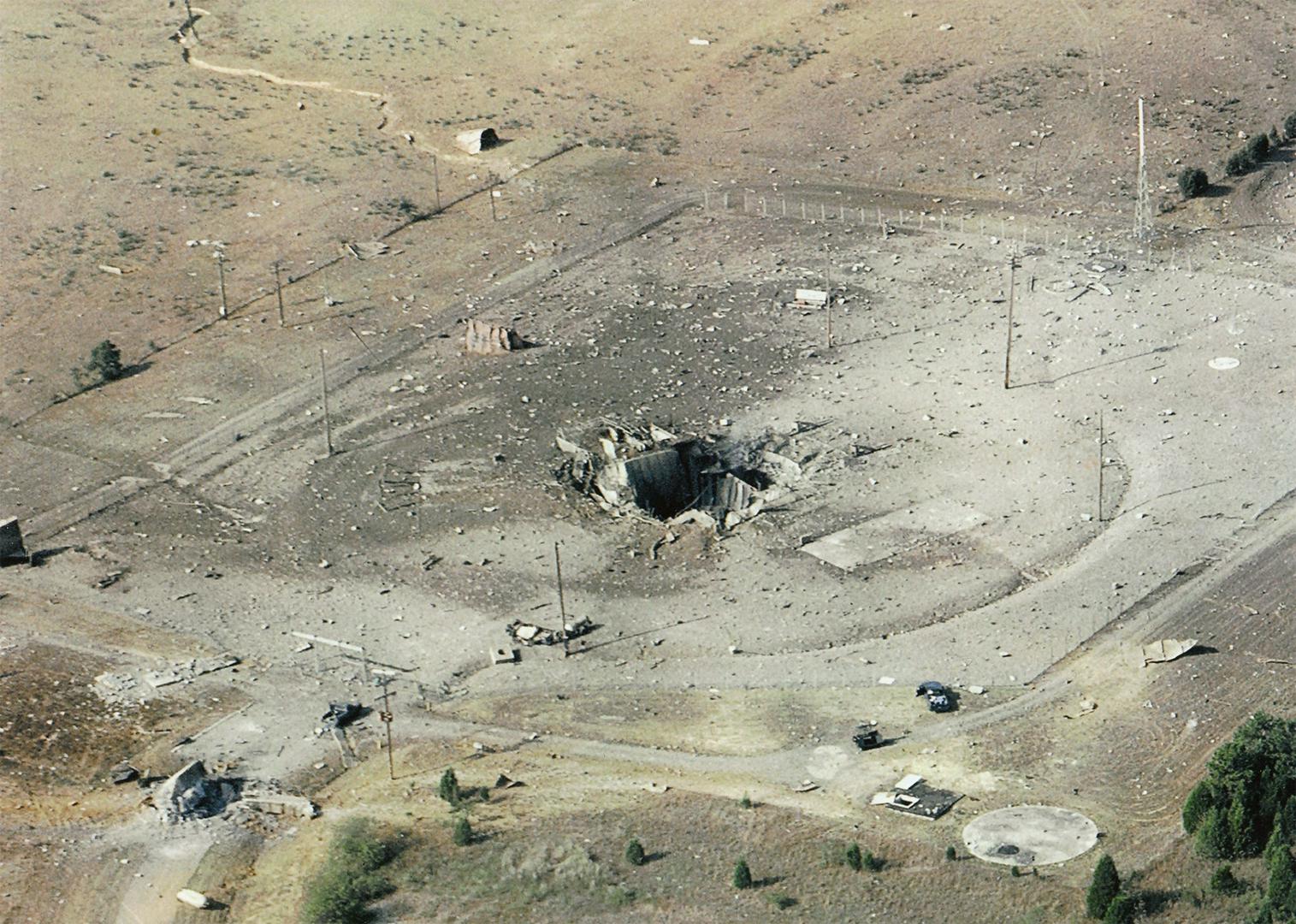
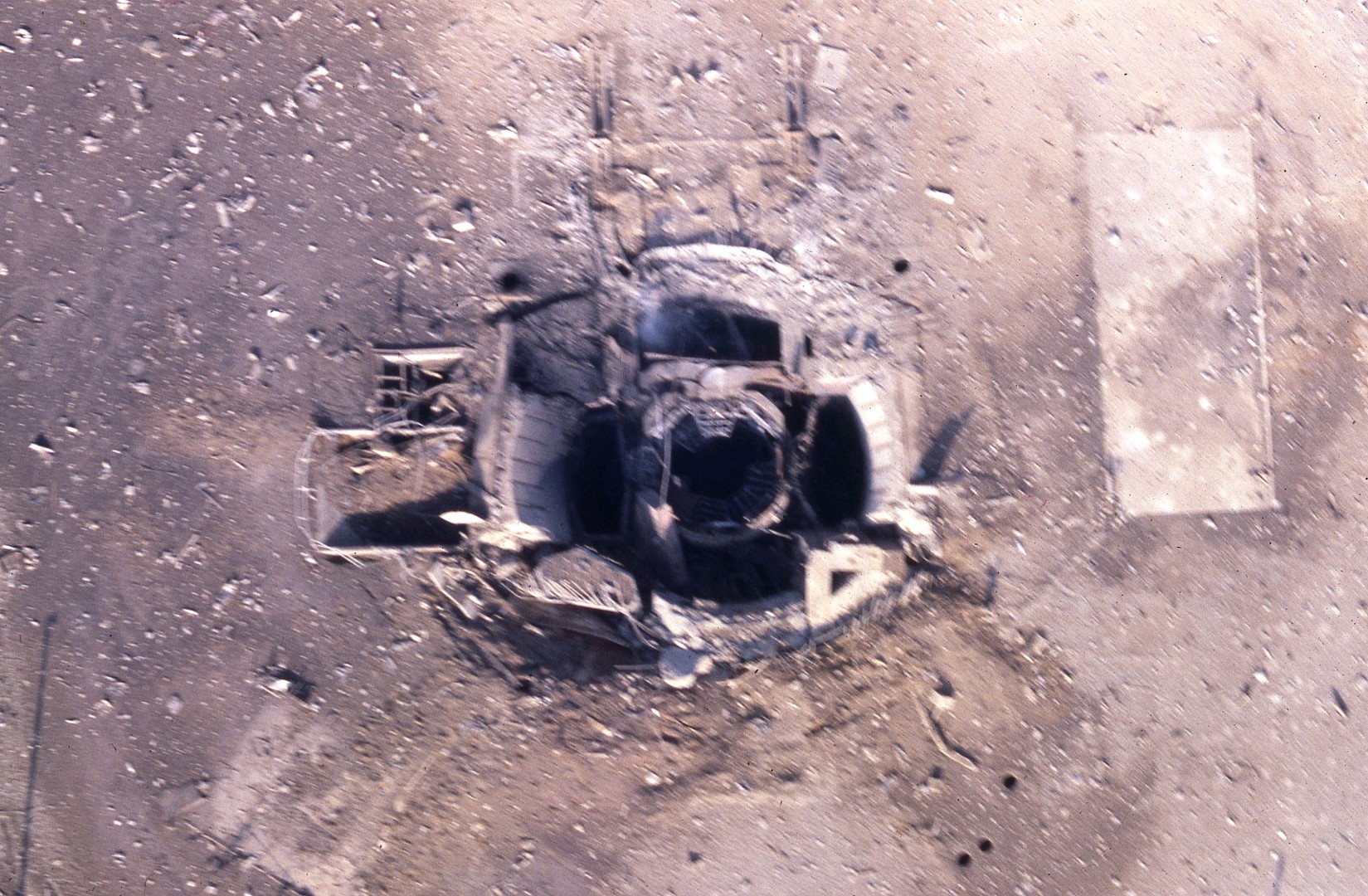
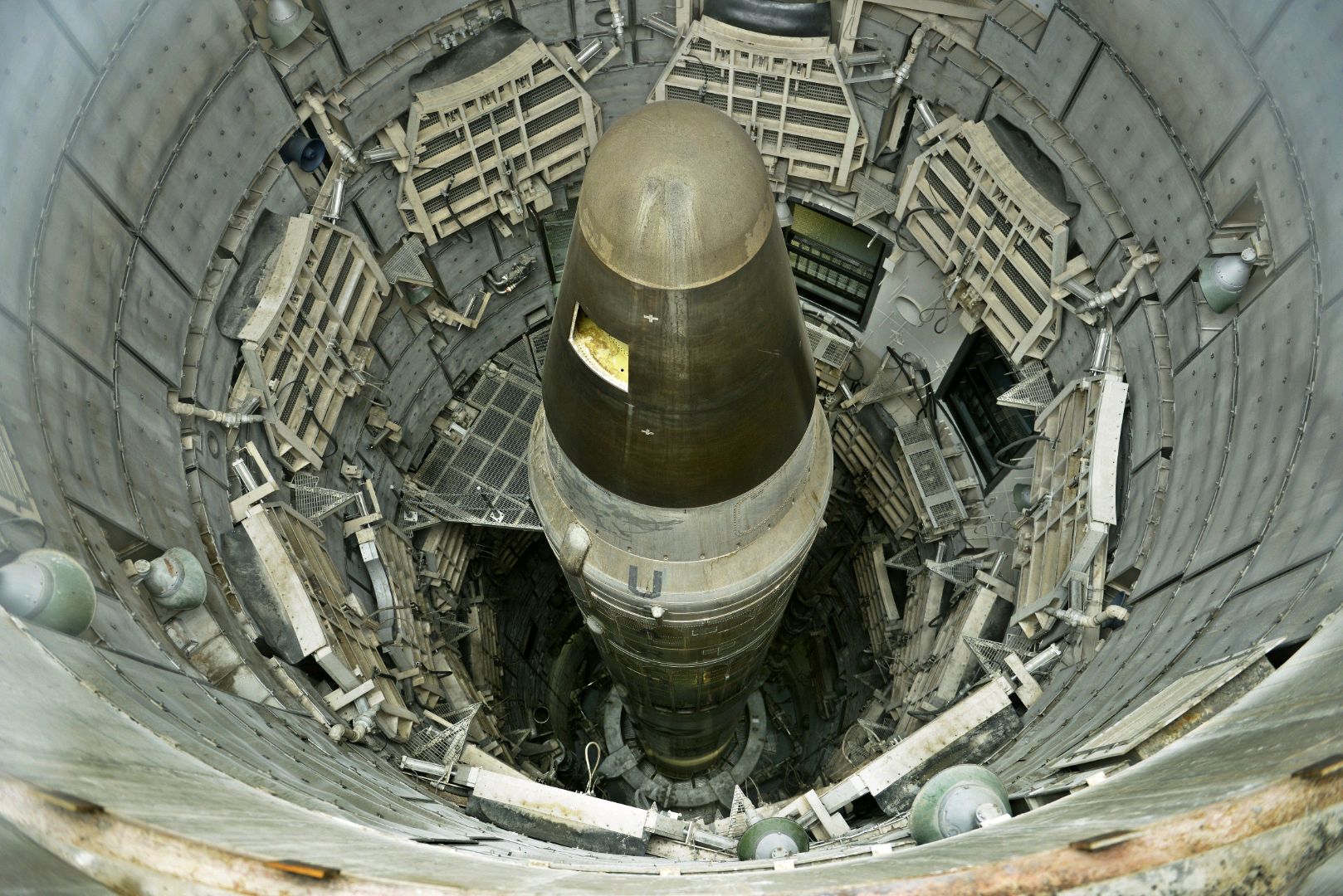
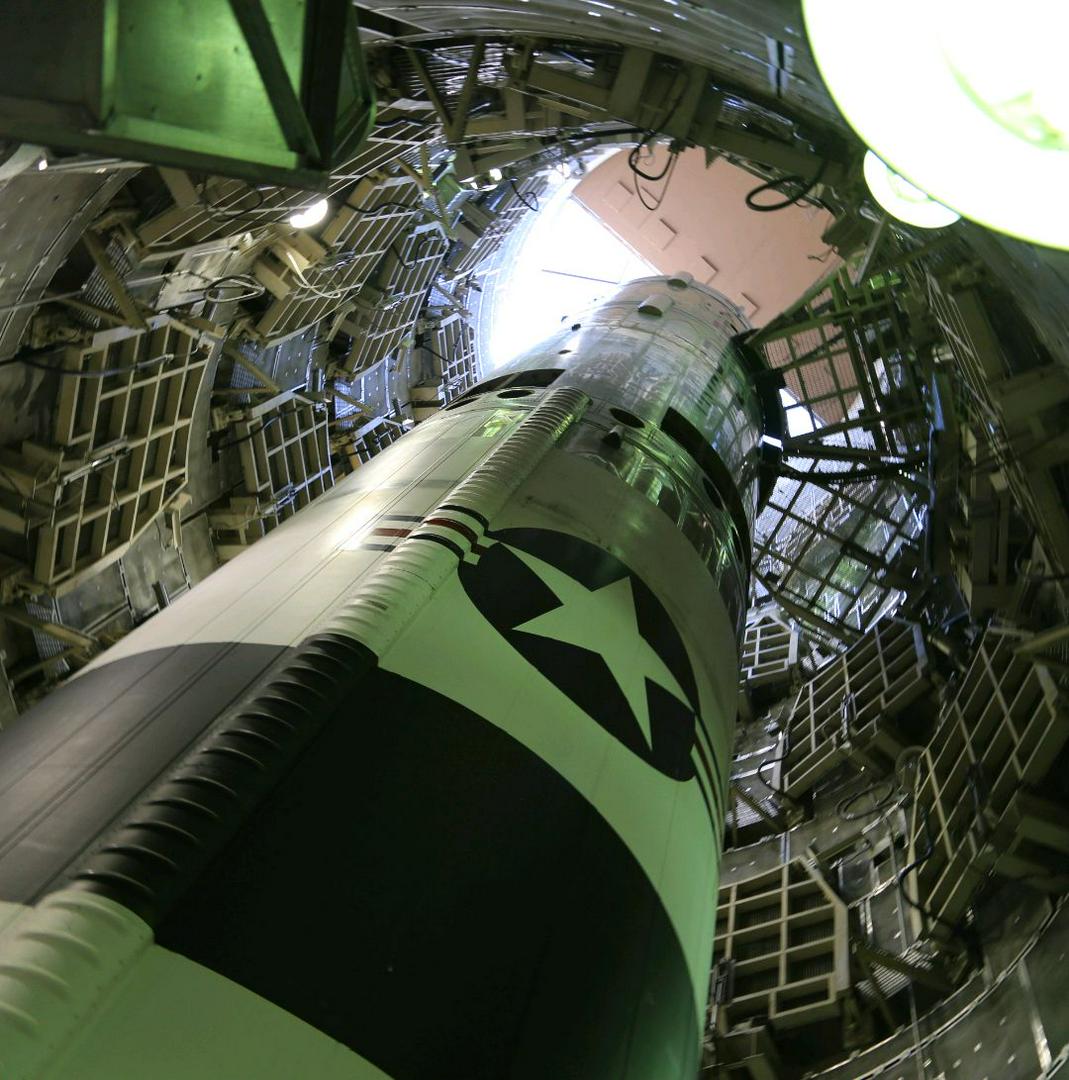
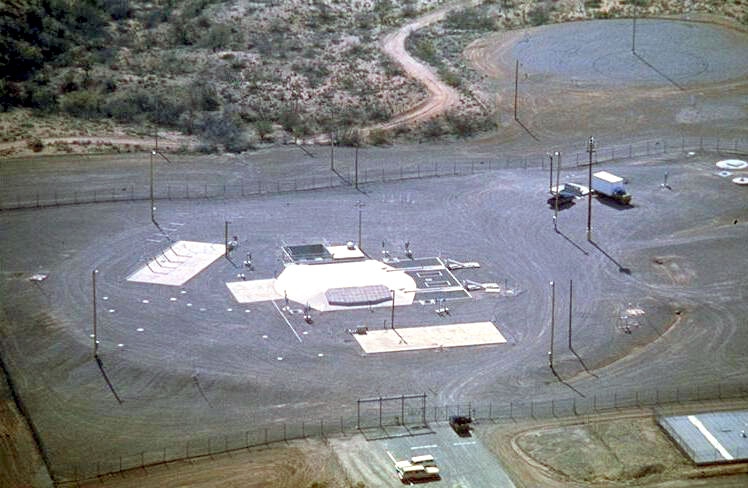
On September 18, 1980, a routine maintenance operation at Titan II Missile Complex 374-7 near Damascus, Arkansas, escalated into one of the most serious nuclear accidents in U.S. history. Airmen were performing detailed maintenance on the missile, which stood 103 feet tall, weighed 33 tons, and housed a W-53 thermonuclear warhead capable of 9 megatons, enough to destroy an entire city. During the operation, an airman accidentally dropped an 8-pound socket wrench. The tool fell roughly 80 feet, bounced off a steel thrust mount, and punctured the missile's first-stage fuel tank, releasing Aerozine 50, a highly flammable liquid propellant that reacts instantly with dinitrogen tetroxide. The silo, buried deep and designed to withstand conventional blasts, became a volatile trap. The Air Force evacuated personnel and began emergency containment. Crews attempted to pump water into the silo to dilute fuel vapors and vent pressure, but the chemical reaction persisted. Overnight, the situation worsened, and the combination of leaking fuel and oxidizer created a constant threat of fire or explosion. Around 3:00 a.m. on September 19, a massive explosion occurred, launching the 740-ton silo door hundreds of feet away. The missile and its W-53 warhead were ejected intact. Safety mechanisms prevented a nuclear detonation or radioactive release, but the blast destroyed the silo and nearby equipment. One airman was killed and 21 others injured, mostly emergency responders from Little Rock Air Force Base. Senior Airman David Livingston died, while others suffered burns, broken bones, and shock. The images of the blast became a stark symbol of the Titan II program's dangers. The Damascus accident revealed serious weaknesses in missile maintenance and emergency safety protocols. It showed how a minor error could almost trigger a nuclear catastrophe and prompted the Air Force to review safety measures across the missile program. #USHistory #History #USA #America #Missiles #Defense
Damascus, Arkansas • 2025-10-25

Robert Walker
I'm sitting about a mile and a half from the silo site at the moment.
10-25
Damascus, AR
Reply(3)
6

Maureen Cox
Human error exists in everything !
10-25
Oneida, NY
Reply(1)
3

Dan Westrund
The warhead was never at risk of going nuclear, an implosion device requires a very precise geometry to go super critical. And even had the plutonium primary been breached it would not have been that significant. Plutonium is not high energy so nobody is going to get radiation sickness from it.
10-27
Englewood, CO
Reply

James Caton
I will make this qualifying statement based on past experience in the U.S. submarine force. There was never any danger of a nuclear detention. There never any danger of nuclear material release. I was living in Arkansas at the time of this event. The Air Force loaded the warhead onto a trailer and drove it to the Little Rock Air Force Base. This story has been sensational to increase viewership and republication by other news organizations.
12-22
Little Rock, AR
Reply
More comments ...
write a comment...