1/7

Red, White, and Boo! Halloween’s American History, Pictures, Interesting Facts
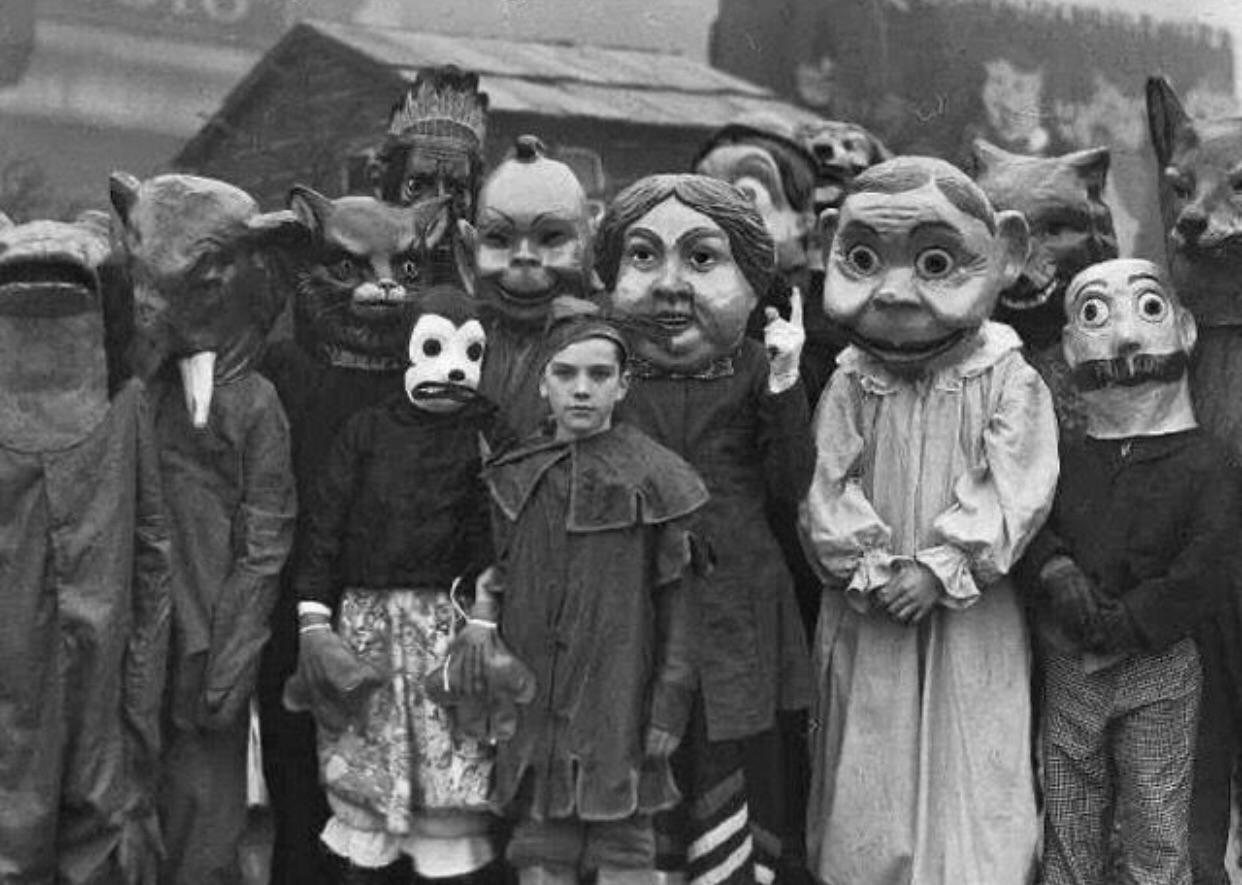
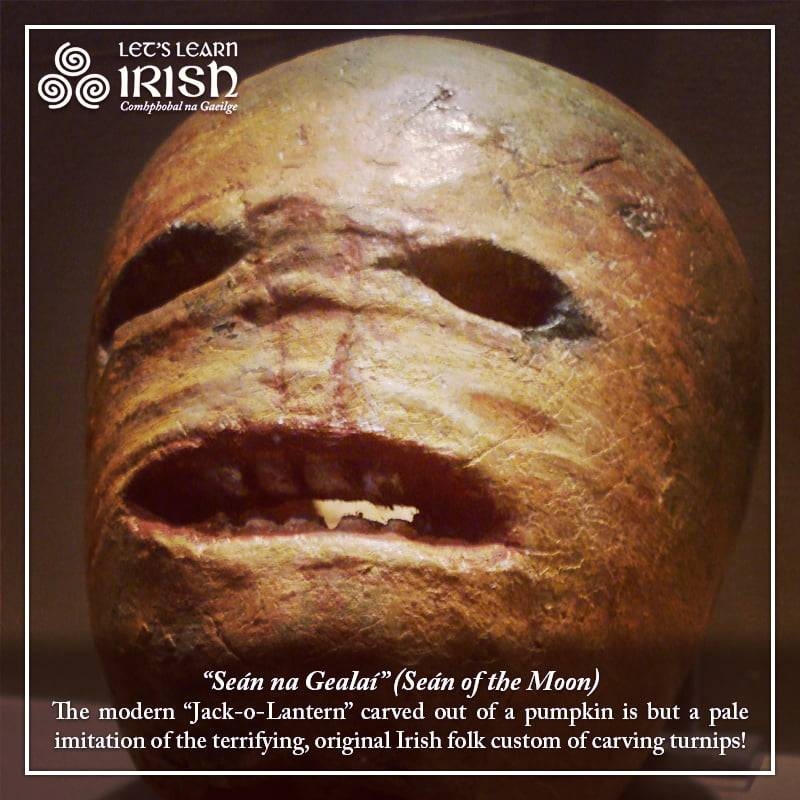
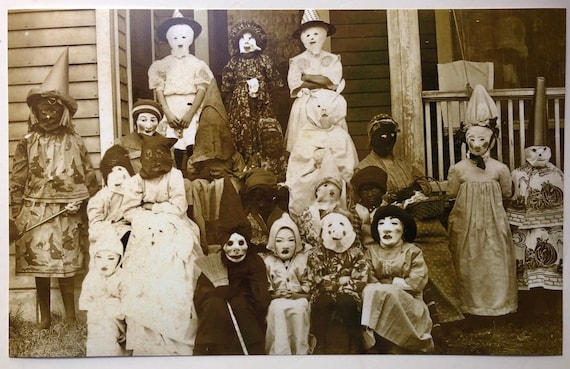
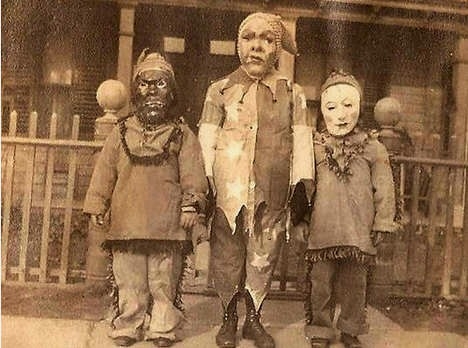
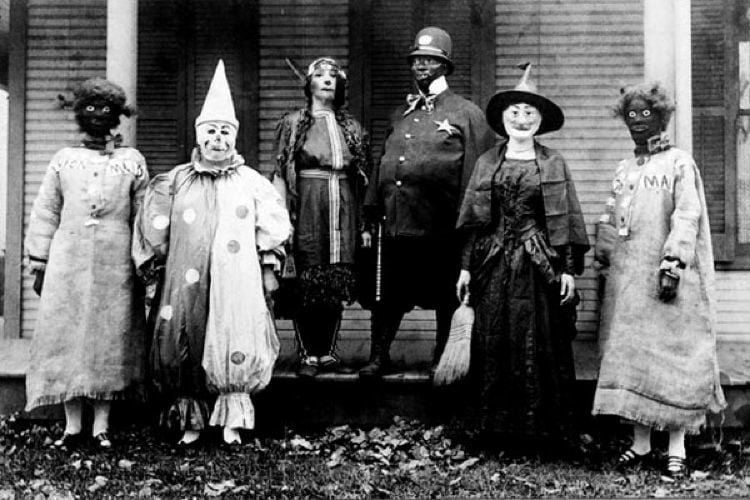
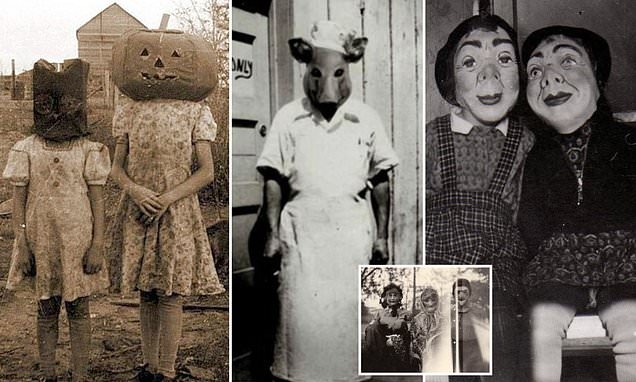
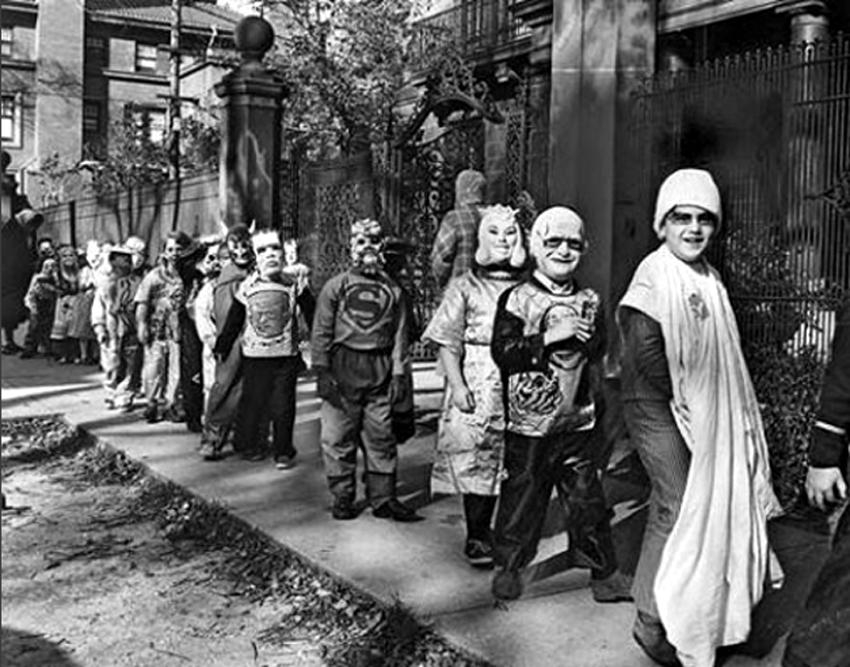
Halloween in America has evolved over centuries. It began over 2,000 years ago in Ireland with Samhain, a festival marking the end of the harvest. People believed the dead could visit the living, so they lit bonfires and wore costumes to ward off spirits. Masks and disguises hid them from wandering souls, and communities celebrated the season. In the 1800s, Irish and Scottish settlers brought these traditions to America. In the 1840s, Irish immigrants fleeing the Great Famine, a mass starvation caused by potato failures, preserved Halloween to maintain culture and community. They added pranks and public festivities to lift spirits. Carved turnips were placed outside to scare evil spirits, and in America pumpkins became easier to carve, creating the first jack-o-lanterns. By the 1870s, Halloween grew into a community event. Newspapers suggested parties, and neighbors played games like bobbing for apples, from Roman harvest festivals. Costume parties grew popular, with homemade disguises often scary or funny. Trick or treating began as children dressing up and performing songs, jokes, or skits for coins or treats. The first recorded trick or treating in the U.S. was in the 1920s. After World War Two, suburban neighborhoods expanded trick or treating. Candy companies sold Halloween candy, including candy corn, first made in the 1880s. Shaped like corn kernels to celebrate the harvest, it was easy to mass produce. Glow-in-the-dark costumes, plastic pumpkins, and decorations appeared in the 1950s, turning Halloween into a family-centered holiday. Today, Halloween blends Celtic traditions with American flair. Haunted houses, pumpkin patches, costume contests, and candy sales are everywhere. Over 600 million pounds of candy are sold annually, and Americans spend nearly 10 billion dollars, making Halloween one of the most celebrated and beloved traditions in the country. #Halloween #TrickOrTreat #USHistory #America #USA #History
2025-10-26

Kevin Szprygada
Love those giant heads
10-28
Gatesville, TX
Reply
More comments ...
write a comment...