1/1
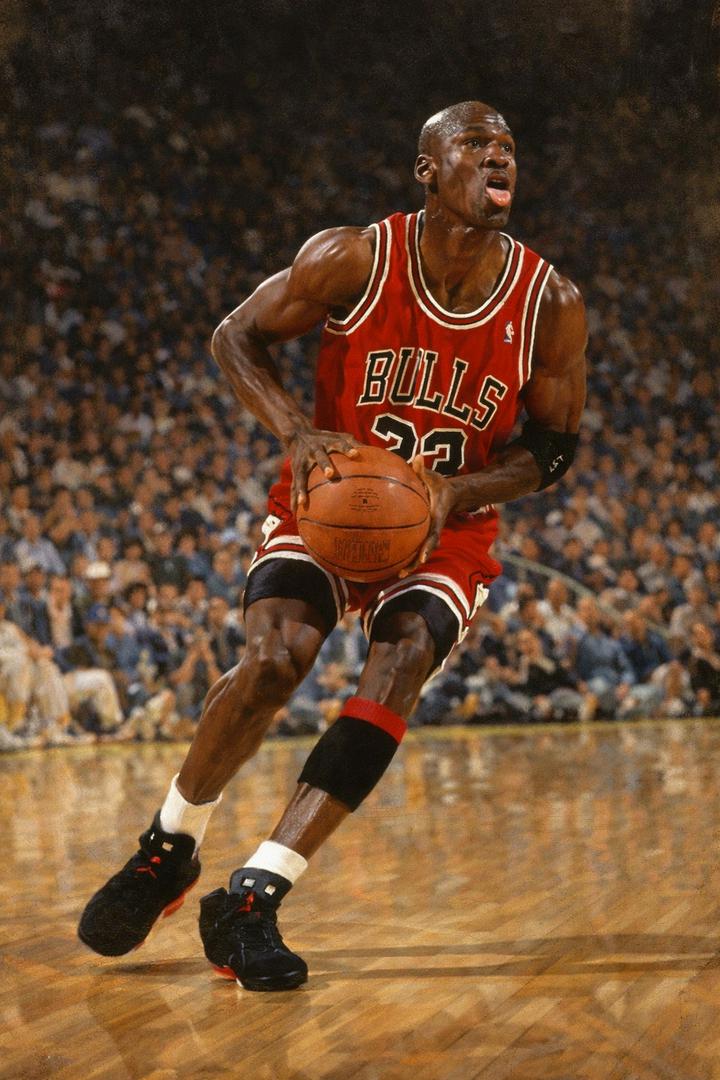
On December 21, 1991, the Chicago Bulls were deep into a season that would further solidify their place in sports history. Just months earlier, they had captured their first NBA championship, and the momentum had not slowed. Late-December games during this period were not about standings alone. They were part of a broader moment where basketball became global theater. At the center of it all was Michael Jordan. By the winter of 1991, Jordan was no longer just an elite athlete. He was a cultural force. His performances were broadcast worldwide, his image saturated advertising, and his presence helped redefine how Black excellence was seen and consumed in American media. Each game added to a growing mythology built on skill, discipline, and relentless competitiveness. The Bulls were not a one man story. With Scottie Pippen emerging as a dominant two-way force and a roster built on chemistry and trust, the team represented a new model of excellence. They played with confidence, control, and a visible belief that they belonged on the biggest stage every night. Late December games like those played around December 21 mattered because they kept that image in constant rotation. Winter broadcasts, packed arenas, and national attention reinforced the idea that greatness was not seasonal or situational. It was consistent. For many viewers, especially young fans watching from afar, this era shaped how they understood achievement, leadership, and representation. By the end of the 1991–1992 season, the Bulls would repeat as champions. But long before the trophy was lifted, moments like December 21 were already doing the work. They were building legacy in real time. #ChicagoBulls #MichaelJordan #NBAHistory #SportsCulture #BlackExcellence
Chicago, Illinois • 2025-12-22

Allen Thurman
💯 .
20d
Rockford, IL
Reply
More comments ...
write a comment...