Tag Page BlackExcellence

#BlackExcellence
LataraSpeaksTruth

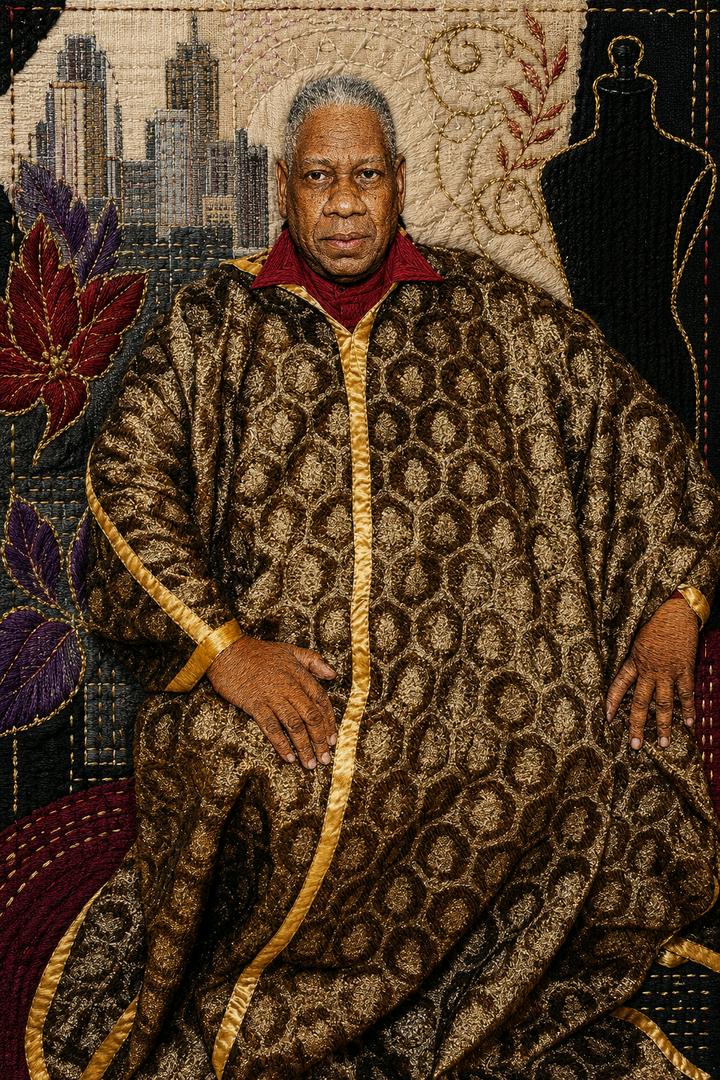
André Leon Talley was not born into fashion’s front row. He was born in Washington, D.C., in 1948 and raised in Durham, North Carolina, by his grandmother, Bennie Frances Davis. That detail matters. Before he became one of the most recognizable voices connected to Vogue, he was a young Black boy in the segregated South, finding beauty in a world that did not always make room for him. Talley studied French literature at North Carolina Central University and later earned a master’s degree from Brown University. His path into fashion was not casual. It was built on intellect, discipline, taste, and a deep understanding of history and culture. He worked with Diana Vreeland, Interview magazine, Women’s Wear Daily, W, and eventually Vogue, where he became fashion news director, creative director, and editor-at-large. In an industry long dominated by white gatekeepers, André Leon Talley stood tall, literally and historically. His capes, robes, and grand entrances became iconic, but the real statement was his mind. Talley understood fashion as more than clothes. He saw it as history, power, identity, class, beauty, and survival. He also used his influence to advocate for more visibility for Black models and Black creativity in spaces that often borrowed from Black culture while shutting Black people out. His legacy is not just that he made it into Vogue. It is that he walked into those rooms as himself. Grand. Brilliant. Southern. Black. Unforgettable. #AndreLeonTalley #BlackHistory #FashionHistory #Vogue #BlackExcellence #CulturalHistory #StyleIcon #LataraSpeaksTruth

LataraSpeaksTruth

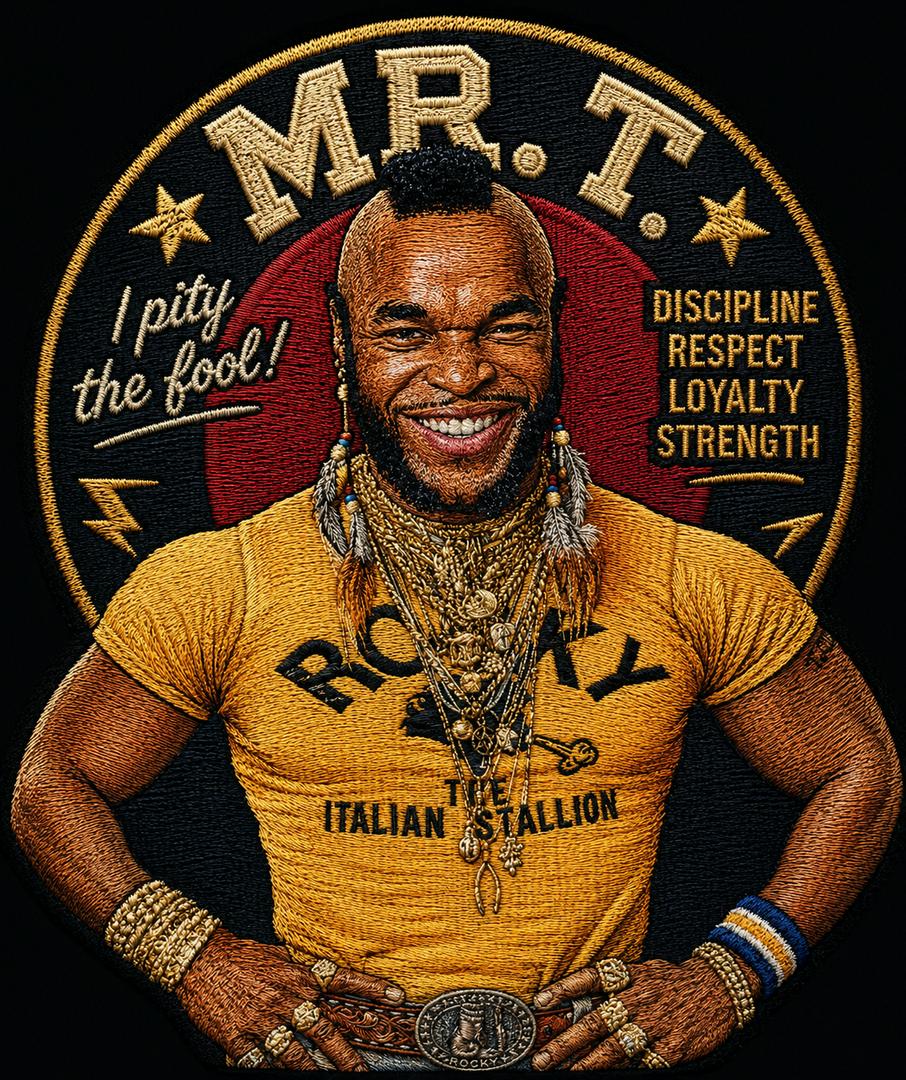
Born May 21, 1952, Mr. T became more than a catchphrase. Before the gold chains, the mohawk, and “I pity the fool,” he was Laurence Tureaud from Chicago’s South Side. Born into a family of 12 children, he grew up in the Robert Taylor Homes and became known early for discipline, toughness, and athletic ability. He attended Dunbar Vocational High School, where he played football, wrestled, and studied martial arts. That foundation helped shape the larger-than-life figure America would later recognize. Before Hollywood, he served in the U.S. Army, worked as a bouncer, and became a bodyguard for major names including Muhammad Ali and Michael Jackson. His bold image was not random. The gold chains became part of his look during his bouncer years, while his hairstyle was inspired by Mandinka warriors. His name, his image, and his presence were tied to respect, identity, and being seen as a man in a world that often denied Black men that basic dignity. His breakout moment came when Sylvester Stallone cast him as Clubber Lang in Rocky III. From there, Mr. T became a household name. His role as B.A. Baracus on The A-Team turned him into one of the most recognizable stars of the 1980s. But behind the tough-guy image was also someone who became a role model for children, using television, music, and public appearances to promote discipline, confidence, and staying away from trouble. Mr. T’s story is not just about fame. It is about a man who built an identity so strong that the world had no choice but to remember it. From Laurence Tureaud to Mr. T, he turned survival, style, and self-respect into a cultural legacy. #MrT #BlackHistory #OnThisDay #EntertainmentHistory #ChicagoHistory #TheATeam #RockyIII #BlackExcellence #PopCultureHistory

LataraSpeaksTruth

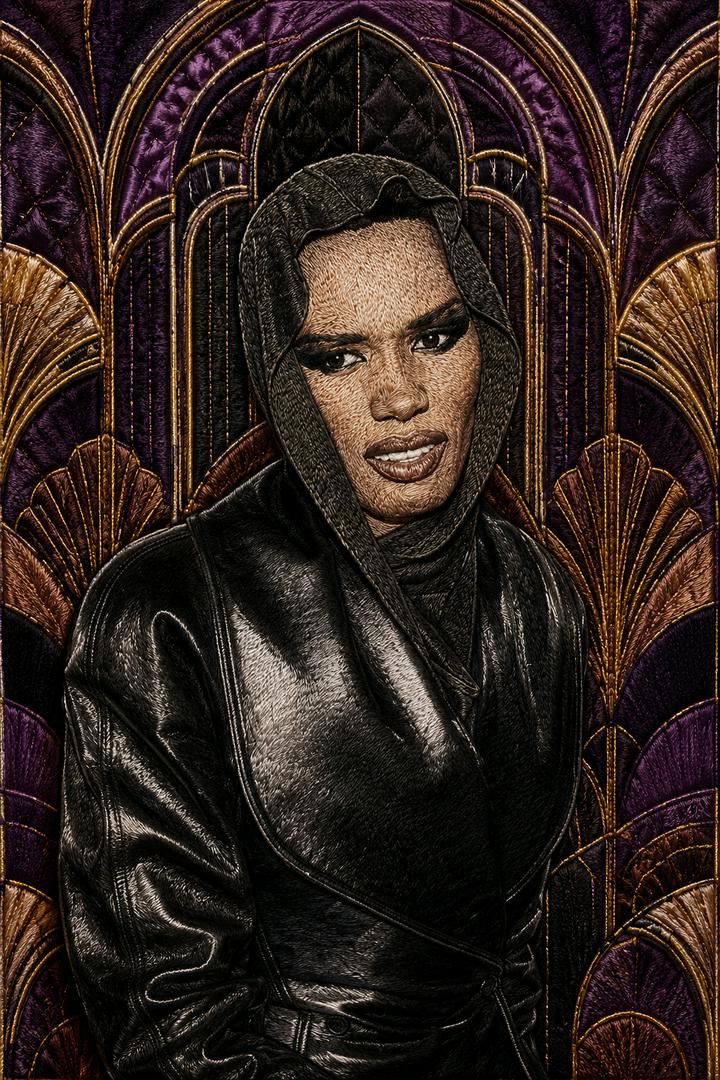
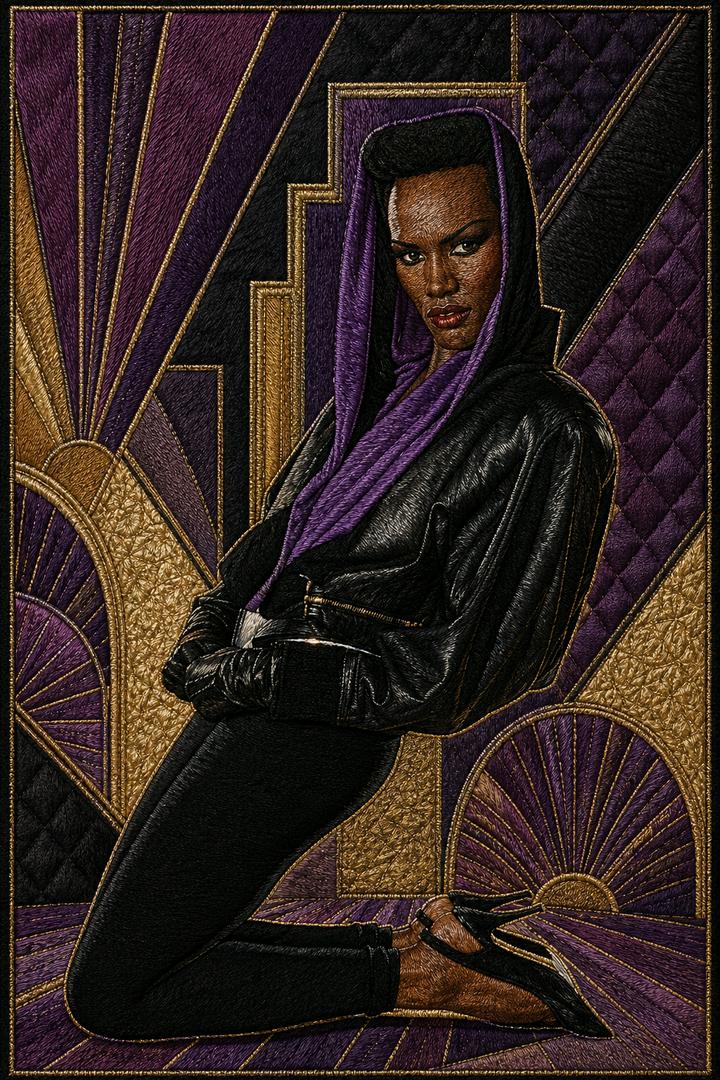
May 19, 1948…Grace Jones was born in Spanish Town, Jamaica, and the world was not ready for what she would become. Grace Jones did not enter entertainment quietly. She came in sharp, bold, fearless, and impossible to ignore. She became a model, singer, actress, and fashion icon, but even those titles feel too small for what she represented. Grace Jones was not just performing…she was challenging people to rethink beauty, gender, style, sound, and stage presence. In the 1970s, she made her mark as a model and became known for a look that was striking, sculpted, and different from what the industry was used to celebrating. Her image carried confidence, mystery, and power. She did not soften herself to make people comfortable, and that is part of why she became unforgettable. Then came the music. Grace Jones blended disco, reggae, funk, rock, post-punk, and new wave with a sound that refused to sit in one box. Songs like “Pull Up to the Bumper,” “Slave to the Rhythm,” and “Nightclubbing” helped define her as an artist who could turn music into performance art. She also stepped into film, appearing in projects like Conan the Destroyer, A View to a Kill, and Boomerang. Whether she was on a runway, a stage, an album cover, or a movie screen, Grace Jones brought a presence that could not be duplicated. Her legacy is not just that she looked different. It is that she owned it. She turned what others might have called “too much” into her signature. Grace Jones became a blueprint for artists who wanted to be bold without asking permission. She was not made to blend in. She was made to be remembered. #GraceJones #BlackHistory #JamaicanHistory #MusicHistory #FashionIcon #BlackExcellence #OnThisDay
LataraSpeaksTruth

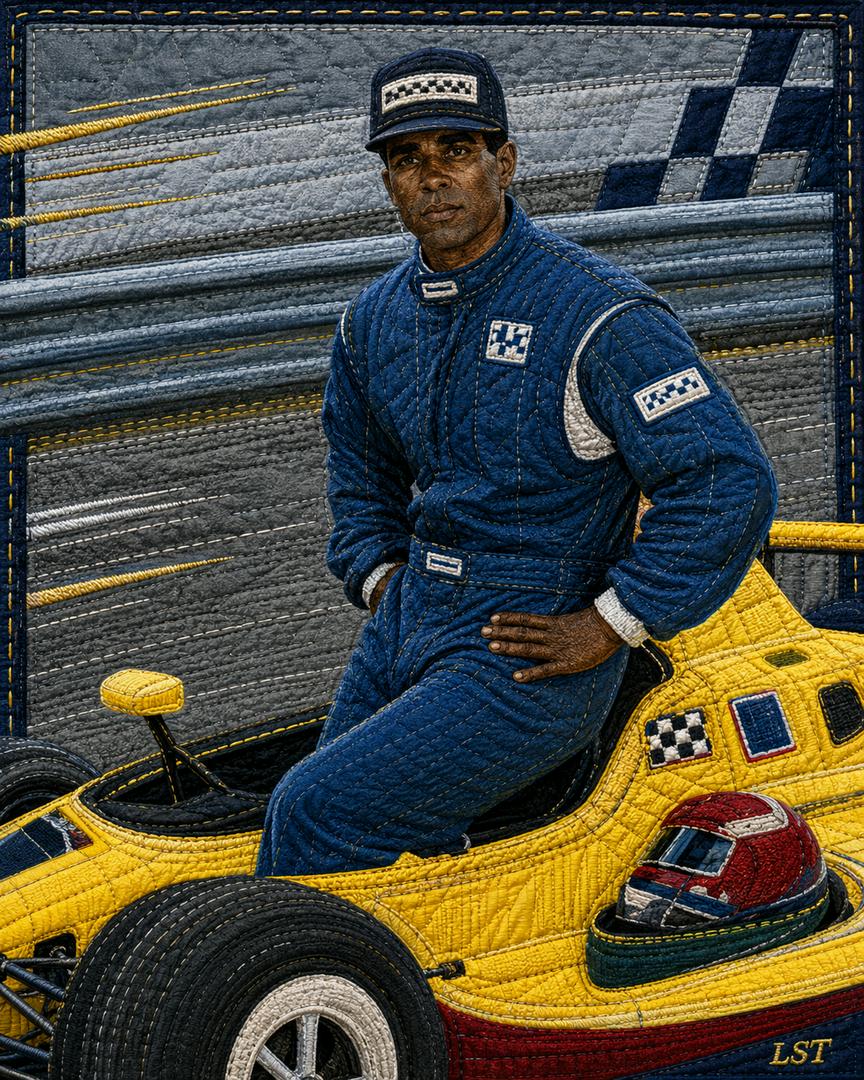
May 19, 1991, Willy T. Ribbs made history at the Indianapolis Motor Speedway. He became the first African American driver to qualify for the Indianapolis 500, one of the most famous races in America. His four-lap average speed was 217.358 mph, fast enough to put him in the field and break through a barrier that had stood far too long. And let’s be clear, this was not just about driving fast. This was about entering a space where Black drivers had been nearly invisible. Racing has always sold itself as speed, courage, engines, tradition, and glory. But tradition can also become a locked gate when certain people are kept on the outside looking in. Willy T. Ribbs did not walk into that moment with an easy road behind him. He had already dealt with doubt, rejection, controversy, and the kind of pressure that comes when you are not just competing for yourself, but carrying the weight of being “the first.” That is a heavy helmet to wear. When he qualified for the 1991 Indy 500, he did more than earn a starting position. He proved that talent had been there. Skill had been there. Courage had been there. The opportunity had not. That is the part history has to sit with. Ribbs started 29th in the race. His day ended early because of engine trouble, but nobody can erase what happened before that green flag ever dropped. He had already made history. Some people break barriers with speeches. Some do it with court cases. Some do it with music, books, protest signs, or laws. Willy T. Ribbs did it at over 217 miles per hour. And that deserves to be remembered. #WillyTRibbs #BlackHistory #OnThisDay #MotorsportsHistory #Indianapolis500 #Indy500 #BlackExcellence

LataraSpeaksTruth

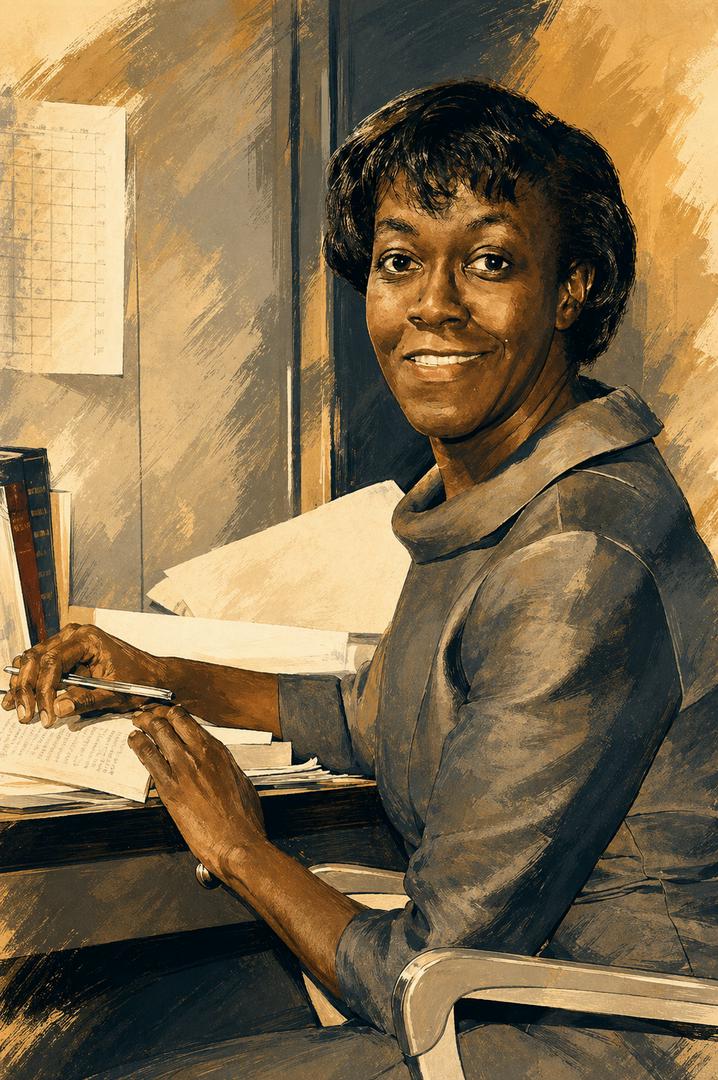
May 1, 1950, marked a major moment in American literary history. On this day, poet Gwendolyn Brooks became the first African American to win a Pulitzer Prize. She received the 1950 Pulitzer Prize for Poetry for her book Annie Allen, published by Harper. Annie Allen was first published in 1949. The collection follows a young Black girl growing into womanhood and explores childhood, love, struggle, loss, and the realities of Black life in America. The work showed Brooks’ command of language, form, and everyday truth. Brooks was born in Topeka, Kansas, in 1917 and raised in Chicago. Her writing often focused on ordinary Black life, especially in Chicago’s South Side communities. Before Annie Allen, she gained national attention for her first poetry collection, A Street in Bronzeville, published in 1945. The University of Illinois digital exhibit notes that the Pulitzer Prize Board announced Brooks’ win on May 1, 1950. The Pulitzer Prize website lists Annie Allen as the winning work for Poetry that year. Brooks’ Pulitzer win was more than a personal honor. It was a breakthrough in a literary world where Black writers had long been overlooked. Her achievement opened a historic door and confirmed that Black life, Black language, and Black art belonged at the center of American letters. Gwendolyn Brooks continued writing, teaching, and supporting younger poets for decades. In 1968, she was named Poet Laureate of Illinois, a role she held until her death in 2000. On May 1, we remember Gwendolyn Brooks, the poet who made Pulitzer history and helped widen the page for those who came after her. #GwendolynBrooks #AnnieAllen #PulitzerPrize #BlackHistory #BlackLiterature #AmericanPoetry #OnThisDay #May1 #LiteraryHistory #ChicagoHistory #BlackExcellence

LataraSpeaksTruth

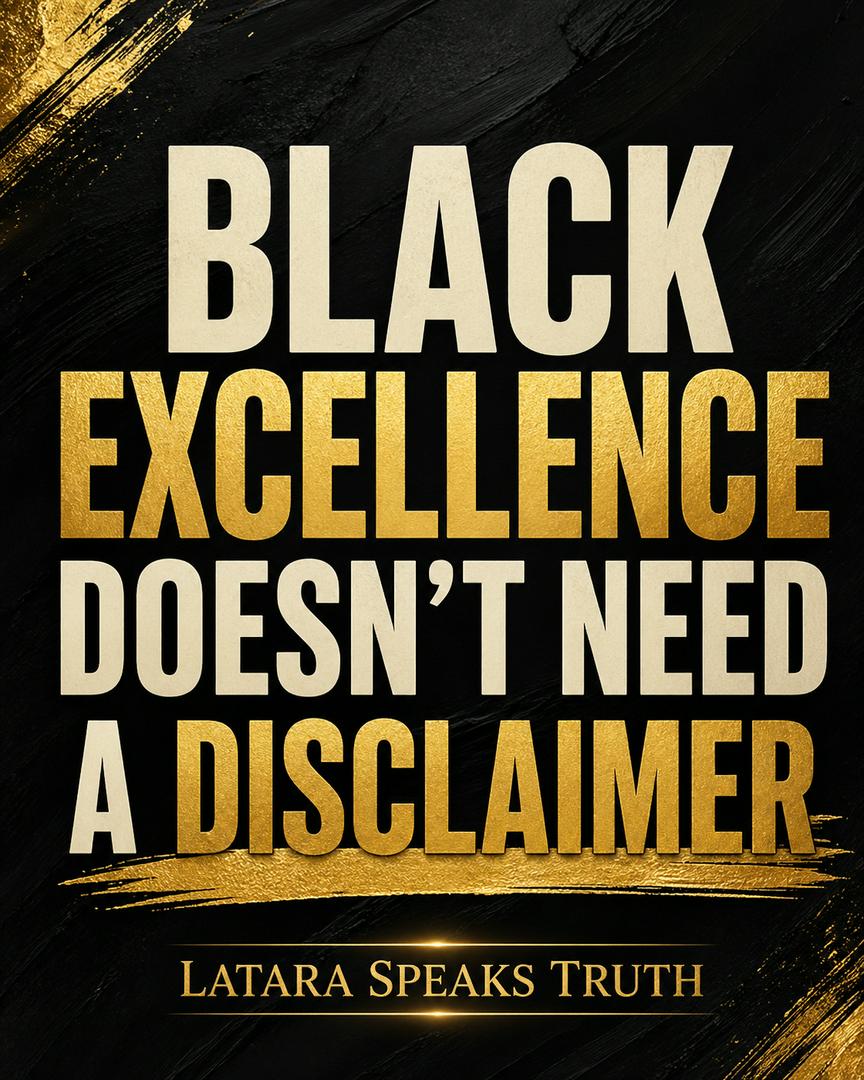
When I posted about Vice Admiral Samuel L. Gravely Jr., the story was about excellence, service, discipline, and legacy. Gravely was not just “good enough.” He became a historic figure in the United States Navy through proven ability, leadership, and endurance. His record did not need a political disclaimer attached to it. So when someone comes under a post about a Black trailblazer and says he did it “without DEI,” the question is simple: why did that need to be mentioned at all? That was not part of the story. Too often, when Black excellence is discussed, someone finds a way to drag DEI or affirmative action into the conversation, as if Black achievement has to be separated from assistance before it can be respected. The implication is always sitting there, that Black people must have been handed something, favored unfairly, or pushed ahead because of color instead of qualifications. That narrative is tired. It is also selective. Historically, white women have often been identified as major beneficiaries of affirmative action, especially in employment and workplace advancement. But somehow, DEI only becomes the favorite insult when Black achievement is being discussed. That is the part people avoid. Black people have been proving themselves in rooms they were not invited into, in systems that doubted them, blocked them, and still expected them to outperform just to be seen as qualified. Gravely’s story does not need to be used as a weapon against modern diversity efforts. His story already stands on its own. If the man was disciplined, say that. If he served with honor, say that. If he broke barriers, say that. But dragging DEI into a story where it was never the subject says more about the person mentioning it than the man being honored. Black excellence does not need a disclaimer. It never did. #BlackHistory #SamuelGravely #MilitaryHistory #BlackExcellence #LataraSpeaksTruth

LataraSpeaksTruth

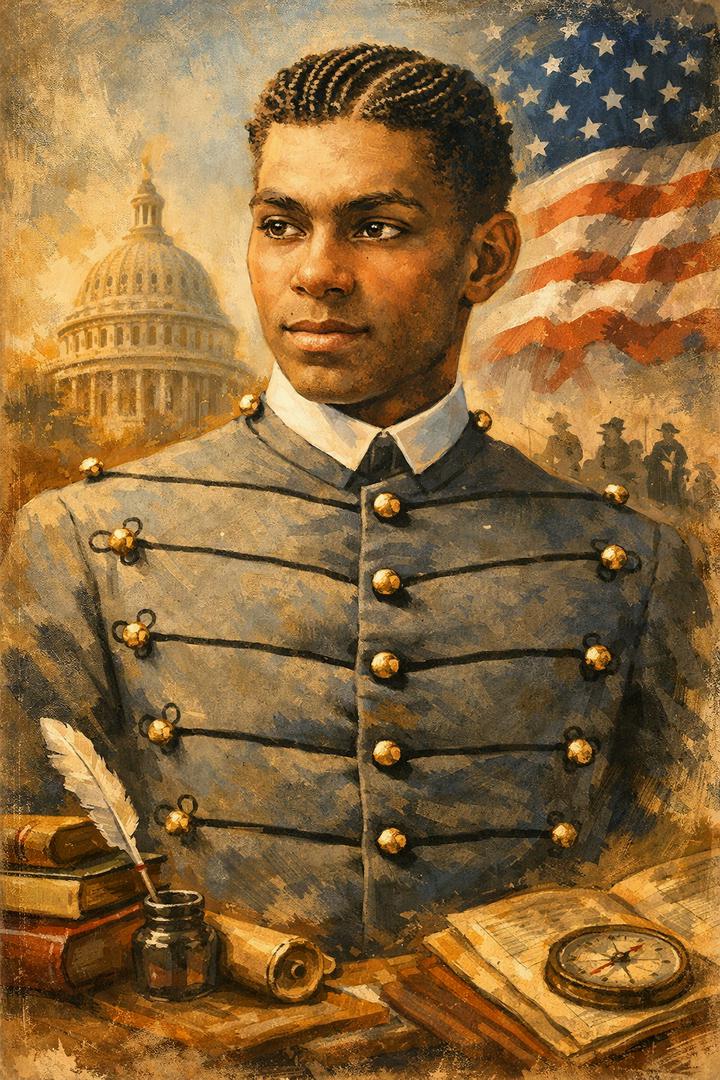
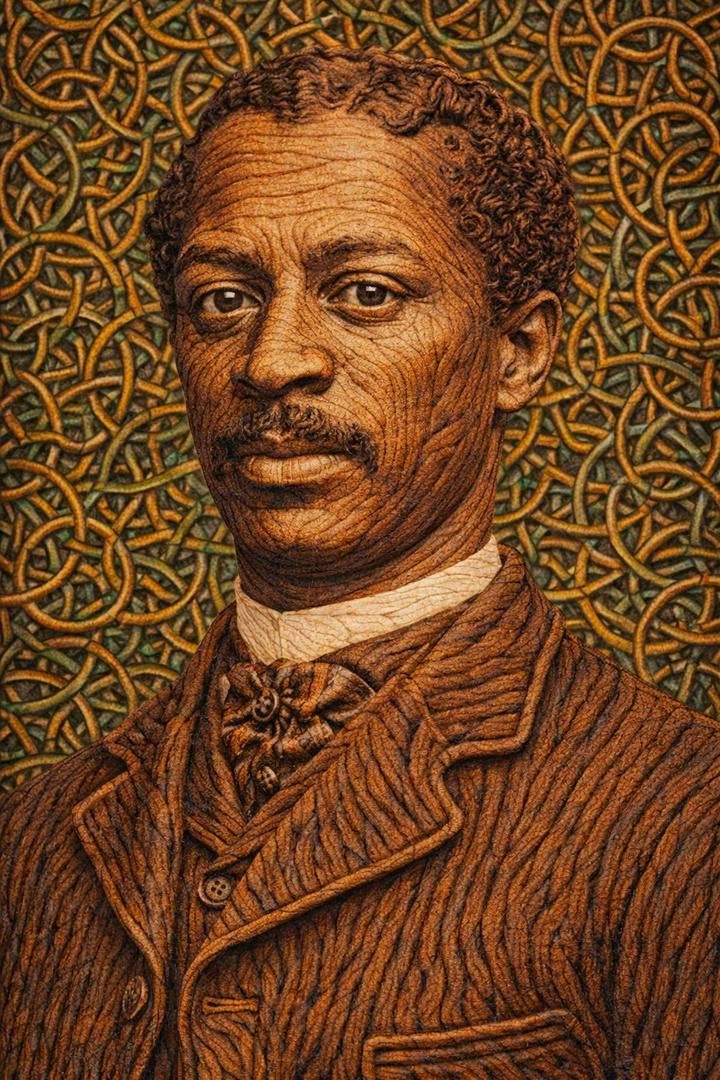
March 21, 1856 - Henry Ossian Flipper was born in Thomasville, Georgia, into slavery. His life began in a nation that had already decided how far Black people were supposed to go, and how firmly they were supposed to stay in their place. Flipper had other plans. He came of age during Reconstruction and, in 1873, was appointed to the U.S. Military Academy at West Point, one of the most elite institutions in the country. Getting in was one battle. Surviving it was another. He faced harassment, isolation, and open hostility, yet refused to be broken by any of it. In 1877, Henry Ossian Flipper became the first Black graduate of West Point and the first Black commissioned officer in the regular U.S. Army. That was no small ceremonial first. It was a direct blow against a system built to exclude Black Americans from military leadership, prestige, and power. His success proved what had always been true: the barrier was never ability, it was racism. After graduation, Flipper served with the 10th Cavalry, one of the famed Buffalo Soldier regiments. His career reflected discipline, endurance, and service, even as injustice continued to follow him. Still, history remembers what matters most: Henry Ossian Flipper crossed a line this country never intended for a Black man to cross… and he did it in uniform. His name deserves to be spoken with respect, not tucked away like a footnote. Sources: National Archives, U.S. Army #OnThisDay #BlackHistory #HenryOssianFlipper #WestPoint #BuffaloSoldiers #MilitaryHistory #BlackExcellence #HiddenHistory #AmericanHistory #BlackPioneers

LataraSpeaksTruth

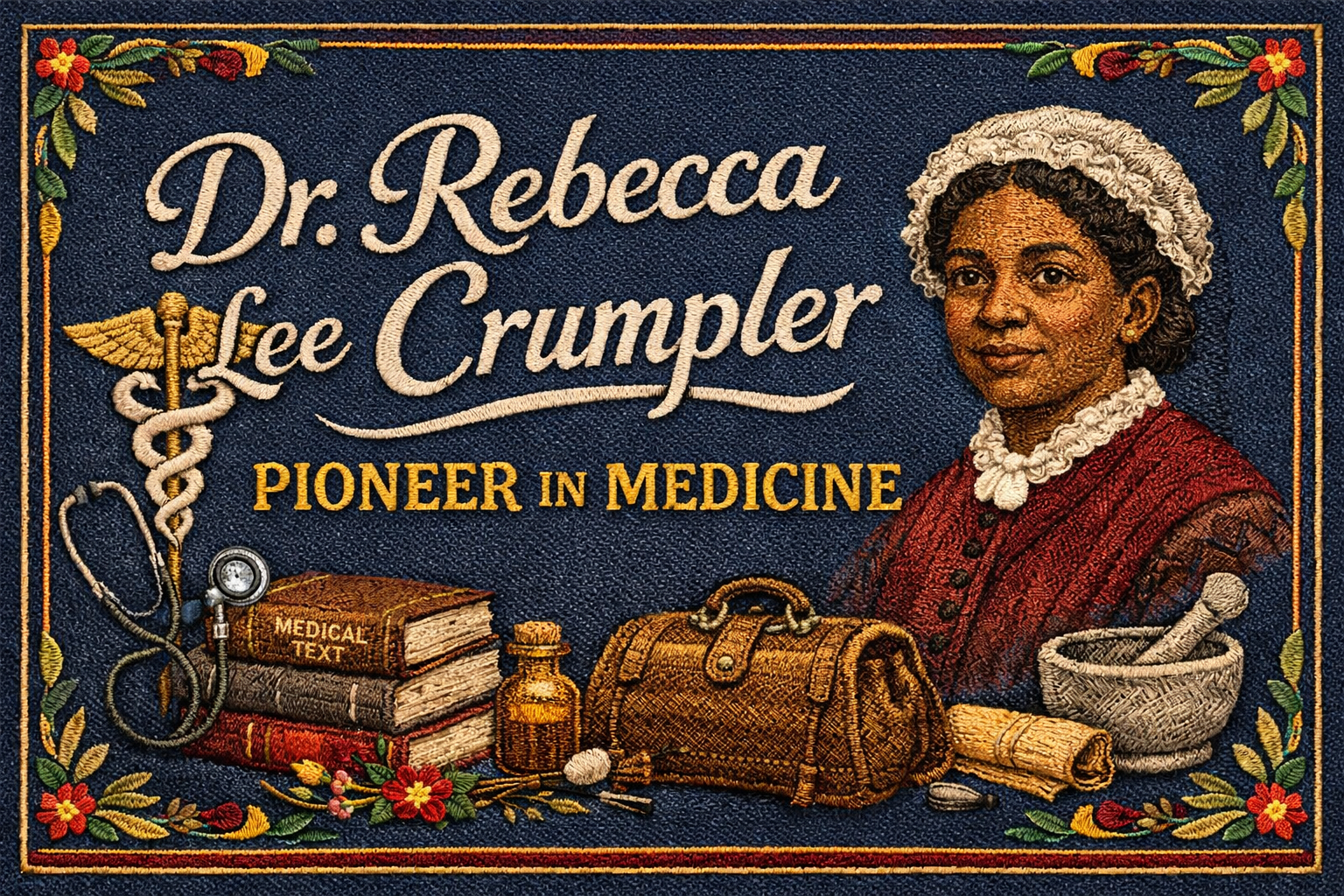
On March 9, 1895, Dr. Rebecca Davis Lee Crumpler died in Hyde Park, Massachusetts. Her death marked the close of a life that helped change American medical history. She is widely recognized as the first Black woman in the United States to earn a medical degree, graduating from the New England Female Medical College in 1864. At a time when both race and sex were used to shut people out of education and the professions, Dr. Crumpler entered medicine anyway and made history by doing work many believed she should never have been allowed to do. Before becoming a physician, she worked as a nurse for years. That experience shaped the kind of doctor she became. After earning her degree, she practiced in Boston and later in Richmond, Virginia, after the Civil War. There, she cared for newly freed Black people who had long been denied proper medical treatment. She focused especially on women and children, serving people too often ignored by the medical system and by the country itself. Her legacy matters not only because she was first, but because of who she chose to serve. Dr. Crumpler worked in a profession dominated by white men and pushed through racism, sexism, and open disrespect. In 1883, she published A Book of Medical Discourses, based on her medical experience caring for women and children. It stands among the earliest medical books published by an African American physician. Too often, history turns people like her into a quick fact and moves on. But Rebecca Crumpler was more than a milestone. She was a physician, writer, healer, and a woman who refused to let this country’s barriers define her reach. Her name belongs in the foundation of American medical history…not as a footnote, but as a pillar. #RebeccaLeeCrumpler #BlackHistory #WomensHistory #BlackWomenInMedicine #MedicalHistory #AmericanHistory #HiddenHistory #MassachusettsHistory #BlackExcellence #Trailblazer #HealthcareHistory #HistoryMatters

LataraSpeaksTruth

Robert Tanner Freeman was a young man from Washington, D.C., who came of age in a nation that tried to keep Black Americans out of higher education and the professions. Born in 1846, he lived in an era when opportunity was guarded closely and the path into professional life was filled with barriers. Still, he refused to accept the limits placed before him. As a young man, Freeman worked under Dr. Henry Bliss Noble, a white dentist in Washington who became his mentor and encouraged him to study dentistry. At a time when Black students were routinely denied admission to professional schools, Freeman pushed forward with determination. In 1867 he entered Harvard Dental School, and in 1869 he became the first Black man in the United States to earn a formal dental degree. After completing his education, Freeman returned to Washington, D.C., where he opened a dental practice and served his community. His presence in the profession carried weight during a time when Black professionals were rarely seen in such spaces. By establishing himself as a trained dentist, he helped open a path for others who would follow. Robert Tanner Freeman’s story is not only about education. It reflects persistence, discipline, and the courage to step into rooms that had long been closed to people like him. His career was brief, but the example he set became part of a larger movement as Black Americans pushed into medicine, dentistry, education, and other professional fields. Freeman died in 1873 at only 27 years old. Though his life was short, his achievement remains a powerful part of the history of Black advancement in American professional life. #OurHistory #RobertTFreeman #BlackHistory #MedicalHistory #DentalHistory #BlackExcellence #AfricanAmericanHistory #LataraSpeaksTruth

Dashcamgram

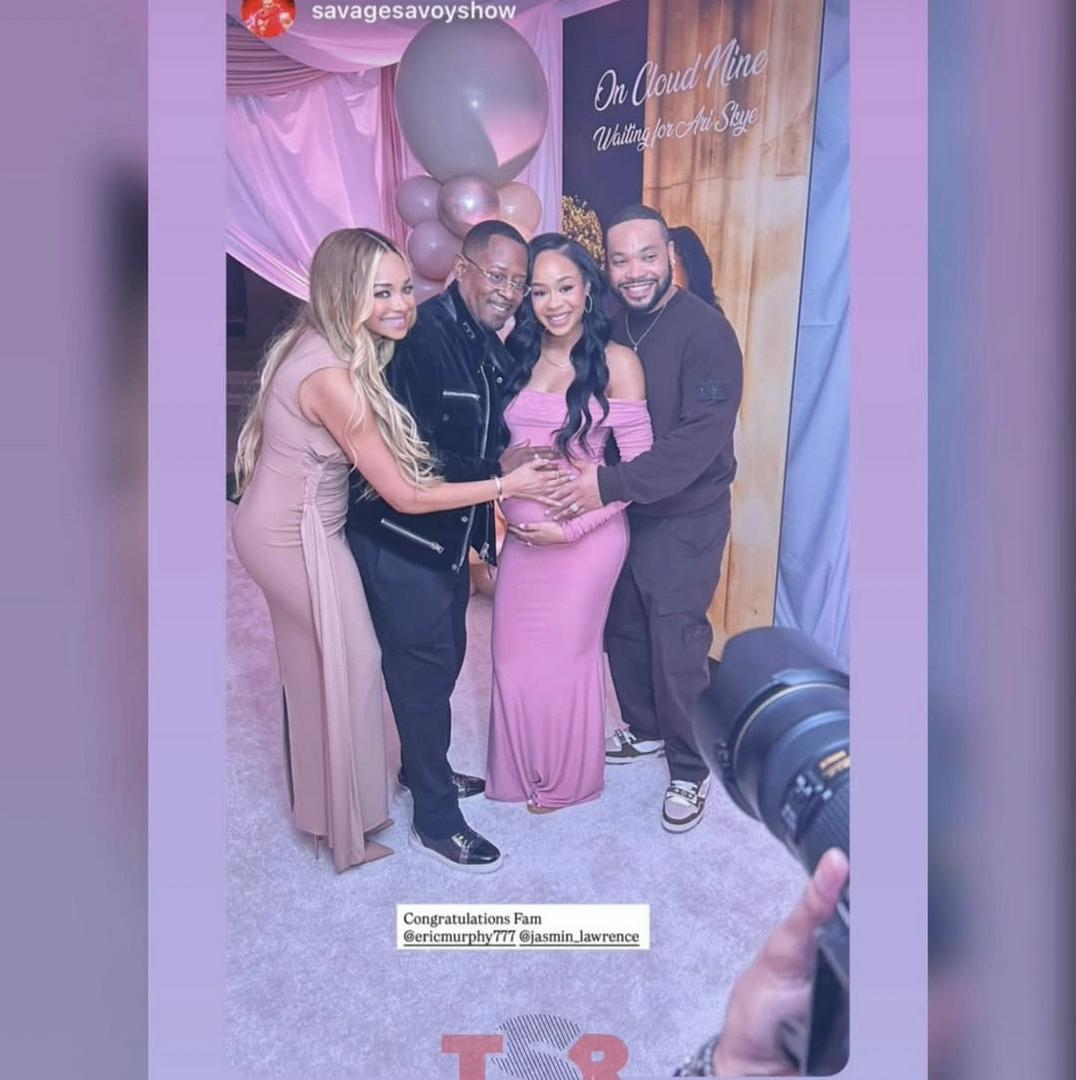
A legendary Hollywood connection just turned into a real-life family moment 💕 A photo of Eddie Murphy’s son and Martin Lawrence’s daughter at their baby shower is going viral — and fans are loving every second of it. Two comedy icons. One growing family. A whole new generation on the way. From classic films that shaped culture to now celebrating grandchildren, it’s wild to see how full circle this moment feels. What started as decades of friendship and industry respect has turned into something even deeper — family. Hollywood history meets real-life legacy. Now that’s what you call generational greatness. #EddieMurphy #MartinLawrence #HollywoodLegacy #BabyShower #CelebrityFamilies #BlackExcellence #NextGeneration #IconicMoments #EntertainmentNews #FamilyGoals

Tag: BlackExcellence | LocalAll