
1/3

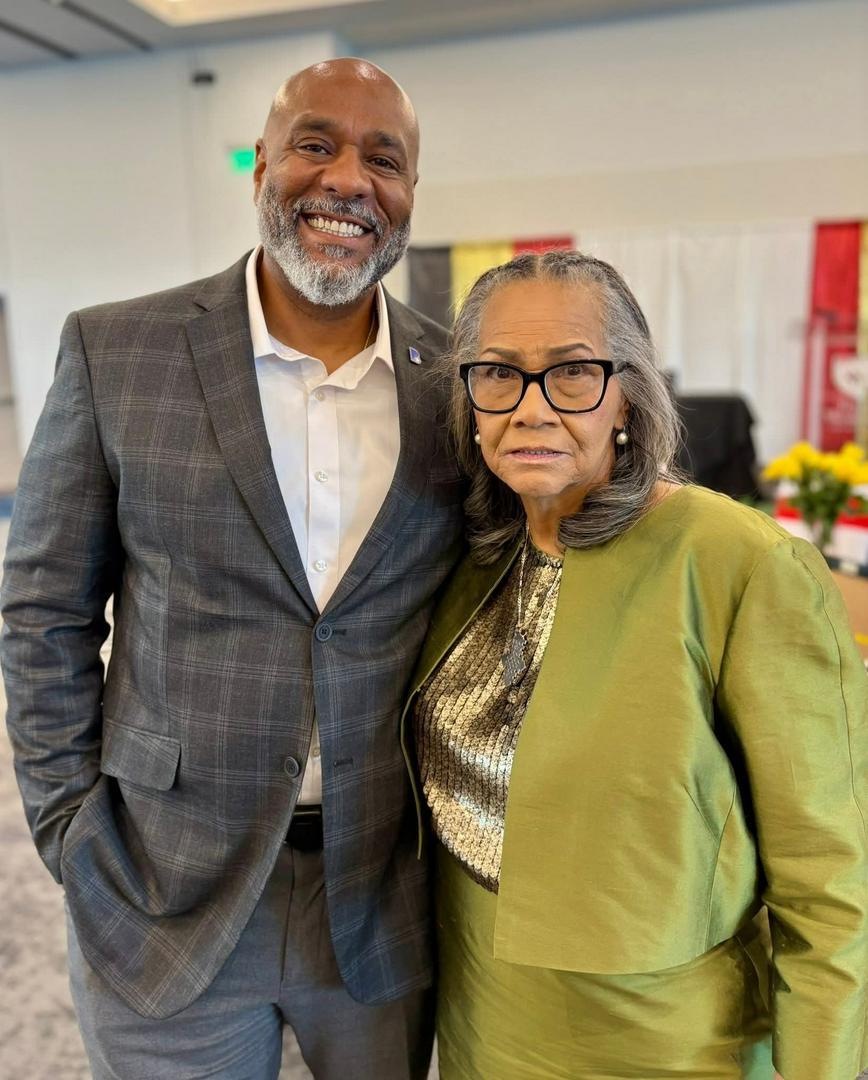

Breaking Barriers: Judge Maryellen Hicks' Trailblazing Journey as Tarrant County's First Black Judge: In the heart of Fort Worth, Texas, a young Maryellen Hicks dreamed of justice from age five, inspired by her great-uncle W.J. Durham, who fought alongside Thurgood Marshall in the landmark Sweatt v. Painter case against racial segregation in law schools. Born March 10, 1949, into a military family that moved across states before settling in Odessa for her early education, Hicks faced the era's deep-seated racism and gender barriers head-on. Undeterred, she earned her B.A. from Texas Woman's University, then shattered history at Texas Tech School of Law, graduating in 1974 as its first Black female alumna— a feat amid widespread exclusion for women and minorities in legal education.Overcoming Early StrugglesLife wasn't easy; as a "novelty" Black female lawyer in Fort Worth, Hicks joined Bonner & Mitchell, handling diverse cases before co-founding Bonner & Hicks. Following her mother's call to engage—vote, volunteer—she campaigned for Mayor Hugh Parmer. At just 27, in 1978, she became Fort Worth's first African American and first woman Municipal Court Judge, rising to Chief Judge despite skepticism. These roles tested her amid personal risks, like threats from disturbed litigants in family court cases.Judicial Milestones Amid AdversityAppointed in 1982 by Governor Mark White to Tarrant County's 231st District Court, Hicks served a decade as its only Black female judge, specializing in family law and aiding vulnerable children. Tragedy struck nearby in 1991 when George Lott, from one of her cases, shot two appeals court justices—highlighting the dangers she navigated. Yet Governor Ann Richards elevated her in 1992 to the Texas Second Court of Appeals (1993-1994), making her its first Black and first female justice. Peers later ranked her #1 judge in Houston-area polls (1999, 2001), outshining even Supreme Court justices.Enduring LegacyPost. Story By Donnell Ballard
Tarrant County, Texas • 2026-02-01
write a comment...