1/1

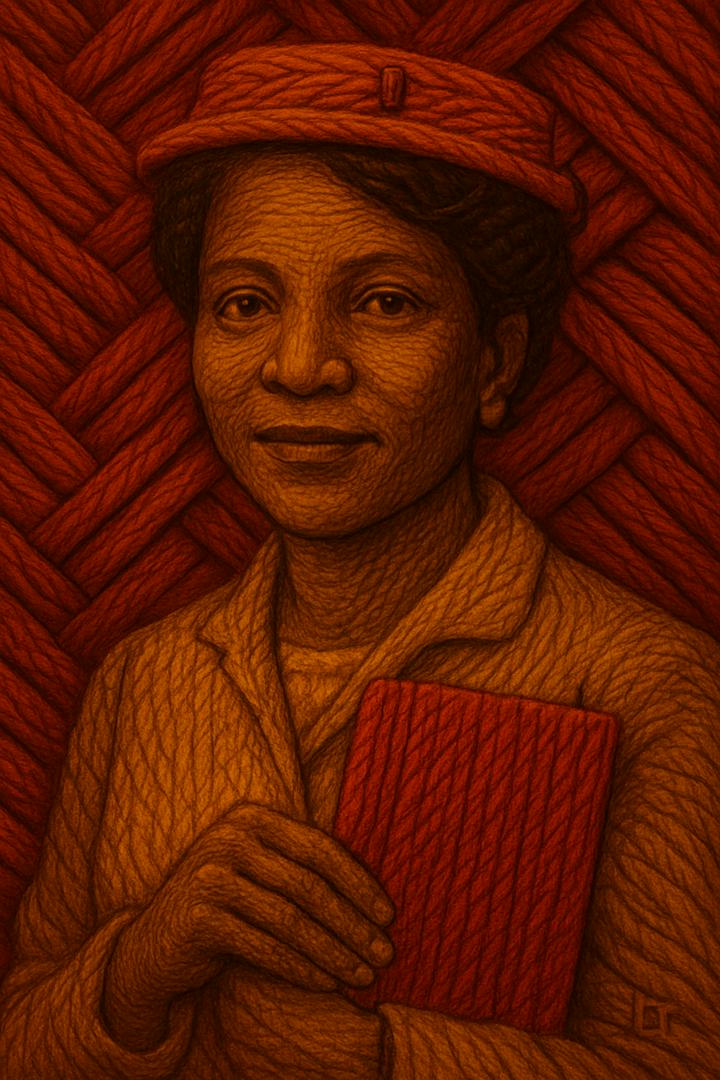
In February 1956, Autherine Lucy became the first Black student to enroll at the University of Alabama. Her admission came only after a federal court ordered the school to accept her, not because the institution was ready to change. What followed exposed exactly how fragile that so-called order was. Almost immediately, hostile crowds formed on campus. White students and outsiders hurled insults, threats, and objects. Classes were disrupted. The environment became dangerous. Yet instead of stopping the violence or holding attackers accountable, university officials made a different choice. They suspended Lucy. The reason given was “for her own safety.” In reality, the school removed the person being targeted while allowing the chaos around her to continue. She had broken no rules. She had not provoked unrest. Her only offense was entering a space that was determined to remain unchanged. The suspension came within weeks of her arrival, followed by her eventual expulsion. The message was clear. Integration would be treated as the problem, not the resistance to it. That moment became a pattern repeated across the country. Progress was framed as disruption. Courage was labeled disorder. Institutions protected themselves first, even when the law demanded otherwise. Decades later, the University of Alabama quietly reversed course. Lucy’s expulsion was annulled. She was invited back. She later received an honorary doctorate. History moved forward, but not without first trying to erase her. Hurricane Lucy wasn’t destruction. It was pressure meeting truth. The storm wasn’t her presence. It was the reaction to it. #BlackHistory #OnThisDay #CivilRightsHistory #HiddenHistory #EducationHistory #HistoryMatters #WomenInHistory
Tuscaloosa, Alabama • 2026-02-07
write a comment...