Tag Page EducationHistory

#EducationHistory
LataraSpeaksTruth

1960… The Day New Orleans Showed Its True Face

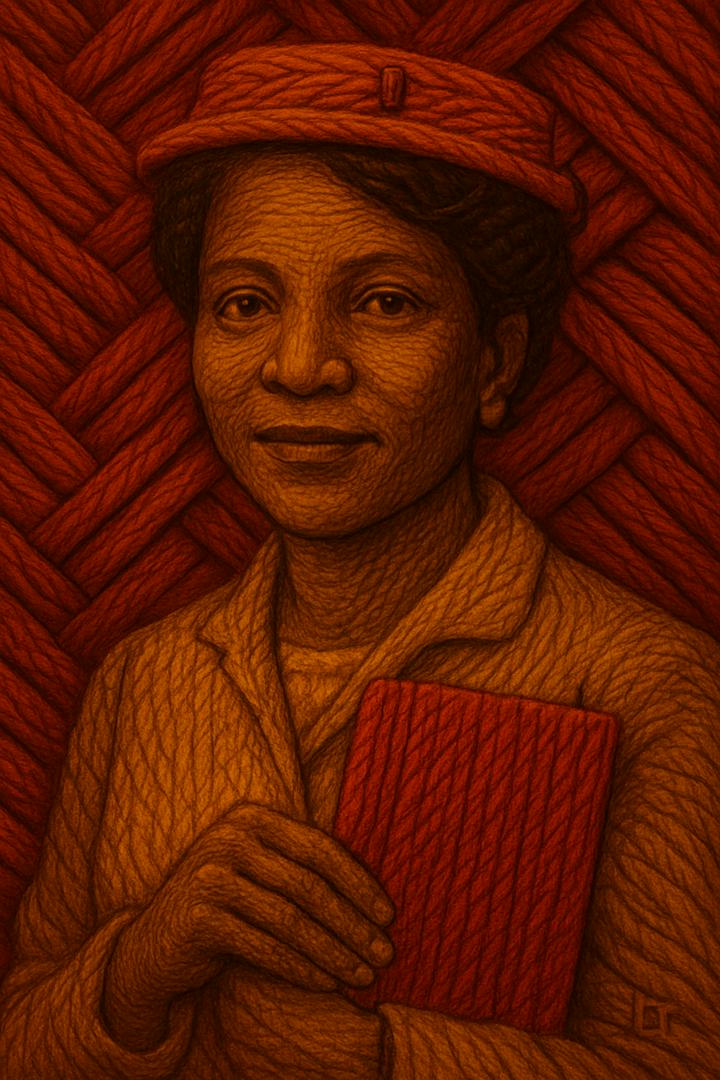
On November 29, 1960, the sidewalk outside William Frantz Elementary turned into a scene the country still can’t shake. White segregationist mothers lined the street, screaming as a little Black girl tried to walk into school. Through all that chaos, Daisy Gabrielle held her daughter Yolanda’s hand and kept moving. That walk was courage in real time… the kind that doesn’t wait for applause, just does what’s right. The footage from that day became part of America’s permanent record. Not the cleaned-up version… the real one, showing grown adults trying to block a child’s education because of her skin. And here’s the part people love to pretend they don’t hear… 1960 wasn’t ancient history. It wasn’t “way back then.” Many of the adults in that crowd lived long enough to watch the world pretend this never happened. Progress didn’t fall from the sky… somebody had to push it. #HistoryMatters #AmericanHistory #OnThisDay #NewOrleansHistory #EducationHistory #LataraSpeaksTruth

1960… The Day New Orleans Showed Its True Face
LataraSpeaksTruth

On May 17, 1954, the United States Supreme Court issued one of the most important education rulings in American history. In Brown v. Board of Education, the Court ruled unanimously that racial segregation in public schools was unconstitutional. The decision struck directly at the old “separate but equal” doctrine that had been used for decades to justify segregated schools. The case is most often connected to Topeka, Kansas, where Oliver Brown challenged the school board after his daughter, Linda Brown, was denied access to a nearby school because she was Black. But Brown v. Board was not just one family’s fight. It brought together several school segregation cases from different states, all pointing to the same truth: separation by race in public education was not equal. Chief Justice Earl Warren delivered the Court’s opinion. The ruling stated that separate educational facilities are inherently unequal and that segregation in public schools violated the Equal Protection Clause of the Fourteenth Amendment. This decision did not magically end school segregation overnight. Many districts resisted, delayed, or fought integration for years. But legally, the foundation had shifted. The highest court in the country had declared that state-mandated school segregation had no place in public education. Brown v. Board of Education became a major turning point in the larger fight for equal rights. It challenged the legal structure that had kept Black children locked out of equal educational opportunities and helped open the door for later civil rights battles. May 17, 1954, was not just a court date. It was a line drawn in American history. The ruling did not solve everything. But it made one thing clear: a school system built on separation could never honestly claim equality. #LataraSpeaksTruth #OnThisDay #BrownVBoard #EducationHistory #BlackHistory #AmericanHistory #CivilRightsHistory #SupremeCourt #HistoryMatters

LataraSpeaksTruth

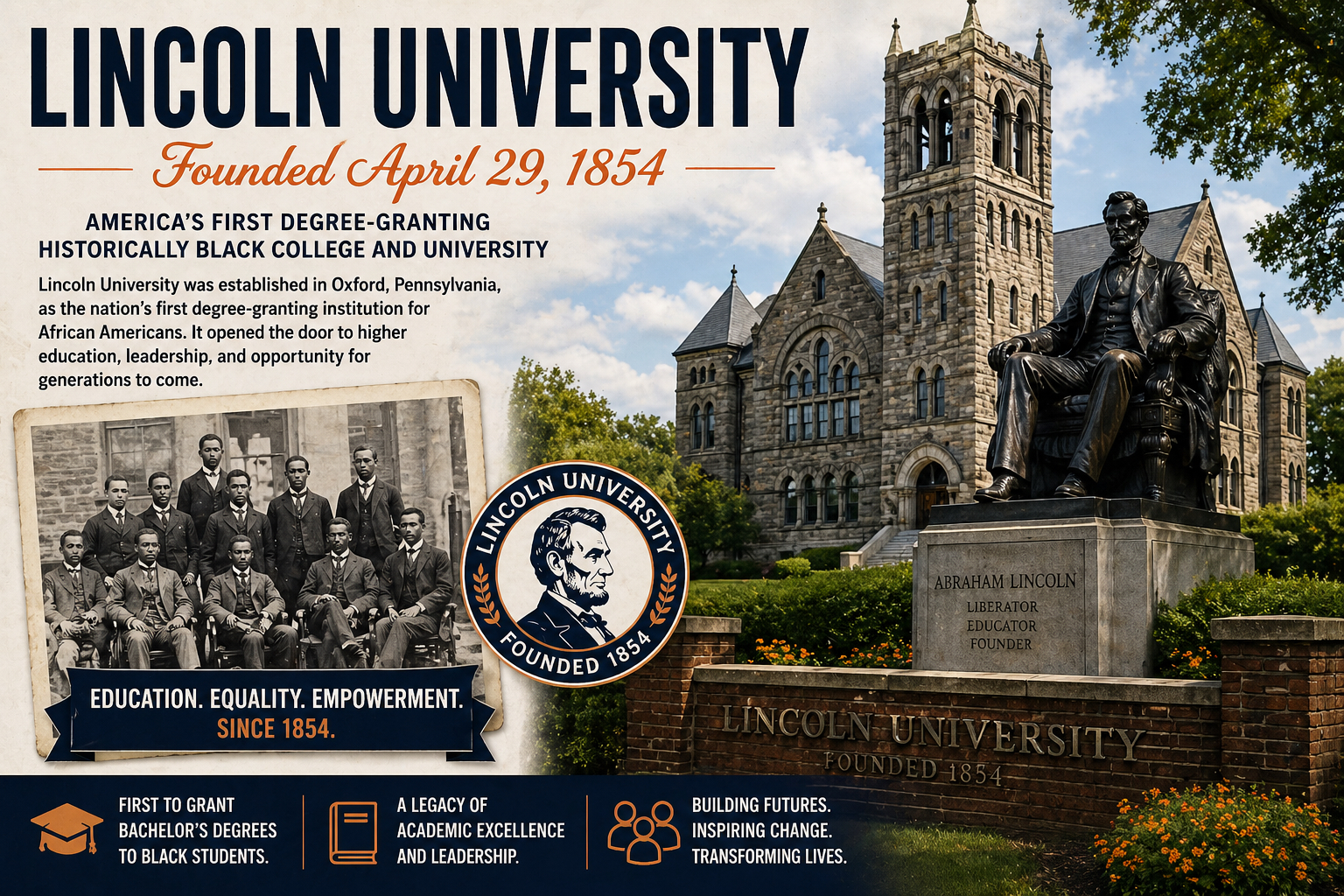
On April 29, 1854, Lincoln University received its charter from the Commonwealth of Pennsylvania. It was first established as Ashmun Institute, a school created for the higher education of young men of African descent at a time when access to college-level education was blocked or severely limited for many Black Americans. The school was founded through the efforts of Rev. John Miller Dickey and his wife, Sarah Emlen Cresson. Dickey had tried to help a young freedman named James Amos gain admission to college, but those doors were closed. Instead of accepting that barrier as final, he helped build a new institution. Ashmun Institute was named for Jehudi Ashmun, a religious leader connected to missionary and colonization work in Liberia. The school’s early mission focused on classical, scientific, and theological education. Its purpose was not small. It was created to prepare Black students for leadership, ministry, scholarship, and public service during a period when the nation still denied basic rights to millions of African-descended people. In 1866, after the Civil War, the school was renamed Lincoln University in honor of President Abraham Lincoln. Over time, it expanded its mission and became known as the nation’s first degree-granting Historically Black College and University. Lincoln’s influence reached far beyond Pennsylvania. During its first century, the university helped educate many Black physicians, lawyers, ministers, educators, judges, diplomats, and public leaders. Its alumni include Langston Hughes, Thurgood Marshall, Nnamdi Azikiwe, Kwame Nkrumah, and Gil Scott-Heron. Lincoln University’s 1854 charter was more than the founding of a school. It was a declaration that higher learning belonged to Black students too. In a country still divided by slavery, exclusion, and racial hierarchy, Lincoln helped open a door that generations would walk through. #BlackHistory #HBCUHistory #LincolnUniversity #EducationHistory #OnThisDay

LataraSpeaksTruth

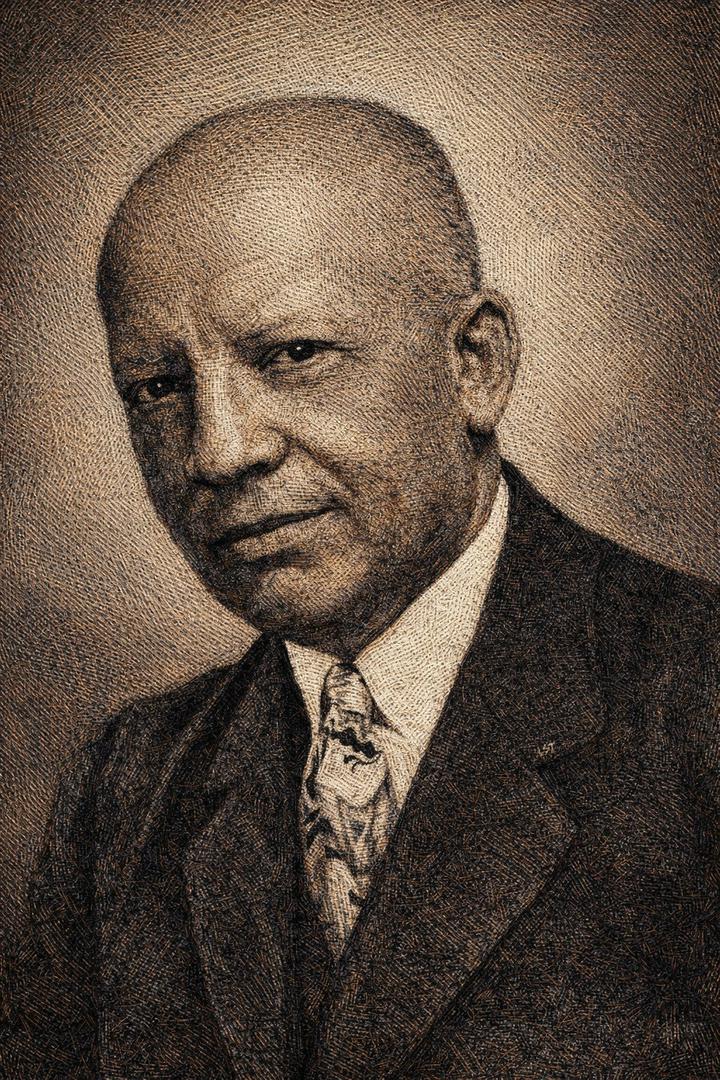
Carter Godwin Woodson was born on December 19, 1875, in New Canton, Virginia. Born to parents who had been enslaved, Woodson grew up in poverty and spent much of his early life working in coal mines to support himself and his family. Despite limited access to formal education during his childhood, he pursued learning relentlessly and completed high school in just two years once he was able to attend regularly. Woodson went on to earn degrees from Berea College and the University of Chicago before making history in 1912 as one of the first African Americans to receive a doctorate in history from Harvard University. At the time, he was also the only person whose parents had been enslaved to earn a PhD from the institution. His academic achievements, however, were only part of his lasting impact. As a historian, Woodson became increasingly concerned with how African American history was ignored, misrepresented, or entirely omitted from mainstream education. He believed that a society could not fully understand itself while excluding the experiences and contributions of an entire group of people. In response, he dedicated his career to research, writing, and institution building. In 1916, Woodson founded the Association for the Study of African American Life and History to promote scholarly research and public education. Ten years later, he established Negro History Week, choosing February to align with the birthdays of Frederick Douglass and Abraham Lincoln. This observance laid the groundwork for what later became Black History Month. Often referred to as the Father of Black History, Woodson spent his life challenging historical erasure and advocating for education rooted in truth. His work reshaped how history is studied and remembered in the United States, leaving a legacy that continues to influence classrooms, institutions, and public discourse today. #ThisDayInHistory #AmericanHistory #EducationHistory #HistoryMatters #Scholars #Legacy #December19

Mark_Brown_man

Honoring Booker T. Washington: A Legacy That Still Lifts Us Let us take a moment to honor the legacy of Booker T. Washington, a man whose life was all grit, vision, and quiet strength. When he passed on November 14th, 1915, the world did not iust lose an educator. It lost a builder. A man who carved out hope where the world tried to leave none As we look back, the Word gives us the perfect lens to see his life through Psalm 112:6 (CSB) says, "He will never be shaken; the riahteous one will be remembered forever." Washington lived that out. Steady, rooted and unbothered by storms that tried to pull him down. And here we are, still speakinc his name Proverbs 16:3 (CSB) tells us, "Commit your activities to the Lord, and your plans will be established." This man committed himself to lifting others through education, discipline, and opportunity. God established that work sc deeply that it still stands today Then we look at Galatians 6:9 (CSB) "Let us not get tired of doing good, for we will reap at the proper time if we do not give up. " That is the blueprint of Washington's entire life. Do not quit. Do not fold. Keep showing up. And the harvest came. Changed lives Opened doors. Generations rising higher. So today, as we reflect on his passing, we are reminded of this simple truth A life committed to God and poured out for others never disappears. It becomes legacy This is vour reflection for the day. Stay grounded, stay faithful, and keep building something that will outlive you.#BookerTWashington #Legacy #HistoryMatters #FaithReflection #ScriptureOfTheDay #Inspiration #EducationHistory #OnThisDay
LataraSpeaksTruth

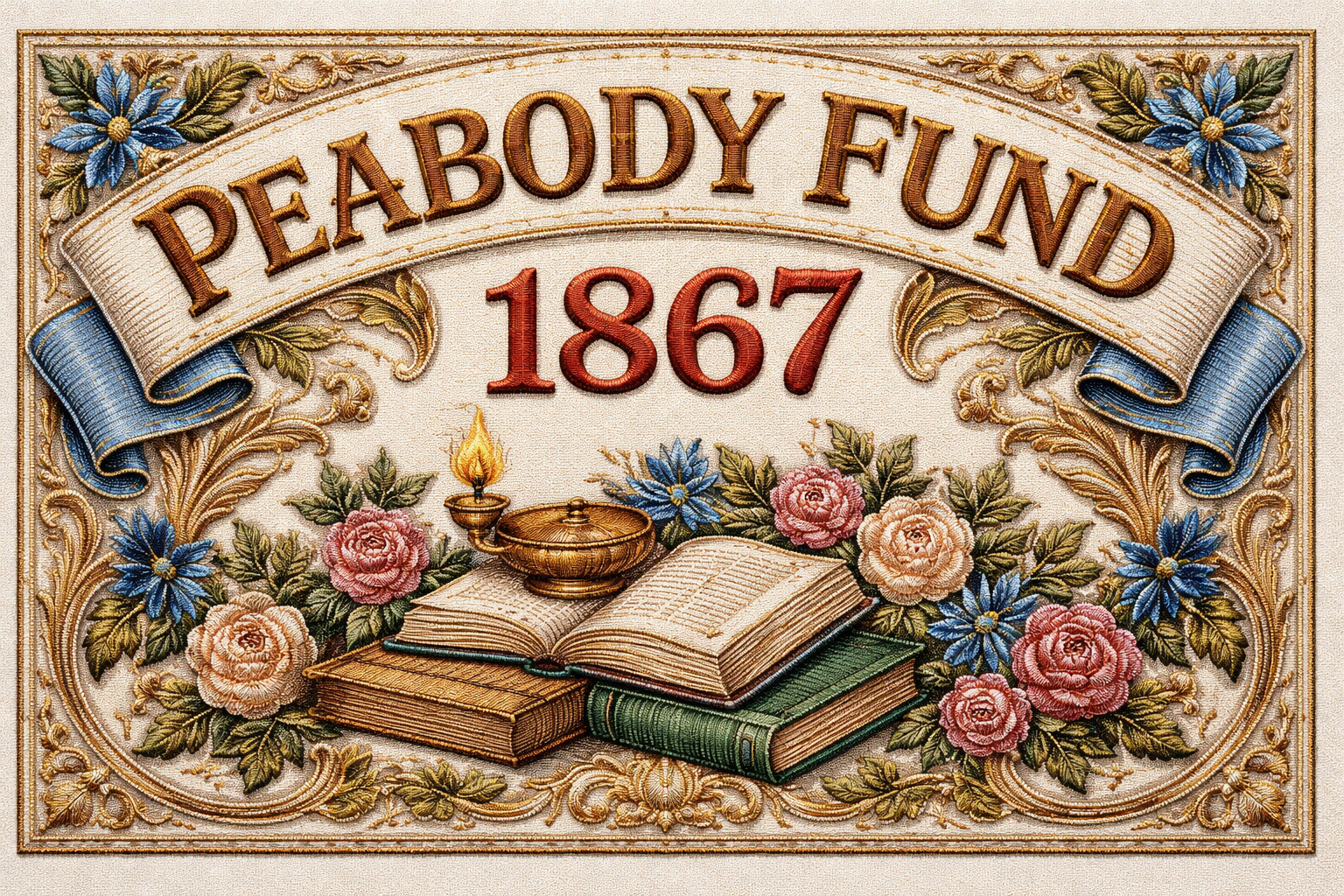
In 1867, the Peabody Education Fund was established during Reconstruction, a period when the South had almost no public school system and millions of formerly enslaved people were urgently seeking education. Created through a $2 million endowment by philanthropist George Peabody, the fund aimed to support public education across the former Confederate states. On paper, it was race neutral. In practice, its impact reflected the racial power structures of the time. Most Peabody funds were distributed through white-controlled state systems and institutions, meaning Black schools often benefited only indirectly or received fewer resources. Still, the fund helped establish teacher training programs, normal schools, and the foundations of public education in the South. That infrastructure mattered, even when access remained unequal. For Black communities, education did not wait on philanthropy. Schools were built in churches and homes, teachers were supported by donations, and families pushed forward despite resistance. The Peabody Fund did not create Black education, but it existed alongside a movement that made denying education increasingly difficult. The story of the Peabody Education Fund shows how progress often came through contradiction. Education expanded, but not equally. Access improved, but not freely. And yet, Black communities continued to press forward, proving that learning was never something simply granted…it was something pursued, protected, and demanded. #EducationHistory #ReconstructionEra #BlackHistory #AmericanHistory #HiddenHistory

LataraSpeaksTruth

In February 1956, Autherine Lucy became the first Black student to enroll at the University of Alabama. Her admission came only after a federal court ordered the school to accept her, not because the institution was ready to change. What followed exposed exactly how fragile that so-called order was. Almost immediately, hostile crowds formed on campus. White students and outsiders hurled insults, threats, and objects. Classes were disrupted. The environment became dangerous. Yet instead of stopping the violence or holding attackers accountable, university officials made a different choice. They suspended Lucy. The reason given was “for her own safety.” In reality, the school removed the person being targeted while allowing the chaos around her to continue. She had broken no rules. She had not provoked unrest. Her only offense was entering a space that was determined to remain unchanged. The suspension came within weeks of her arrival, followed by her eventual expulsion. The message was clear. Integration would be treated as the problem, not the resistance to it. That moment became a pattern repeated across the country. Progress was framed as disruption. Courage was labeled disorder. Institutions protected themselves first, even when the law demanded otherwise. Decades later, the University of Alabama quietly reversed course. Lucy’s expulsion was annulled. She was invited back. She later received an honorary doctorate. History moved forward, but not without first trying to erase her. Hurricane Lucy wasn’t destruction. It was pressure meeting truth. The storm wasn’t her presence. It was the reaction to it. #BlackHistory #OnThisDay #CivilRightsHistory #HiddenHistory #EducationHistory #HistoryMatters #WomenInHistory

LataraSpeaksTruth

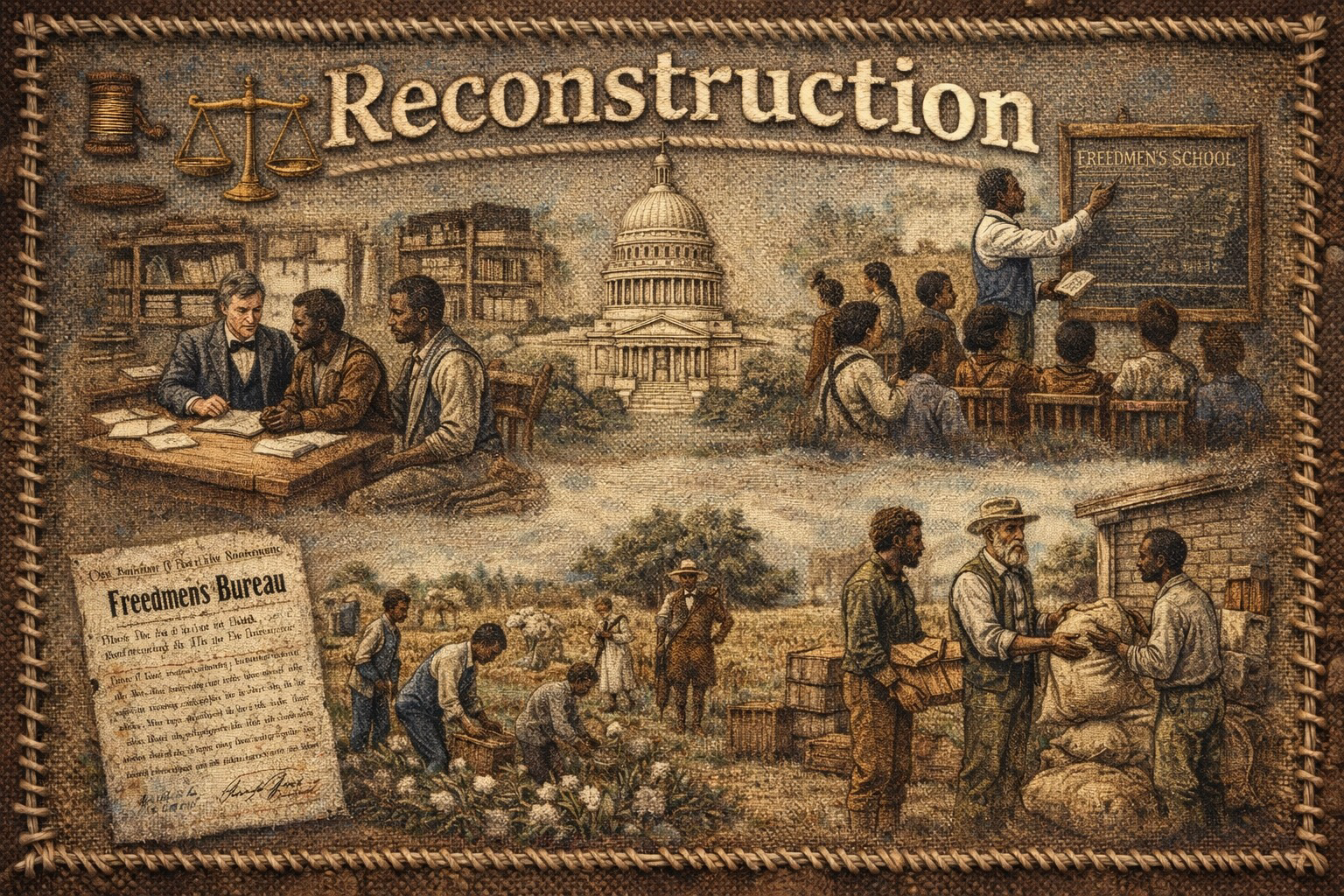
In late December 1865, as the Civil War formally faded into history, the realities of freedom were still being figured out in real time. During this period, including December 27, federal offices were actively organizing the early work of the Freedmen’s Bureau, an agency created to manage the transition from slavery to freedom for millions of newly emancipated Black Americans. Although the Bureau had been established earlier in the year, late December marked a critical phase of implementation. Agents were assigning teachers to newly formed schools, overseeing labor contracts between freed people and landowners, and distributing emergency food, clothing, and medical aid. These were not symbolic gestures. They were survival decisions that shaped daily life during Reconstruction. This work exposed the contradictions of the era. The Bureau was expected to protect freed people while also stabilizing Southern labor systems. Education expanded rapidly but faced violent resistance and chronic underfunding. Labor contracts offered oversight but often preserved unequal power dynamics. Each administrative choice carried long-term consequences. Reconstruction did not arrive as a finished promise. It emerged through paperwork, negotiations, and fragile systems built under pressure. Late December 1865 captures that reality clearly…freedom had been declared, but the structure to sustain it was still being assembled. #Reconstruction #FreedmensBureau #1865 #BlackHistory #AmericanHistory #PostCivilWar #EducationHistory #LaborHistory

LataraSpeaksTruth

December 13, 1967 marks one of those quiet moments in American history that reshaped higher education without ever getting a plaque. During the late 1960s protest wave, Black student organizations were formally recognized at several predominantly white universities, often in December after months of sustained campus pressure. These recognitions did not come from goodwill or sudden awareness. They followed walkouts, sit ins, building occupations, canceled classes, and students risking suspension or arrest to force institutions to acknowledge their presence and demands. What universities later labeled as “administrative recognition” was the result of organized resistance and strategic disruption. Black students understood that being admitted to a campus did not equal inclusion within it. Recognition of Black student organizations created formal pathways for advocacy, funding, and accountability, while also fueling demands for Black Studies programs, Black faculty hiring, culturally relevant curricula, and support systems that reflected students’ lived realities. Until this moment, most campuses taught history and social sciences through narrow frameworks that excluded or distorted Black experiences. The impact of these movements extended far beyond 1967, laying the groundwork for Black Studies departments nationwide and exposing a recurring truth in American institutions. Change is often framed as progress granted from above, when it is more often forced from below. December 13, 1967 reminds us that history also moves through students who refused silence and made institutions confront realities they preferred to ignore. #BlackHistory #BlackStudentMovement #BlackStudies #CampusProtests #StudentActivism #AmericanHistory #EducationHistory #HiddenHistory

LataraSpeaksTruth

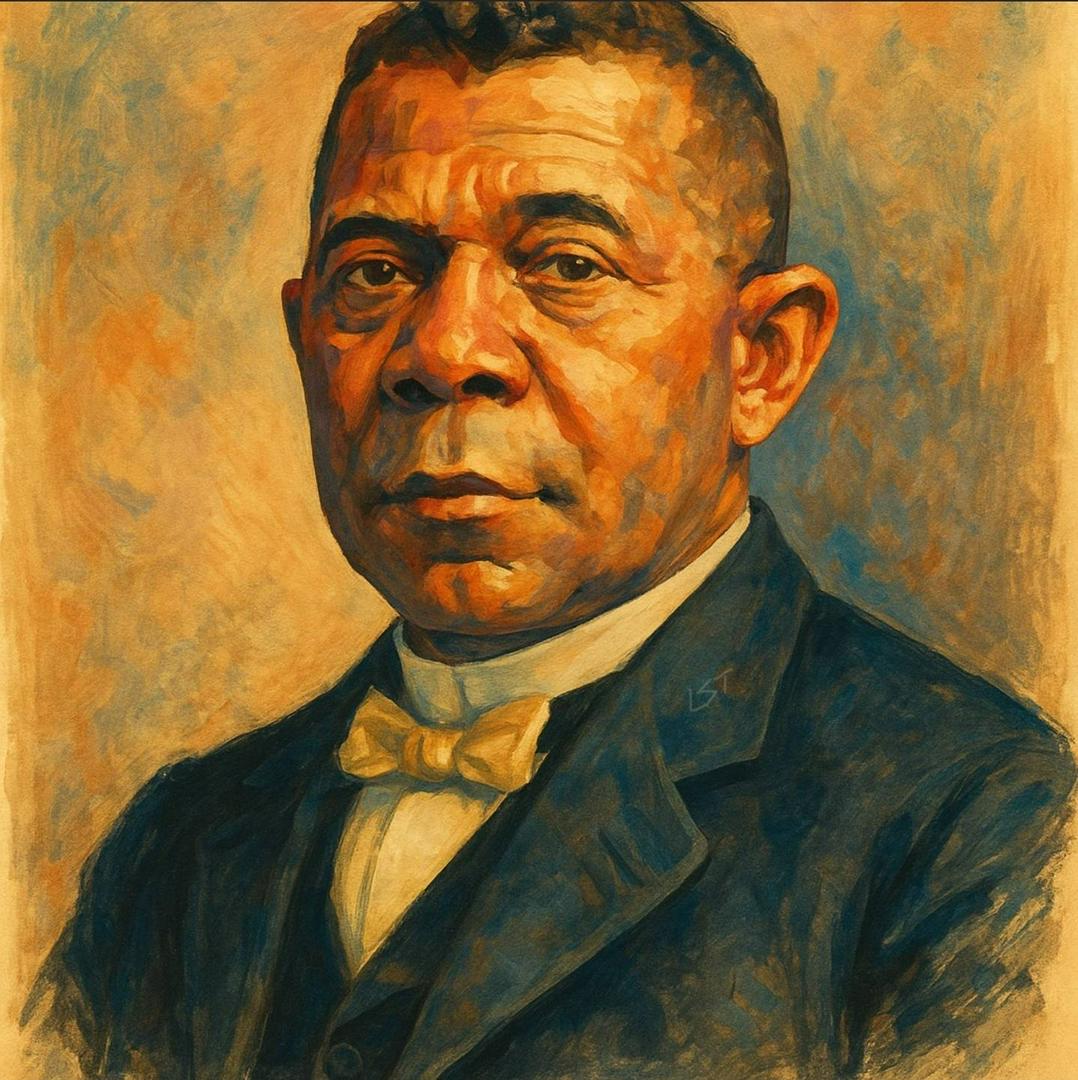
Honoring Booker T. Washington: A Legacy That Still Lifts Us

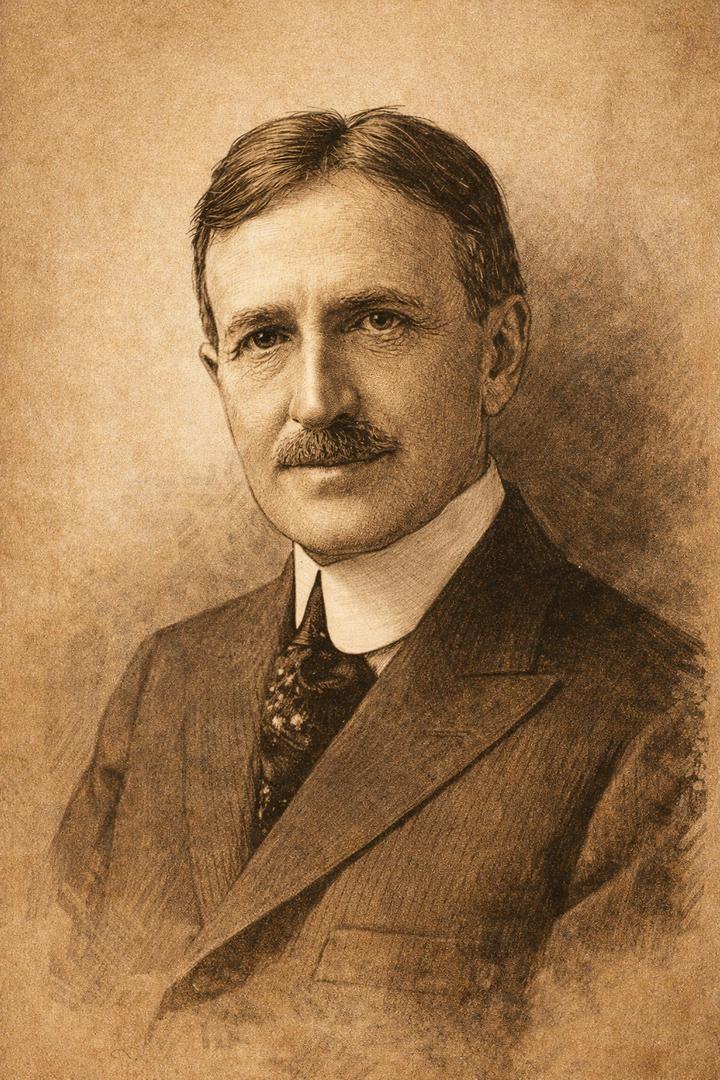
Let us take a moment to honor the legacy of Booker T. Washington, a man whose life was all grit, vision, and quiet strength. When he passed on November 14th, 1915, the world did not just lose an educator. It lost a builder. A man who carved out hope where the world tried to leave none. As we look back, the Word gives us the perfect lens to see his life through. Psalm 112:6 (CSB) says, “He will never be shaken; the righteous one will be remembered forever.” Washington lived that out. Steady, rooted, and unbothered by storms that tried to pull him down. And here we are, still speaking his name. Proverbs 16:3 (CSB) tells us, “Commit your activities to the Lord, and your plans will be established.” This man committed himself to lifting others through education, discipline, and opportunity. God established that work so deeply that it still stands today. Then we look at Galatians 6:9 (CSB). “Let us not get tired of doing good, for we will reap at the proper time if we do not give up.” That is the blueprint of Washington’s entire life. Do not quit. Do not fold. Keep showing up. And the harvest came. Changed lives. Opened doors. Generations rising higher. So today, as we reflect on his passing, we are reminded of this simple truth. A life committed to God and poured out for others never disappears. It becomes legacy. This is your reflection for the day. Stay grounded, stay faithful, and keep building something that will outlive you. #BookerTWashington #Legacy #HistoryMatters #FaithReflection #ScriptureOfTheDay #Inspiration #EducationHistory #OnThisDay
Honoring Booker T. Washington: A Legacy That Still Lifts Us