1/1

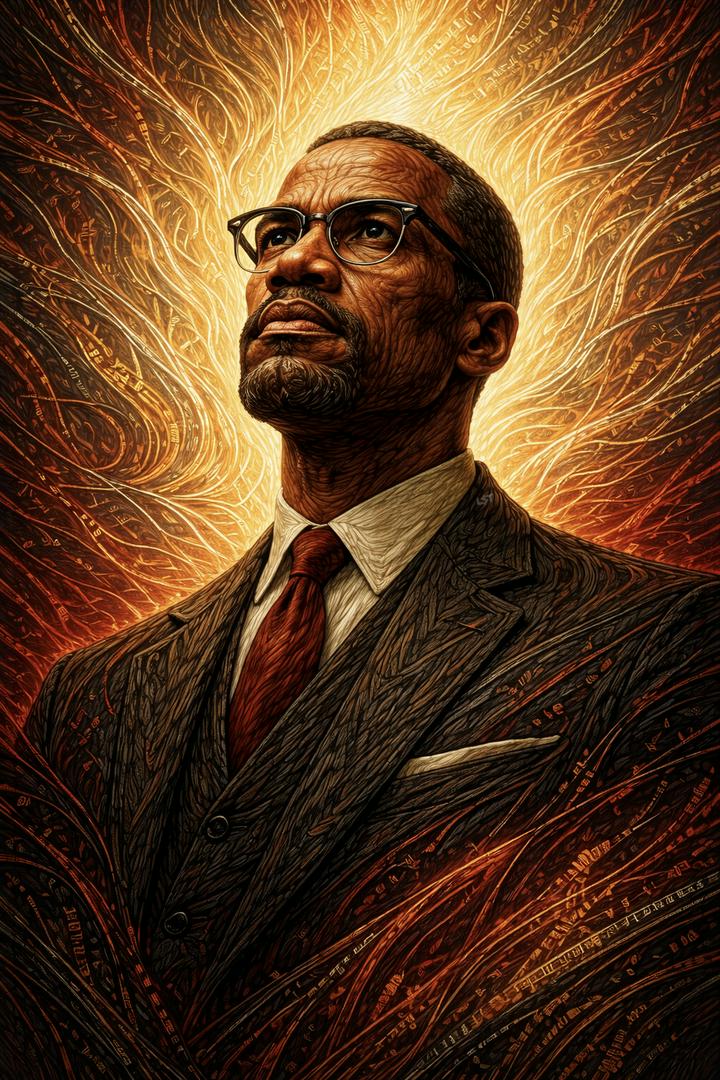
On March 8, 1964, Malcolm X publicly announced his break from the Nation of Islam, a decision that marked one of the most important turning points of his life and one of the sharpest pivots in modern Black political history. This was not a quiet separation. It was a public break with the organization that had helped shape his national image and amplify his voice, but it was also the beginning of a deeper transformation that would define his final year. By then, Malcolm had already become one of the most powerful and unforgettable voices in America. He spoke with discipline, force, and clarity. He challenged the country in a way few others dared to do, naming the violence, hypocrisy, and racial cruelty that many wanted softened or ignored. Through his work in the Nation of Islam, he helped inspire pride, structure, and self-definition for many Black people searching for language strong enough to confront what they had lived through. But Malcolm was evolving. He was questioning what he once defended. He was wrestling with betrayal, truth, and the limits of the path he had been on. His break from the Nation of Islam was not only political. It was personal, spiritual, and intellectual. It marked the opening of the last chapter of his life, a chapter shaped by deeper reflection and a broader vision. Later that same year, Malcolm traveled through Africa and the Middle East and made his pilgrimage to Mecca. Those experiences expanded his worldview and sharpened his understanding of the struggle before him. He began speaking not only about racism in the United States, but about human rights on a global scale. His language grew wider. His vision grew deeper. His commitment to truth never weakened. March 8 matters because it marks the moment Malcolm stepped away from what made him famous and moved toward what made him fuller. Some men remain where they are praised. Malcolm followed the truth, even when it cost him everything. #MalcolmX #BlackHistory #OnThisDay #March8
2026-03-08
Prophet Elijah
My Man
03-08
Little Rock, AR
Reply
6

Joe Rocket
LONG LIVE ✖️
03-09
Corpus Christi, TX
Reply
5

Denis Shillingford
Long live the spirit of Malcolm X
03-09
Detroit, MI
Reply
4

ordinary citizen
It cost his life!
03-10
Edwardsville, IL
Reply
3

Doug Walsh
Thank you. I appreciate your sharing.
03-10
Ballwin, MO
Reply
2

Gabe Mack
RIp Malcolm 🙏
03-09
Houston, TX
Reply
2

BV B
Malcolm traveled the road to truth and enlightenment. Malcolm is more revered now than when he was alive. The beauty of Malcolm is you do not have to be a Muslim, just a belief that God is in all of us,
03-10
Annapolis, MD
Reply
1
More comments ...
write a comment...