1/1
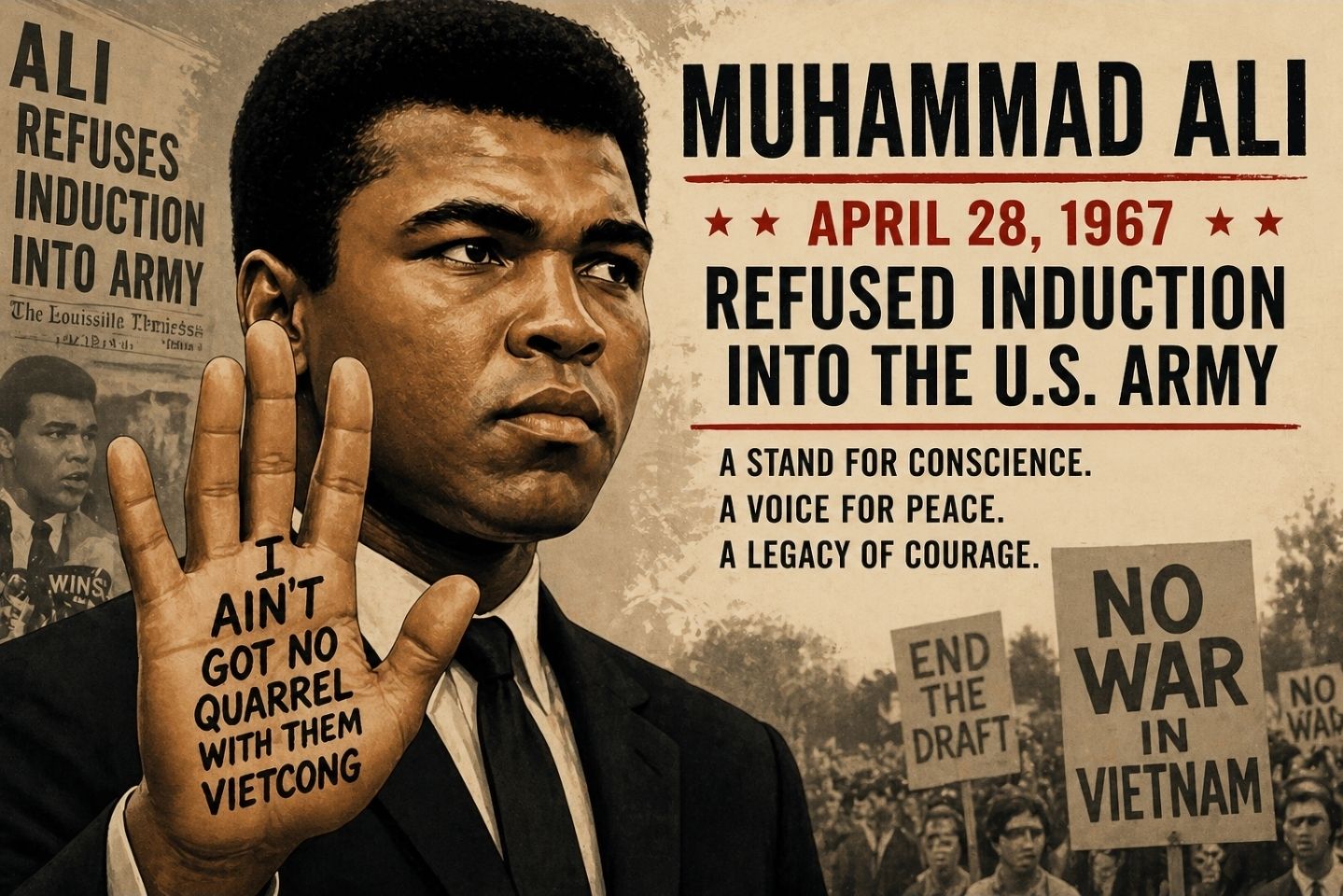
On April 28, 1967, Muhammad Ali stood in Houston and refused induction into the U.S Army during the Vietnam War. His reason was rooted in his Muslim faith and his belief that he was a conscientious obiector. He famously opposed fighting in a war abroad while Black Americans were still fighting for basic riahts at home. Ali was immediatelv stripped of his heavvweight title and boxing license. In June 1967. he was convicted of draft evasion, sentenced to five vears in prison fined $10,000, and banned from boxind during what should have been the peak vears of his career. He staved free while appealing the case, but he lost nearly four vears in the ring The public reaction was fierce. Many called him unpatriotic. Others saw him as brave principled, and ahead of his time. His stand connected sports to faith, conscience, race, politics, and the growing antiwar movement Ali did not iust risk money or fame. He risked his freedom In 1971, the U.S. Supreme Court unanimously overturned his conviction ir Clay v. United States. By then, Ali had become more than a boxing champion. He became a symbol of resistance, sacrifice and the riaht to follow one's conscience, even when the whole country tells you to sit down and be quiet Muhammad Ali's refusal remains one of the most powerful acts of protest in sports history. He lost his title, but he never lost his voice. #MuhammadAli #VietnamWar #SportsHistory #CivilRights #BlackHistory
Houston, Texas • 2026-04-28

*COWBOYFROMHELL*
Ah the National Guard has 💯been Deployed some of the biggest battles of the second world war was fought by the National Guard Ali was a draft dodger pure and simple.
04-29
Reply
2
Sanderson CCDW & More LLC
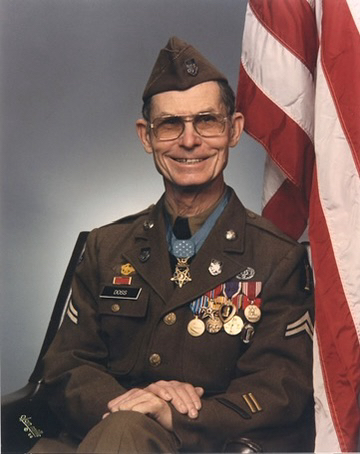
conscientious objector who receive the Medal of Honor. You can be against killing and war but still be for your fellow man.
04-30
Radcliff, KY
Reply
2

Janis Williamson
So many young men were in the middle of college, and/or marriage and/or promising careers. Some deliberately chose the National Guard, because historically they had never been deployed. Someone I know shot off a couple of toes on one foot. Others developed "ailments" like bone spurs, hearing problems, etc.
So many people did not agree as to why the US was involved in this war. And ultimately, the protests and their issues were proven valid.
04-29
Tallahassee, FL
Reply
1
More comments ...
write a comment...