Tag Page VietnamWar

#VietnamWar
LataraSpeaksTruth

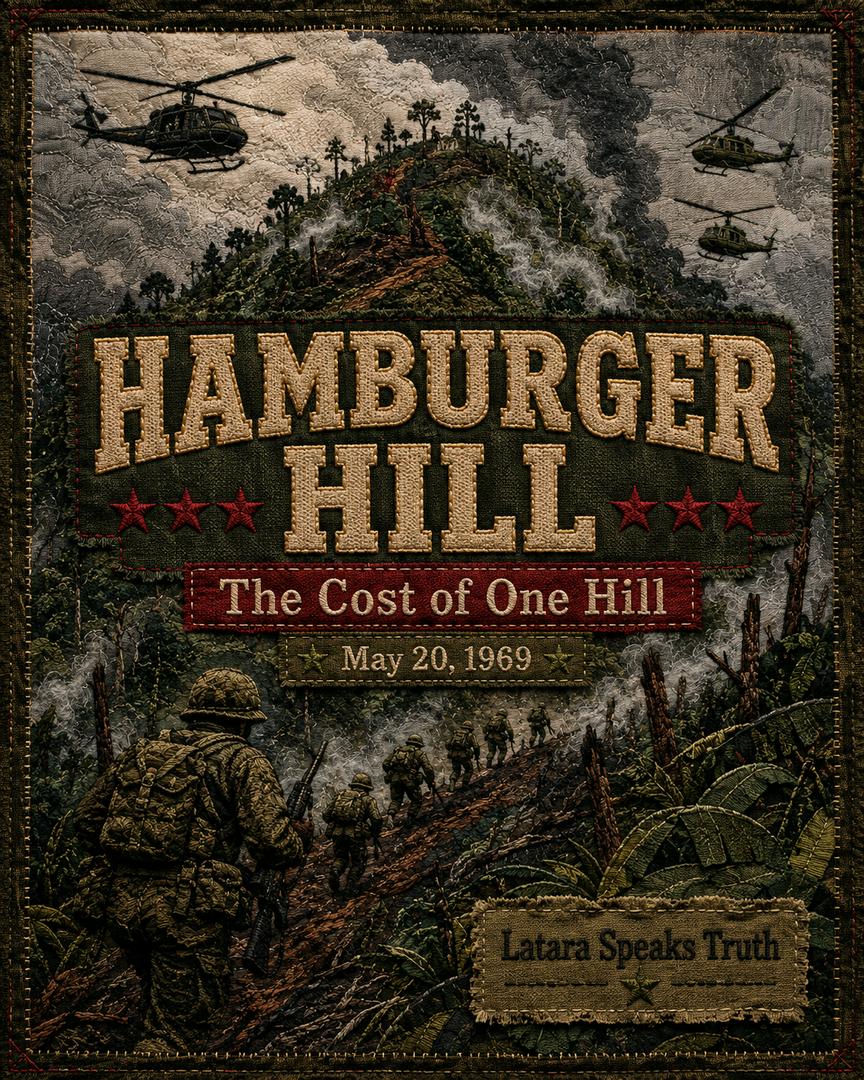
On May 20, 1969, one of the most controversial hill battles of the Vietnam War ended. The place was Hill 937 in the A Shau Valley of South Vietnam. American troops came to know it by a harsher name: Hamburger Hill. For days, U.S. and South Vietnamese forces fought North Vietnamese troops dug into the mountain. The terrain was steep. The jungle was thick. Rain, mud, bunkers, artillery, and close combat turned the hill into a nightmare. The nickname said what official language could not. Men were being chewed up. U.S. forces captured the hill, but the victory quickly became controversial. Soon after, American forces abandoned the position. That made people question the cost. What was the purpose of taking a hill if it was going to be left behind? Hamburger Hill became more than a battle. It became a symbol of how many Americans were beginning to see the war itself: bloody, costly, confusing, and hard to justify. There is also a deeper layer. Black soldiers served in Vietnam while the country they fought for was still fighting over equality at home. In the early years of the war, Black troops carried a disproportionate share of combat risk and fatal casualties. That does not mean every Vietnam battle should be turned into one simple racial story. But it does mean history should remember who was sent, who died, and what they came home to. Many Black veterans returned to a country that still denied them full respect. They wore the uniform. They risked their lives. And still, they had to fight to be seen as fully American. Hamburger Hill reminds us that war is not just strategy on a map. It is men climbing through mud and fire. It is families waiting for names. It is a country asking whether the price was worth it. And for Black soldiers in Vietnam, it was another chapter in a long American pattern: serving a nation that too often failed to serve them back. #HamburgerHill #VietnamWar #MilitaryHistory #BlackHistory #AmericanHistory

justme

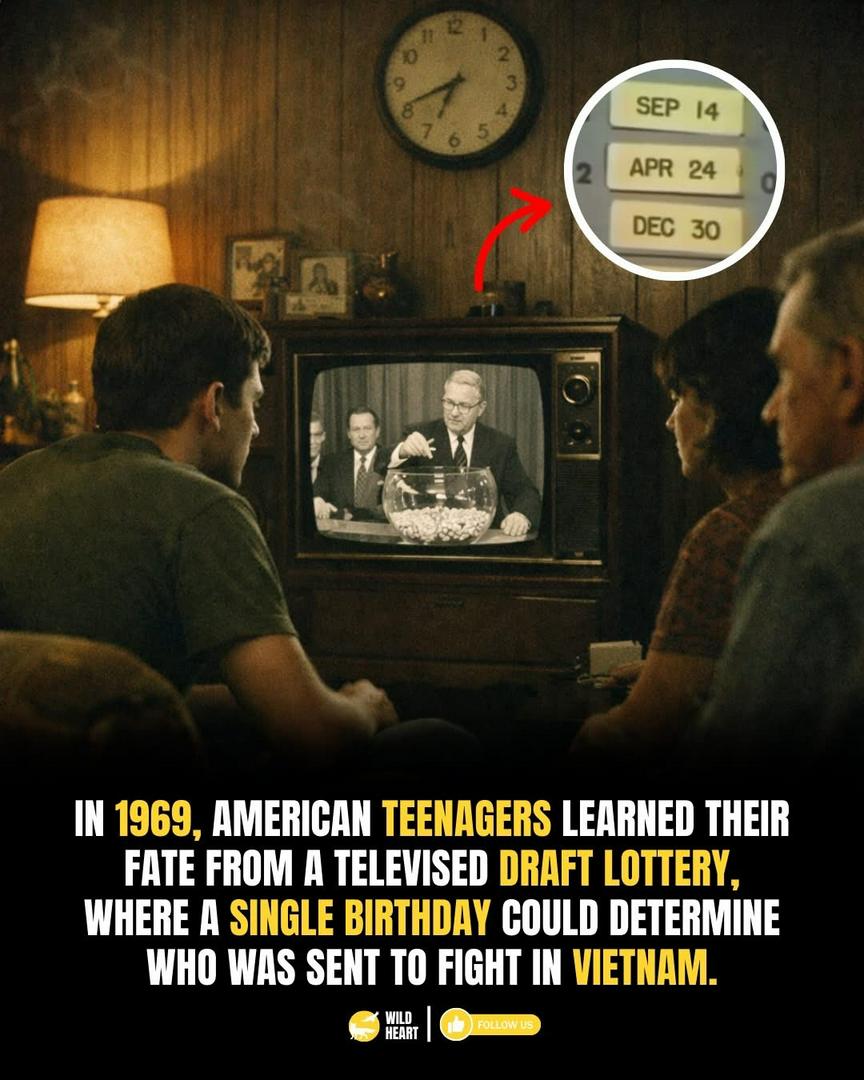
Imagine being nineteen years old and realizing your future depends on a birthday pulled from a container on live television. That wasn’t a metaphor. In December 1969, during the Vietnam War, the United States introduced a draft lottery that tied military service to birthdates, broadcast nationwide as a matter-of-fact civic procedure. The system was run by the Selective Service System, and it applied to young men between eighteen and twenty-six, many of whom were still figuring out who they were, let alone where they stood on war. The idea was supposed to make the draft fairer, replacing opaque local board decisions with random chance. Instead, it exposed how impersonal the process had become. An early number could mean induction within months. A late number could mean safety, at least for now. Same country, same age, wildly different outcomes decided in seconds. What’s easy to miss today is how ordinary the moment looked. No speeches, no warning, no drama added for effect. Just officials drawing slips of paper while families watched quietly from living rooms across the country. Relief and dread landed at the same time, often in the same household. That randomness became a breaking point. Protests intensified, trust in government eroded, and the draft itself became a symbol of inequality and distance between policy and people. By 1973, the draft ended, and the United States moved to an all-volunteer force. The lesson lingers. When a nation turns life-altering decisions into a lottery, the real cost isn’t just who goes to war, but how a generation learns to see power, fairness, and responsibility. #fblifestyle #history #vietnamwar #militarydraft #americanhistory

Rachel Marie

On April 28, 1967, Muhammad Ali stood in Houston and refused induction into the U.S Army during the Vietnam War. His reason was rooted in his Muslim faith and his belief that he was a conscientious obiector. He famously opposed fighting in a war abroad while Black Americans were still fighting for basic riahts at home. Ali was immediatelv stripped of his heavvweight title and boxing license. In June 1967. he was convicted of draft evasion, sentenced to five vears in prison fined $10,000, and banned from boxind during what should have been the peak vears of his career. He staved free while appealing the case, but he lost nearly four vears in the ring The public reaction was fierce. Many called him unpatriotic. Others saw him as brave principled, and ahead of his time. His stand connected sports to faith, conscience, race, politics, and the growing antiwar movement Ali did not iust risk money or fame. He risked his freedom In 1971, the U.S. Supreme Court unanimously overturned his conviction ir Clay v. United States. By then, Ali had become more than a boxing champion. He became a symbol of resistance, sacrifice and the riaht to follow one's conscience, even when the whole country tells you to sit down and be quiet Muhammad Ali's refusal remains one of the most powerful acts of protest in sports history. He lost his title, but he never lost his voice. #MuhammadAli #VietnamWar #SportsHistory #CivilRights #BlackHistory

LataraSpeaksTruth

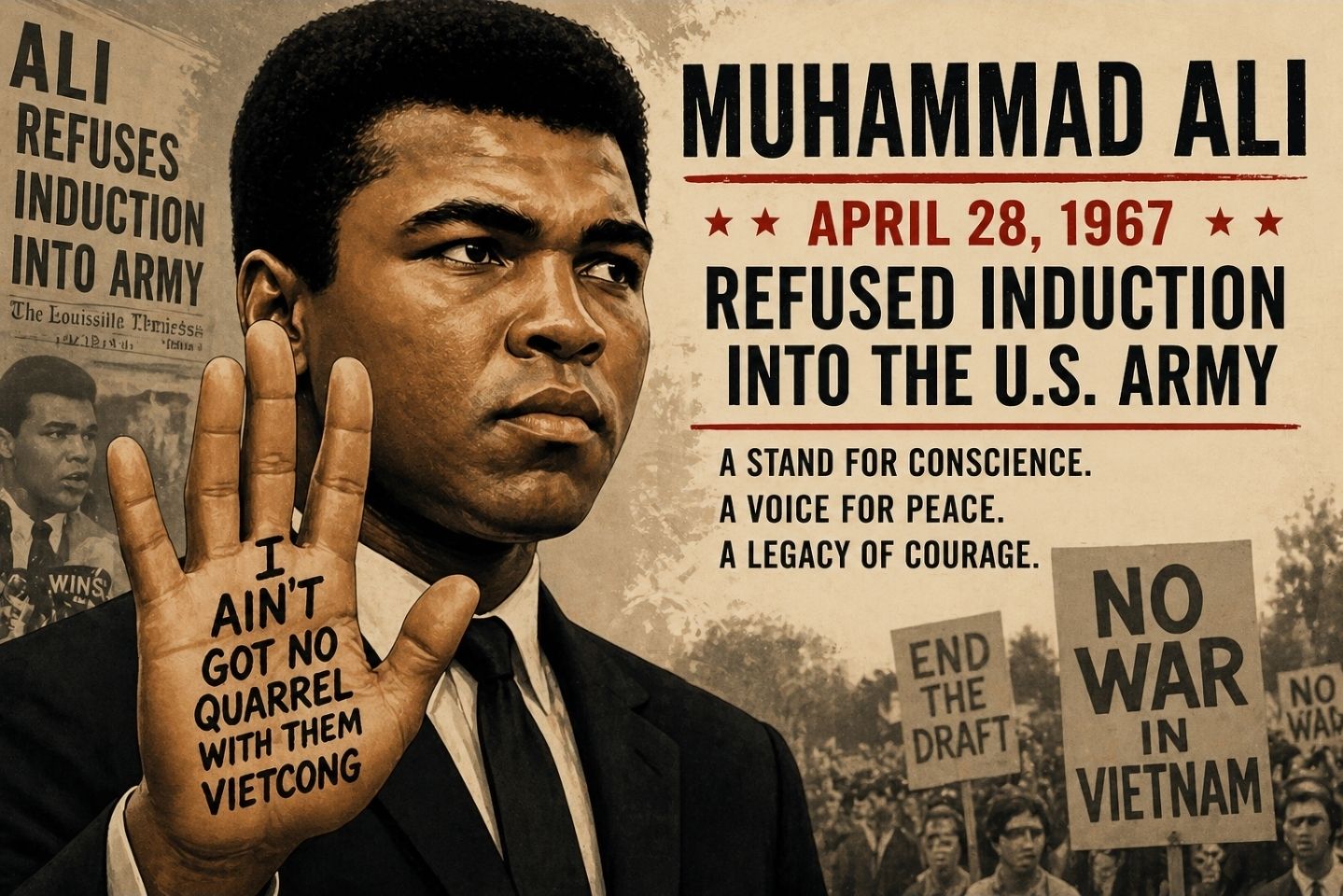
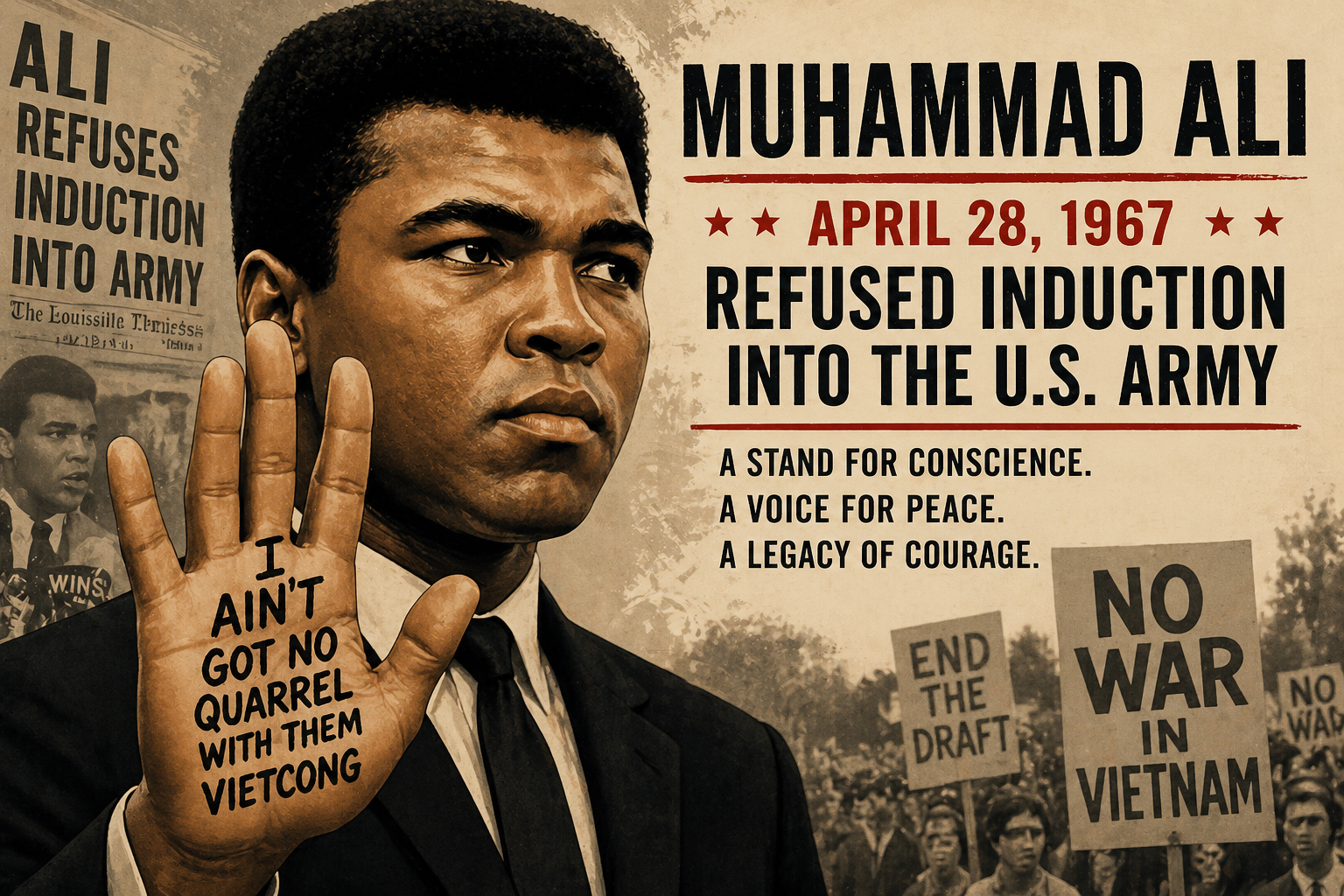
On April 28, 1967, Muhammad Ali stood in Houston and refused induction into the U.S. Army during the Vietnam War. His reason was rooted in his Muslim faith and his belief that he was a conscientious objector. He famously opposed fighting in a war abroad while Black Americans were still fighting for basic rights at home. Ali was immediately stripped of his heavyweight title and boxing license. In June 1967, he was convicted of draft evasion, sentenced to five years in prison, fined $10,000, and banned from boxing during what should have been the peak years of his career. He stayed free while appealing the case, but he lost nearly four years in the ring. The public reaction was fierce. Many called him unpatriotic. Others saw him as brave, principled, and ahead of his time. His stand connected sports to faith, conscience, race, politics, and the growing antiwar movement. Ali did not just risk money or fame. He risked his freedom. In 1971, the U.S. Supreme Court unanimously overturned his conviction in Clay v. United States. By then, Ali had become more than a boxing champion. He became a symbol of resistance, sacrifice, and the right to follow one’s conscience, even when the whole country tells you to sit down and be quiet. Muhammad Ali’s refusal remains one of the most powerful acts of protest in sports history. He lost his title, but he never lost his voice. #MuhammadAli #VietnamWar #SportsHistory #CivilRights #BlackHistory

You've reached the end!