1/1

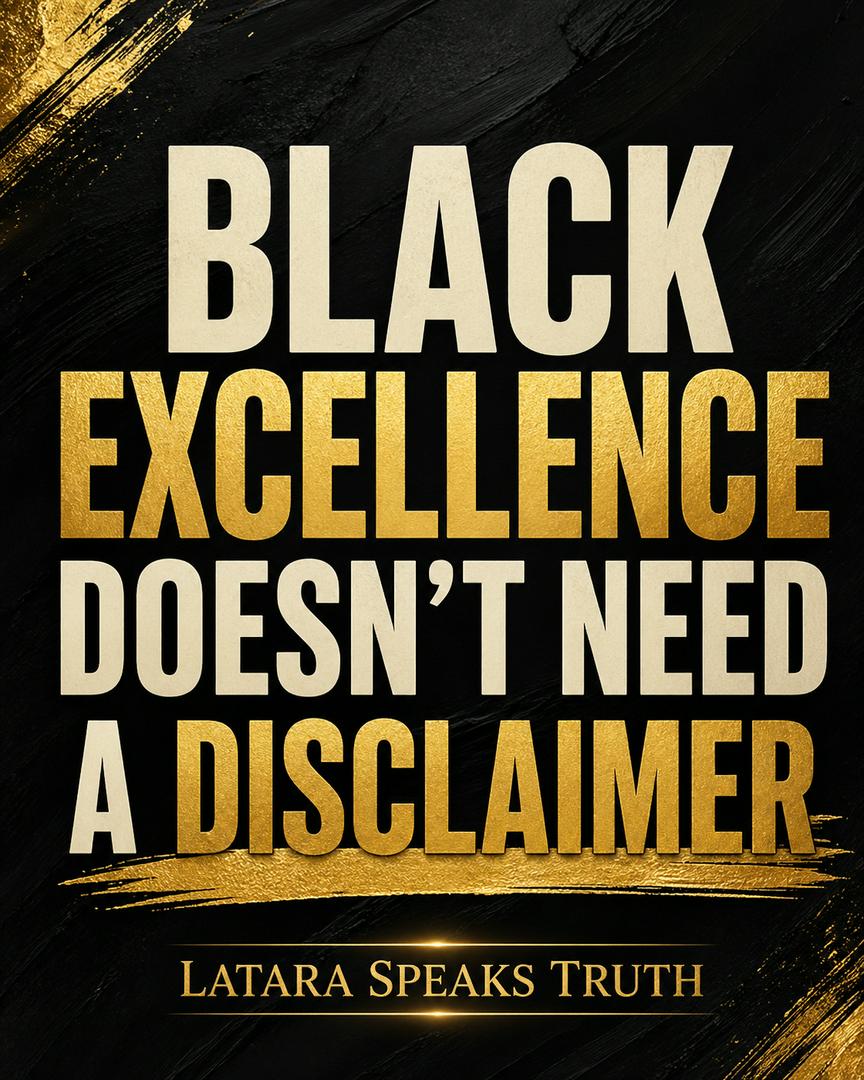
When I posted about Vice Admiral Samuel L. Gravely Jr., the story was about excellence, service, discipline, and legacy. Gravely was not just “good enough.” He became a historic figure in the United States Navy through proven ability, leadership, and endurance. His record did not need a political disclaimer attached to it. So when someone comes under a post about a Black trailblazer and says he did it “without DEI,” the question is simple: why did that need to be mentioned at all? That was not part of the story. Too often, when Black excellence is discussed, someone finds a way to drag DEI or affirmative action into the conversation, as if Black achievement has to be separated from assistance before it can be respected. The implication is always sitting there, that Black people must have been handed something, favored unfairly, or pushed ahead because of color instead of qualifications. That narrative is tired. It is also selective. Historically, white women have often been identified as major beneficiaries of affirmative action, especially in employment and workplace advancement. But somehow, DEI only becomes the favorite insult when Black achievement is being discussed. That is the part people avoid. Black people have been proving themselves in rooms they were not invited into, in systems that doubted them, blocked them, and still expected them to outperform just to be seen as qualified. Gravely’s story does not need to be used as a weapon against modern diversity efforts. His story already stands on its own. If the man was disciplined, say that. If he served with honor, say that. If he broke barriers, say that. But dragging DEI into a story where it was never the subject says more about the person mentioning it than the man being honored. Black excellence does not need a disclaimer. It never did. #BlackHistory #SamuelGravely #MilitaryHistory #BlackExcellence #LataraSpeaksTruth
2026-04-29

Michael Tovornik
Unfortunately we still live in a evil world that brings up things that doesn't correspond that was been written. sometimes you just have to let the haters be haters and don't let them get under your skin because they're not worth it You're peace in your joy are more valuable than you think. I never let anyone sell my peace enjoy They can say what they want and I still love them take care be positive and never stop.
30d
Kimbolton, OH
Reply
More comments ...
write a comment...