1/1
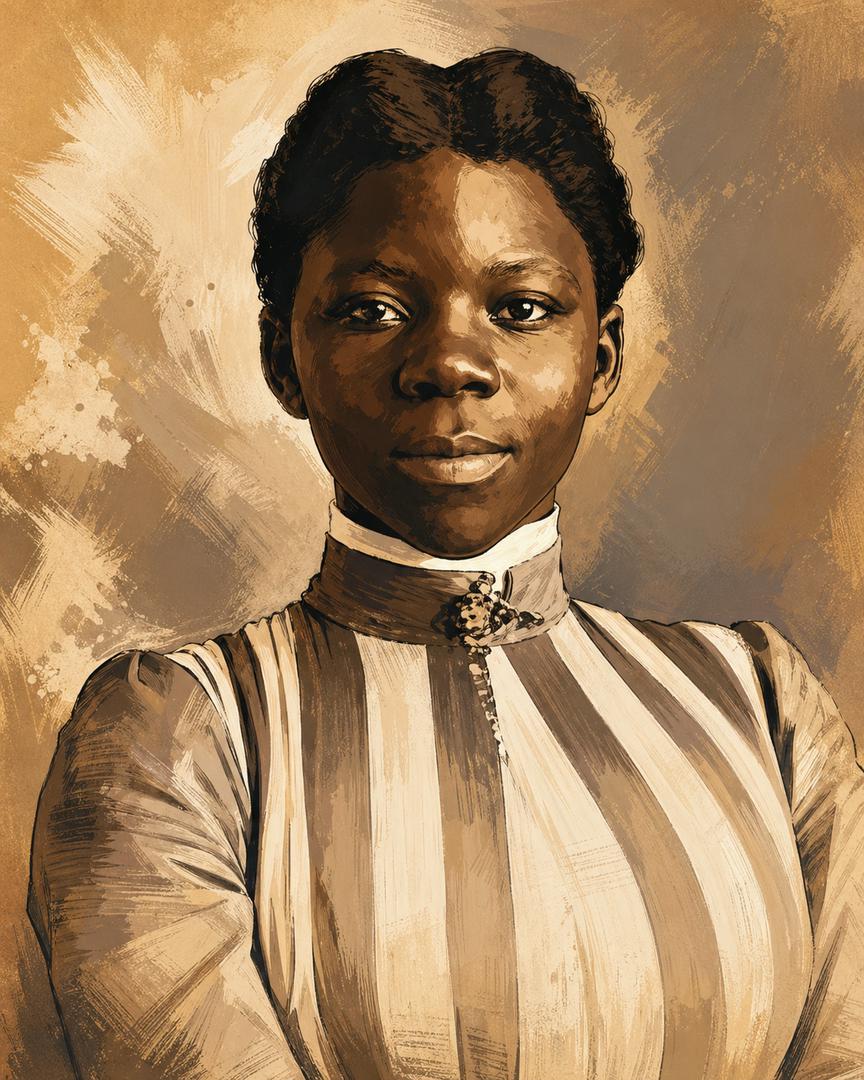
Judy W. Reed’s name does not appear in most school lessons, but it belongs in the conversation about American invention. In 1884, Reed received U.S. Patent No. 305,474 for a device called the “Dough Kneader and Roller.” The patent was granted on September 23, 1884, and listed her as Judy W. Reed of Washington, D.C. Her invention was designed to make kneading and rolling dough more efficient. The machine used rollers to work the dough evenly while keeping it covered during the process. That may sound simple today, but in the 1800s, food preparation was hard physical labor. Much of that work was done by hand. A machine that improved dough preparation mattered because it turned everyday kitchen labor into mechanical innovation. What makes Reed’s story even more powerful is how little of her life was preserved. She is identified in historical accounts as Judy Woodford Reed, a woman from Virginia who later lived in Washington, D.C. Census records suggest she worked as a seamstress and was born around 1826. Reed is often recognized as the first Black woman to receive a U.S. patent. Some sources use more cautious wording, calling her the first known or recorded Black woman patent holder because race was not consistently listed in patent records. That detail matters. History is not always missing because people did nothing. Sometimes it is missing because recordkeepers did not value their names enough to preserve the full story. Judy W. Reed did not become a household name, but her patent still stands as proof of her skill, intelligence, and place in invention history. Her story is not just about a dough kneader. It is about a woman creating, improving, and leaving her mark in a country that rarely made space for women like her to be remembered. #JudyWReed #BlackInventors #HiddenHistory #WomenInHistory #NewsBreakHistory
Washington, District Of Columbia • 27 days ago

Margaret Sitts
👏👏👏it’s a shame that people rarely get the recognition they deserve for their contributions and inventions to life better.
24d
Collinsville, IL
Reply
2

Mary Blevins
Beautiful, beautiful, beautiful and real👍🏼👍🏼👍🏼🌸🌸🌸🌸
24d
Mobile, AL
Reply
2

ANGELA
Outstanding 🙏🏼
24d
Columbus, OH
Reply
2

Shawndra A.H.
Gratitude for uplifting her name and contributions 💕
13d
Silver Spring, MD
Reply
More comments ...
write a comment...