Tag Page BlackInventors

#BlackInventors
LataraSpeaksTruth

Judy W. Reed’s name does not appear in most school lessons, but it belongs in the conversation about American invention. In 1884, Reed received U.S. Patent No. 305,474 for a device called the “Dough Kneader and Roller.” The patent was granted on September 23, 1884, and listed her as Judy W. Reed of Washington, D.C. Her invention was designed to make kneading and rolling dough more efficient. The machine used rollers to work the dough evenly while keeping it covered during the process. That may sound simple today, but in the 1800s, food preparation was hard physical labor. Much of that work was done by hand. A machine that improved dough preparation mattered because it turned everyday kitchen labor into mechanical innovation. What makes Reed’s story even more powerful is how little of her life was preserved. She is identified in historical accounts as Judy Woodford Reed, a woman from Virginia who later lived in Washington, D.C. Census records suggest she worked as a seamstress and was born around 1826. Reed is often recognized as the first Black woman to receive a U.S. patent. Some sources use more cautious wording, calling her the first known or recorded Black woman patent holder because race was not consistently listed in patent records. That detail matters. History is not always missing because people did nothing. Sometimes it is missing because recordkeepers did not value their names enough to preserve the full story. Judy W. Reed did not become a household name, but her patent still stands as proof of her skill, intelligence, and place in invention history. Her story is not just about a dough kneader. It is about a woman creating, improving, and leaving her mark in a country that rarely made space for women like her to be remembered. #JudyWReed #BlackInventors #HiddenHistory #WomenInHistory #NewsBreakHistory

LataraSpeaksTruth

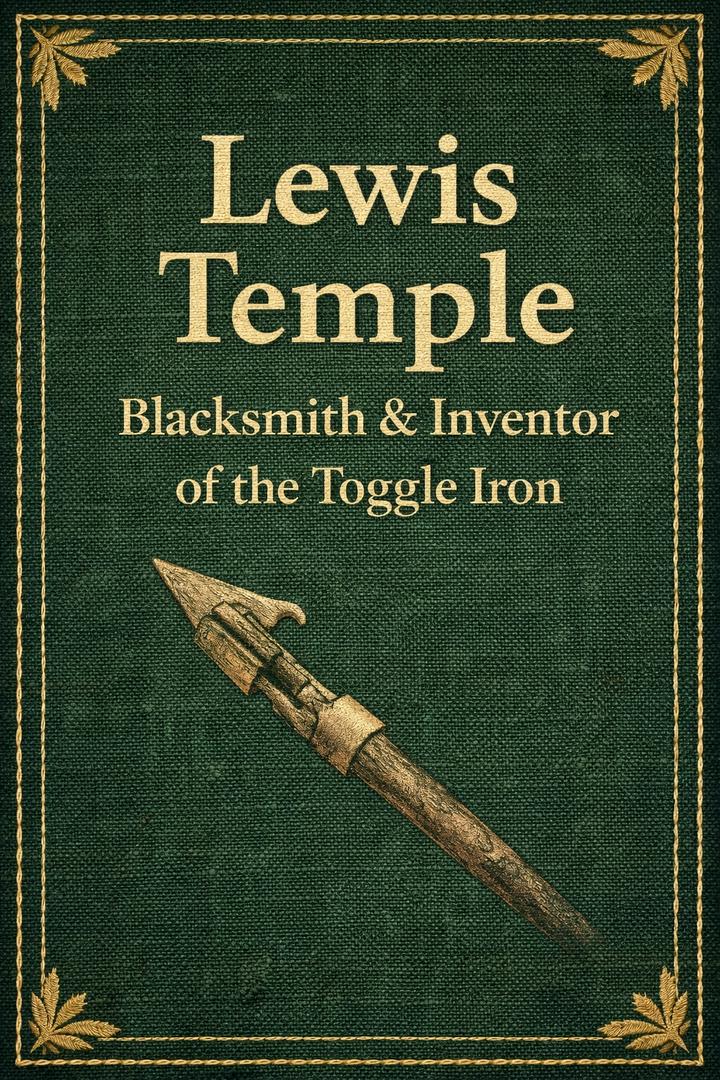
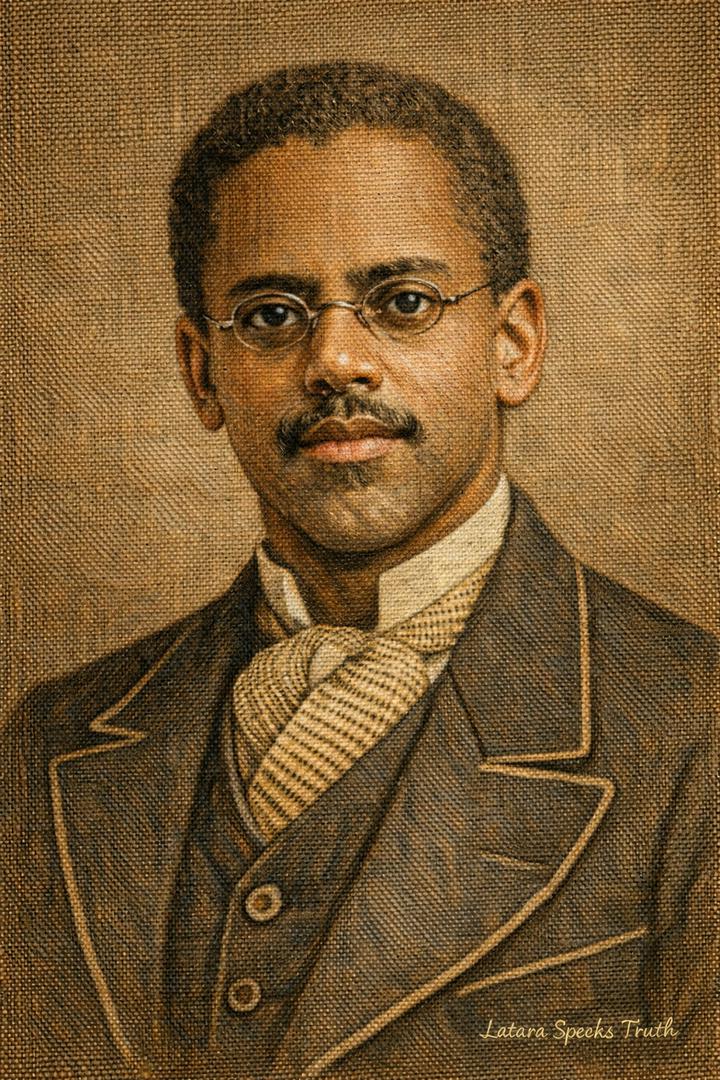
Lewis Temple’s story is not just about invention. It is about how skill, observation, and lived experience can shape an industry, even when the person behind the breakthrough does not receive the full credit he deserves. Born around 1800 in Richmond, Virginia, Lewis Temple later built his life in New Bedford, Massachusetts, where he worked as a blacksmith. By the 1830s, he had established himself along the waterfront, making iron tools and fittings used in the whaling trade. In a city tied closely to the sea, Temple understood the demands of the work and the problems whalers faced. He became best known for improving the whaling harpoon with a design called the toggle iron. Unlike earlier harpoons, Temple’s version was far more effective at staying lodged after striking a whale. That improvement made voyages more successful and more profitable at a time when whaling was a major part of the American economy. But Lewis Temple was more than a man who made a better tool. He was a Black craftsman and inventor whose work reflected precision, intelligence, and practical engineering. He studied the problem, understood the labor, and created a solution with lasting impact. Innovation like that does not happen by accident. It comes from deep knowledge and skill. Temple never patented his invention, so others copied the design and benefited from it financially. Even so, his name remains tied to one of the most important technological improvements in the history of whaling. Lewis Temple deserves to be remembered not as a footnote, but as part of a larger truth. Black history is not only a story of endurance. It is also a story of innovation, engineering, and vision. Black minds helped improve this country and move it forward. That is not a side note in history. That is history. #LewisTemple #BlackHistory #AmericanHistory #HiddenHistory #BlackInventors #Innovation #NewBedford #UntoldStories #HistoricalTruth
LataraSpeaksTruth

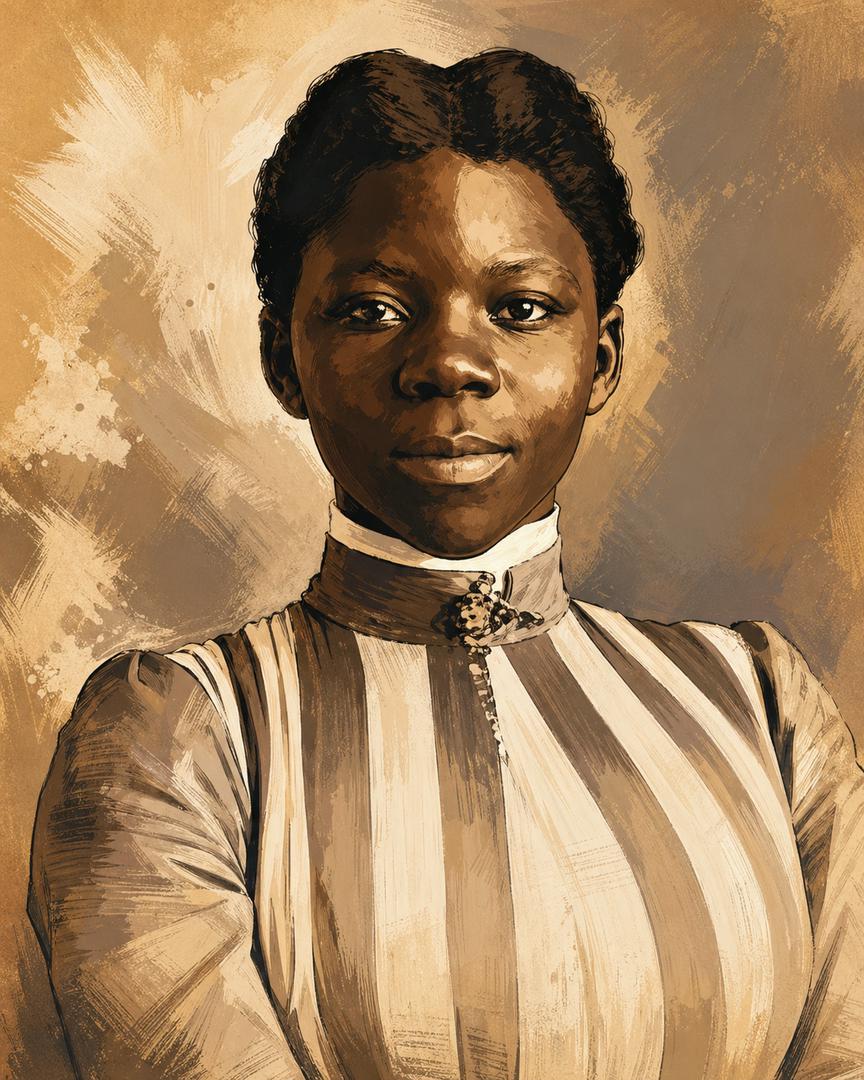
Benjamin Boardley…not Bradley…was born enslaved in Anne Arundel County Maryland around 1830, and his story is one of those “how did we not learn this in school” moments. The “Bradley” spelling spread because of an old print mistake, and it stuck so hard that people still repeat it today…so yeah, saying his real name matters. As a teenager, Boardley showed serious mechanical genius. Accounts describe him building a working steam engine using scrap materials, including parts like a gun barrel, metal pieces, and whatever he could get his hands on. While still enslaved, he was connected to work around the U.S. Naval Academy in Annapolis, where his skill didn’t just impress people…it forced them to admit what they were looking at. Talent. Precision. Engineering mind. Here’s the part that hits the hardest. He couldn’t legally patent what he built because he was enslaved…yet he could still create something valuable enough to sell. He earned money from his work, received support from others who believed in what he could do, and used that combined funding to purchase his freedom. His manumission was recorded on September 30, 1859…a receipt of freedom bought with invention. Not luck…not charity…work. Igbo Landing shows refusal in the water. Benjamin Boardley shows refusal in iron and fire. Different kind of resistance…same message. You don’t get to decide what we are capable of. #BenjaminBoardley #BlackInventors #HiddenHistory #AmericanHistory #MarylandHistory #NavalAcademy #BlackExcellence #UntoldStories #HistoryMatters #STEMHistory

You've reached the end!