1/2
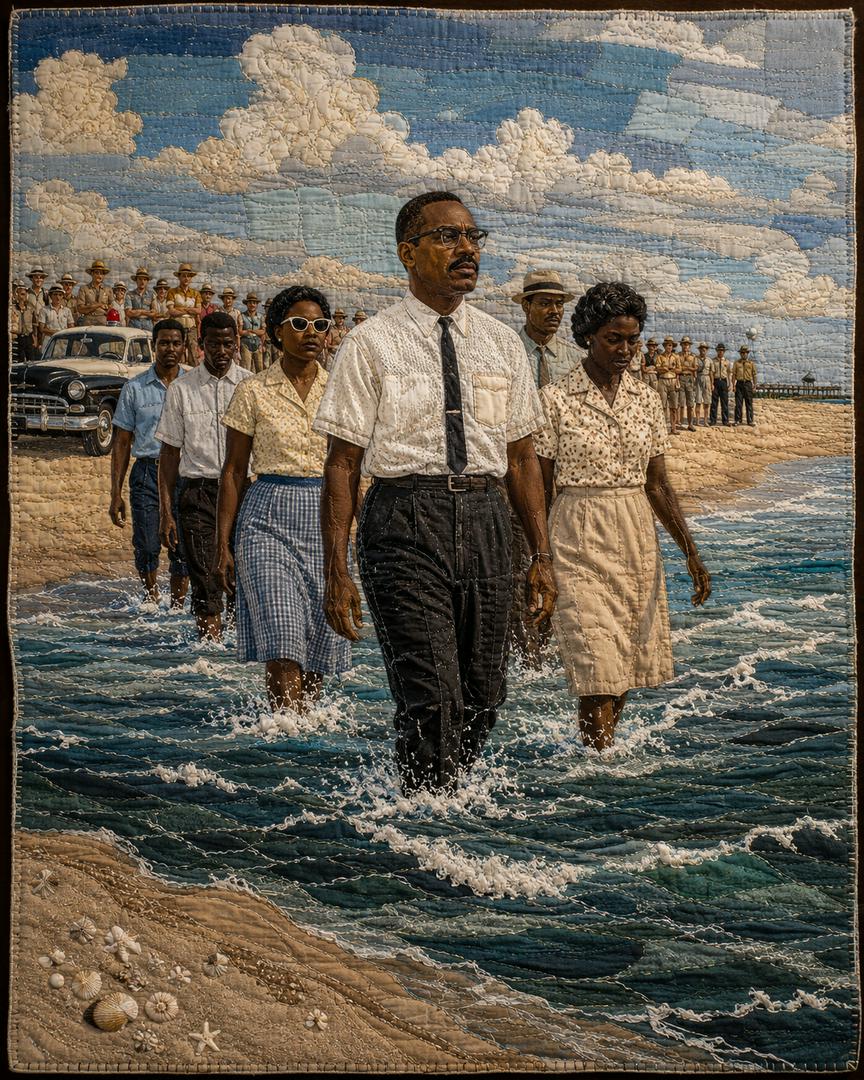
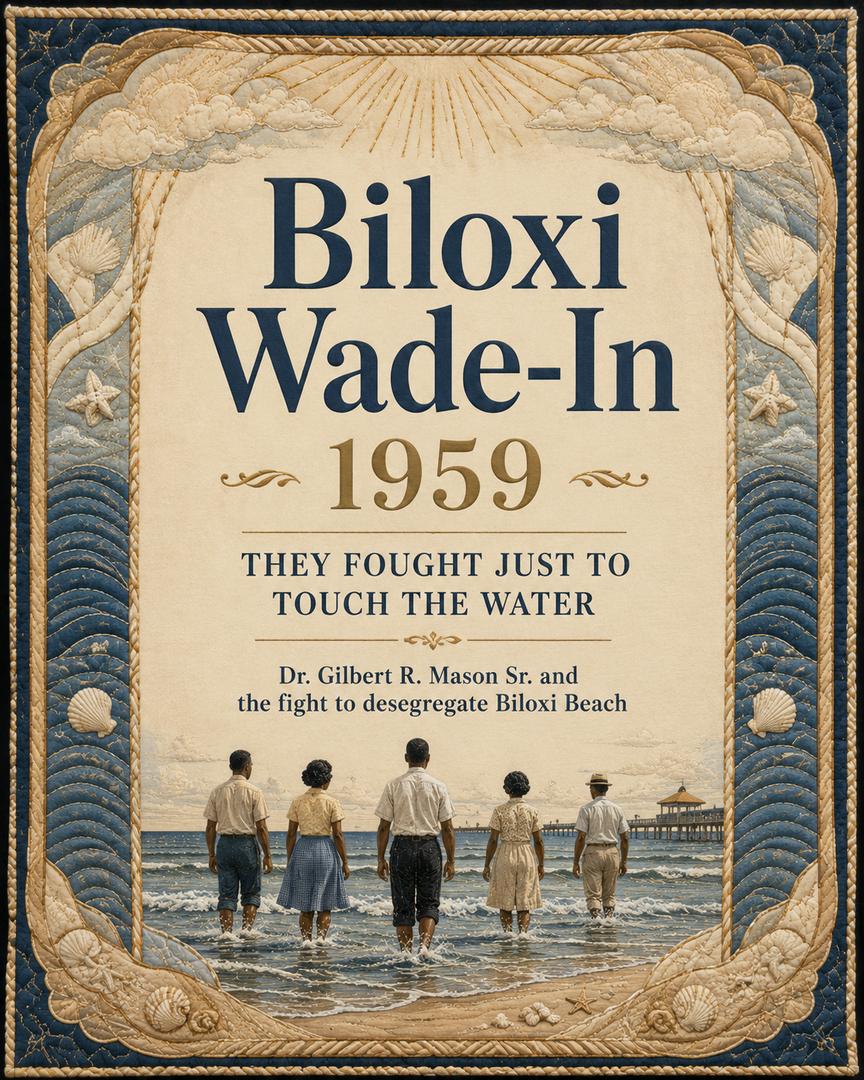
On May 14, 1959, Dr. Gilbert R. Mason Sr., a Black physician in Biloxi, Mississippi, walked onto Biloxi Beach with a small group that included Black residents and children. Then they stepped into the Gulf of Mexico. That simple act was treated like defiance. They were not carrying weapons. They were not destroying property. They were not asking for luxury. They were challenging a system that told Black people they could not enjoy a public beach, sit freely on the sand, or touch the same water as white residents. That is what segregation looked like in everyday life. It was not only about schools, restaurants, buses, or voting booths. It reached all the way to the shoreline. Dr. Mason knew Biloxi Beach was public. It had been supported by public money, yet Black residents were denied access. So the first Biloxi wade-in became a quiet but powerful act of resistance. The message was clear: public beaches should be public for everyone. But the fight did not end that day. The wade-ins continued, and resistance turned violent. On April 24, 1960, more than 100 Black residents came to the beach for another wade-in and were met by white mobs. People were attacked for standing on sand and stepping into water connected to a beach their own tax dollars helped maintain. That is the part that should never be softened. They had to fight just to touch the water. Dr. Mason and others kept pushing through protest, legal action, intimidation, and public pressure. Their courage helped expose how deeply segregation controlled ordinary life in Mississippi. It was not only about where Black people could sit, eat, vote, or learn. It was also about whether they could take their children to the beach and exist in peace. Today, the Biloxi wade-ins remain an overlooked civil rights story. They remind us that freedom was not only fought for in courtrooms, churches, buses, and lunch counters. #BlackHistory #BiloxiWadeIn #MississippiHistory #CivilRightsHistory #LataraSpeaksTruth
Biloxi, Mississippi • 18 days ago

REAL TRUE STORIES
wow really touching 😢
16d
Gulfport, MS
Reply
2

HMilli
The more things change the more they remain the same.
15d
Houston, TX
Reply
More comments ...
write a comment...