Tag Page MississippiHistory

#MississippiHistory
LataraSpeaksTruth

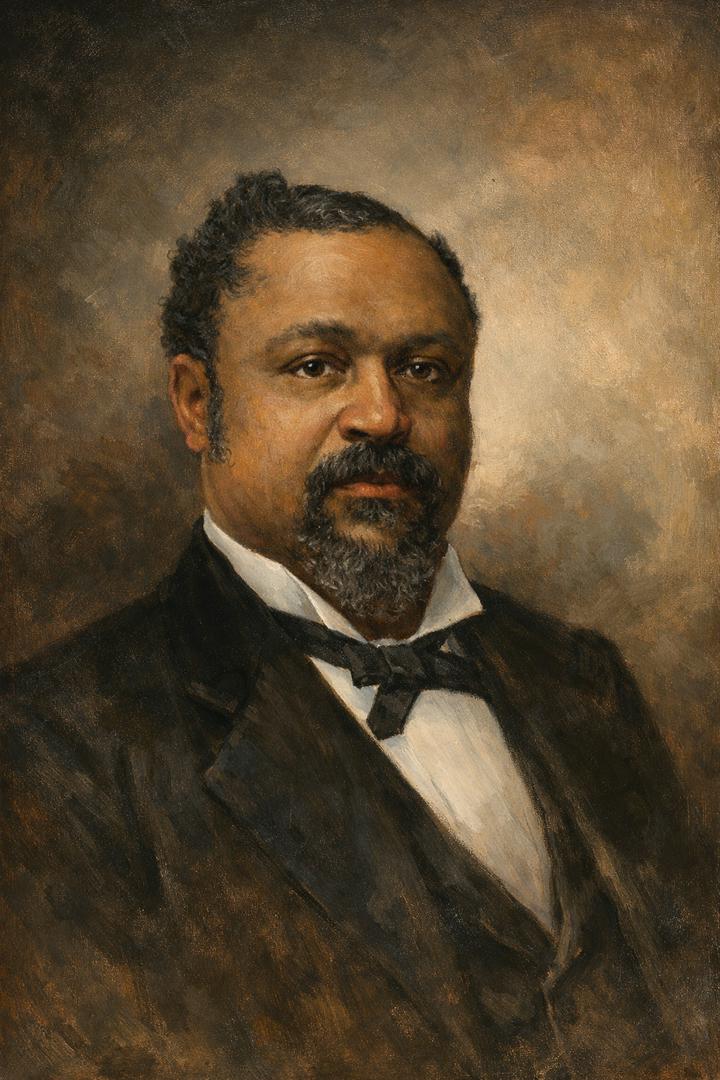
Blanche Kelso Bruce was born enslaved on March 1, 1841, near Farmville in Prince Edward County, Virginia. As a child, he received an education that was rare for someone held in bondage, and he carried that learning like a tool he refused to put down. When the Civil War began, Bruce left slavery and made his way west to Kansas. After that, he worked as a teacher in Hannibal, Missouri, helping educate newly freed Black children during the turbulent first years after emancipation. In 1868 he moved to Mississippi during Reconstruction and built a life in public service. He served on the Mississippi Levee Board, then held county office in Bolivar County as sheriff and later as tax collector from 1872 to 1875. In February 1874, Mississippi’s state legislature elected him to the United States Senate. He served from March 4, 1875, to March 3, 1881. Bruce was the second African American to serve in the U.S. Senate, and the first to complete a full six year term. In 1879 he became the first African American to preside over the Senate, a moment that carried weight far beyond the chamber. After his Senate service, Bruce continued in federal roles. In 1881 President James A. Garfield appointed him Register of the Treasury. He later served as Recorder of Deeds for Washington, D.C., and returned again as Register of the Treasury in 1897. Bruce died in Washington, D.C., on March 17, 1898, and was buried at Woodlawn Cemetery. Sources used for verification include the U.S. Senate’s biography of Bruce and the Biographical Directory of the United States Congress. #BlancheKelsoBruce #USSenate #ReconstructionEra #MississippiHistory #VirginiaHistory #AmericanHistory #BlackHistory #CivilWarEra #PoliticalHistory #HistoryMatters

LataraSpeaksTruth

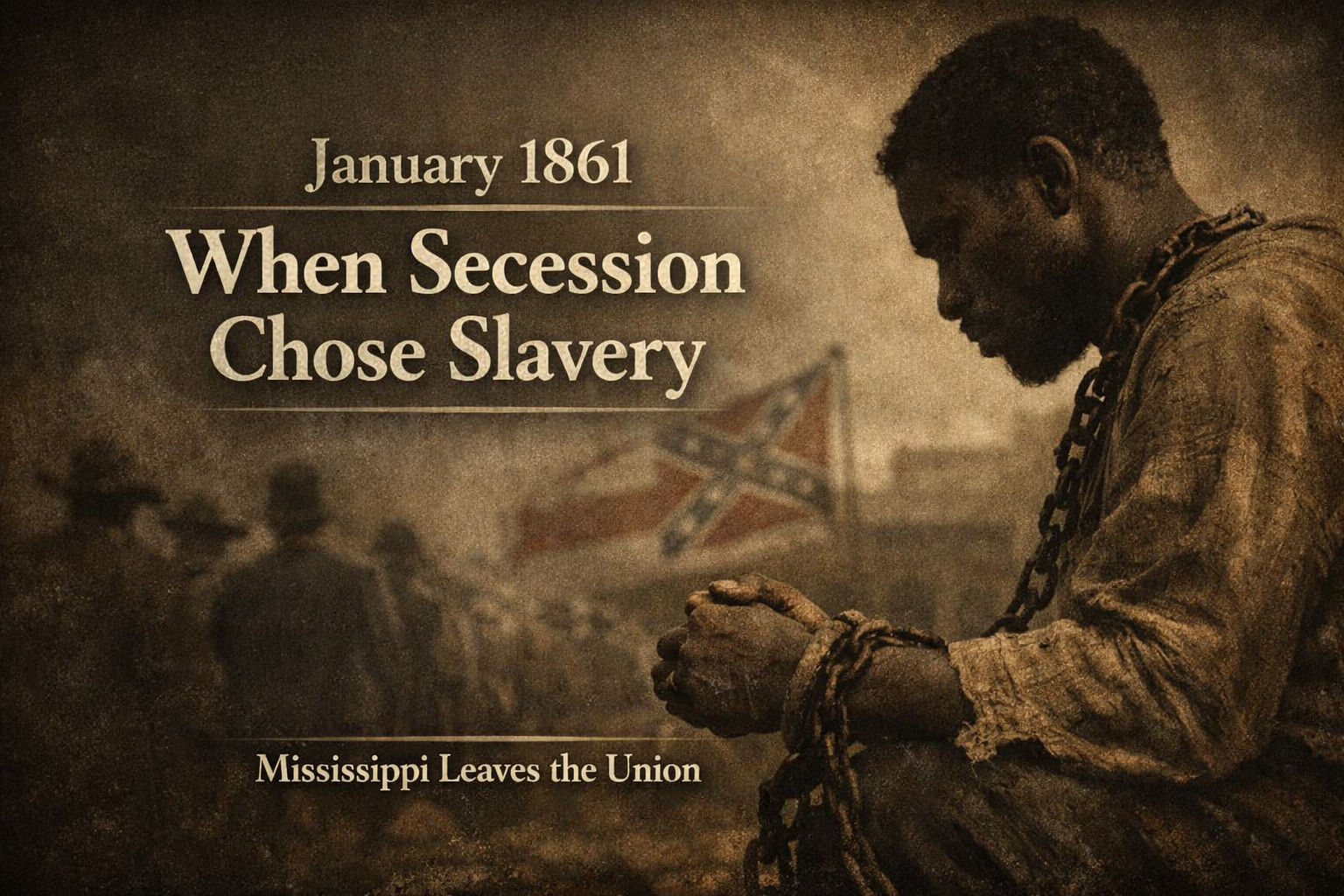
On January 9, 1861, Mississippi formally voted to secede from the United States, becoming the second state to leave the Union in the tense months leading up to the Civil War. This decision was not abstract politics or distant ideology. It was a direct declaration that slavery would be protected, expanded, and defended at all costs. For enslaved Black people across Mississippi and the broader Deep South, secession carried immediate meaning. It signaled that those in power were willing to fracture the nation rather than consider any future without human bondage. Families already living under brutal conditions understood that this choice hardened their reality and closed off any remaining hope that change might come without conflict. Mississippi’s leaders were explicit about their reasoning. In its secession declaration, the state named slavery as the central cause, tying its economy, social order, and political identity to the continued ownership of Black lives. This clarity matters, because it removes any doubt about what was being defended and who was being sacrificed. As the nation moved closer to war, decisions made in early 1861 reshaped the paths of millions. Enslaved people would later escape behind Union lines, resist through sabotage and survival, or enlist in the United States Colored Troops once allowed. These acts of courage were not spontaneous. They were responses to years of tightening control and to moments like Mississippi’s secession, when the stakes became unmistakably clear. January 9, 1861 stands as a reminder that the Civil War did not begin in confusion. It began with choices. And for Black Americans, those choices made by others turned the fight for freedom into a matter of survival, resistance, and eventual transformation through war. #AmericanHistory #CivilWarEra #MississippiHistory #DeepSouth #USHistory #HistoricalRecord #FreedomStruggles #SlaveryHistory

LataraSpeaksTruth

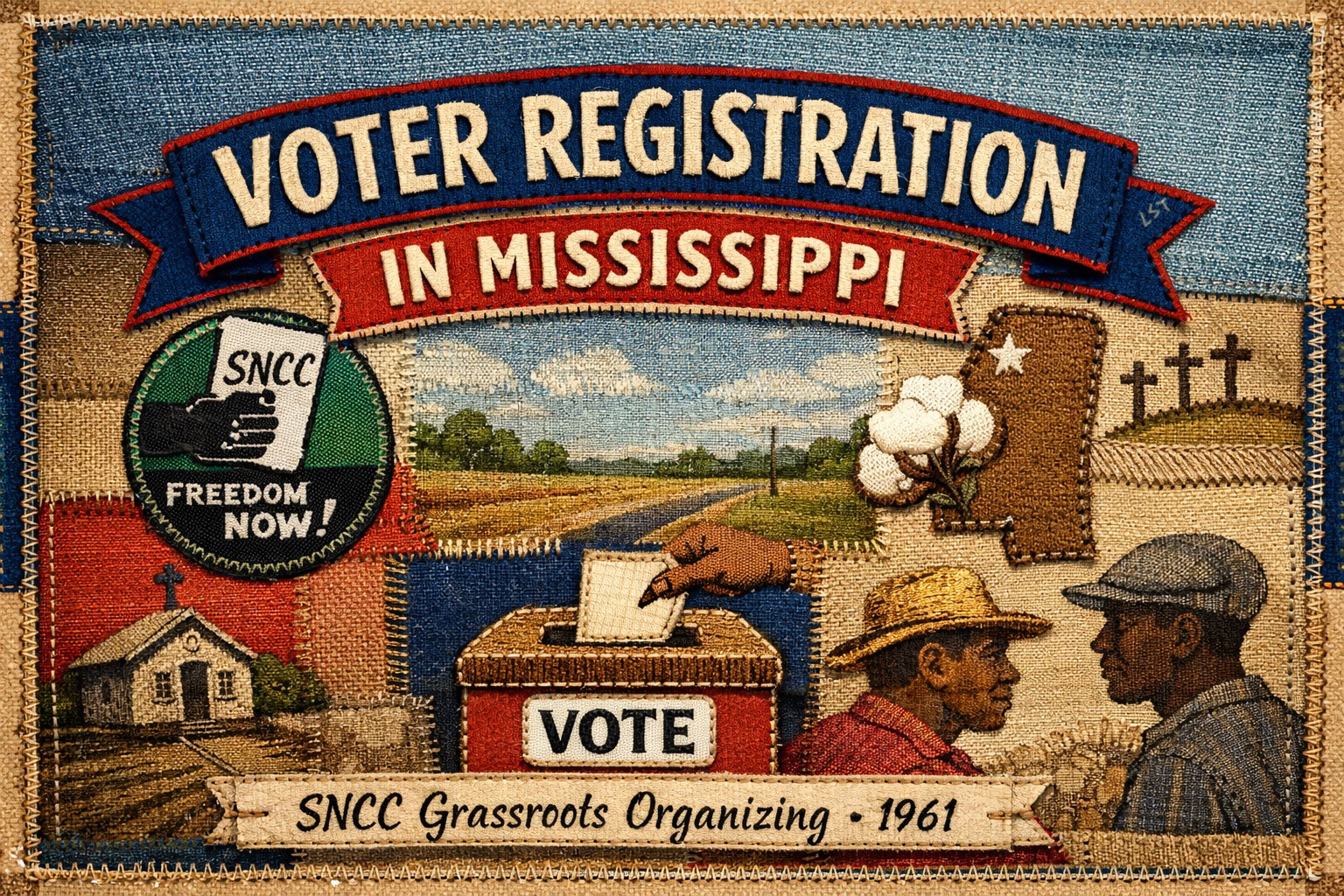
In January 1961, the work of democracy in Mississippi did not arrive with cameras or speeches. It moved along back roads, into church basements, and across kitchen tables where fear and determination sat side by side. During this period, the Student Nonviolent Coordinating Committee was already deeply engaged in voter registration efforts across the state, laying groundwork that would later fuel national change. January 17 falls within this documented campaign window, a time when organizers lived among the people they served, recorded intimidation, challenged exclusion, and encouraged political participation in places where doing so carried real risk. Mississippi remained one of the most aggressively restrictive states in the country when it came to voting access. Literacy tests, economic retaliation, surveillance, and violence were routinely used to suppress registration. SNCC’s approach differed from older civil rights organizations. It emphasized local leadership, patience, and sustained presence. Rather than brief appearances for speeches or press, organizers stayed. They listened. They taught. They documented names, stories, and patterns of suppression. This January work did not produce a single headline, but it produced something more durable. It built trust. It trained future leaders. It formed networks that would later support Freedom Summer, the Mississippi Freedom Democratic Party, and federal voting rights enforcement. What happened in early 1961 matters precisely because it was not dramatic. It was steady. It was intentional. It was dangerous. History often remembers moments. Movements are built in seasons like this one. #SNCC #VotingHistory #CivilRightsMovement #MississippiHistory #GrassrootsOrganizing

You've reached the end!