1/2
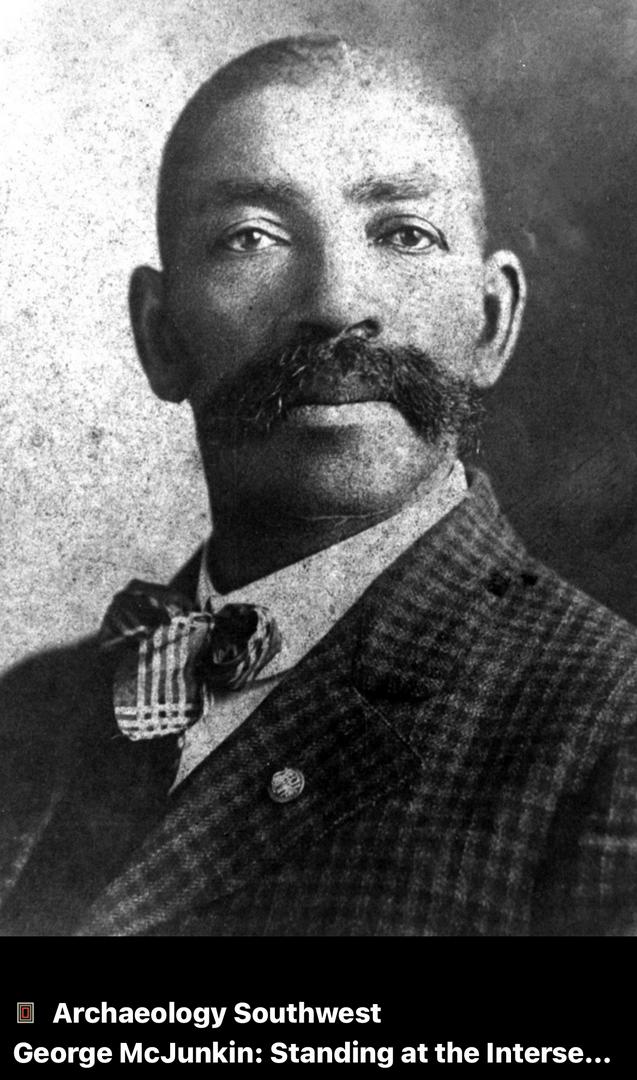

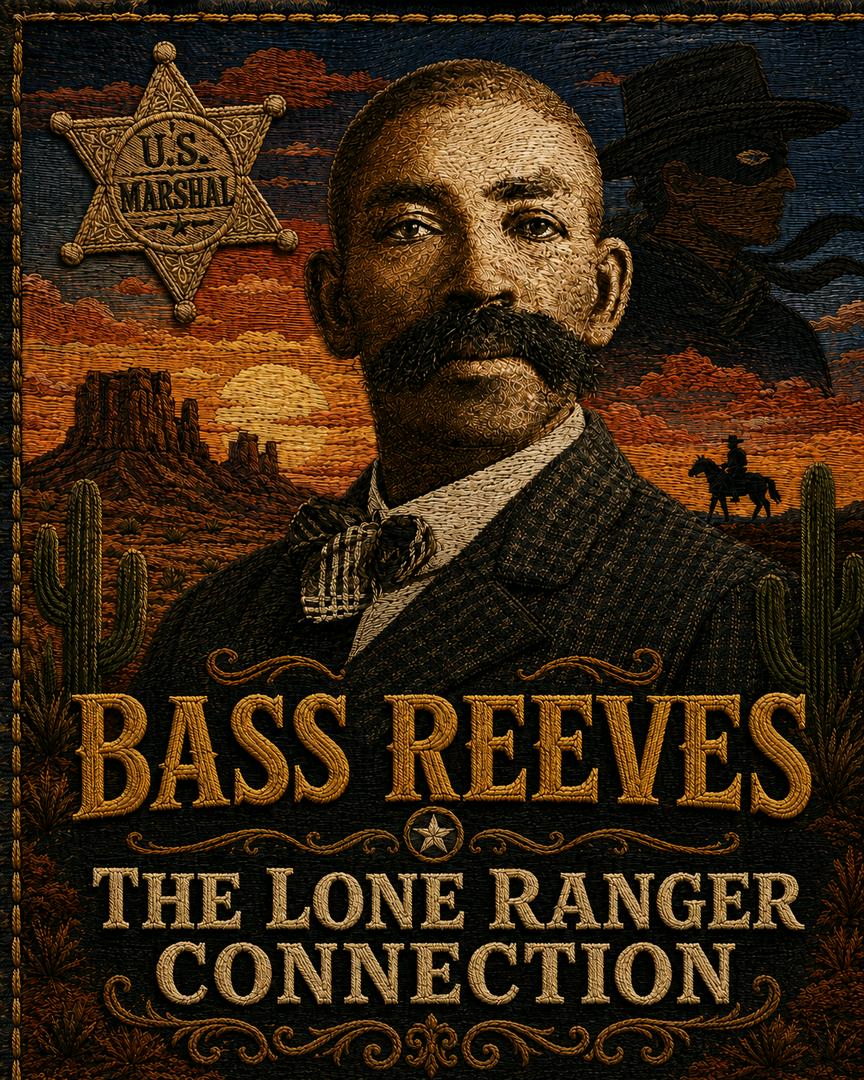
For years, people have asked whether the famous fictional Lone Ranger was inspired by Bass Reeves, one of the most legendary lawmen of the American West. The answer is still debated, but the comparison did not come from nowhere. Bass Reeves was born enslaved in Arkansas in 1838. After escaping during the Civil War era, he lived in Indian Territory, where he learned the land, became skilled at tracking, and reportedly learned several Native languages. In 1875, he became one of the first Black deputy U.S. marshals west of the Mississippi River. Reeves worked across Indian Territory, now part of Oklahoma, during one of the most dangerous periods in frontier history. He served for more than three decades and became known for bringing in fugitives other lawmen struggled to catch. Some accounts credit him with more than 3,000 arrests. His reputation grew because he was fearless, disciplined, and difficult to outsmart. He was also known for using disguises during investigations, which is one reason people connect him to the masked lawman image later made famous by the Lone Ranger. The idea that the Lone Ranger was directly based on Reeves is disputed. But many historians and writers have pointed out that Reeves’ real life closely mirrors the kind of Western hero America later celebrated on radio and television. That is what makes the story powerful. The Lone Ranger was fiction. Bass Reeves was real. And whether he directly inspired the character or not, his life deserves to stand on its own. He was not a side note in Western history. He was part of the history that too often got left out of the picture. Before Hollywood gave America a masked frontier legend, history had already given us Bass Reeves. #BassReeves #HiddenHistory #AmericanWest #BlackHistory #HistoryMatters
18 days ago

RahmjartheAnnunaki
I've heard from many sources that Bass was, indeed, the inspiration for The Lone Ranger.
17d
Easley, SC
Reply
More comments ...
write a comment...