Clara Brown: The Woman Who Built Wealth Out West
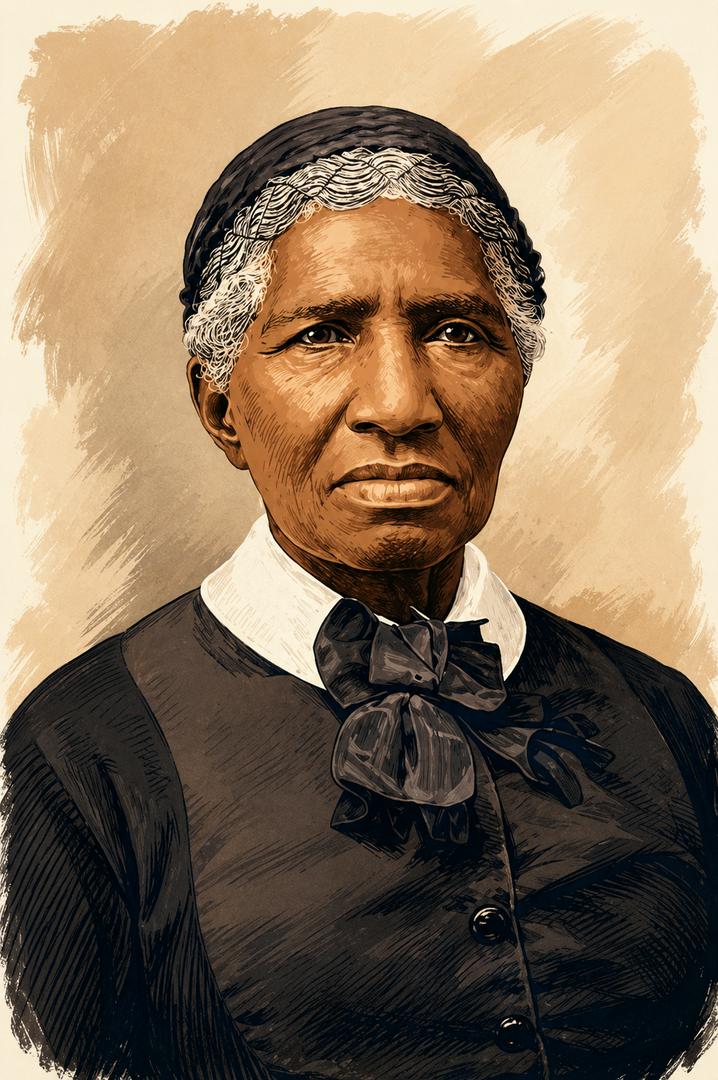
Clara Brown’s story belongs in the history of the American West because she was not only surviving. She was building.
Born into slavery in Virginia around 1800, Brown was later taken to Kentucky. She married and had children, but in 1835 she was sold at auction and separated from most of her family. That loss shaped her search to find her children.
Brown gained her freedom in 1859. That same year, during the Colorado Gold Rush, she traveled west by working as a cook on a wagon train. She reached Colorado and settled in Central City, a mining town west of Denver.
There, Brown built a business. She opened what is widely described as Colorado’s first commercial laundry business and sold meals to miners and settlers. While many people went west chasing gold, Brown built wealth through labor, planning, and service.
By the end of the Civil War, Brown had reportedly saved more than $10,000. She invested in real estate and mining interests, becoming one of the early Black women entrepreneurs in the American West.
But Brown’s legacy was never only about money.
She used her success to help others. Brown assisted formerly enslaved people who relocated to Colorado and helped them find work. Her home became known as a refuge. She supported the sick, the poor, newcomers, churches, and community institutions.
Because of her generosity, she became known as “Aunt” Clara Brown and the “Angel of the Rockies.”
Brown spent years searching for the family she had been forced to lose. She was eventually reunited with her daughter Eliza Jane and a granddaughter before her death in Denver in 1885.
Clara Brown’s life shows a bigger truth about the West. It was not built only by cowboys, miners, and railroad men. It was also shaped by Black women who cooked, cleaned, invested, organized, sheltered people, and built community.
Clara Brown did not just go west. She helped make the West.
#ClaraBrown #History #AmericanWest #HiddenHistory