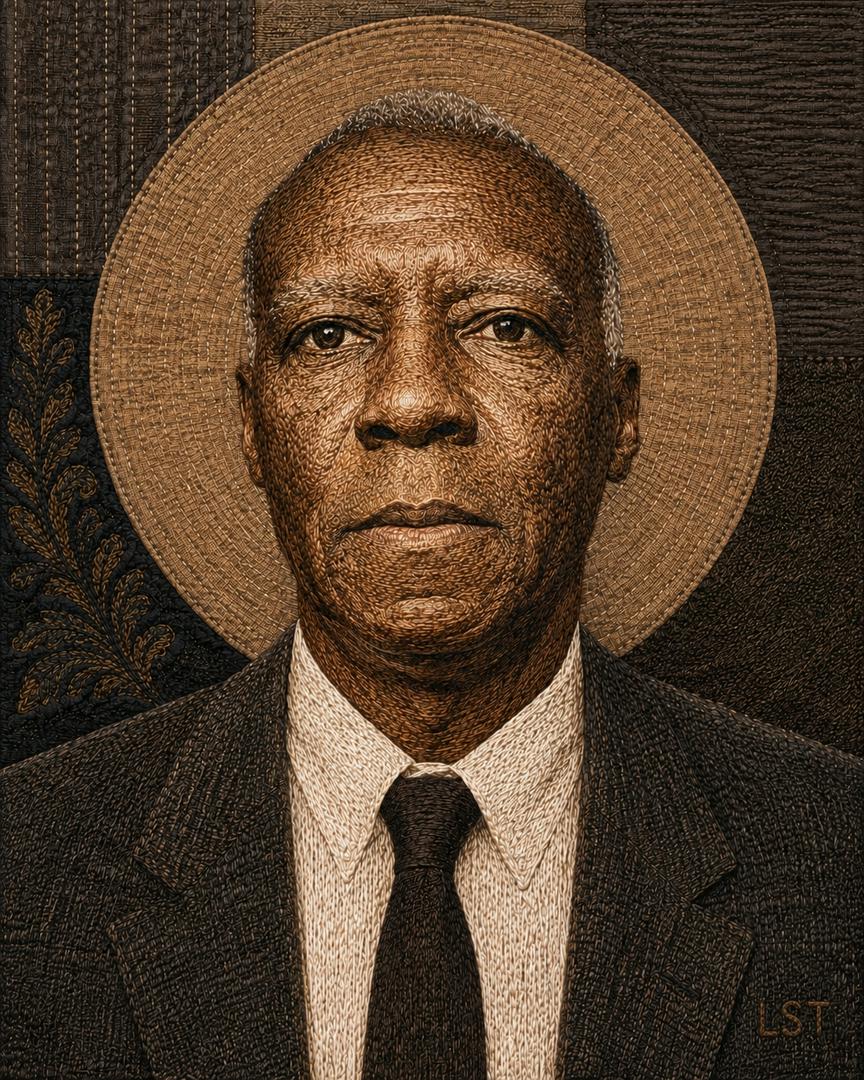
1/1

May 16, 1979… A. Philip Randolph died in New York City, but the work he left behind still speaks. Randolph was not just a civil rights figure. He understood something deeper: freedom without economic power leaves people fighting with one hand tied behind their back. In 1925, he helped organize and lead the Brotherhood of Sleeping Car Porters, the first successful Black-led labor union recognized by the American Federation of Labor. That mattered because Pullman porters worked long hours, faced harsh treatment, and often had little power against the companies that profited from their labor. Randolph helped turn that frustration into organized strength. But his impact did not stop with labor. Randolph pushed presidents, challenged discrimination, and understood the power of collective pressure. His planned 1941 March on Washington helped pressure President Franklin D. Roosevelt into issuing Executive Order 8802, which banned discrimination in defense industry jobs under federal contracts. Years later, Randolph became one of the key organizers and public leaders behind the 1963 March on Washington for Jobs and Freedom. What makes Randolph important is that he connected the dots. He knew racial justice, jobs, wages, dignity, and political pressure were all part of the same fight. He was not just asking America to be kinder. He was demanding that America be fair. When people talk about movements, they often remember the speeches. But behind the speeches were organizers. Strategists. People who understood how to move a nation without always needing the spotlight. A. Philip Randolph was one of those people. He died on May 16, 1979, but the blueprint he left behind is still relevant. Organize. Build power. Demand respect. Do not just ask to be included…make the system answer for who it left out. #LataraSpeaksTruth #BlackHistory #APhilipRandolph #LaborHistory #CivilRightsHistory
New York, New York • 16 days ago
write a comment...