1/1

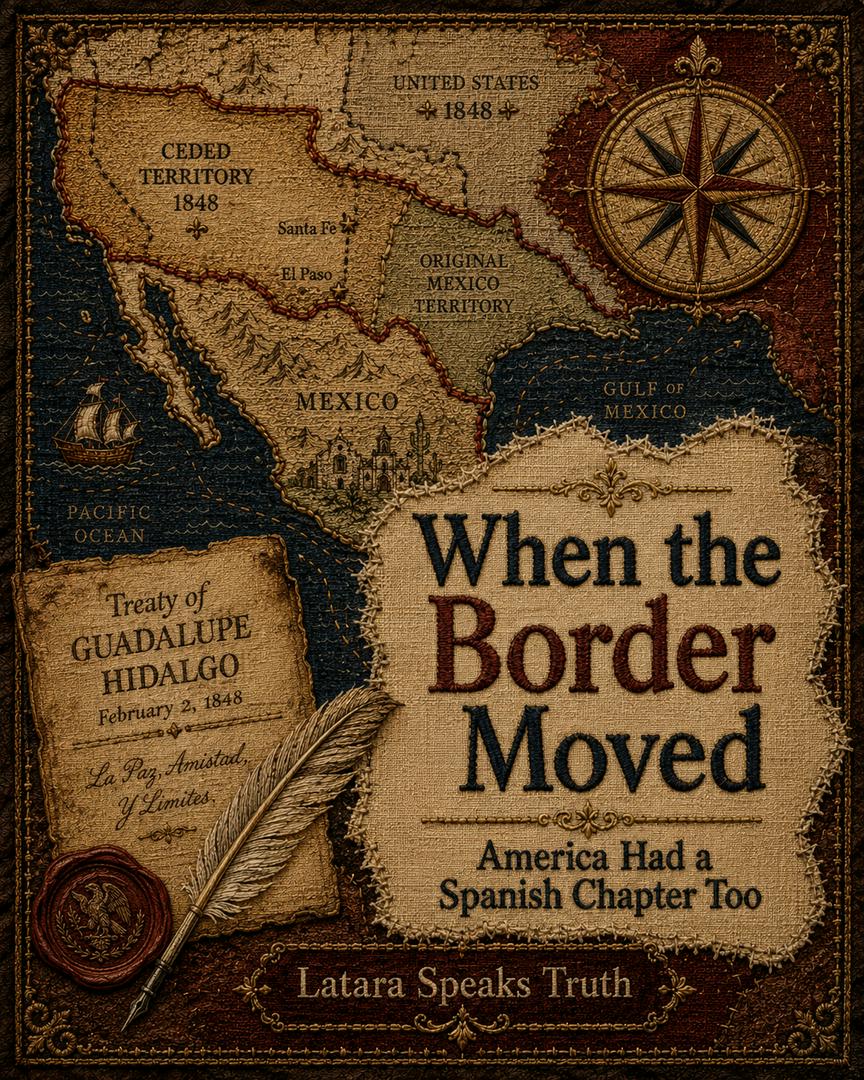
May 19, 1848…The Treaty That Redrew the Map On May 19, 1848, Mexico ratified the Treaty of Guadalupe Hidalgo, one of the most consequential agreements in North American history. The treaty had already been signed on February 2, 1848, after the Mexican American War. The United States ratified it on March 10. But Mexico’s ratification on May 19 moved the agreement closer to becoming official between both nations. This was not just paperwork. By the terms of the treaty, Mexico ceded about 55 percent of its territory to the United States. That land later became all or parts of California, Nevada, Utah, New Mexico, Arizona, Colorado, Oklahoma, Kansas, and Wyoming. Mexico also gave up claims to Texas and accepted the Rio Grande as the southern boundary of Texas. The map changed, but the human impact lasted for generations. Thousands of Mexican residents suddenly found themselves living inside U.S. borders. The treaty promised certain protections connected to property and citizenship, but promises written on paper were not always honored in real life. In many places, Mexican American families later faced land loss, legal battles, discrimination, and pressure from settlers and courts that did not treat them equally. That is why this treaty still matters. It shaped the American Southwest. It shaped Mexican American identity. It shaped border politics, land ownership, citizenship, and the way history is remembered. For the United States, it was expansion. For Mexico, it was loss. For the people living on that land, it was a life-changing shift they did not get to control. May 19 deserves to be remembered because it marks the Mexican ratification of a treaty that redrew borders and changed the future of two nations. #History #AmericanHistory #MexicanAmericanHistory #LatinoHistory #OnThisDay
14 days ago
write a comment...