CRAIG_Et+FollowNOT POLITICAL Stop Scrolling for 60 Seconds Most of us are experts at "the grind" but beginners at knowing why we're grinding. If you feel like you're on a treadmill going nowhere, take this 3-question pulse check 1. The "What": The Saturday Morning Test If you woke up tomorrow with zero chores zero emails, and $500 in "fun money,' where would vou qo? Who would vou call? The Truth: Your answer isn't iust a fantasy; it's a map of what your soul is actually craving (Rest? Connection? Adventure?) 2. The "Why": The Value Filter Rank these three in order of importance to YOU (not your parents, your boss, or your followers): Freedom (Owning vour time Connection (Deepening your relationships mpact (Helping others/Creating) The Truth: If "Freedom" is #1 but vou're workina 80 hours a week for a promotionyou don't want, you aren't "succeeding"- you're drifting. 3. The "How": The 15-Minute Rule We overestimate what we can do in a year, but underestimate what we can do in 15 minutes. The Challenge: What is one tiny thing you can do right now to reclaim your agency? Want to write? Write one paragraph Want to be healthier? Drink a alass of water and walk around the block Want a new career? Update vour Linkedln headline. The Bottom Line: You don't need a 10-vear plan to start living better. You ust need to be honest about what matters today. > Drop a "HELL YES" in the comments if you're committing to one small change this week. What's the move? #SelfGrowth #IntentionalLiving #MindsetShift #SmallWins #LifeGoals20Share
Erika Carter+FollowI loved today’s inspiration ! Something about the prayer brought tears to eyes . I’m going to have a beautiful day!!!! #1 #John_4_18 191Share
petsRescue+FollowFAMILY FRIENDLY RESCUE LOOKING FOR A НОМЕ!!! Charley is a very sweet boy! He is a 1 year old Shih Tzu Terrier mix. Only 12lb. He is obsessed with toys!! He's very friendly and is wonderful with kids. He has great stamina and really enjoys long walks. He can go for hours! According to his foster he doesn't bark at passing dogs or people. He's good at going #1 and #2 right when he's taken out. Charley came from Bakersfield, a place where too many dogs don't get a second chance. Thankfully, Lucky Paws Rescue took him in. Charley would do best in a home with a tall secure fence, as we did notice his a bit of a jumper! Interested in adopting?! Please reach out to the organization directly for more details. Note: No unnecessary questions in the comment section instead reach out to the organization directly for more details. Special Notice: We have observed that many individuals are attempting to contact us but are unable to do so, as NewsBreak currently does not provide a direct messaging feature. To ensure seamless communication, we kindly ask that you visit our profile bio and send us a message via the listed email address. This will allow us to stay connected and respond to your inquiries promptly. Thank you for your understanding and cooperation. #dog #4luckypaws #adoptine #smallbutmighty #pomchipuppies #RescueDogLove #dog #adoptadog #AdoptDontShop #HomeForGoodDogs #adoptme #adoptmeplease42Share
Kaye Pevehouse+Followi want to make Christian friends who truly know who i am. Truly!#1 John_1_7200Share
Bernard DeMuth+Followsometimes I struggle but I believe that the Lord died for me and he is always there to help me through the ragged edges in which I have to face but I have the knowledge to know that he is there to help me to stand strong especially in my toughest moments!#1 John_1_7211Share
nina erwin+Follow#1 John_5_4 I have more faith in our lord then I ever have. I actually believe he exists and the story in the Bible isn't just a story it's real life. it's the story of how the world was created, a down right how to live life manual. Right down to barrowning from neighbors and god even created the money system he literally thought of everything im so amazed and completely blown away. I look at life way differently now and have been trying to live life differently now too. I actually feel God around me now i feel more joy it's nice.231Share
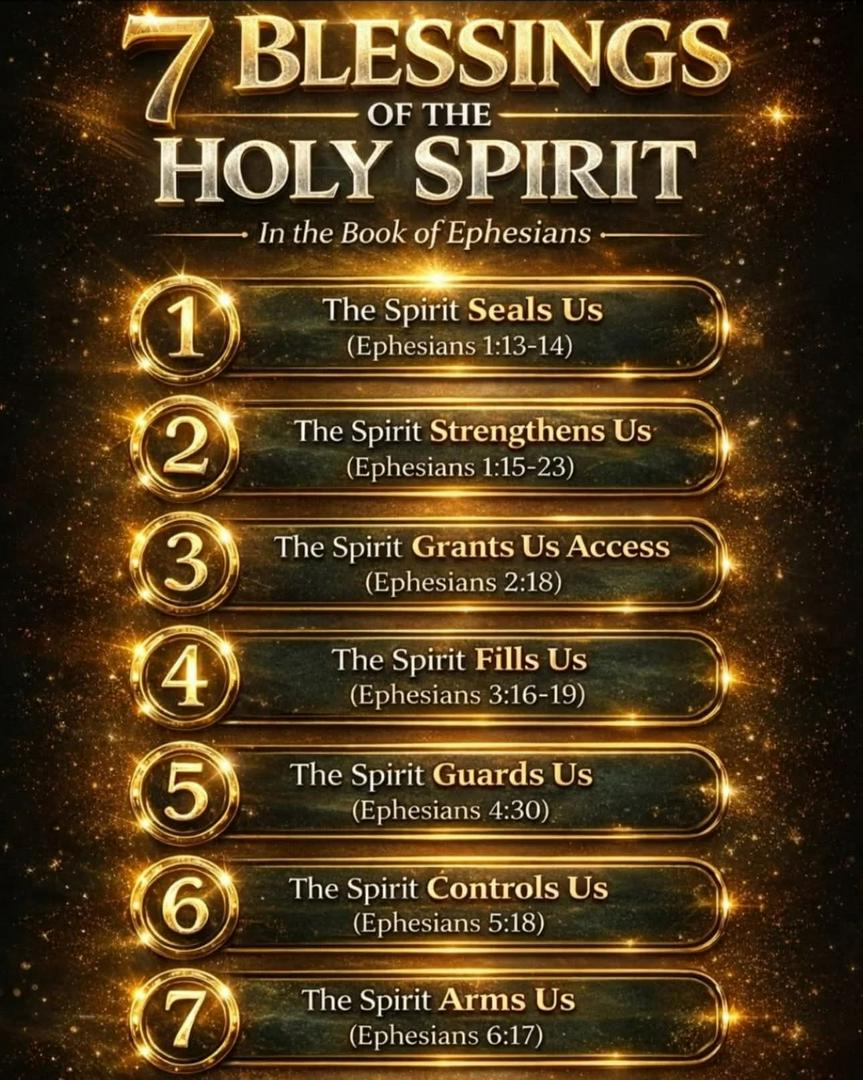
Desteney Jones+Followholy Spirit empower me I recognize that I can not do this on my own, the spirit is willing but the flesh is very weak. I need your spirit Lord not by might not by power but by the spirit of the one true living God. Jesus I surrender. I need you to overcome the world, temptation and my struggles with sin and flesh desires. #1 John_5_4331Share
Quentin Williams+Followtoday remember, that Christ overcame death to bring God the glory, and in that moment reconciled us to the Father it is his strength that we rest in Amen #1 John_5_4141Share
Amy Sharkey+FollowEach day that passes without my children is difficult to deal with but I have our heavenly father’s love and support. #1 #Peter_1_3 192Share
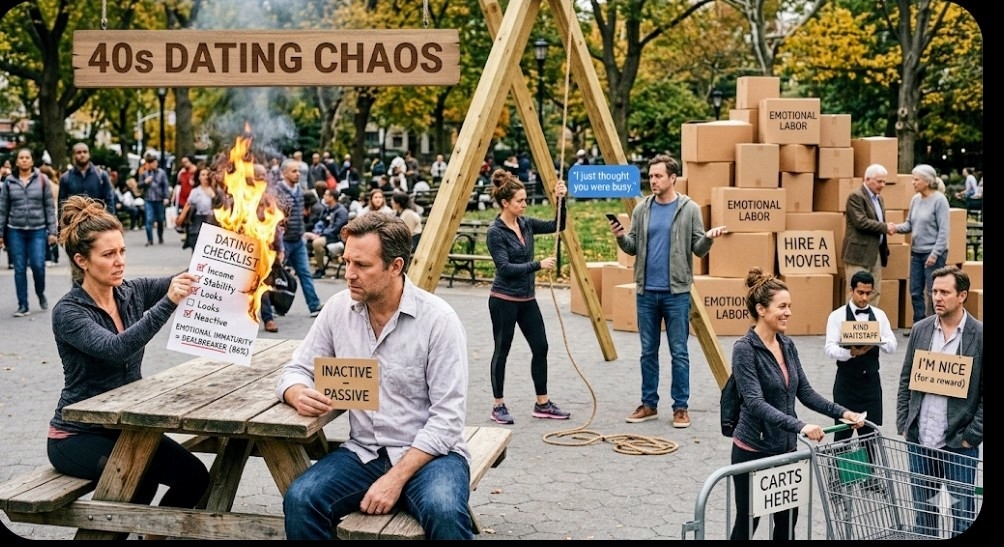
Jennifer Layna+FollowThe 40s Dating Revolt: Why Your Checklist Just Caught Fire 🔥 Forget the six-figure salary and the CrossFit hobby. In your 40s, the "Dating Resume" is dead. A viral Reddit deep-dive recently exposed the brutal, beautiful reality of mid-life dating: we aren't looking for a trophy anymore—we’re looking for a partner who won't leave us doing 100% of the heavy lifting. The "Conflict Test" 🛑 One divorced user dropped a truth bomb: her top screen is no longer stability, but emotional endurance. After a "perfect" date went stone-cold over a minor disagreement, she realized that 86% of people over 40 list emotional immaturity as their #1 dealbreaker. It’s not about finding someone who doesn't fight; it’s about finding someone who doesn't vanish when things get real. The "Drop the Rope" Experiment 🧵 Ever feel like you’re the only one keeping a relationship on life support? One commenter shared her "litmus test": she stopped being the engine of her 4-month romance. "I never heard from him again... That's how disposable I was in his eyes." His excuse two weeks later? "I just thought you were busy." The verdict? If someone can watch you go silent for days and not even ask if you’re alive, they aren’t "chill"—they’re just not invested. The "Service Submissive" Recovery 🛠️ For the long-term marriage survivors, the stakes are visceral. One woman spent 15 years managing her ex-husband’s life, from his doctor appointments to every holiday detail. "He made me feel like I didn’t love him if I asked him to do anything. Now, I don’t give if it’s not deserving." The "Moving" War 📦 A massive debate erupted over a friend who refused to help a user pack despite her acting as his "unpaid therapist" for months. The "Hire a Mover" camp shouted about back pain, but the "Reciprocity" camp hit back: Emotional labor is a currency. If you're providing "pricey psychological support" but they only have a "maybe" when you’re in a pinch, your friendship account is overdrawn. #Oregon40Share