Tag Page AmericanHistory

#AmericanHistory
LataraSpeaksTruth

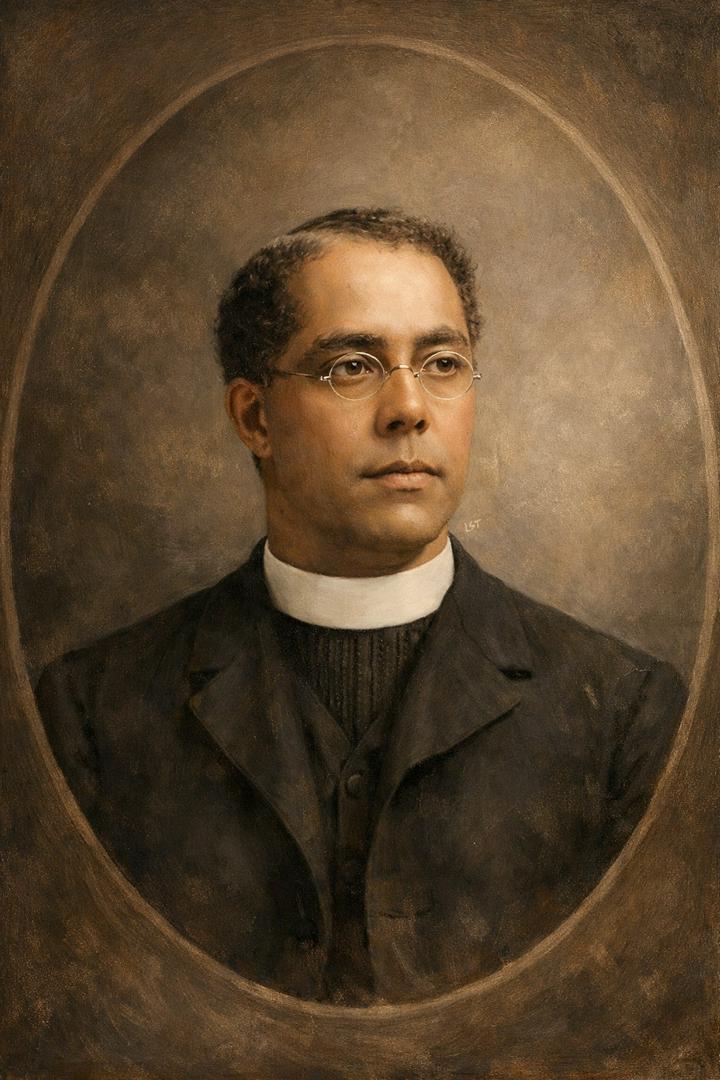
Born December 8, 1868, Henry Hugh Proctor entered the world just as Reconstruction was slipping away. The promises were fading, the tension was thick, and yet he grew into a leader who insisted that hope could be rebuilt if people were willing to do the work. Proctor did not simply become a minister. He became a community strategist, the kind of pastor who believed that faith without structure and support was just noise. When he stepped into leadership at Atlanta’s First Congregational Church, he treated the space like fertile ground. He preached, yes, but he also organized libraries, a gym, job assistance programs, cultural clubs, safe housing for young Black women, and music programs that strengthened spirits in a city determined to limit Black opportunity. He built a full-life resource center long before that phrase existed, proving that the church could be both sanctuary and engine. Proctor helped co-found the National Convention of Congregational Workers Among Colored People, creating a network for Black ministers who were pushing for progress in their own communities. After the violence of the 1906 Atlanta massacre, he worked on interracial committees that aimed to cool the hostility poisoning the South. He did this quietly, intentionally , and with the kind of steady courage that often goes unnoticed by history books. He was not chasing spotlight. He was shaping lives. His influence stretched far beyond his pulpit, carried in the people who found safety, dignity, and opportunity through the institutions he helped build. December 8, 1868 marks the birth of Henry Hugh Proctor, pioneering minister and committed community reformer. #HenryHughProctor #BlackHistory #OnThisDay #CommunityBuilder #AtlantaHistory #ReconstructionEra #FaithAndJustice #UnsungHeroes #AmericanHistory

LataraSpeaksTruth

1863, Nashville… The Day New Soldiers Changed the War

On November 19, 1863, the 13th United States Colored Infantry officially formed in Nashville, Tennessee. Hundreds of Black men stepped forward to wear Union blue at a time when the nation still refused to recognize their full rights. They volunteered anyway. They took up weapons in a country that denied them protections, hoping their service would help crack the walls holding their people down. The 13th USCI was one piece of the larger United States Colored Troops, a force created after the Emancipation Proclamation opened the door for Black military enlistment. The officers were white, but the spirit, grit, and discipline came from the men themselves. Some had escaped plantations. Others were freeborn. All of them were determined to see slavery fall. Their service came with barriers. Lower pay in the early months. Harsher treatment. Hostility from Union soldiers and Confederate soldiers alike. Still, the 13th USCI held the line. They fought in Tennessee, Georgia, and Alabama, pushing Union control deeper into the South. Their formation marked a turning point. The Civil War shifted from just saving the Union to redefining what freedom would mean in America. Black soldiers made that shift visible. The men of the 13th USCI stood as proof that Black Americans were willing, ready, and brave enough to fight for their freedom and their families’ future. Their legacy still speaks: freedom in this country has always moved forward because of the people who were denied it, yet fought for it anyway. #history #americanhistory #blackmilitaryhistory #civilwarstories #LataraSpeaksTruth

1863, Nashville… The Day New Soldiers Changed the War
LataraSpeaksTruth

George W. Ashburn

George W. Ashburn was a white Radical Republican who openly supported political rights for newly freed Black citizens during Reconstruction. That alone made him a target in Columbus, Georgia, where resistance to racial equality was strong and vocal. On March 31, 1868, Ashburn was assassinated inside a boarding house. Witnesses reported that a masked group forced their way in and shot him, a killing widely attributed to early Ku Klux Klan activity. His murder came just weeks after he backed Georgia’s new constitution, which expanded civil rights for Black residents. Because Georgia was still under military rule, his death did not stay a local matter. Federal authorities moved quickly, and on November 23, 1868, the case became national news when a military tribunal charged dozens of white men, some from prominent families, with participating in the assassination. The investigation exposed the organized backlash against Black political progress. It also showed how far opponents of Reconstruction were willing to go to silence anyone advocating for racial equality. But despite the national attention, the case fell apart. Political pressure, intimidation of witnesses, and Georgia’s push to end military oversight led to the charges being dropped. No one was ever convicted. Ashburn’s murder became a symbol of the violent resistance that shaped the end of Reconstruction, a reminder of the dangers faced not only by Black citizens, but by anyone who stood beside them during one of the most volatile periods in American history. #HistoryMatters #AmericanHistory #ReconstructionEra #GeorgiaHistory #CivilWarLegacy #PostWarSouth #HistoricalRecord #USHistoryStory #OnThisDayHistory

George W. Ashburn
LataraSpeaksTruth

In 1860, long after the United States banned the international slave trade in 1808, a ship called the Clotilda was used to smuggle about 110 captive Africans into the Mobile area in Alabama. The people behind it knew it was illegal. After the captives were brought ashore, the crew burned the ship and sank it in the Mobile River delta to hide the evidence. After emancipation, many survivors wanted to return to West Africa, but they could not afford passage. So they did something powerful and practical. They pooled money, bought land north of Mobile, and built an independent community that became known as Africatown, often linked to its founding around 1866. It was not just a place to live. It was a decision to rebuild on their own terms with churches, a school, family networks, mutual aid, and cultural memory held tight. One of the most well known survivors was Oluale Kossola, often called Cudjo Lewis. He lived until 1935 and shared his story in detail, helping keep names, places, and experiences from being lost. For generations, outsiders doubted Africatown’s origin story. Then in May 2019, archaeologists and the Alabama Historical Commission confirmed a wreck as the Clotilda, backing up what descendants had been saying all along. They tried to erase the crime. Africatown refused to disappear. #Africatown #Clotilda #MobileAlabama #AlabamaHistory #BlackHistory #HiddenHistory #UntoldHistory #AmericanHistory #HistoryMatters #CudjoLewis

LataraSpeaksTruth

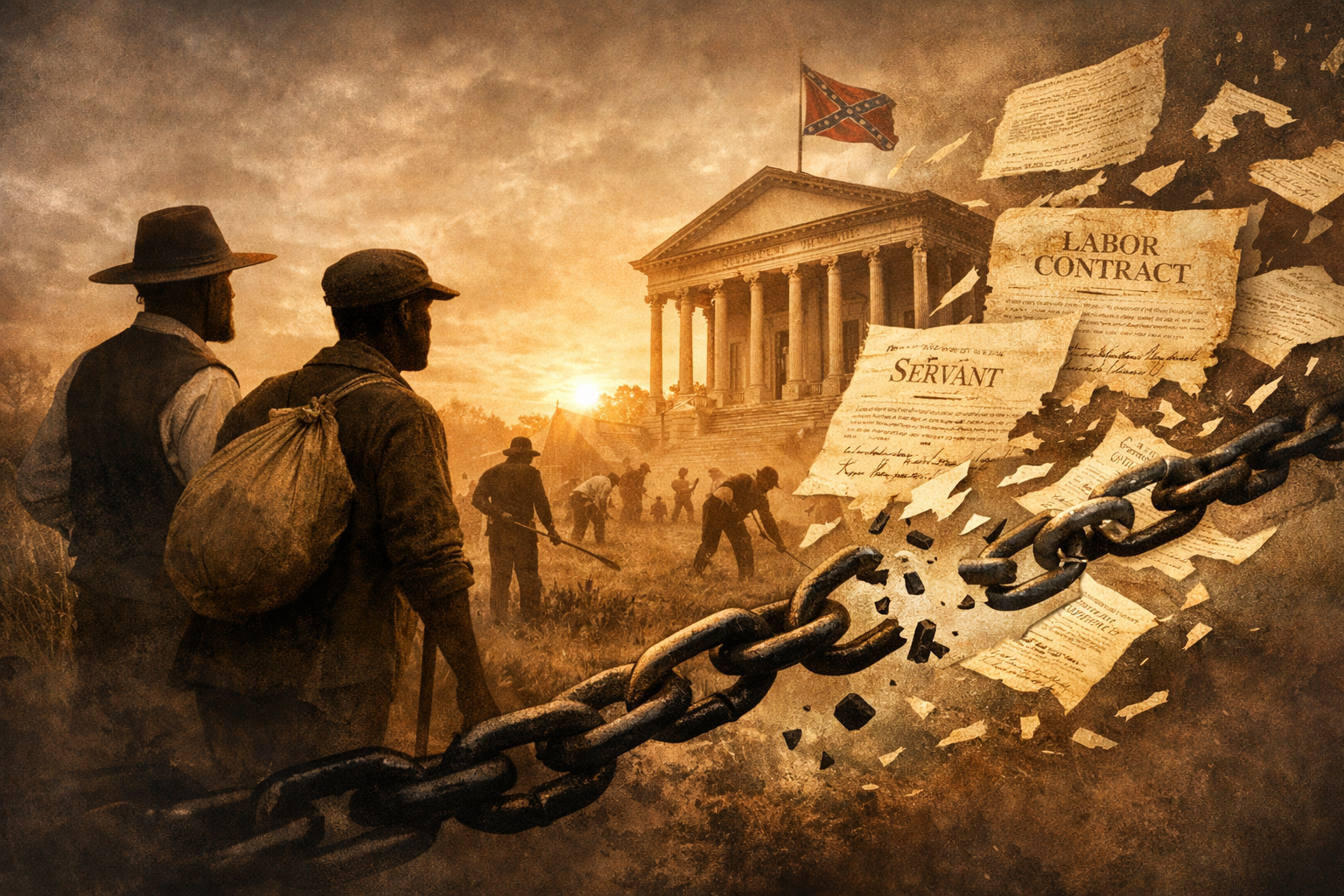
January 8, 1867 marks a turning point in American history that is rarely given the attention it deserves. On this day, Congress passed the District of Columbia Suffrage Act, granting Black men in Washington, D.C. the legal right to vote in municipal elections and public referenda. This happened three years before the 15th Amendment, at a time when most of the nation still viewed Black political participation as a danger rather than a right. This was not a promise for the future or a symbolic gesture. It was an immediate, enforceable change written directly into law. The decision did not come quietly or without resistance. President Andrew Johnson vetoed the act, arguing that extending voting rights to Black men was premature and would destabilize the country. Congress rejected that argument and overrode his veto the same day. That override mattered. It made clear that Reconstruction was not only about ending slavery on paper but about redistributing political power in real time. Washington, D.C. became a proving ground, showing that Black civic participation could exist and function despite fierce opposition. The importance of January 8, 1867 is often overlooked because it does not fit neatly into the simplified version of history many are taught. Voting rights did not suddenly appear with the 15th Amendment. They were demanded, tested, expanded, restricted, and attacked repeatedly. This moment captures Black men exercising political agency while the nation was still debating whether they deserved it. It reminds us that progress has never required national comfort or unanimous approval. Rights have always moved forward through pressure, confrontation, and refusal to wait. January 8 stands as proof that access was forced open long before the country was ready to admit it. #January8 #OnThisDay #BlackHistory #ReconstructionEra #VotingRights #DistrictOfColumbia #AmericanHistory #HiddenHistory #CivilRights

LataraSpeaksTruth

Texas Employers Blacklist Black Veterans (1906)

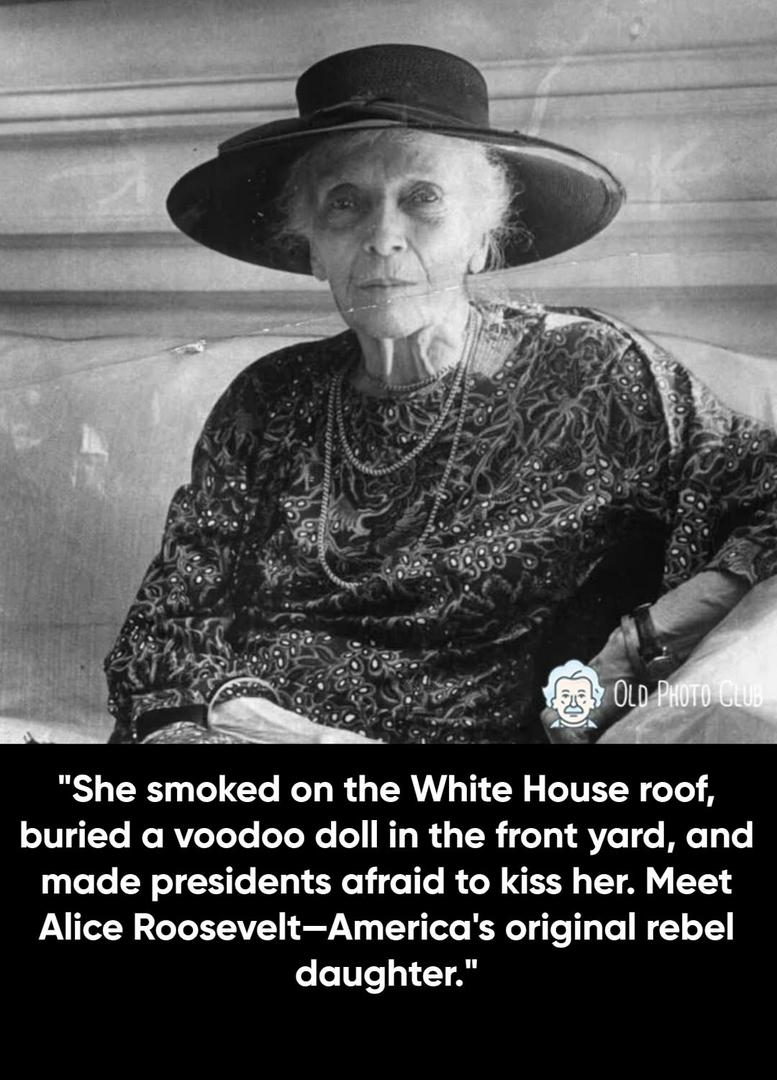
Some stories in American history were never given the full attention they deserved, and the Brownsville Affair is one of them. In 1906, more than 160 Black soldiers from the 25th Infantry were blamed for a shooting they had nothing to do with. Local officials rushed to judgment with no proof, and the nation went along with the accusation. President Theodore Roosevelt discharged the entire group in one order, stripping their service, their honor, and their futures. What many people never hear about is what happened long after the headlines died down. The government eventually admitted the soldiers had been telling the truth from day one. The bullets didn’t match their rifles. The timelines didn’t fit. Witness claims fell apart. But by the time the record was corrected, decades had passed, and many of the men were already gone. Their families lived with the weight of an accusation built on bias, not evidence. Military benefits were never restored in time to help them. Careers were lost. Entire generations grew up under a shadow they did not deserve. The correction came too late to give the soldiers the justice they needed while they were still here. Instead, their names were quietly cleared long after the damage had been done. It’s a reminder that institutions can make decisions in minutes that take lifetimes to repair. These men deserve to be remembered with truth, dignity, and the honor they earned through service. #BrownsvilleAffair #BlackHistory #MilitaryHistory #HistoryUncovered #AmericanHistory #TruthMatters

Texas Employers Blacklist Black Veterans (1906)
LataraSpeaksTruth

On March 9, 1892, Thomas Moss, Calvin McDowell, and Will Stewart were taken from a Memphis jail by a white mob and lynched. They were not criminals brought to justice. They were Black businessmen connected to the People’s Grocery, a successful Black owned store that had become a source of pride in the community and a threat to white resentment. Their murders were not random. They happened in a climate where Black progress itself could be treated as a target. Thomas Moss was more than a grocer. He was a respected postman, a family man, and a friend of Ida B. Wells. Moss, McDowell, and Stewart had built something meaningful in a world that often punished Black success for daring to exist. After a racial conflict near the store and rising white hostility, the three men were jailed. Then the law gave way to mob violence. In the dark of night, they were dragged out and killed without trial, without mercy, and without consequence for the people who did it. This was one of the moments that lit a deeper fire in Ida B. Wells. She had already begun speaking out, but the murder of these men made the truth even harder to ignore. She understood what many refused to say plainly. Lynching was not about justice. It was about power, terror, and control. It was a weapon used to crush dignity, silence progress, and remind Black people that even success could make them a target. The killing of Moss, McDowell, and Stewart remains one of the clearest examples of how racial violence was used to destroy not only lives, but community strength, economic independence, and hope. Their story still matters because it forces this country to face what was done when Black people tried to build for themselves. #OnThisDay #BlackHistory #IdaBWells #ThomasMoss #CalvinMcDowell #WillStewart #MemphisHistory #PeoplesGrocery #AmericanHistory #HiddenHistory

LataraSpeaksTruth

On January 26, 1892, Bessie Coleman was born into a country that told her exactly what she could not be. She listened long enough to understand the rules…and then broke every one of them. When no flight school in the United States would admit a Black woman, Bessie didn’t argue. She learned French, left the country, and trained in France. In 1921, she earned her pilot’s license, becoming the first Black woman and first Native American woman to do so. Not because the system opened a door…but because she refused to wait for one. Bessie didn’t fly for novelty. She flew with purpose. She believed aviation should belong to everyone, and she dreamed of opening a flight school so others wouldn’t have to leave the country just to learn. She refused to perform at airshows that enforced segregation. If audiences were divided, she walked. Progress without dignity wasn’t progress to her. As a barnstormer, she stunned crowds with daring aerial maneuvers, turning the sky into a stage for possibility. Each flight was a quiet rebellion against limitation, proof that skill and courage don’t ask permission. Her life ended too soon. Bessie Coleman died in a plane crash in 1926 at just 34 years old. But her impact never grounded. Every pilot who followed, every barrier lifted higher, carries a trace of her flight path. Some people change history by staying. Others change it by leaving, learning, and coming back stronger. Bessie Coleman did all three. Born January 26. Legacy everlasting. #BessieColeman #January26 #OnThisDay #WomenInHistory #AviationHistory #Trailblazer #AmericanHistory #HistoryMatters #Legacy #BlackExcellence

Tag: AmericanHistory - Page 13 | LocalAll