Tag Page AmericanHistory

#AmericanHistory
LataraSpeaksTruth

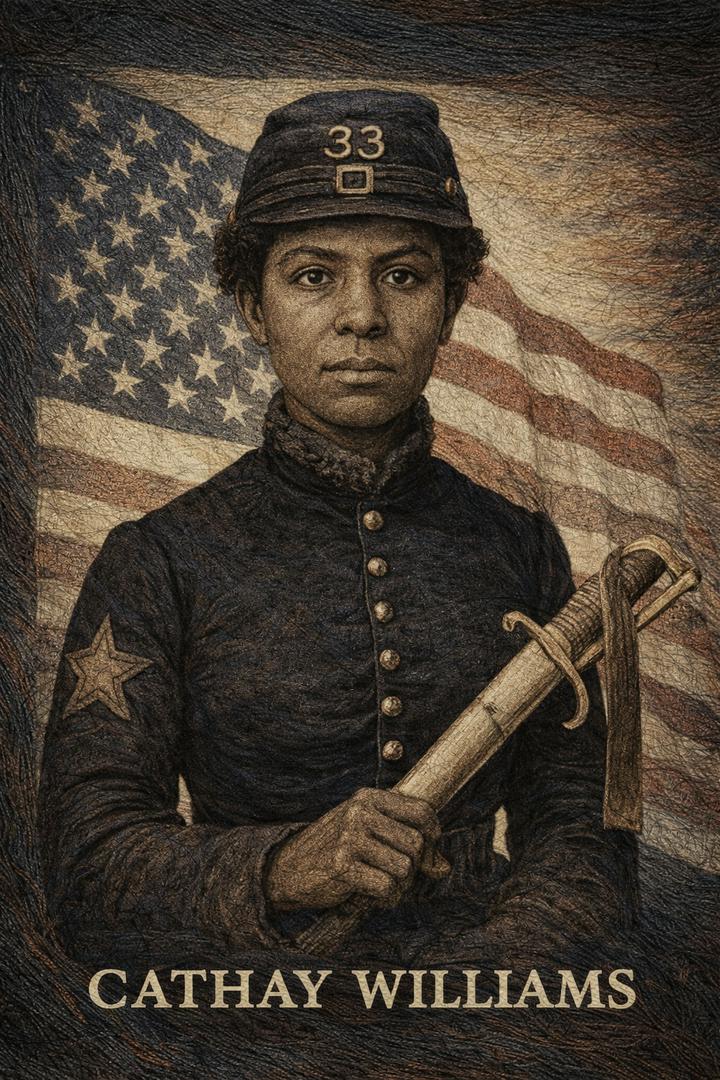
Cathay Williams was born in September 1844 in Independence, Missouri, to an enslaved mother and a free father. Because her mother was enslaved, Cathay was also born into slavery. As a young woman, she was forced into labor for Union troops during the Civil War, working as a cook and washerwoman and traveling with the army through parts of the South. That experience brought her close to military life long before she officially entered it. After the war, Williams chose a path few women of her time could even imagine. On November 15, 1866, she enlisted in the United States Army in St. Louis under the name William Cathay. Since women were barred from military service, disguising herself as a man was the only way she could join. She served in Company A of the 38th U.S. Infantry, one of the African American regiments created after the Civil War and later tied to the legacy of the Buffalo Soldiers. For nearly two years, she performed the duties expected of any soldier. Her secret remained hidden until repeated illness and hospital visits led army doctors to discover she was a woman. She was discharged on October 14, 1868. Years later, Williams applied for a military disability pension, describing her service and failing health, but her claim was denied. Much of her later life remains unclear, but her place in history does not. Today, Cathay Williams is remembered as the only documented woman known to have served as a Buffalo Soldier and one of the most remarkable women in American military history. #OurHistory #CathayWilliams #BuffaloSoldiers #MilitaryHistory #BlackHistory #WomensHistory #AfricanAmericanHistory #HiddenFigures #AmericanHistory #LataraSpeaksTruth

LataraSpeaksTruth

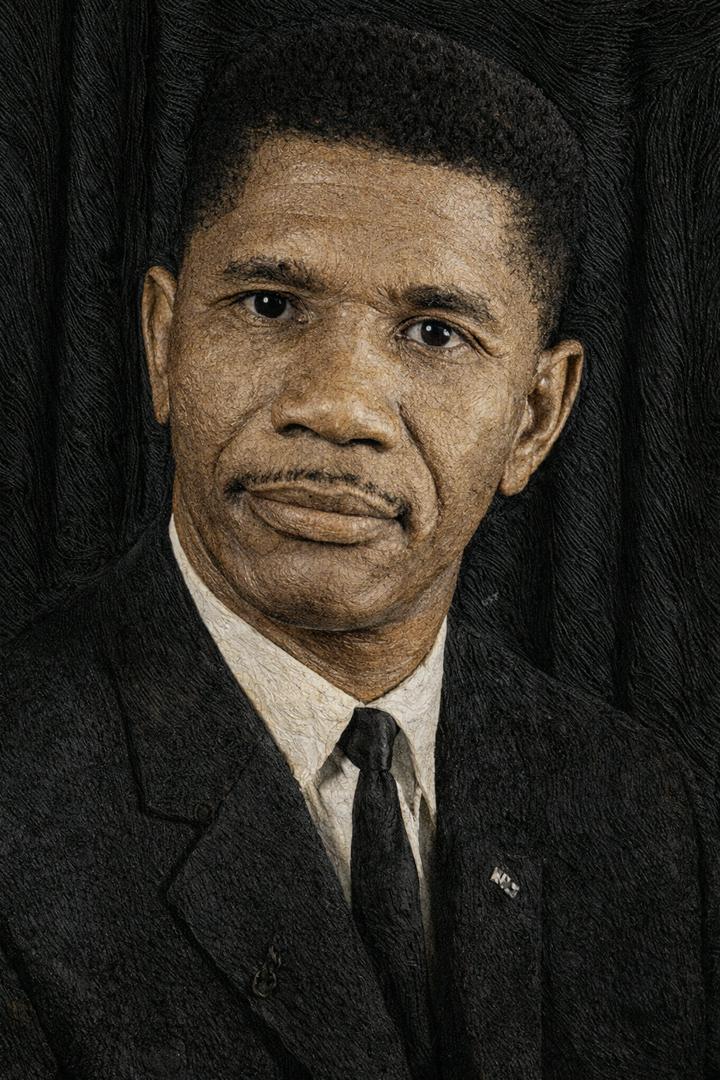
Born on July 2, 1925, in Decatur, Mississippi, Evers grew up in a state where segregation shaped nearly every part of daily life. After serving in the United States Army during World War II, he returned home determined to build a better future. He later attended Alcorn Agricultural and Mechanical College, where he studied business administration and became active in student leadership. In 1954, Evers became the NAACP’s first field secretary in Mississippi. In that role, he traveled across the state organizing local branches, encouraging voter registration, investigating racial violence, and helping challenge segregation in schools and public spaces. His work placed him on the front lines of one of the most dangerous battles in the South. Evers also helped investigate the 1955 murder of Emmett Till and worked to expose the brutal realities Black families faced in Mississippi. He pushed for equal access to education, fought discriminatory laws, and worked to expand basic rights that had long been denied. Because of his work, Evers lived under constant threat. His home was attacked, his family lived with fear, and he knew that speaking openly against injustice could cost him his life. Still, he refused to step away from the work. On June 12, 1963, Medgar Evers was assassinated outside his home in Jackson, Mississippi. His murder shocked the nation and became one of the defining tragedies of the civil rights era. Though his life was cut short, his courage left a lasting mark on American history. Medgar Evers is remembered not only as a leader, but as a man who kept showing up for the work even when the danger was clear. His legacy lives on in the continued fight for justice, dignity, and equal protection under the law. #OurHistory #MedgarEvers #AmericanHistory #CivilRightsHistory #LataraSpeaksTruth

LataraSpeaksTruth

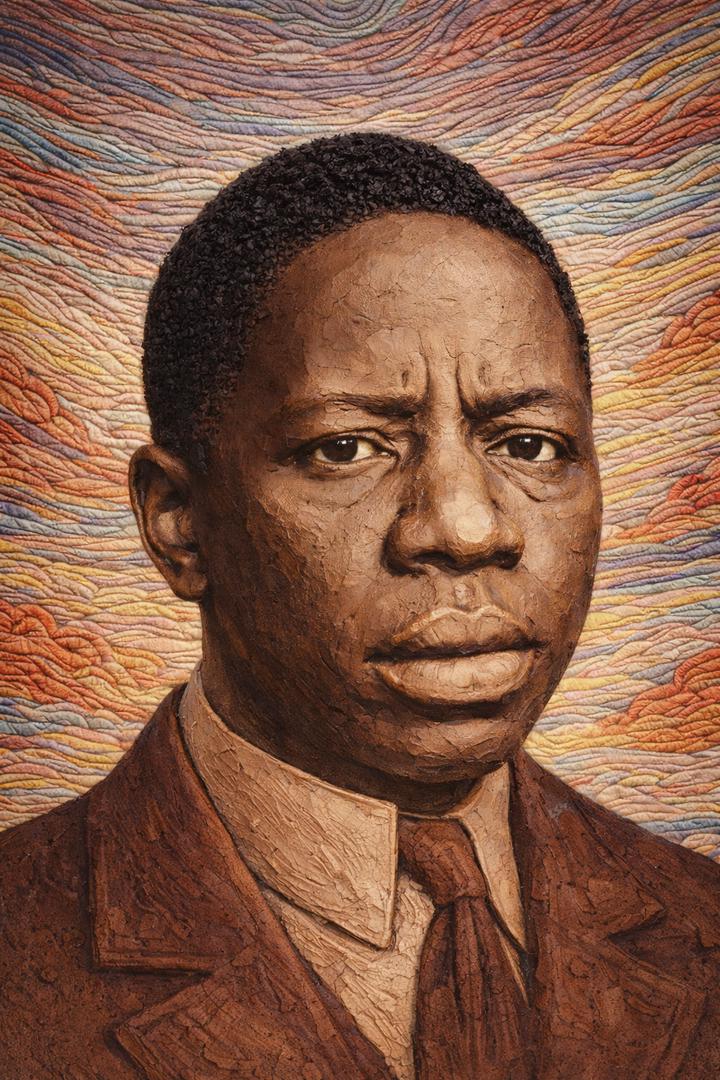
On March 8, 1943, Private George Watson of the U.S. Army’s 29th Quartermaster Regiment was aboard the U.S. Army Transport Jacob near Porlock Harbor, New Guinea, when enemy aircraft attacked during World War II. Bombs struck the ship and forced the men aboard into open water. What followed was confusion, fear, and a fight to survive. Some of the soldiers could not swim. Others were wounded, exhausted, or too panicked to make it to safety on their own. Private Watson had a chance to focus on himself. He did not. Instead, he stayed in the water and helped other soldiers reach a life raft. Witnesses later remembered that he repeatedly assisted men who were struggling, putting their lives ahead of his own. In the middle of disaster, he kept choosing service over self preservation. That choice cost him his life. As the ship sank, Watson was pulled beneath the surface and drowned after helping save several of his fellow soldiers. The men who survived did not forget what they saw. They remembered the soldier who stayed behind in the water so others could live. For years, his bravery was honored, but not with the nation’s highest military recognition. That finally changed in 1997, when Private George Watson was posthumously awarded the Medal of Honor. His story is not just about war. It is about character. It is about what a person does when fear is real, death is close, and there is still a chance to choose courage. George Watson made that choice again and again. He did not leave the water that day. But the men he helped did. And because they lived to tell it, his name still rises from the pages of history. #RepostWorthy #GeorgeWatson #MedalOfHonor #WWIIHistory #AmericanHistory #GoneButNotForgotten

LataraSpeaksTruth

On March 3, 1991, a traffic stop in Los Angeles turned into one of the most widely seen police brutality cases in American history. That night, 25 year old Rodney King was pulled over by officers from the Los Angeles Police Department after a high speed chase. What happened next was captured on video and broadcast across the country. A nearby resident, George Holliday, used a home video camera to record several officers repeatedly striking King with batons and kicking him while he was on the ground. The footage showed King being hit dozens of times as officers attempted to restrain him. The video aired on television stations nationwide and quickly became a defining moment in public discussions about policing and accountability. For many Americans, it was the first time they had seen such an incident documented so clearly on camera. Four officers were eventually charged in connection with the beating. In April 1992, a jury in Simi Valley acquitted three of the officers and failed to reach a verdict on the fourth. The verdict triggered several days of unrest in Los Angeles. The 1992 Los Angeles uprising resulted in more than 60 deaths, thousands of injuries, and widespread property damage across the city. Later, two of the officers were tried in federal court for violating King’s civil rights. In 1993, two officers were convicted and sentenced to prison. The Rodney King beating and the video that captured it became a turning point in how the public viewed police encounters. It also marked one of the earliest moments when citizen recorded video began playing a major role in documenting incidents of police violence. More than three decades later, the footage remains one of the most recognized videos in modern American history. #RodneyKing #BlackHistory #1990sHistory #LosAngelesHistory #AmericanHistory #CivilRightsHistory #OnThisDay #HistoryMatters

LataraSpeaksTruth

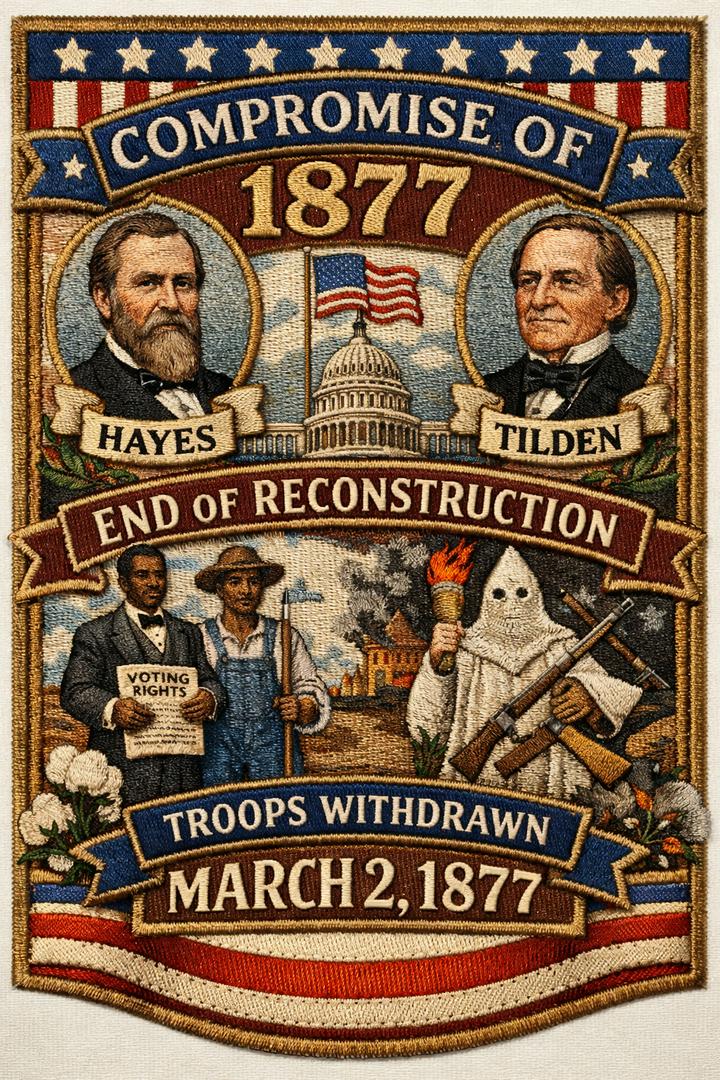
On March 2, 1877, Congress finished counting the electoral votes from the disputed 1876 presidential election and certified Rutherford B. Hayes as president over Samuel J. Tilden by a single electoral vote, 185 to 184. That outcome did not happen on its own. In late January 1877, Congress created a special Electoral Commission to decide the contested electoral votes from several states. The Commission’s rulings were then accepted during the final count on March 2. In the weeks that followed, Democrats ended their resistance to Hayes taking office and Republicans moved toward a set of understandings that later became known as the Compromise of 1877. It was not one signed document. It was political bargaining, and the biggest consequence was federal enforcement in the South being scaled back. After Hayes was inaugurated on March 5, 1877, the remaining federal troops stationed at Southern statehouses were withdrawn, commonly dated to April 1877. With that protection gone, the last Reconstruction governments in places like Louisiana and South Carolina collapsed. In plain language, this meant people who had gained political influence after the Civil War, especially formerly enslaved people and African Americans, were left with far less federal protection at the ballot box and in public life. White supremacist intimidation and organized violence became easier to carry out. Over time, state governments built stronger systems of segregation and voter suppression through laws, procedures, and local enforcement. So yes, the core takeaway is correct. March 2 marks the certification that cleared the way. The troop withdrawal that helped end Reconstruction followed soon after. #OnThisDay #March2 #1877 #Reconstruction #CompromiseOf1877 #Hayes #Tilden #ElectoralCount #ElectoralCommission #USHistory #AmericanHistory #SouthernHistory #VotingRightsHistory

LataraSpeaksTruth

In January 1811, along the Mississippi River just upriver from New Orleans, enslaved men did what the system insisted could not happen. They organized. They marched. They fought back. The German Coast Uprising began on the night of January 8, 1811, in the Territory of Orleans, in the plantation corridor that later became today’s St. John the Baptist, St. Charles, and Jefferson parishes. The region was nicknamed the “German Coast” for early German settlers, but by 1811 it was dominated by sugar plantations built on enslaved labor. The revolt ignited at the plantation of Colonel Manuel Andry near present day LaPlace. Enslaved men attacked Andry, seized weapons and supplies, and moved down River Road toward New Orleans under the leadership of Charles Deslondes, an enslaved man often described as having Haitian ties and acting in the shadow of the Haitian Revolution. Estimates vary, but many accounts place the initial group at roughly 60 to 125 men, growing as they moved plantation to plantation. Some later reconstructions suggest participation could have reached into the hundreds. Most carried farm tools, axes, and pikes, with fewer firearms. Over about two days and roughly twenty miles, the rebels burned plantation buildings, sugarhouses, and crops, striking the engine that kept the system running. Their destination was New Orleans, and their march signaled a direct challenge to slavery. Militia, planters, and U.S. troops mobilized quickly. The uprising was crushed on January 10, and captures followed. Many were killed in battle or executed after tribunals. A commonly cited total is about 95 enslaved people killed during the conflict and aftermath. Severed heads were displayed along the levee and River Road as a warning. It did not topple the system. But it exposed how fragile it was, and how determined freedom had already become. #GermanCoastUprising #1811Uprising #LouisianaHistory #AmericanHistory #HiddenHistory #EnslavedResistance

LataraSpeaksTruth

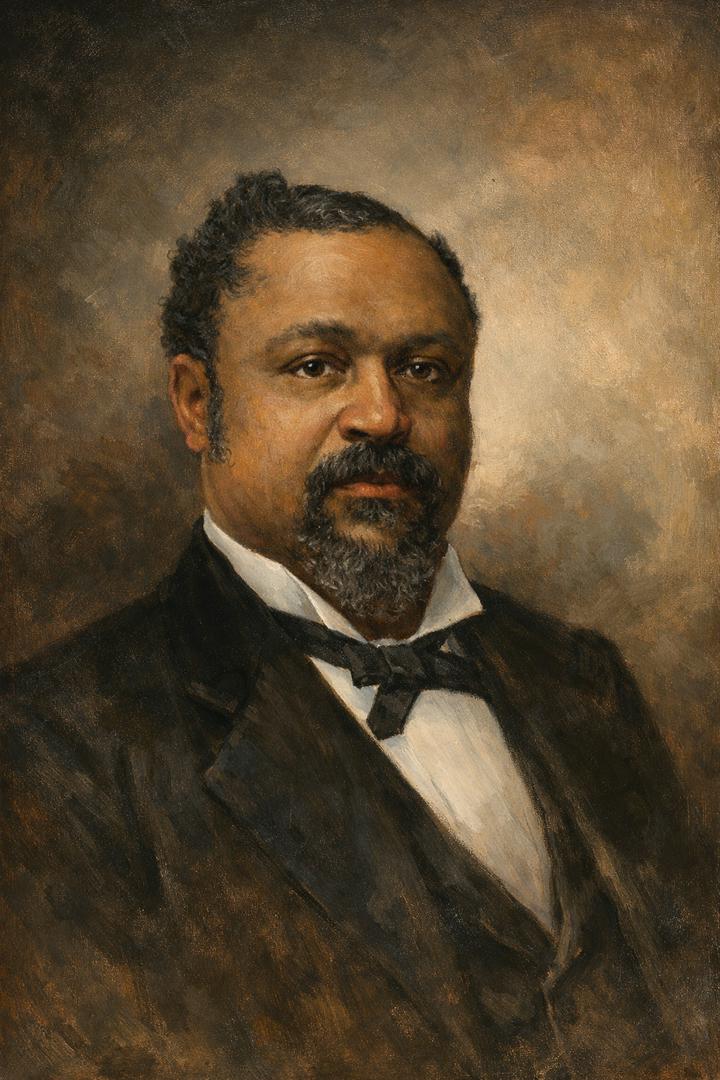
Blanche Kelso Bruce was born enslaved on March 1, 1841, near Farmville in Prince Edward County, Virginia. As a child, he received an education that was rare for someone held in bondage, and he carried that learning like a tool he refused to put down. When the Civil War began, Bruce left slavery and made his way west to Kansas. After that, he worked as a teacher in Hannibal, Missouri, helping educate newly freed Black children during the turbulent first years after emancipation. In 1868 he moved to Mississippi during Reconstruction and built a life in public service. He served on the Mississippi Levee Board, then held county office in Bolivar County as sheriff and later as tax collector from 1872 to 1875. In February 1874, Mississippi’s state legislature elected him to the United States Senate. He served from March 4, 1875, to March 3, 1881. Bruce was the second African American to serve in the U.S. Senate, and the first to complete a full six year term. In 1879 he became the first African American to preside over the Senate, a moment that carried weight far beyond the chamber. After his Senate service, Bruce continued in federal roles. In 1881 President James A. Garfield appointed him Register of the Treasury. He later served as Recorder of Deeds for Washington, D.C., and returned again as Register of the Treasury in 1897. Bruce died in Washington, D.C., on March 17, 1898, and was buried at Woodlawn Cemetery. Sources used for verification include the U.S. Senate’s biography of Bruce and the Biographical Directory of the United States Congress. #BlancheKelsoBruce #USSenate #ReconstructionEra #MississippiHistory #VirginiaHistory #AmericanHistory #BlackHistory #CivilWarEra #PoliticalHistory #HistoryMatters

LataraSpeaksTruth

February 22, 1911…In Philadelphia, Frances Ellen Watkins Harper’s earthly voice went quiet, but her words stayed loud. She was an abolitionist, poet, public speaker, and reformer who used language like a torch in a windstorm…steady, bright, and impossible to ignore. Born free in Baltimore in 1825, she still lived under a country that tried to limit what a Black woman could learn, say, and become. She refused that script. She taught, wrote, and stepped onto stages where people expected silence from her and got truth instead. Harper understood freedom was not just a moment, it was a life. If people could not read, could not learn, could not protect their families, then “freedom” was just a fancy word with no weight behind it. So she pushed education, dignity, and real change, even when it was unpopular, unsafe, or both. Her writing carried the same spine. She wrote poems that mourned slavery without softening it, and stories that insisted Black people were fully human, fully worthy, fully meant to rise. Later, she published work that challenged the nation to face what it had done and what it still refused to fix. She also helped build community power, especially among women, when the culture tried to keep them in the background. She believed faith and conscience had to show up in public life, not just in private feelings. Moral courage, to her, was action…not vibes. So today is not just a date. It is a reminder that some people told the truth before it was trendy, and they kept telling it when it cost them. Frances Ellen Watkins Harper did not wait for permission to matter. #FrancesEllenWatkinsHarper #OnThisDay #BlackHistory #WomensHistory #Abolitionist #Poet #Author #HistoryMatters #OurHistory #PhiladelphiaHistory #AmericanHistory #Education #WomensRights #Legacy
LataraSpeaksTruth

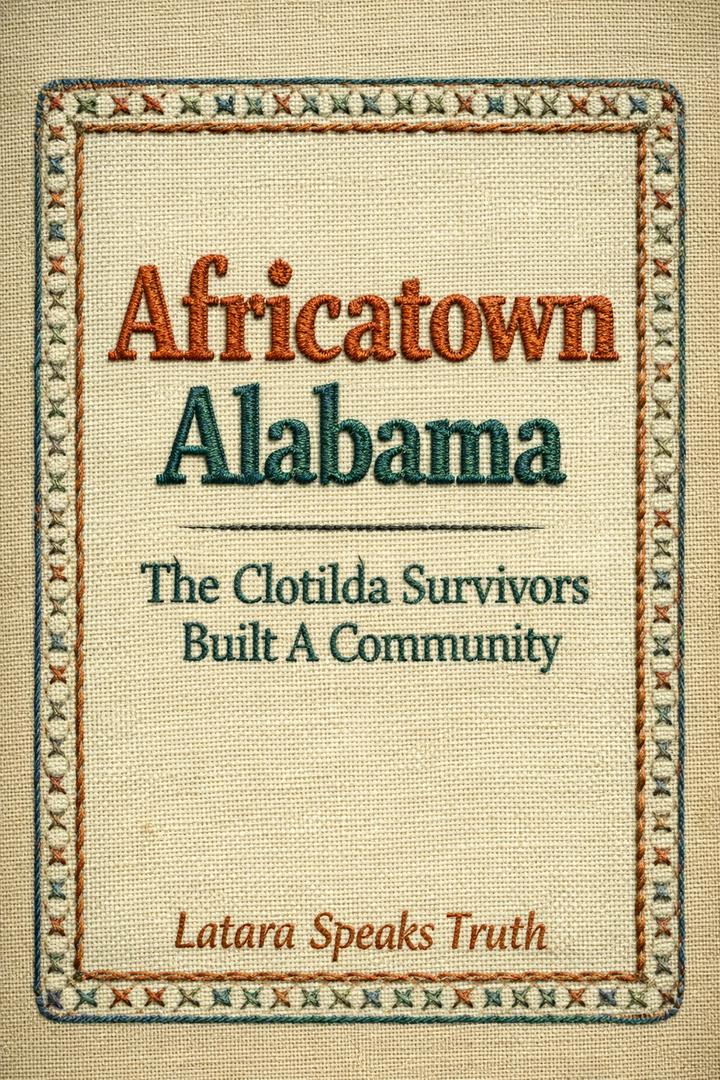
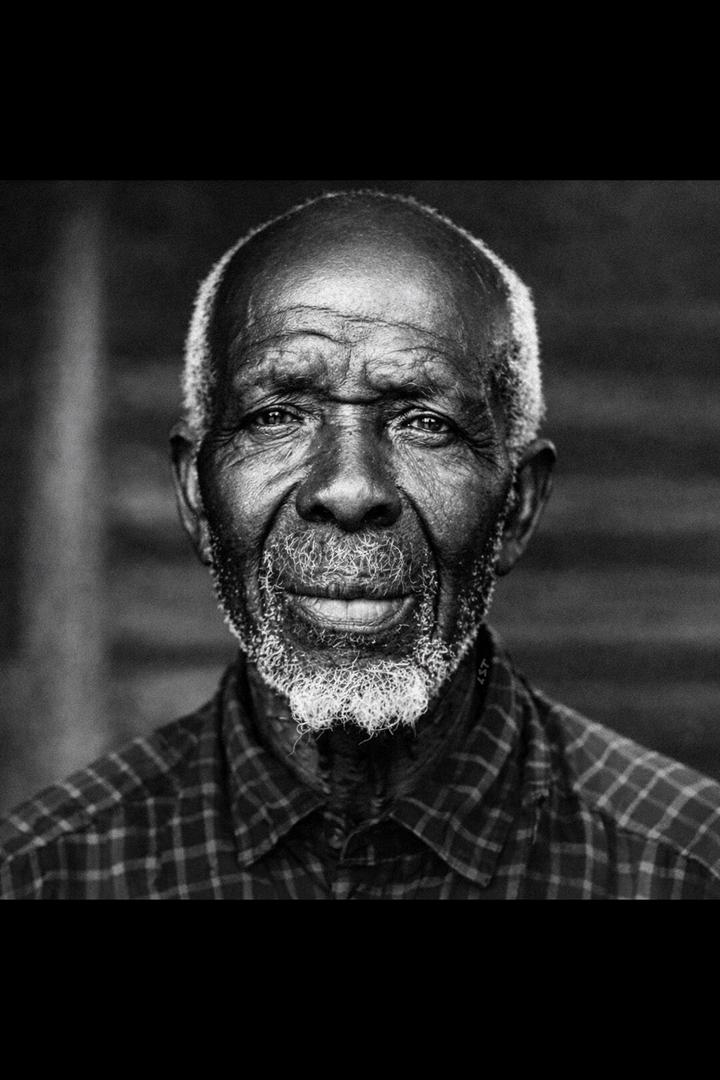
In 1860, long after the United States banned the international slave trade in 1808, a ship called the Clotilda was used to smuggle about 110 captive Africans into the Mobile area in Alabama. The people behind it knew it was illegal. After the captives were brought ashore, the crew burned the ship and sank it in the Mobile River delta to hide the evidence. After emancipation, many survivors wanted to return to West Africa, but they could not afford passage. So they did something powerful and practical. They pooled money, bought land north of Mobile, and built an independent community that became known as Africatown, often linked to its founding around 1866. It was not just a place to live. It was a decision to rebuild on their own terms with churches, a school, family networks, mutual aid, and cultural memory held tight. One of the most well known survivors was Oluale Kossola, often called Cudjo Lewis. He lived until 1935 and shared his story in detail, helping keep names, places, and experiences from being lost. For generations, outsiders doubted Africatown’s origin story. Then in May 2019, archaeologists and the Alabama Historical Commission confirmed a wreck as the Clotilda, backing up what descendants had been saying all along. They tried to erase the crime. Africatown refused to disappear. #Africatown #Clotilda #MobileAlabama #AlabamaHistory #BlackHistory #HiddenHistory #UntoldHistory #AmericanHistory #HistoryMatters #CudjoLewis

LataraSpeaksTruth

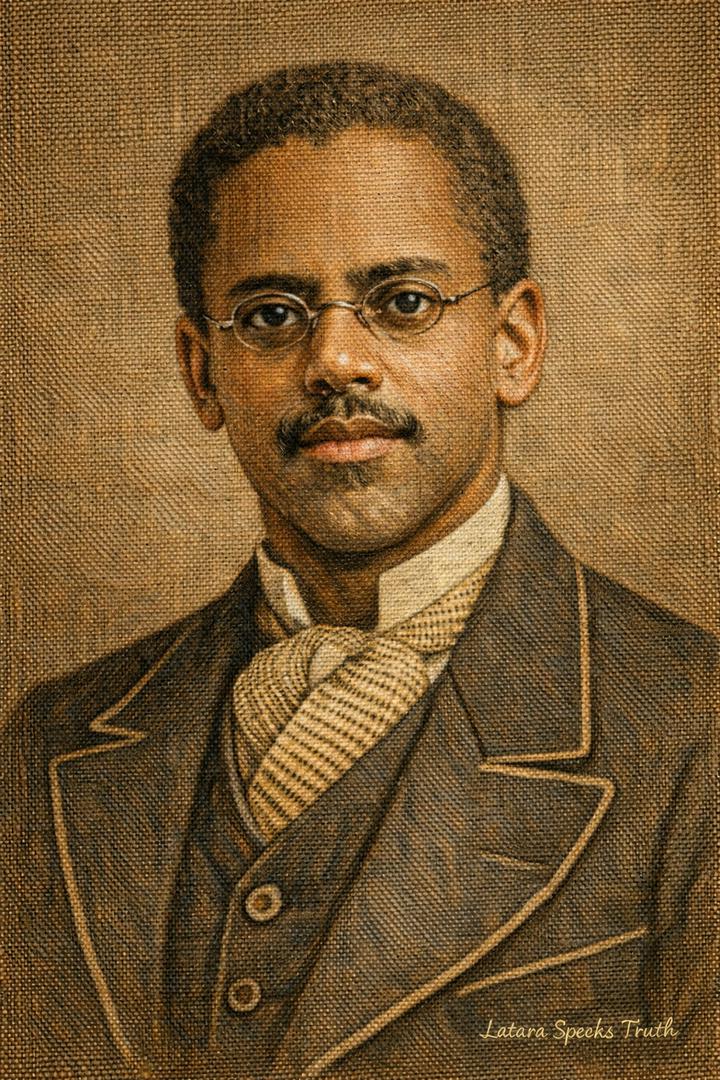
Benjamin Boardley…not Bradley…was born enslaved in Anne Arundel County Maryland around 1830, and his story is one of those “how did we not learn this in school” moments. The “Bradley” spelling spread because of an old print mistake, and it stuck so hard that people still repeat it today…so yeah, saying his real name matters. As a teenager, Boardley showed serious mechanical genius. Accounts describe him building a working steam engine using scrap materials, including parts like a gun barrel, metal pieces, and whatever he could get his hands on. While still enslaved, he was connected to work around the U.S. Naval Academy in Annapolis, where his skill didn’t just impress people…it forced them to admit what they were looking at. Talent. Precision. Engineering mind. Here’s the part that hits the hardest. He couldn’t legally patent what he built because he was enslaved…yet he could still create something valuable enough to sell. He earned money from his work, received support from others who believed in what he could do, and used that combined funding to purchase his freedom. His manumission was recorded on September 30, 1859…a receipt of freedom bought with invention. Not luck…not charity…work. Igbo Landing shows refusal in the water. Benjamin Boardley shows refusal in iron and fire. Different kind of resistance…same message. You don’t get to decide what we are capable of. #BenjaminBoardley #BlackInventors #HiddenHistory #AmericanHistory #MarylandHistory #NavalAcademy #BlackExcellence #UntoldStories #HistoryMatters #STEMHistory

Tag: AmericanHistory - Page 7 | LocalAll