Tag Page AmericanHistory

#AmericanHistory
LataraSpeaksTruth

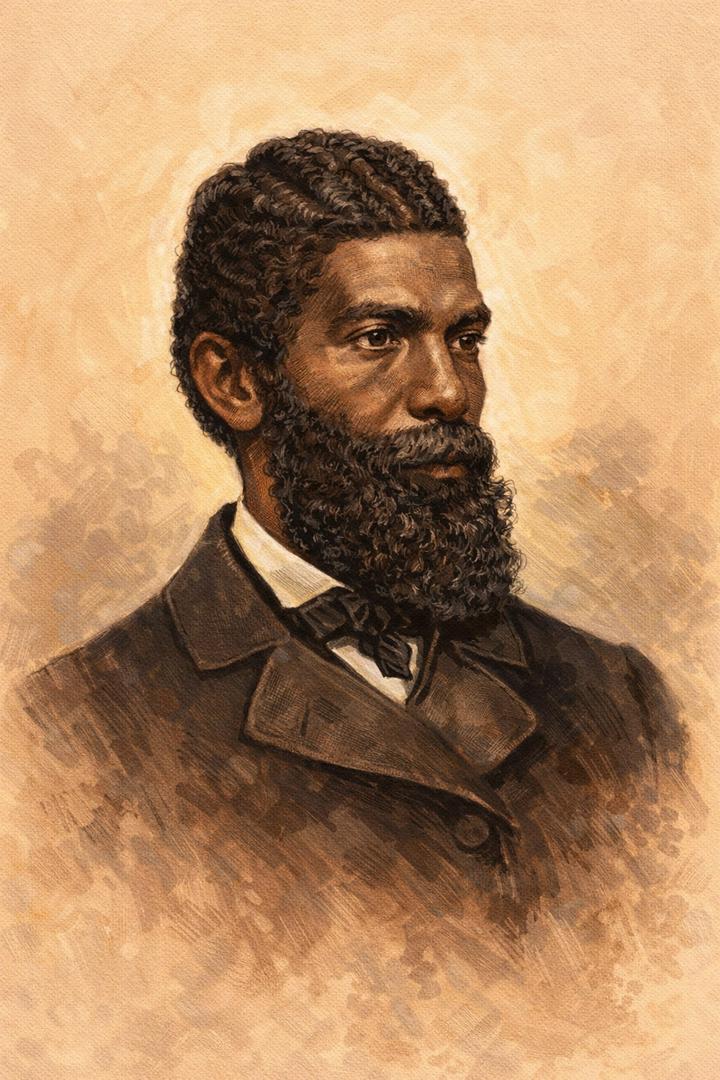
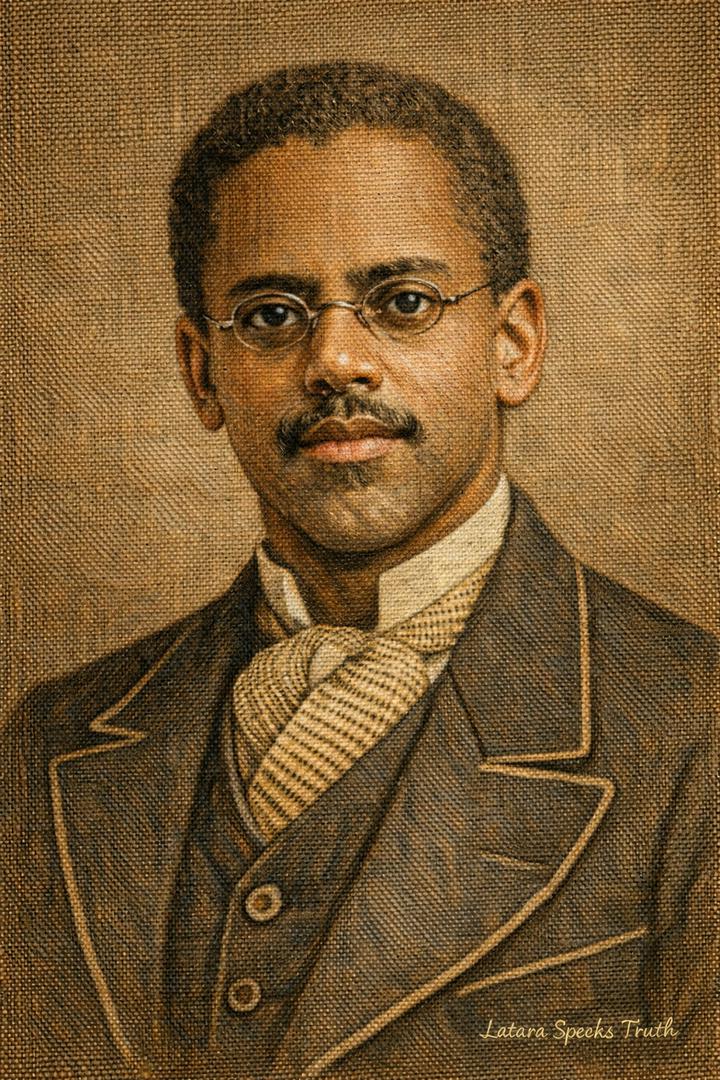
Benjamin Boardley…not Bradley…was born enslaved in Anne Arundel County Maryland around 1830, and his story is one of those “how did we not learn this in school” moments. The “Bradley” spelling spread because of an old print mistake, and it stuck so hard that people still repeat it today…so yeah, saying his real name matters. As a teenager, Boardley showed serious mechanical genius. Accounts describe him building a working steam engine using scrap materials, including parts like a gun barrel, metal pieces, and whatever he could get his hands on. While still enslaved, he was connected to work around the U.S. Naval Academy in Annapolis, where his skill didn’t just impress people…it forced them to admit what they were looking at. Talent. Precision. Engineering mind. Here’s the part that hits the hardest. He couldn’t legally patent what he built because he was enslaved…yet he could still create something valuable enough to sell. He earned money from his work, received support from others who believed in what he could do, and used that combined funding to purchase his freedom. His manumission was recorded on September 30, 1859…a receipt of freedom bought with invention. Not luck…not charity…work. Igbo Landing shows refusal in the water. Benjamin Boardley shows refusal in iron and fire. Different kind of resistance…same message. You don’t get to decide what we are capable of. #BenjaminBoardley #BlackInventors #HiddenHistory #AmericanHistory #MarylandHistory #NavalAcademy #BlackExcellence #UntoldStories #HistoryMatters #STEMHistory

LataraSpeaksTruth

In May 1803, a group of captive Igbo people from West Africa reached the Georgia coast through a system that treated human beings like cargo. After arriving through Savannah, they were being transported toward plantations in the Sea Islands region. But somewhere between arrival and ownership, they refused the future that had been assigned to them. Accounts describe resistance during transport near St. Simons Island, with captives breaking control long enough to reach the shoreline at Dunbar Creek. What happened next has echoed for over two centuries. Oral histories carried in Gullah Geechee communities, alongside later written records, remember the Igbo choosing the water rather than bondage. Not confusion. Not accident. A decision. The details are debated, including how many drowned, who survived, and what happened in the moments after. Many tellings suggest at least ten to twelve people died, while others were captured again. But the heart of the story holds steady across sources. There was revolt. There was refusal. And there was a legacy that turned this place into sacred ground. Igbo Landing is remembered as more than tragedy. It is remembered as a declaration. A line drawn in saltwater. Proof that enslaved people were never simply captured and compliant. They fought, even when the only exit left was the sea. #IgboLanding #StSimonsIsland #GeorgiaHistory #GullahGeechee #AfricanDiaspora #SlaveResistance #AmericanHistory #HiddenHistory #UntoldStories #HistoryMatters

MrsBlunt

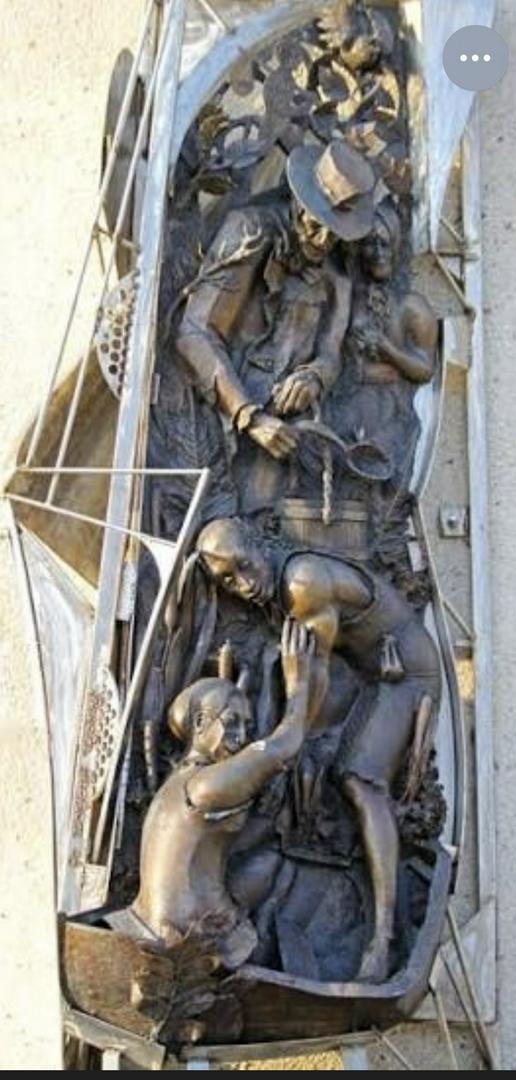
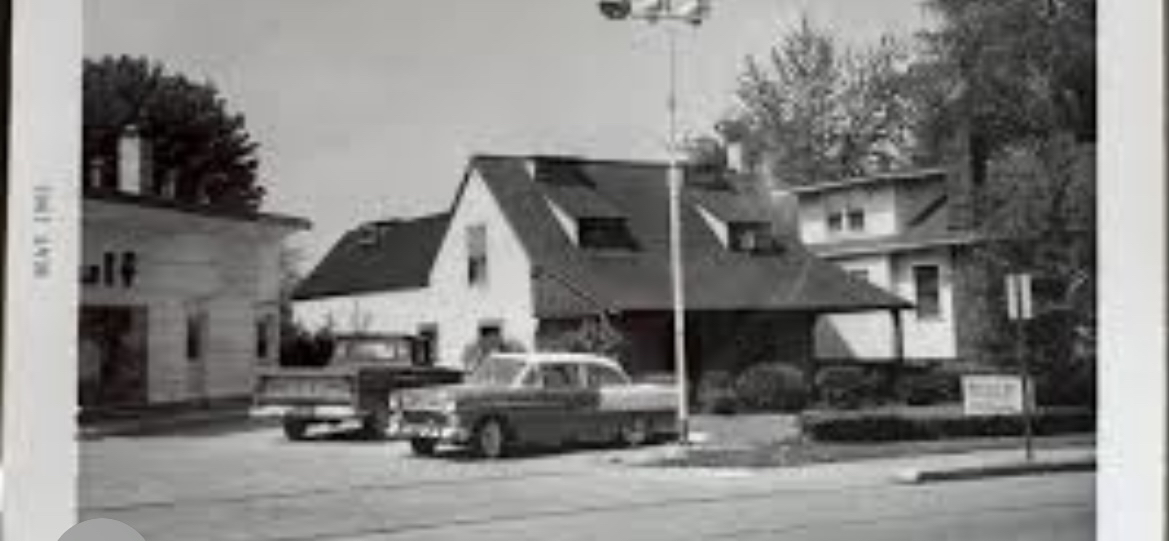
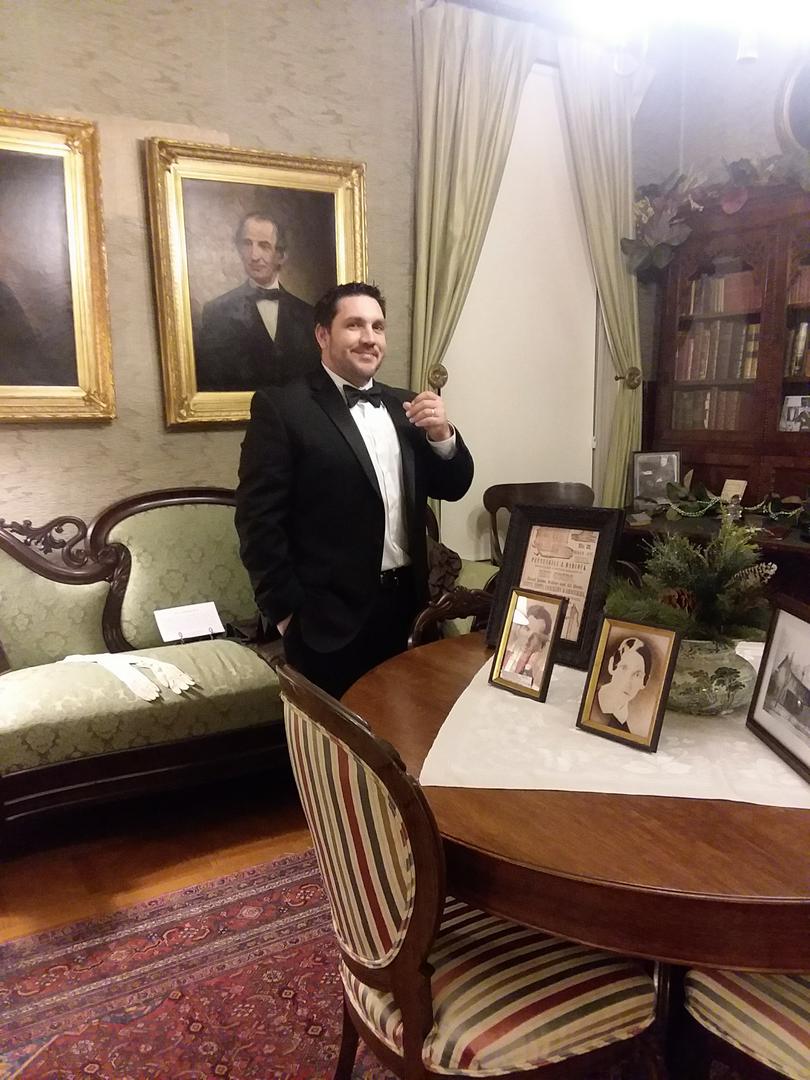
🚨 YOU ARE NOT READY FOR THIS ILLINOIS HISTORY. 🚨 Forget what you think you know about Peoria. Before it was known for industry, it was a dangerous, high-stakes battleground for freedom. 🚂✨ Did you know Peoria was a major hub on the Underground Railroad? 🛤️ At the center of it all was the Moses Pettengill House. This wasn't just a home; it was a sanctuary. Moses and his wife, Lucy, risked imprisonment—and their lives—to hide freedom seekers fleeing north along the Illinois River. 🏠⚖️ Pro-slavery mobs threatened them. They were arrested. But they never stopped. 💡 Why this is viral material: • Abraham Lincoln was a personal friend of the Pettengills and visited the house! 🎩 • The original site is now marked by the incredible "Knockin' on Freedom’s Door" sculpture by Preston Jackson. 🎨✊ • Peoria's abolitionists were so hardcore, they held meetings even when mobs surrounded them. Next time you are downtown, look at the corner of Liberty and Jefferson. You’re standing on history that changed America. 🇺🇸 Share this to make sure the heroes of Peoria are never forgotten! 👇 #PeoriaIL #UndergroundRailroad #BlackHistory #IllinoisHistory #AmericanHistory #ViralHistory

LataraSpeaksTruth

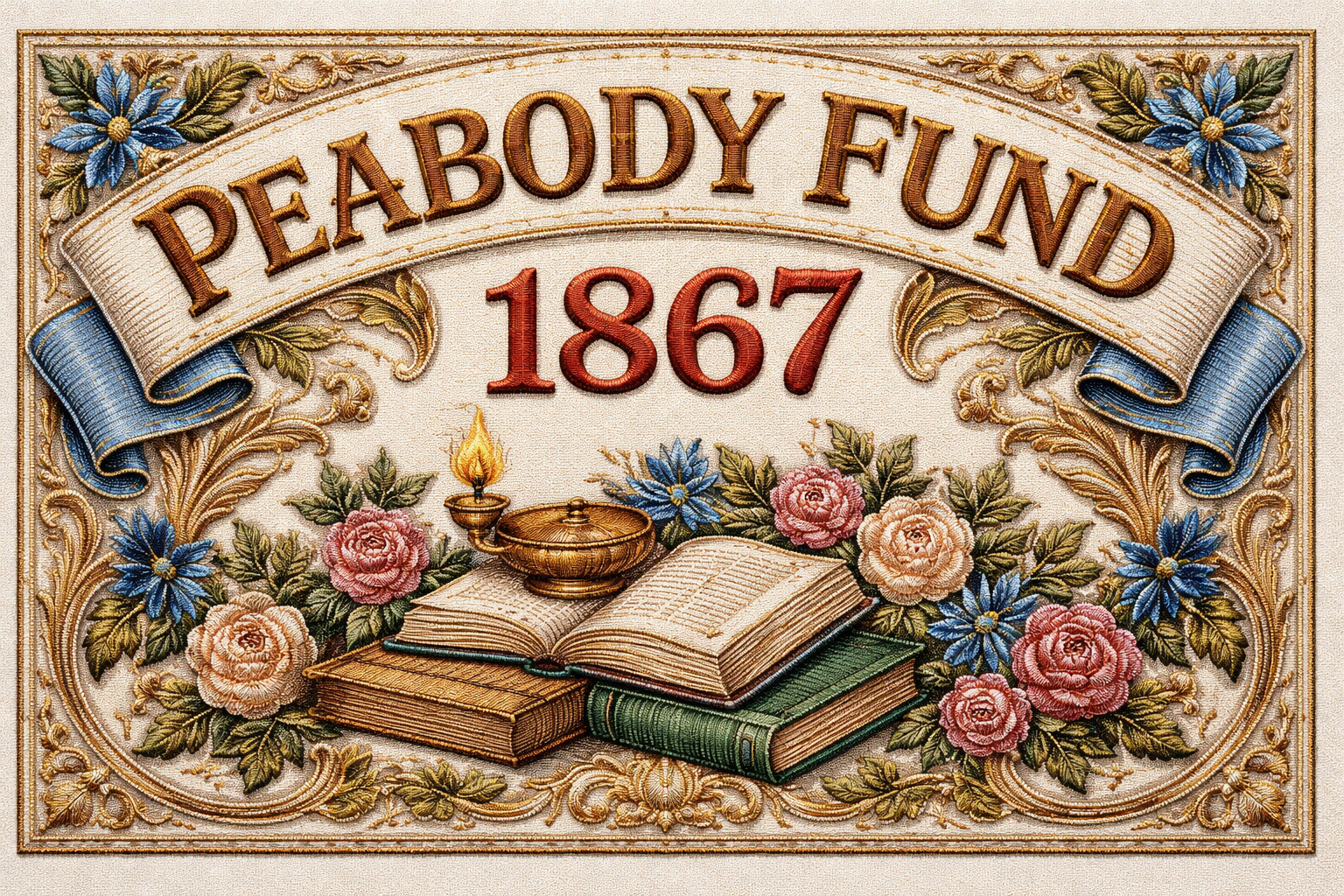
In 1867, the Peabody Education Fund was established during Reconstruction, a period when the South had almost no public school system and millions of formerly enslaved people were urgently seeking education. Created through a $2 million endowment by philanthropist George Peabody, the fund aimed to support public education across the former Confederate states. On paper, it was race neutral. In practice, its impact reflected the racial power structures of the time. Most Peabody funds were distributed through white-controlled state systems and institutions, meaning Black schools often benefited only indirectly or received fewer resources. Still, the fund helped establish teacher training programs, normal schools, and the foundations of public education in the South. That infrastructure mattered, even when access remained unequal. For Black communities, education did not wait on philanthropy. Schools were built in churches and homes, teachers were supported by donations, and families pushed forward despite resistance. The Peabody Fund did not create Black education, but it existed alongside a movement that made denying education increasingly difficult. The story of the Peabody Education Fund shows how progress often came through contradiction. Education expanded, but not equally. Access improved, but not freely. And yet, Black communities continued to press forward, proving that learning was never something simply granted…it was something pursued, protected, and demanded. #EducationHistory #ReconstructionEra #BlackHistory #AmericanHistory #HiddenHistory

LataraSpeaksTruth

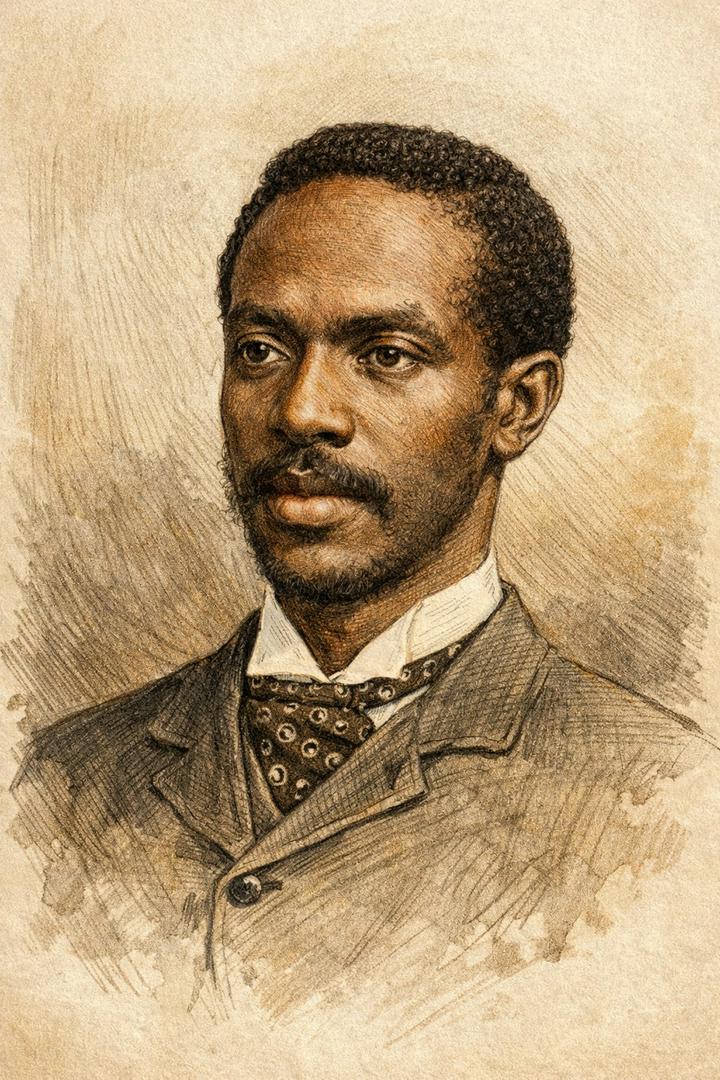
In 1870, Jonathan Jasper Wright made American history when he was elected to the South Carolina Supreme Court, becoming the first African American to hold a major judicial position at the state level. The moment passed without national celebration, but its significance was profound. A formerly enslaved man stepped into one of the highest legal institutions in the South during one of the most volatile periods in American history. Wright’s election came during Reconstruction, when Southern states briefly expanded political and civic participation in the aftermath of the Civil War. Born in Pennsylvania in 1840, Wright was educated and legally trained at a time when access to formal schooling was denied to most Black Americans. After relocating to South Carolina, he quickly earned respect as a legal thinker and public servant, serving first in the state senate before his elevation to the court. His role on the bench was substantive, not symbolic. Wright ruled on cases involving contracts, property disputes, and civil authority in a state struggling to redefine itself after slavery. His presence challenged long standing assumptions about who could interpret the law and whose judgment carried authority. Each decision he issued reinforced the reality that legal competence had never been confined to one race. Wright’s tenure was short. As Reconstruction collapsed and political retaliation intensified, he was removed from the bench in 1877 through impeachment proceedings widely viewed as racially motivated. The rollback of progress was swift, but the precedent remained. Jonathan Jasper Wright’s election reshaped American legal history. It proved that access to power could change, even briefly, and that once progress is recorded, it cannot be erased. #1870 #AmericanHistory #JudicialHistory #ReconstructionEra #SouthCarolinaHistory #LegalMilestones #HistoryMatters

LataraSpeaksTruth

On February 1, 1865, John S. Rock became the first Black lawyer admitted to practice before the United States Supreme Court. The moment passed quietly, without ceremony or headlines, but its significance cut straight through the legal and racial barriers of nineteenth-century America. The nation was still locked in civil war, slavery had not yet been formally abolished, and Black citizenship remained hotly contested. Rock’s admission came only eight years after the Dred Scott decision declared that Black people had no rights a white man was bound to respect. In that context, a Black man standing before the highest court in the country was not just uncommon…it was confrontational. It forced the legal system to acknowledge Black intellectual authority in a space that had long been closed by design. Born free in New Jersey in 1825, Rock was a man of rare range and discipline. He began his career as a teacher, then became a physician, and later turned to law after illness ended his medical practice. As an abolitionist and public speaker, he argued forcefully for equal rights, suffrage, and full citizenship, often addressing audiences that were openly hostile to those ideas. His voice was sharp, reasoned, and unapologetic. Rock’s Supreme Court admission did not transform the legal system overnight. Discrimination remained entrenched, and opportunities were still tightly restricted. But precedent matters. His presence made it impossible to argue that Black Americans lacked the intellect, discipline, or moral authority to participate at the highest levels of American law. February 1, 1865, stands as a reminder that some of history’s most meaningful shifts happen without applause. A door opened. A boundary moved. And the record was changed forever. #OnThisDay #AmericanHistory #LegalHistory #HiddenHistory #HistoryMatters

LataraSpeaksTruth

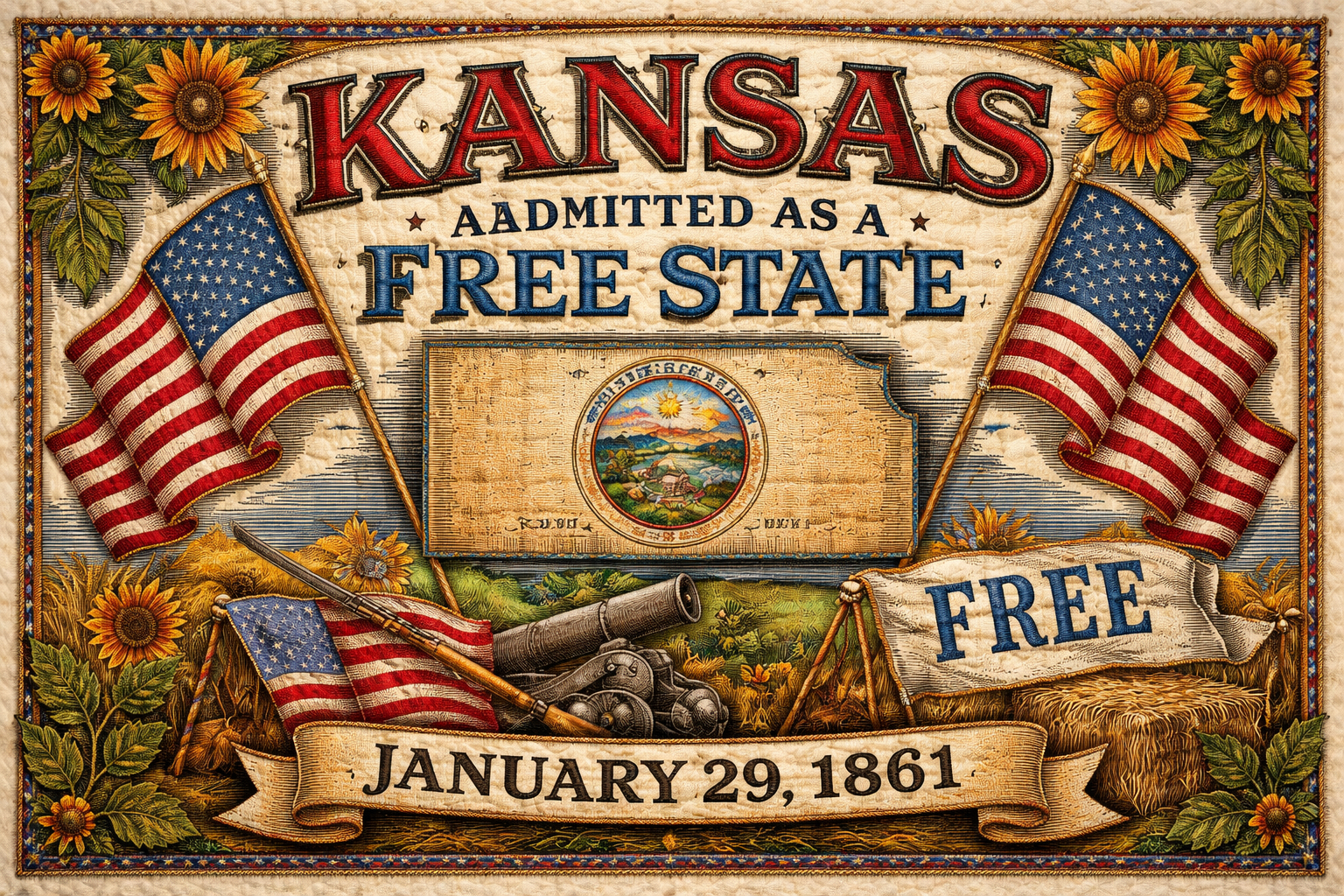
On January 29, 1861, Kansas was admitted to the Union as the 34th state, entering as a free state after years of violent political struggle that foreshadowed the Civil War. Its admission marked a turning point in the national conflict over slavery and revealed how deeply divided the country had become. Kansas was not a typical territory seeking statehood. After the Kansas–Nebraska Act of 1854 allowed settlers to vote on whether slavery would be legal, pro-slavery and anti-slavery factions flooded the region. Elections were disputed, rival governments formed, and armed clashes broke out. The violence was so severe that the period became known as “Bleeding Kansas.” Over several years, Kansas drafted multiple constitutions, some permitting slavery and others rejecting it. Each reflected the shifting balance of power and the pressure exerted by national political forces. The struggle in Kansas was closely watched across the country because it demonstrated that compromise on slavery was no longer holding. By the time Kansas was admitted as a free state, seven Southern states had already seceded from the Union. The decision further weakened the political influence of slaveholding states and intensified tensions between North and South. Just weeks later, the Civil War would officially begin with the attack on Fort Sumter. Kansas entered the Union bearing the marks of a conflict that could no longer be contained. Its path to statehood showed that the fight over slavery was no longer abstract or distant. It was unfolding in real time, on American soil, with consequences that would soon engulf the nation. #January29 #OnThisDay #KansasHistory #AmericanHistory #CivilWarEra #USHistory #Statehood #BleedingKansas #HistoricalMoments

LataraSpeaksTruth

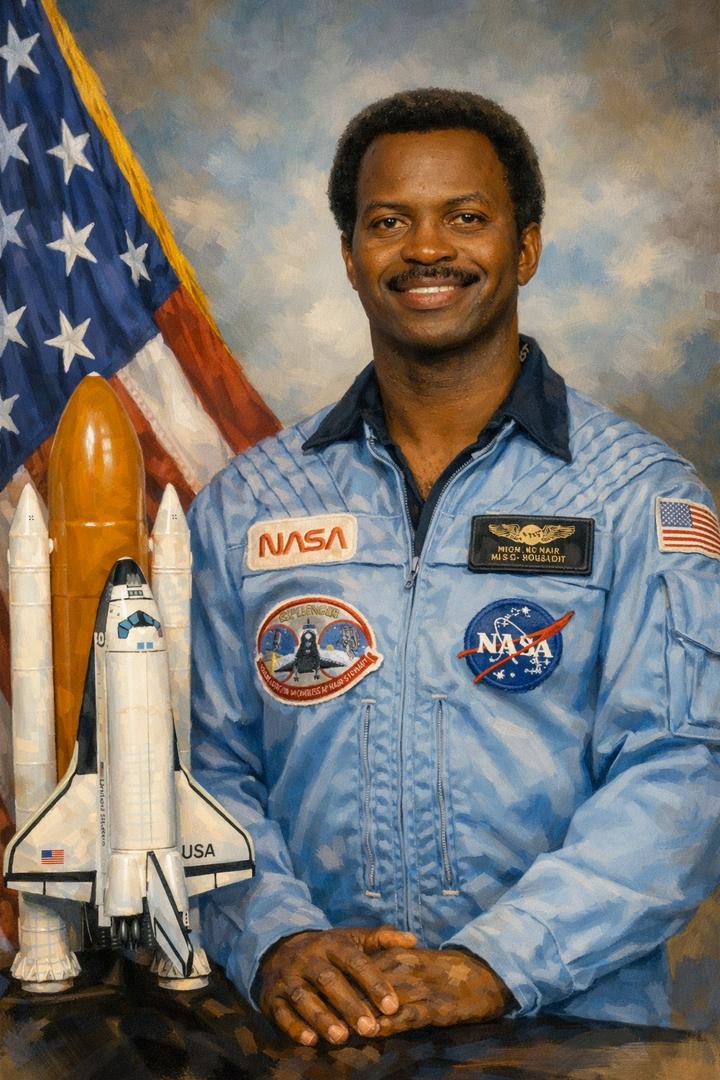
January 28, 1986 remains one of those dates that hums beneath American memory, a quiet reminder of loss, reckoning, and unfinished lessons. On that cold morning, the Space Shuttle Challenger broke apart just 73 seconds after liftoff, killing all seven crew members and shattering the belief that progress was always safe, controlled, and inevitable. What was meant to be a celebration of exploration became a public confrontation with risk, pressure, and human fallibility. Among those lost was Ronald E. McNair, physicist, astronaut, scholar. Raised in Lake City, South Carolina, McNair’s path to NASA reflected what discipline, brilliance, and persistence could achieve even in a nation slow to extend opportunity. He was not a symbol placed for optics. He was a scientist, deeply trained, rigorously prepared, and fully qualified. The Challenger disaster was not a failure of intelligence. It was a failure of judgment. Engineers had warned that the shuttle’s O rings were vulnerable in cold temperatures. Those concerns were discussed and ultimately overridden. Schedule pressure, public expectations, and institutional momentum outweighed caution. Advancement was prioritized over safety, and the cost was human life. For a generation watching live in classrooms, Challenger marked a loss of innocence. Teachers cried. Students stared. The future, once certain and televised, suddenly looked fragile. Systems meant to protect progress were exposed as pressured and deeply human. Ronald E. McNair did not die by chance alone. He died where ambition met ignored accountability. His life remains proof of what is possible when talent is nurtured. His death remains a warning that progress without responsibility is not progress at all. #January28 #ChallengerDisaster #RonaldEMcNair #NASAHistory #SpaceHistory #STEMLegacy #AmericanHistory #OnThisDay #HistoryMatters

LataraSpeaksTruth

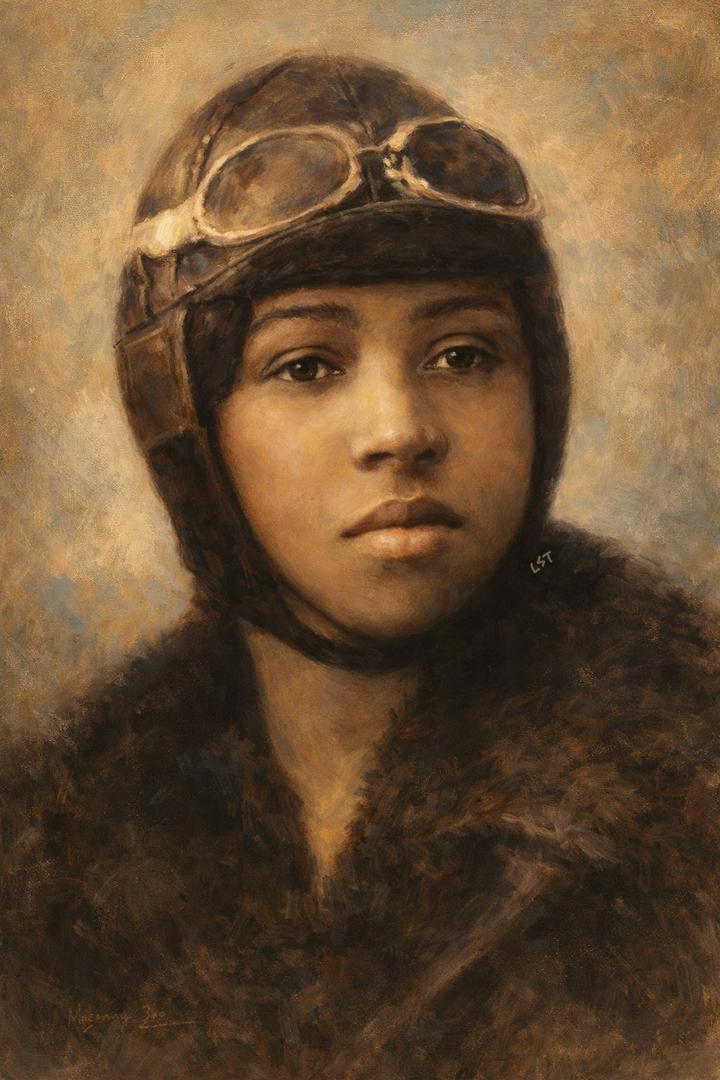
On January 26, 1892, Bessie Coleman was born into a country that told her exactly what she could not be. She listened long enough to understand the rules…and then broke every one of them. When no flight school in the United States would admit a Black woman, Bessie didn’t argue. She learned French, left the country, and trained in France. In 1921, she earned her pilot’s license, becoming the first Black woman and first Native American woman to do so. Not because the system opened a door…but because she refused to wait for one. Bessie didn’t fly for novelty. She flew with purpose. She believed aviation should belong to everyone, and she dreamed of opening a flight school so others wouldn’t have to leave the country just to learn. She refused to perform at airshows that enforced segregation. If audiences were divided, she walked. Progress without dignity wasn’t progress to her. As a barnstormer, she stunned crowds with daring aerial maneuvers, turning the sky into a stage for possibility. Each flight was a quiet rebellion against limitation, proof that skill and courage don’t ask permission. Her life ended too soon. Bessie Coleman died in a plane crash in 1926 at just 34 years old. But her impact never grounded. Every pilot who followed, every barrier lifted higher, carries a trace of her flight path. Some people change history by staying. Others change it by leaving, learning, and coming back stronger. Bessie Coleman did all three. Born January 26. Legacy everlasting. #BessieColeman #January26 #OnThisDay #WomenInHistory #AviationHistory #Trailblazer #AmericanHistory #HistoryMatters #Legacy #BlackExcellence

LataraSpeaksTruth

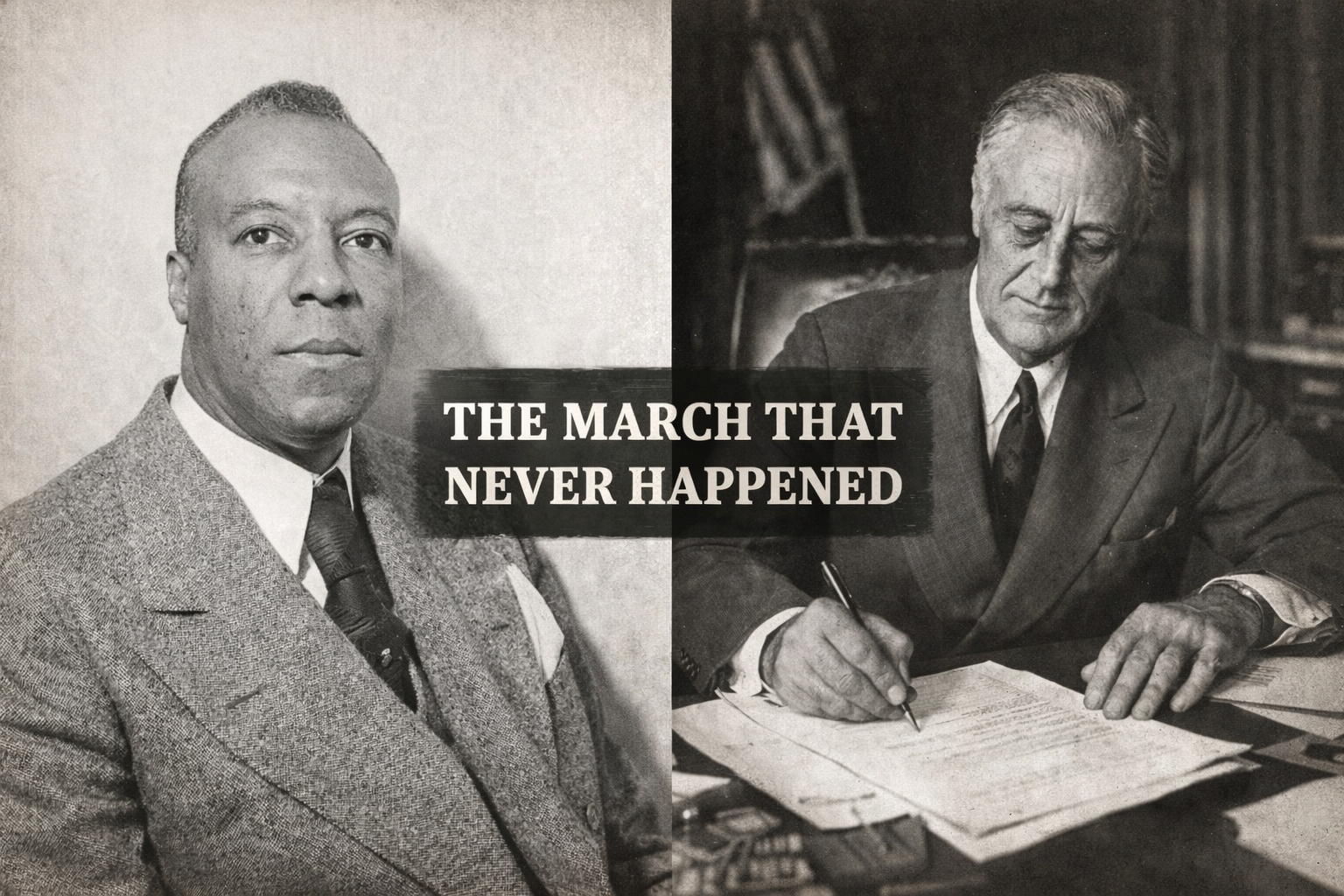
In 1941, as the United States ramped up for World War II, Black workers were largely excluded from defense industry jobs despite the surge in federal contracts and factory expansion. Segregation and discrimination were openly enforced, even as the nation claimed to be fighting for democracy overseas. A. Philip Randolph, president of the Brotherhood of Sleeping Car Porters, challenged that contradiction head-on. He understood that moral appeals alone would not move power… leverage would. Randolph issued a call for a March on Washington, proposing to bring tens of thousands of Black workers to the nation’s capital to protest discriminatory hiring practices in defense industries and federal employment. This was not a symbolic gesture. It was a calculated show of force rooted in labor organizing, discipline, and numbers. The message was unmistakable… access to wartime jobs was not negotiable, and equality would not be postponed for national convenience. The pressure reached the White House. Before the march could take place, President Franklin D. Roosevelt intervened. In June 1941, he signed Executive Order 8802, banning racial discrimination in defense industries and establishing the Fair Employment Practices Committee to investigate violations. It marked the first federal action against employment discrimination since Reconstruction. The March on Washington never happened. It didn’t need to. Roosevelt stepped in because the pressure was undeniable. Randolph called off the march because the demand had been met. The moment stands as proof that organized resistance does not always need to march to win… sometimes the threat alone is enough to force power to move. #APhilipRandolph #MarchOnWashington #ExecutiveOrder8802 #BlackLaborHistory #AmericanHistory #WWIIHomeFront #FairEmployment #CivilRightsBeforeTheMovement #HistoryMatters