Tag Page AmericanHistory

#AmericanHistory
LataraSpeaksTruth

Evacuation Day 1783, Black Loyalists

On November 25, 1783, the British marched out of New York, closing the curtain on the American Revolution. For nearly three thousand Black Loyalists, this day was not an ending. It was a leap into a new beginning. They boarded ships with their names written in the Book of Negroes, often the first time they were recorded as free people. They sailed toward Nova Scotia, the Caribbean, and other British territories, carrying hope like a small flame against a cold wind. Some would later journey to Sierra Leone, still chasing the freedom they had been promised. The good was the chance to claim that freedom. The British had offered it to enslaved people who joined their forces. The bad was the fight over their status. American leaders demanded they be returned as “property.” The British refused, but the argument showed how fragile freedom could be in the new nation. The ugly arrived in Nova Scotia. The winters were brutal, the wages were low, the land grants were broken, and discrimination followed them across the sea. Many families spent years struggling for even a piece of what they had been told they would receive. Yet their departure mattered. Evacuation Day became one of the first large-scale movements of Black Americans choosing their future for themselves. Their courage was recorded. Their journey reshaped the Black diaspora. #BlackHistory #AmericanHistory #OnThisDay #LataraSpeaksTruth #CommunityFeed

Evacuation Day 1783, Black Loyalists
LataraSpeaksTruth

WILLIAM DORSEY SWANN: A HIDDEN FIGURE IN AMERICAN HISTORY

William Dorsey Swann’s name rarely appears in history books, but his story reaches back to the late 1800s. Born into slavery in 1860, Swann stepped into freedom determined to create space for people who lived on the margins. In Washington D.C. he organized private gatherings now recognized as some of the earliest drag balls in the United States. These events were often targeted by police, leading to raids and arrests. Even in the face of that pressure, Swann defended his right to assemble and live openly, becoming the first known person in America to call himself a Queen of Drag. Whether someone agrees with the lifestyle or not, his courage and willingness to stand up to a hostile society make him a significant figure in Black history and in the early struggle for LGBTQ rights. His life shows how many different paths contributed to the broader fight for freedom in this country. A story from the past that reminds us how many different battles shaped American history. #WilliamDorseySwann #BlackHistory #AmericanHistory #LGBTQHistory #HistoricalFigures #CommunityVoices #UntoldStories #LataraSpeaksTruth

WILLIAM DORSEY SWANN: A HIDDEN FIGURE IN AMERICAN HISTORY
LataraSpeaksTruth

York… The Man History Tried to Forget

York was the only Black member of the Lewis and Clark Expedition, yet he returned home to the same bondage he left with. His strength, hunting skills, diplomacy, and endurance helped carry the Corps of Discovery through some of its hardest moments. While others received pay and praise, York received nothing. His story deserves to be remembered for what it is… the truth. York’s contributions were woven into every part of the expedition. He hunted for food, carried heavy loads, provided protection, and helped build relationships with Indigenous communities who showed him respect. Journals from the journey make it clear he worked just as hard as any man on the team. In many moments, he worked harder. Even so, he returned home with no credit and no reward. York’s role highlights how the story of America is often told without the voices of the people whose labor made survival possible. #York #LewisAndClark #HiddenHistory #AmericanHistory #BlackHistory #LataraSpeaksTruth

York… The Man History Tried to Forget
Ursa Mahan-Worlds

Voting Rights Act-For Foundational black Americans part two

I believe alot of Americans do not appreciate the history behind to Voting Rights Act of 1965. Especially minority immigrants who seem to take these rights for granted. Foundational black Americans weren't really thinking about all of the so-called people of color who are a recent addition to the American landscape. They just wanted a voice for their work, military service, free labor, and taxes they paid into. Foundational black Americans have been relatively silent concerning these non-white immigrants who's infiltrated American society. They've been very disrespectful to American history, our benefits, and sacrifices. Especially when it comes to the history of Foundational black Americans. Voting righs, equal housing, bilingual education, military desegregation, the 14th amendment, equal business opportunities, etc. are all laid at their feet when most touch American soil. They also have access to a plethora of immigration agencies Foundational black Americans Freedman do not. Maybe it's time to dismantle these Civil rights that MY ancestors fought for and make everyone fight for their own rights. Since they show no gratitude to their benefactors. Asians had the nerve to fight against OUR AFFIRMATIVE ACTION...which they had no business having a say in OUR American history AT ALL. Foundational black Americans are not minorities OR IMMIGRANTS. WE'RE FREEDMAN with our own unique history. All of these 1960s civil rights have been usurped and taken over by a bunch of grifting newcomers who have no appreciation of America's history. Their ancestors weren't enslaved, lynched, didn't fight in all of America's wars, they're not part of OUR HISTORY. We're not a black and brown history, people of color, marginalized history, minority immigrants, etc.etc. We have a UNIQUE AMERICAN HISTORY and we demand a unique recognition. We need our own civil rights laws based on our American history. #AmericanHistory,#FoundationalblackAmericans,#CivilRights

Voting Rights Act-For Foundational black Americans 

part two
1776 Patriot

Finding an Assassin: The Manhunt for John Wilkes Booth

On the night of April 14, 1865, after assassinating President Abraham Lincoln at Ford’s Theatre, John Wilkes Booth vanished into the darkness of Washington. He crossed the Navy Yard Bridge into Maryland, his leg broke from the leap to the stage. Within hours, Secretary of War Edwin Stanton launched one of the largest manhunts in U.S. history. Telegraphs carried his description to surrounding states and mounted patrols sealed the capital. Rewards of $100,000 prompted tips, rumors, and informants. For days, Union forces pursued Booth and his accomplice David Herold across Maryland and Virginia. Cavalry swept roads, infantry scoured forests, and scouts tracked footprints through barns, and swamps. Detectives questioned locals, tavern keepers, and ferrymen, compiling leads that shifted squads across counties. At Surratt’s Tavern, Booth and Herold collected a carbine (gun), whiskey, and field glasses (portable telescopes for observing distant roads), left earlier, evidence later used against Mary Surratt. Farther south, they bartered for food and supplies, which locals soon reported. At Dr. Samuel Mudd’s home, Booth’s broken leg was set, as patrols pressed closer. The chase became a deadly game of anticipation. False sightings and misdirections tested Union coordination, but telegraph lines kept updates flowing. Cavalry patrolled roads, foot soldiers scoured farms, and units redeployed with every lead. Booth’s options dwindled as the net tightened, forcing him deeper into Virginia. The pursuit ended on April 26 at Richard Garrett’s farm near Port Royal. Lieutenant Edward Doherty’s cavalry surrounded the barn. Herold surrendered, but Booth refused, declaring he would never be taken alive. Soldiers torched the structure. Booth came to the door, raised his gun, and was struck in the neck by a bullet fired by Sergeant Corbett. He lingered for five hours before dying at dawn. The twelve-day manhunt was over. #USHistory #History #USA #America #Virginia #AmericanHistory

Finding an Assassin: The Manhunt for John Wilkes BoothFinding an Assassin: The Manhunt for John Wilkes BoothFinding an Assassin: The Manhunt for John Wilkes BoothFinding an Assassin: The Manhunt for John Wilkes Booth
1776 Patriot

James Armistead Lafayette: The Enslaved Spy Who Turned the Tide of the Revolution

When most Americans think of the Revolutionary War, names like George Washington or the Marquis de Lafayette come to mind. Yet hidden in history is James Armistead Lafayette, an enslaved man whose intelligence work as a spy played a decisive role in securing victory at Yorktown and shaping the future of the United States. Born into slavery in Virginia around 1748, James Armistead could never have expected to shape the fate of a new nation. In 1781 he gained permission from his enslaver to serve the Continental Army and was recruited by Lafayette for espionage. His enslaved status provided a perfect cover, allowing him to move freely through British camps without arousing suspicion and giving him access that few others could obtain. Armistead infiltrated the forces of General Cornwallis, posing as a loyal servant. Trusted by British officers, he overheard strategy, supply problems, and troop movements. He memorized these details and secretly passed them to Lafayette. At the same time, he acted as a double agent, feeding false information back to the British. His reports proved critical during the Battle of Yorktown, giving Washington and Lafayette the intelligence to plan a decisive siege. Cornwallis’ surrender effectively ended major fighting in the Revolution and changed the course of world history. Yet Armistead’s heroism did not bring immediate freedom. He returned to slavery after the war and had to petition for years before the Virginia legislature emancipated him in 1787, with Lafayette’s support. Out of gratitude, he took Lafayette’s name and lived as a free farmer in Virginia, raising a family and occasionally receiving recognition for his wartime service. Today, historians recognize James Armistead Lafayette as one of the most effective spies of the Revolutionary War. His courage highlights both the contradictions of America’s founding and the indispensable role of those long overlooked in its struggle for independence. #AmericanHistory #UnsungHero #US

James Armistead Lafayette: The Enslaved Spy Who Turned the Tide of the Revolution
LataraSpeaksTruth

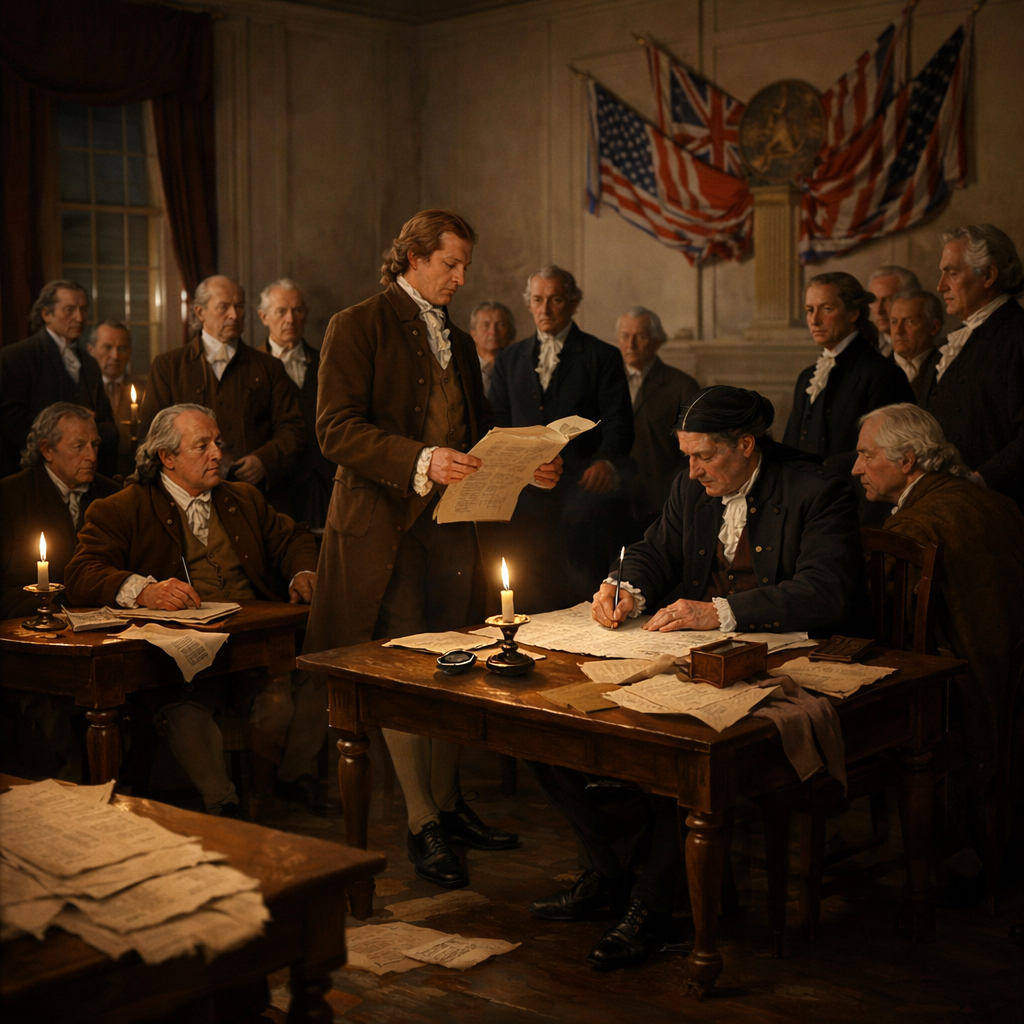
January 13, 1777 did not arrive with celebration or ceremony, but it carried one of the clearest moral confrontations of the Revolutionary era. On this day, Prince Hall and seven other Black men formally petitioned the Massachusetts legislature for freedom on behalf of those held in bondage. Their argument was not emotional pleading. It was political, logical, and devastatingly precise. If the colonies were fighting a war over natural rights and liberty, then slavery stood in direct contradiction to the very ideals being proclaimed. The petitioners pointed to the hypocrisy plainly. They reminded lawmakers that Black men were being taxed, governed, and even conscripted, while denied the freedom those sacrifices were supposedly defending. This was not a request for gradual reform or future consideration. It was a direct challenge to the legitimacy of slavery itself. The men asserted that freedom was not a gift to be granted at convenience but a right already owed. The legislature did not immediately abolish slavery in response. Power rarely moves that fast. But the petition mattered because it created a permanent written record of resistance from within the system. It forced lawmakers to confront the contradiction in ink, preserved in official archives. It also helped lay the groundwork for later legal challenges that would ultimately dismantle slavery in Massachusetts by the early 1780s. Prince Hall would go on to become one of the most influential Black leaders of the eighteenth century, founding Black institutions, advocating education, and organizing community defense. But on January 13, 1777, his legacy was already clear. He understood that freedom is not begged for quietly. It is demanded clearly, publicly, and without apology. History remembers battles and speeches. It should also remember petitions like this one. Because sometimes the most dangerous thing to a system built on contradiction is a document that tells the truth. #OnThisDay #January13 #America

Tag: AmericanHistory - Page 9 | LocalAll