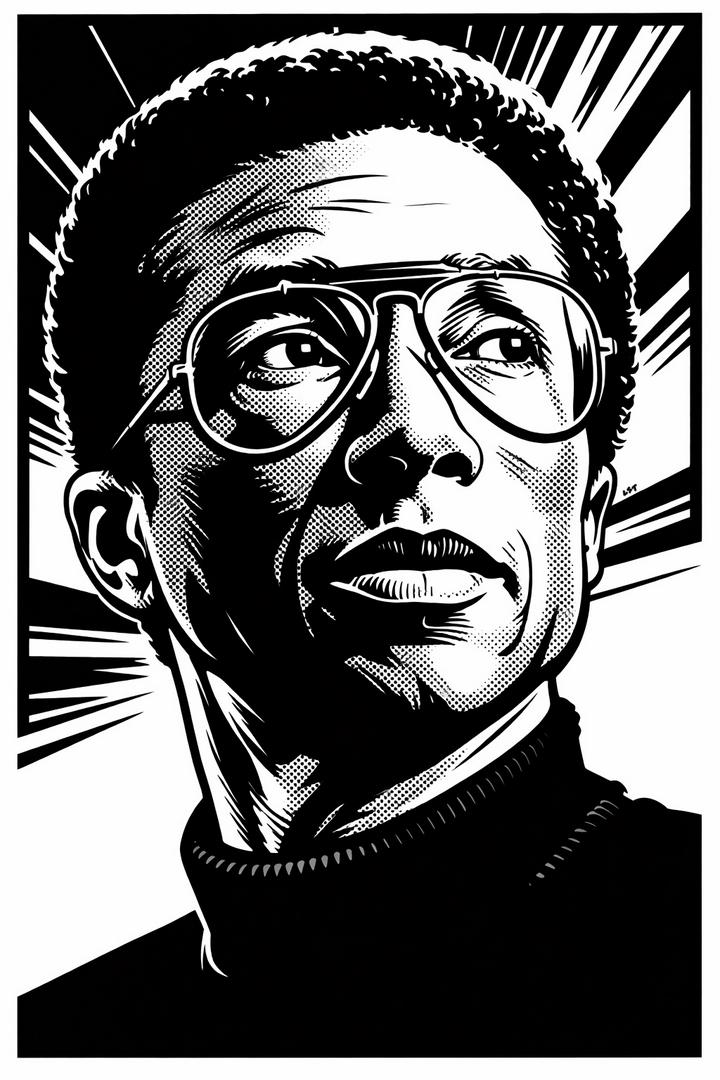
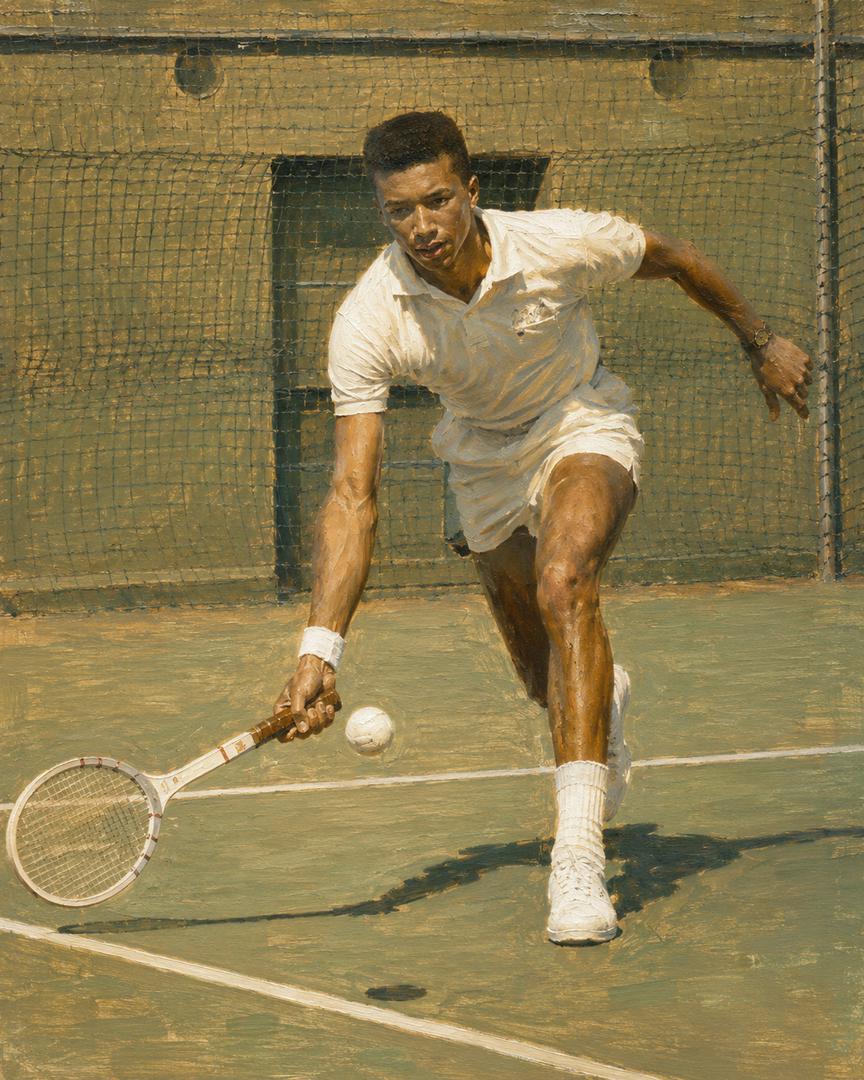
On May 14, 1963, Arthur Ashe made history while he was still a student at UCLA.
That day, Ashe became the first African American selected to play on the United States Davis Cup tennis team. In a sport where access, visibility, and opportunity had long been limited, his selection marked a breakthrough that reached beyond the court.
The Davis Cup was not just another tennis event. It was an international team competition where players represented their country. For Ashe to be chosen in 1963, during the civil rights era, gave the moment deeper meaning. He was not only competing as an athlete. He was stepping into a space where few Black players had been allowed to stand.
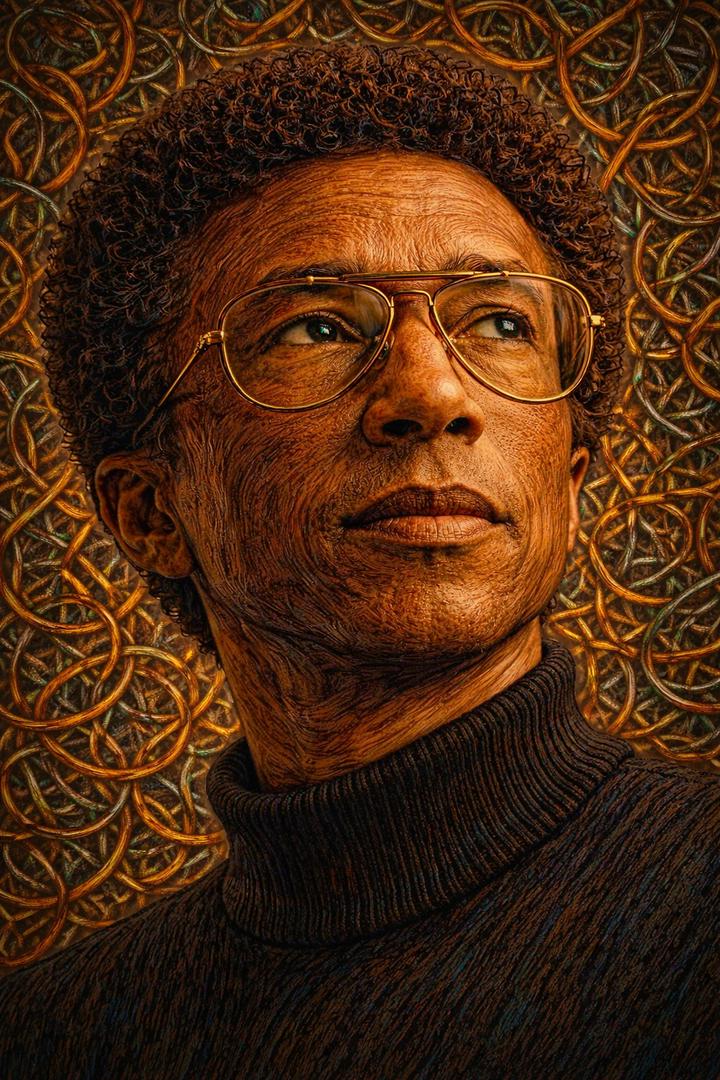
Ashe’s rise was built on discipline, intelligence, and control. He was not known for loud theatrics. His power came through focus. His game was sharp, his presence was steady, and his purpose was clear. That quiet strength became part of what made his legacy so respected.
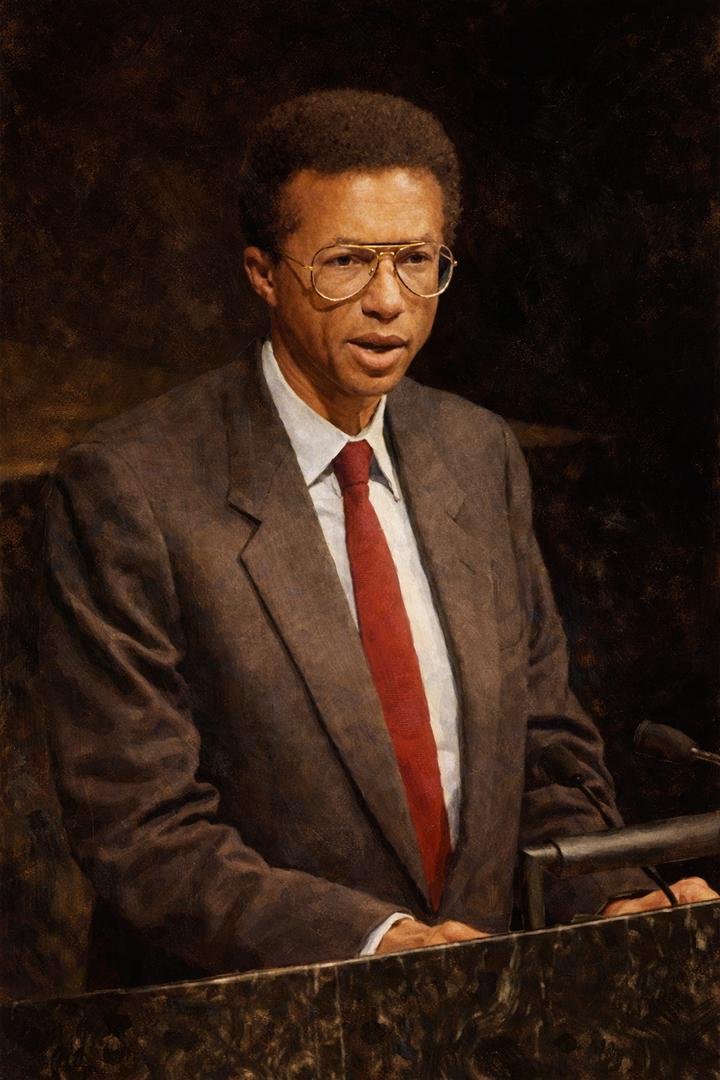
At UCLA, Ashe continued building the foundation for a career that would change tennis history. He later became the first Black man to win the U.S. Open, the Australian Open, and Wimbledon singles titles. He also used his platform to speak on apartheid, education, public health, and human rights.
But this May 14 moment deserves its own place in history. Before the Grand Slam titles, before the stadium carried his name, and before the world fully understood his impact, Arthur Ashe was a young college student chosen to represent the United States in one of tennis’s most prestigious competitions.
His selection did not erase the barriers Black athletes faced. It exposed how long those barriers had stood. And every time Ashe walked onto the court, he carried more than a racket. He carried possibility.
Arthur Ashe did more than make the team.
He widened the court for everyone who came after him.
#ArthurAshe #SportsHistory #TennisHistory #BlackHistory #OnThisDay