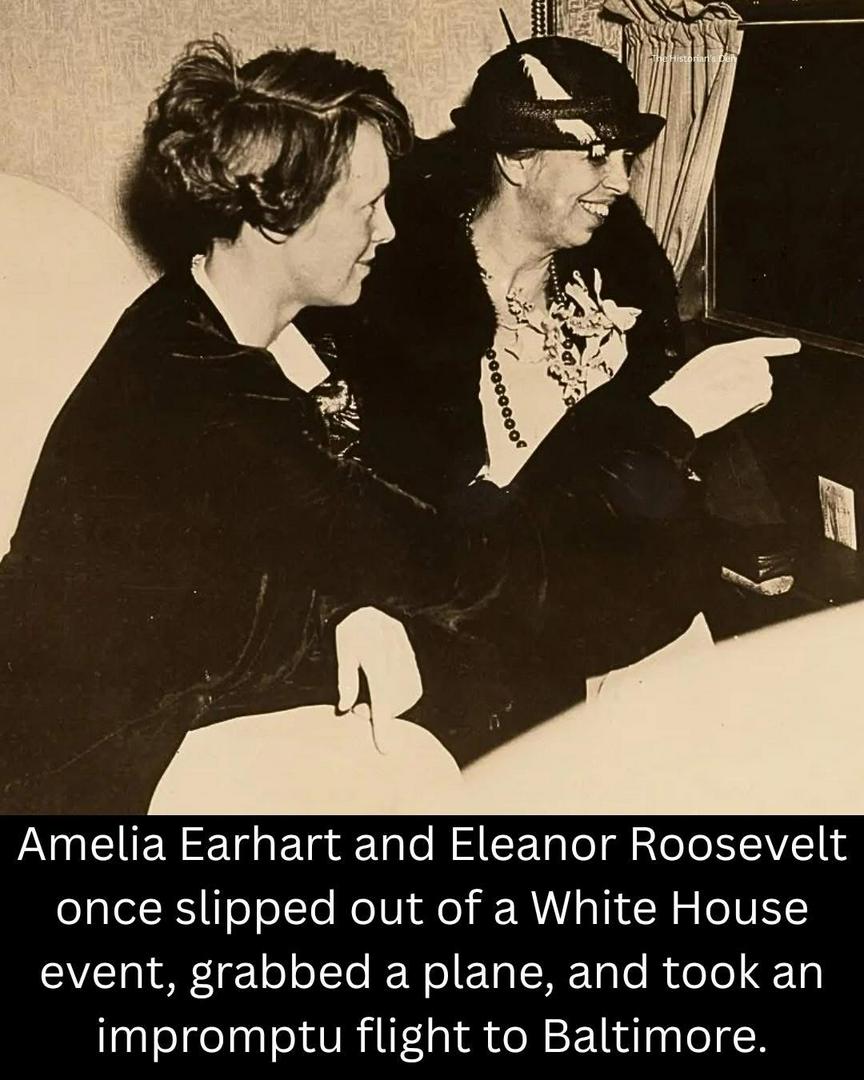
justme +FollowOn April 20, 1933, Amelia Earhart and First Lady Eleanor Roosevelt famously traded a formal White House dinner for a night in the clouds. Still dressed in their elegant evening gowns, the two women slipped away from the event and boarded an Eastern Air Transport Curtis Condor at Washington Hoover Airport. The flight to Baltimore and back was a powerful public statement on the modernization of travel and women’s independence, occurring just months after Earhart had become the first woman to fly solo across the Atlantic. The friendship between these two icons extended well beyond this single flight, as Earhart actually gave Roosevelt flying lessons. The First Lady was inspired enough to apply for her own student pilot's permit, though she ultimately never completed her license due to the President's concerns for her safety. This evening excursion, which was documented by press photographers, solidified their bond as pioneers and served as a landmark moment in aviation history. #aviation #womenpilot60Share
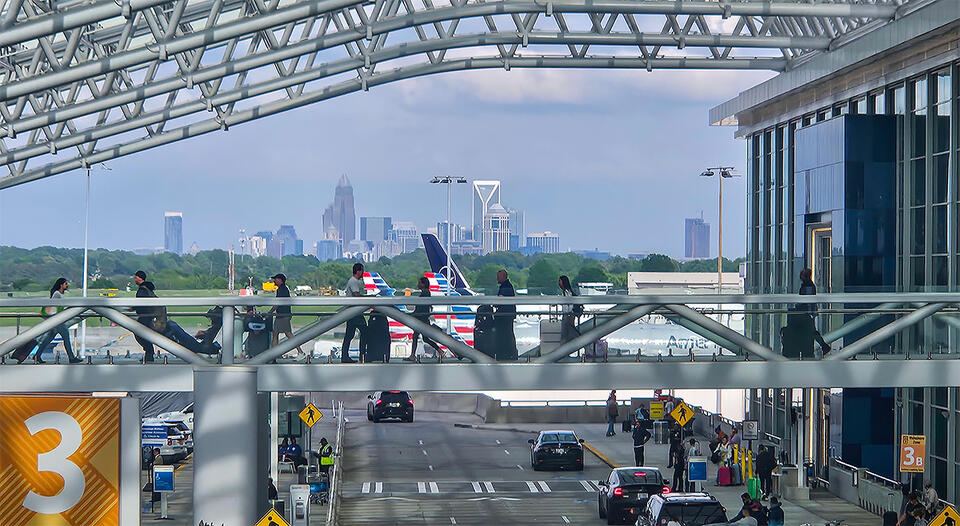
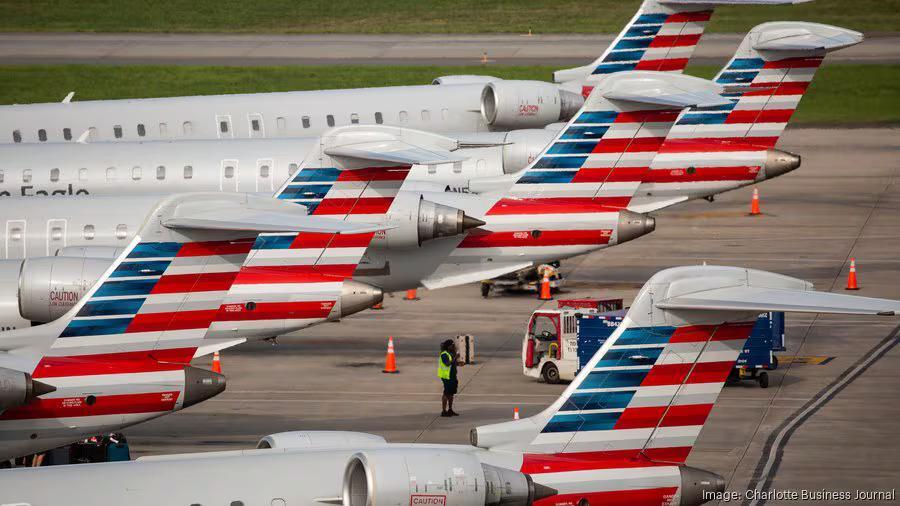
laura54+FollowCharlotte’s aviation scene just got a big boostA major airline just planted its headquarters right here in Charlotte, bringing over 450 jobs to the area—most of them already filled with local talent. PSA Airlines’ new HQ is now the only Part 121 passenger airline based in North Carolina, and it didn’t need any government incentives to make the move. With more flights connecting Charlotte to over 100 destinations, this could mean more opportunities and growth for the city’s aviation industry. What do you think this means for Charlotte’s future and our local job market? #Business #Charlotte #Aviation00Share
Sandra Escobar+FollowCharlotte’s airline scene just got a major boostPSA Airlines has officially landed its new headquarters in Charlotte, bringing over 450 jobs and making the city home to North Carolina’s only major passenger airline. What’s wild is they pulled off this big move without any state or local incentives—just pure business strategy. About 250 new hires are local, and the company says the talent here is top-notch. With over 130 daily flights from Charlotte Douglas, this shift could mean more travel options and economic growth for the area. How do you think this will change Charlotte’s vibe and job market? #News #CharlotteNC #Aviation00Share
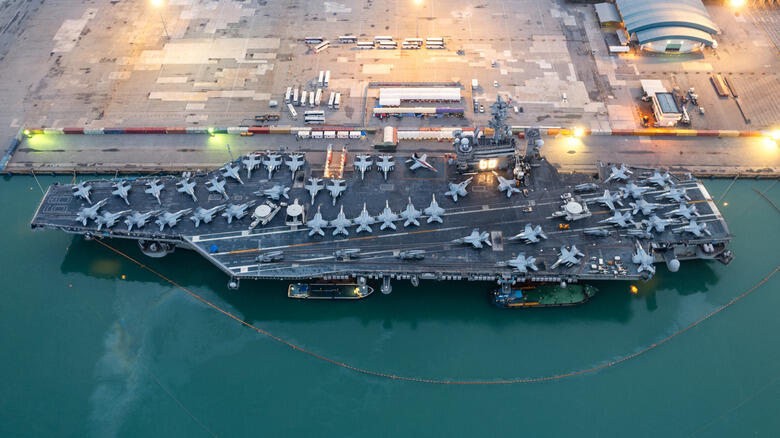
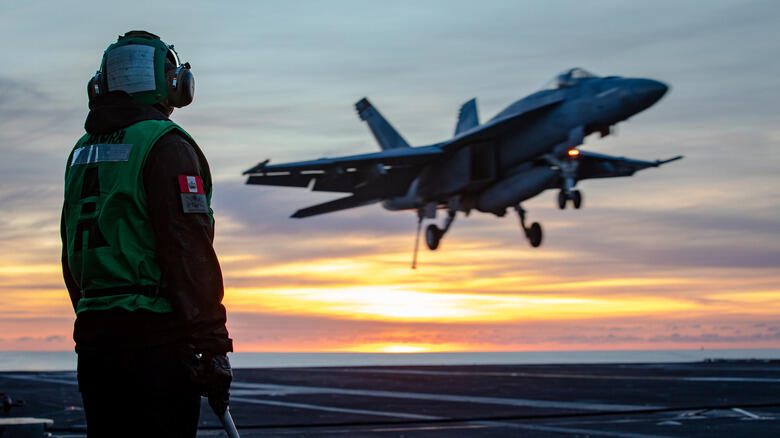
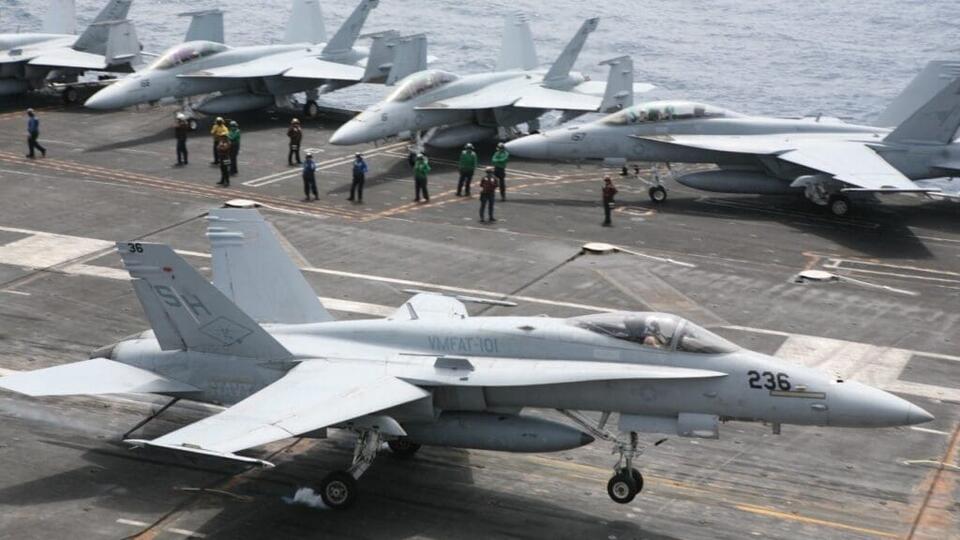
awaters+FollowWhy Navy Pilots Still Land Jets by HandEver wondered if Navy pilots just hit 'autopilot' and chill while landing on an aircraft carrier? Nope! Even with all the fancy tech, pilots still have to be hands-on—especially during those wild, short-deck landings at sea. The new Precision Landing Mode is like having a super-smart co-pilot, trimming down 300 tiny moves to just 10, but humans are still in charge. It’s a reminder: tech can help, but some jobs still need a steady hand! #Business #Industry #Aviation00Share
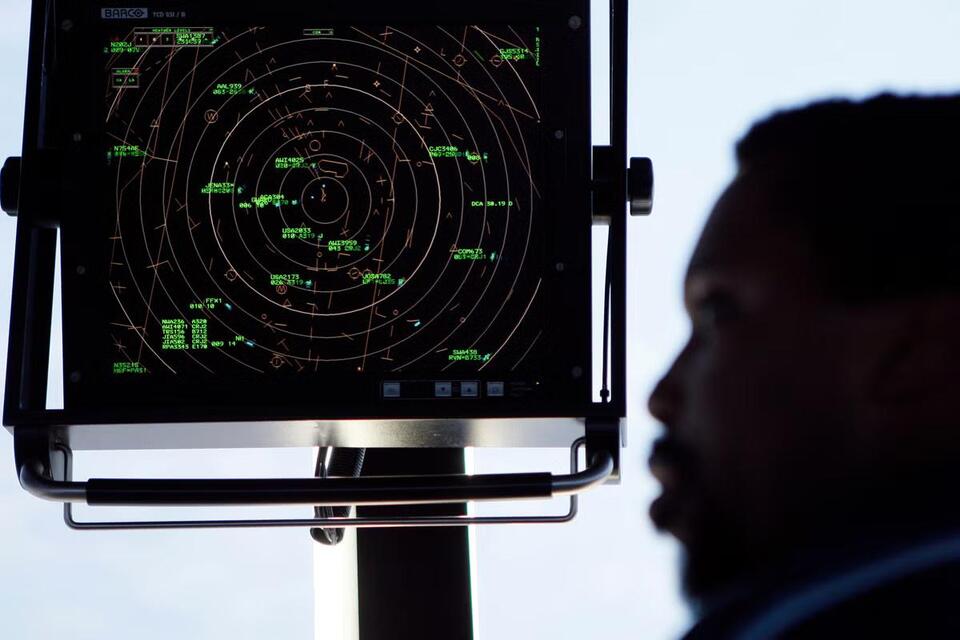
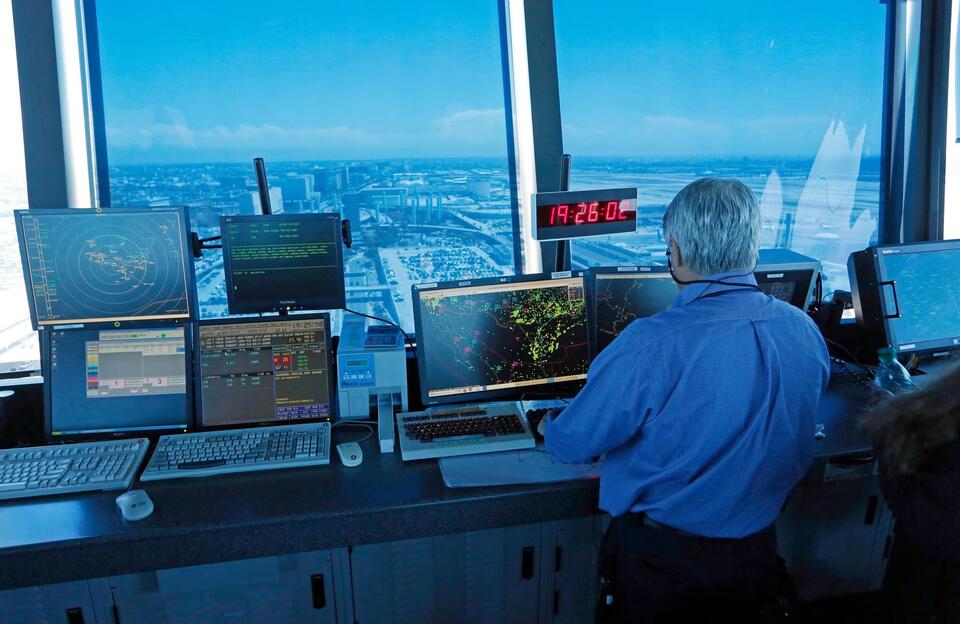
Mrs. Jessica Morgan+FollowWhy the FAA Is Shopping for Radar on eBayDid you know the folks keeping your flights safe have been relying on radar tech so old, they sometimes hunt for spare parts on eBay? The FAA is finally swapping out 612 ancient radar systems—think floppy disks and copper wires—for new ones by 2028. This means fewer flight delays and less airport chaos for travelers. It’s a long-overdue tech upgrade that should make your next trip a little smoother (and less vintage). #Business #TravelTips #Aviation00Share
kirsten43+FollowChina’s Drone Mothership: Game Changer?China just flew its Jiu Tian drone mothership—a flying aircraft carrier that can deploy up to 100 drones at once. This isn’t sci-fi anymore; it’s a real, test-flown platform. Imagine the tactical edge of unleashing a coordinated drone swarm for surveillance, disaster response, or even overwhelming air defenses. Does this leap in drone warfare tech make traditional air power obsolete, or is it just the next step in the arms race? #Tech #DroneTech #Aviation20Share
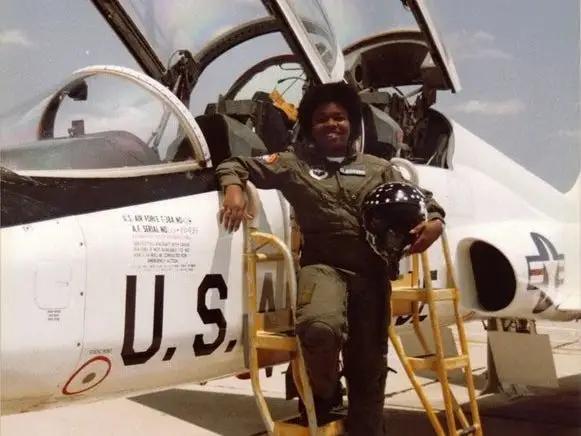
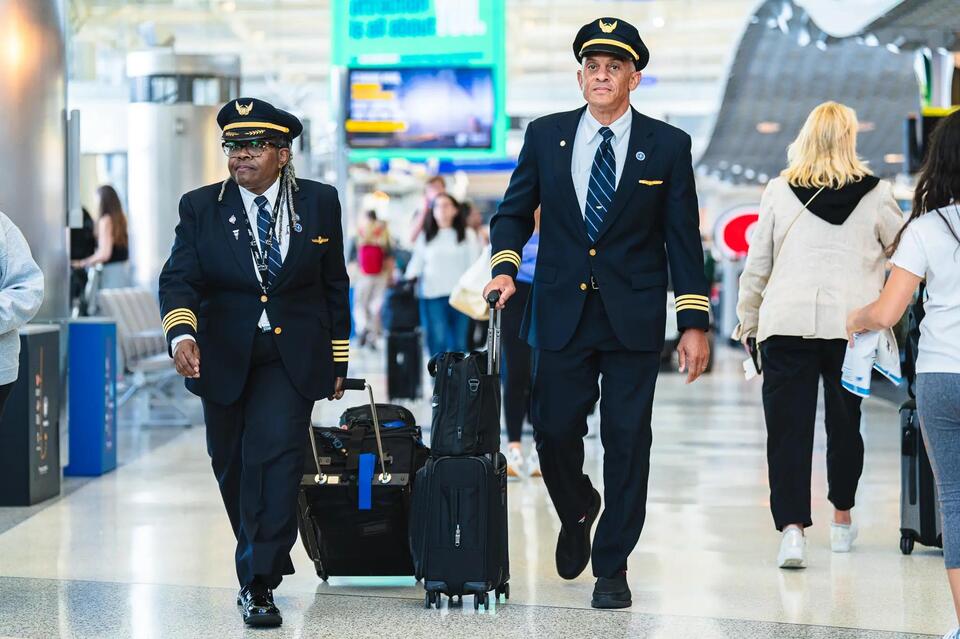
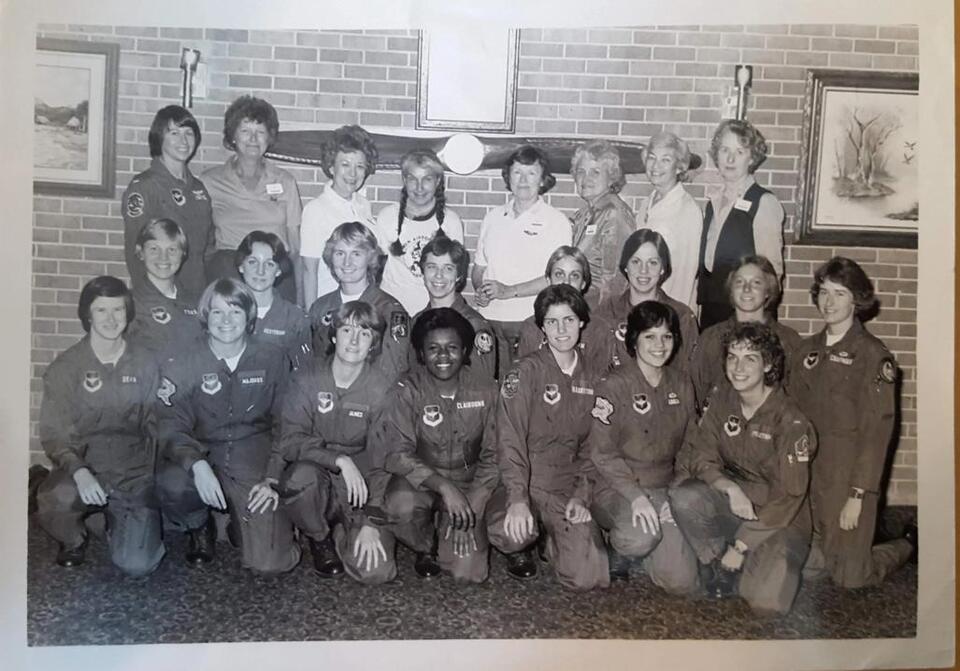
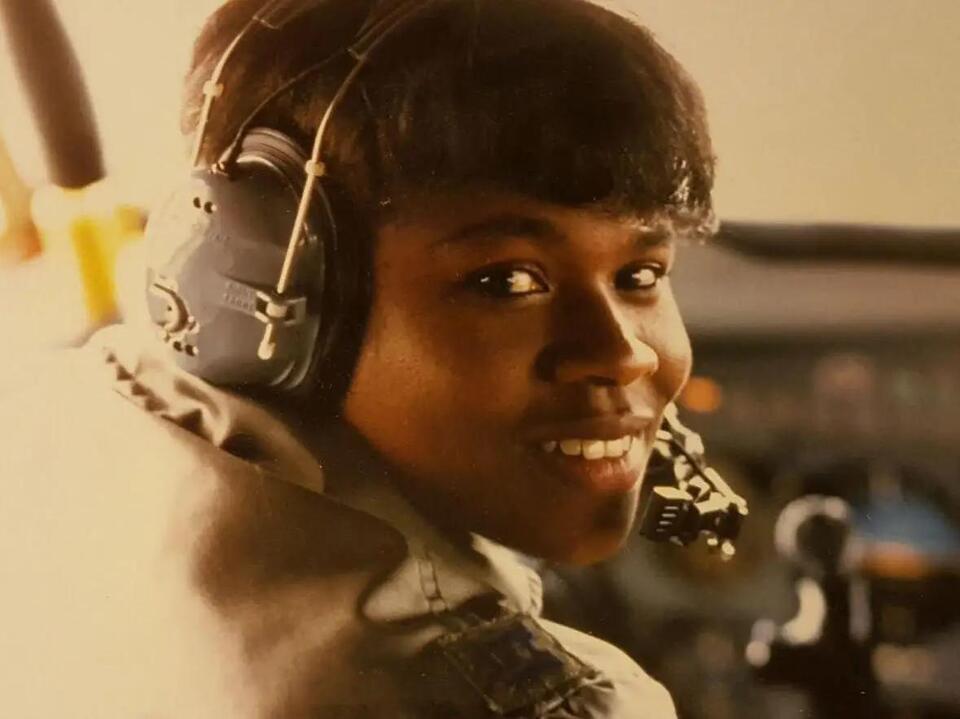
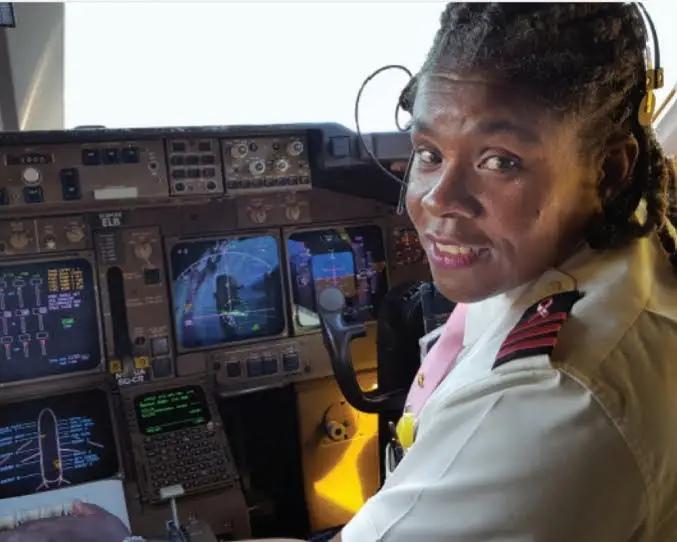
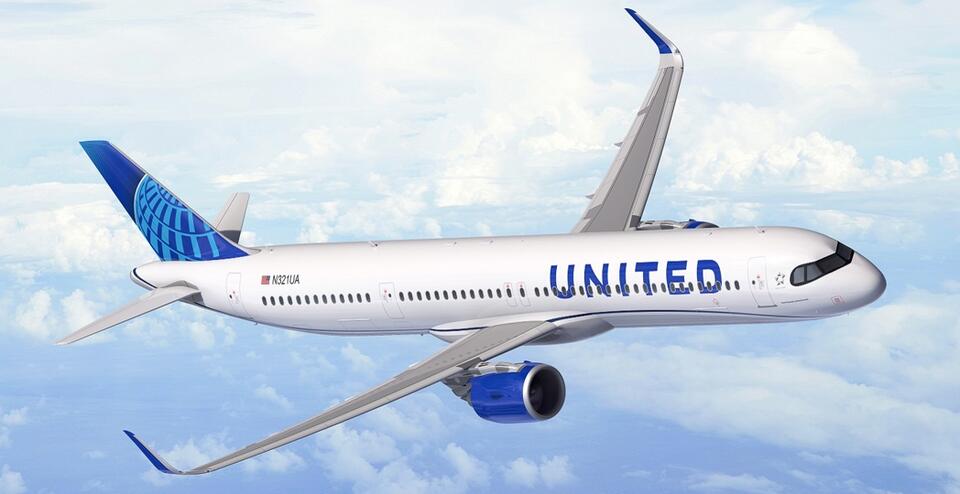
awaters+FollowHow a TikTok Made a Pilot a Role ModelGrab your coffee: Captain Theresa Claiborne, the first Black woman pilot in the Air Force and a United Airlines captain, just went viral on TikTok. Her story is a reminder that the cockpit isn’t just for the usual suspects—diversity is still a work in progress. With only 7% of US airline pilots being women, Claiborne’s journey shows how seeing someone like you in the pilot’s seat can inspire a whole new crew of future flyers. Talk about breaking barriers! #Business #Industry #Aviation10Share
Julie Padilla+FollowCleveland’s airport could get its hub status backCleveland Hopkins International Airport is making waves again—industry insiders say it’s one of the top U.S. airports most likely to regain hub status with a major airline. United Airlines, which still has a strong presence here, might be eyeing a comeback, especially as low-fare carriers like Frontier keep growing. With a $1.6 billion modernization plan underway and record-breaking passenger numbers, the city could soon see more direct flights and international connections. Imagine the boost for local jobs, travel options, and Cleveland’s profile! What would a new hub mean for your travel plans or the city’s future? #News #Cleveland #Aviation00Share
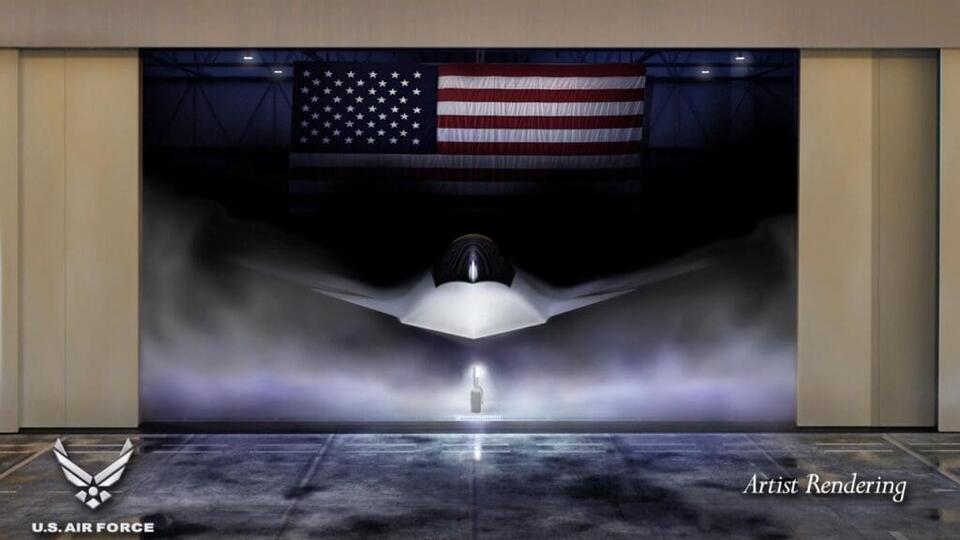
Alexandria Simmons+FollowThe Fighter Jet That Hides Like a BomberImagine a fighter jet that sneaks into enemy territory like a ninja, dodging both radar and heat sensors. That’s the new F-47, which is basically the Air Force’s answer to, “What if a stealth bomber could also win a dogfight?” Boeing scored the contract, thanks to years of secret testing. The big shift? This jet could make future air battles more about who stays hidden longest, not just who’s fastest or loudest. #Business #Industry #Aviation30Share
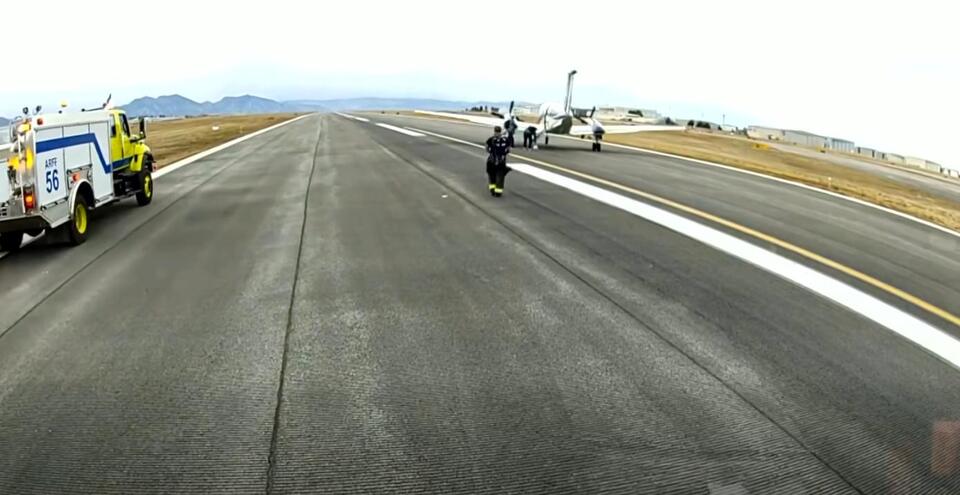
Alexandria Simmons+FollowColumbia tech helps plane land itself in emergencyA small plane flying from Aspen made aviation history when it landed itself near Denver after a sudden loss of cabin pressure. What’s wild? The life-saving Autoland tech that took over was installed right here at Columbia Regional Airport by the Blackhawk Performance Center. The system didn’t just fly the plane—it picked the safest airport, navigated, and even communicated with ground crews, all while the pilots watched. Both pilots walked away safely, and there were no passengers on board. Imagine what this could mean for the future of flying—would you trust a plane to land itself? #Business #Industry #Aviation00Share