Christopher Bennett+FollowGodly Relationship QuotesType Amen If You Believe 🕊️ #bibleverse #bible #jesus #christian #god #jesuschrist #faith #biblestudy #love #godisgood #biblequotes #christianity332Share
Janice Lopez+FollowVerse Of The Day#DailyBibleVerse #BibleVerse #BibleVerseOfTheDay #Scripture #ChristianQuotes #Faith #Jesus #BibleStudy # christianLiving #BiblicalTruth #BibleQuotes #Gospel #Worship311Share
The Verse You Skipped+FollowI almost skipped 1 Chronicles 4. One name changed everything. 1 Chronicles 4 looks like pure data. Names stacked on names. No story. No drama. I almost skipped it. Then verse 9 interrupts the list. Jabez is called “more honorable than his brothers.” Not because of success—but because he prayed. And God answered him. In the middle of a genealogy, God pauses to show a personal conversation. This chapter reminded me: God is not just recording history. He’s listening to individuals. Even in the most forgettable lists, someone is being heard. #BibleStudy #TheVerseYouSkipped #Chronicles #Prayer #Grace #ScriptureReading223Share
The Verse You Skipped+FollowI skipped Nehemiah 7. I didn’t think it mattered. Nehemiah 7 repeats another list of families. It feels copied. Unnecessary. I almost moved on. But verse 5 reveals why it’s there. God put it in Nehemiah’s heart to gather the people by genealogy. Before rebuilding the city, God restored identity. Walls came later. Belonging came first. This chapter isn’t administrative filler. It’s a reminder: community is rebuilt by remembering who the people are. #BibleStudy #TheVerseYouSkipped #Nehemiah #Identity #Restoration #BibleInsight91Share
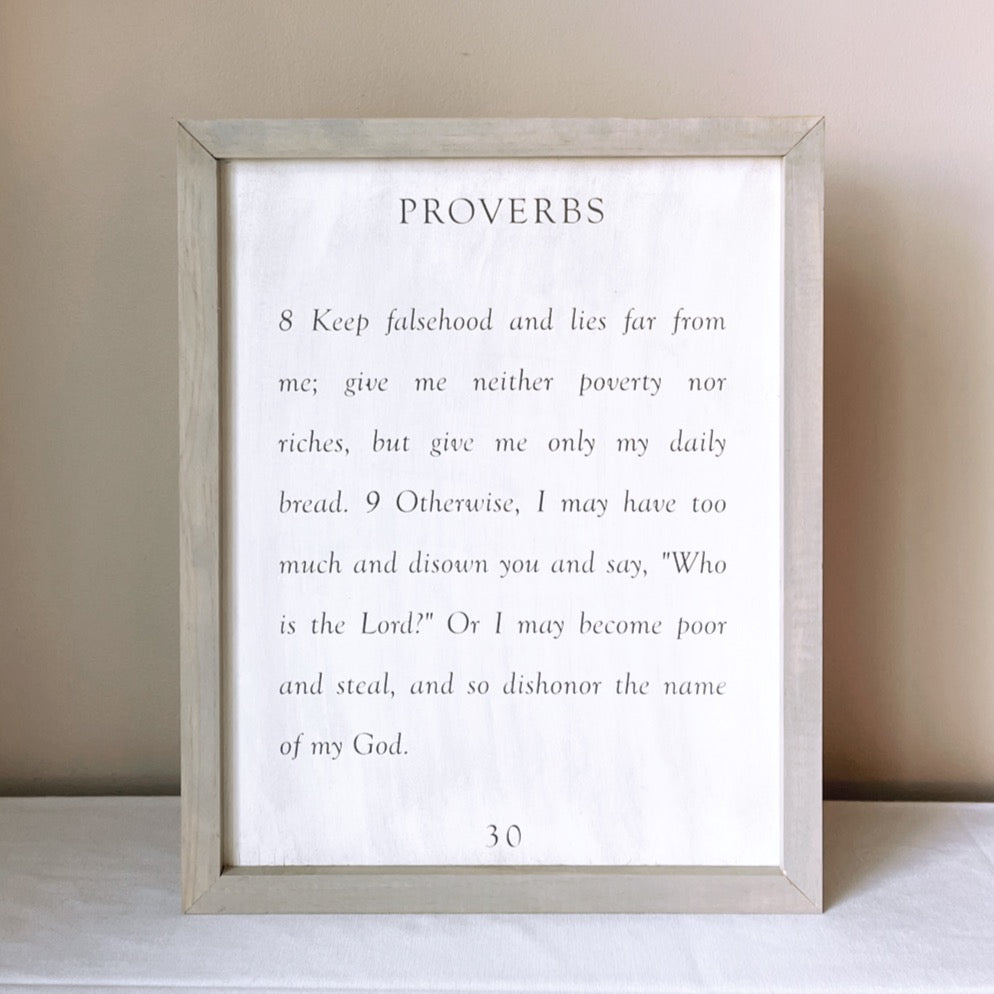
The Verse You Skipped+FollowI almost skipped Proverbs 30. I didn’t expect humility there. Proverbs 30 doesn’t sound poetic. It opens with a man admitting ignorance. Verse 2 shocked me: “Surely I am too stupid to be a man.” This isn’t despair. It’s honesty. Before wisdom is taught, humility is modeled. This chapter reminded me: God’s wisdom doesn’t start with confidence. It starts with knowing your limits. That’s not weakness. That’s the doorway. #BibleStudy #TheVerseYouSkipped #Proverbs #Wisdom #Humility #ScriptureReflection313Share
The Verse You Skipped+FollowI almost skipped Mark 15. One quiet sentence stayed with me. Mark 15 moves fast. Trials. Mocking. Crucifixion. So much pain, so quickly. Verse 39 stopped me. A Roman centurion—an outsider—says, “Surely this man was the Son of God.” Not a disciple. Not a follower. The first clear confession comes from someone unexpected. This chapter reminded me: sometimes the people farthest from faith see the truth first. #BibleStudy #TheVerseYouSkipped #Mark #Redemption #Grace #GospelReflection562Share
OneWordStudy+FollowOne Hebrew word changed how I understand grief. In English, grief sounds like sadness. An emotion you feel, then slowly move past. But in Ecclesiastes, the Hebrew word avel is used. Avel does not describe a feeling. It describes a condition that hangs over life. It is the heaviness that does not leave quickly. The quiet weight you carry into ordinary days. The sense that something good ended, and nothing replaced it. This kind of grief is familiar to those who have lived long enough to lose. Not just people, but seasons. Roles. Versions of yourself. Scripture does not rush avel. It names it, and lets it stay. Avel reminds us that grief is not a phase you fail to exit. Sometimes it is simply part of being faithful to what mattered. #BibleStudy #HebrewWord #Grief #Loss #FaithAndAging193Share
OneWordStudy+FollowOne Greek word changed how I think about obedience. In English, obedience sounds forced. Doing what you are told, even when you don’t want to. But the New Testament often uses the word hypakoē. It means to listen from underneath. Obedience here begins with listening. Not agreement. Not enthusiasm. But attention. This matters when obedience feels tiring. When you’ve followed God for decades and still don’t feel rewarded for it. Hypakoē does not describe blind compliance. It describes staying attentive, even when clarity is thin. Scripture honors obedience not because it is loud, but because it keeps listening when silence would be easier. #BibleStudy #GreekWord #Obedience #ListeningFaith #LongFaith223Share
OneWordStudy+FollowOne Hebrew word changed how I understand faithfulness.One Hebrew word changed how I understand faithfulness. In English, faithful sounds consistent. Never wavering. Never slipping. But Lamentations uses the word emunah. It does not mean perfection. It means reliability over time. Emunah is about showing up again. After disappointment. After unanswered prayers. After fatigue. This kind of faithfulness is rarely dramatic. It looks ordinary. Almost invisible. Scripture praises emunah not because it shines, but because it lasts. If your faith feels quieter than it once did, emunah says: quiet does not mean gone. #BibleStudy #HebrewWord #Faithfulness #SteadyFaith #ChristianLife110Share
OneWordStudy+FollowOne Greek word changed how I see weakness in prayer. In English, weak prayer sounds like failure. As if better words would work better. But Romans 8 uses the word astheneia. It means lack of strength, not lack of sincerity. This word is used when prayer runs out of language. When you sigh more than you speak. When silence feels closer than sentences. Scripture does not dismiss this kind of prayer. It explains it. Astheneia tells us that prayer is not judged by polish. It is carried by honesty. #BibleStudy #GreekWord #PrayerLife #Weakness #SpiritualHonesty143Share