Tag Page BlackExcellence

#BlackExcellence
LataraSpeaksTruth

Edward Brooke’s journey didn’t begin with a viral moment or a spotlight. It began at Howard University, where he earned his undergraduate degree in 1941 at a time when Black excellence was expected to survive quietly, not be celebrated. Howard wasn’t just a campus. It was a proving ground for minds forced to understand systems never designed for them. Brooke left with discipline and direction, then stepped into World War II, serving as a U.S. Army officer and returning home with a Bronze Star and a sharper understanding of the country he was expected to serve. After the war, Brooke earned his law degree from Boston University School of Law in 1948. No shortcuts. No favors. Just credentials, patience, and persistence layered over experience. That steady climb carried him somewhere the system never expected him to land. In 1966, Edward Brooke became the first Black U.S. senator elected by popular vote. Not appointed. Not inherited. Voted in. By the people. In Massachusetts. His rise mattered because it wasn’t loud. It was deliberate. He didn’t break the system with spectacle. He forced it to acknowledge him through preparation and endurance. In a country built to block the stairs, he climbed them anyway. Step by step. Howard wasn’t the finish line. It was the foundation. And the rest of the story proves that history doesn’t always announce itself. Sometimes it shows up early, does the work quietly, and waits decades for the room to change. #OnThisDay #December11 #EdwardBrooke #HowardUniversity #BostonUniversityLaw #USHistory #PoliticalHistory #CivilRightsEra #BlackExcellence

LataraSpeaksTruth

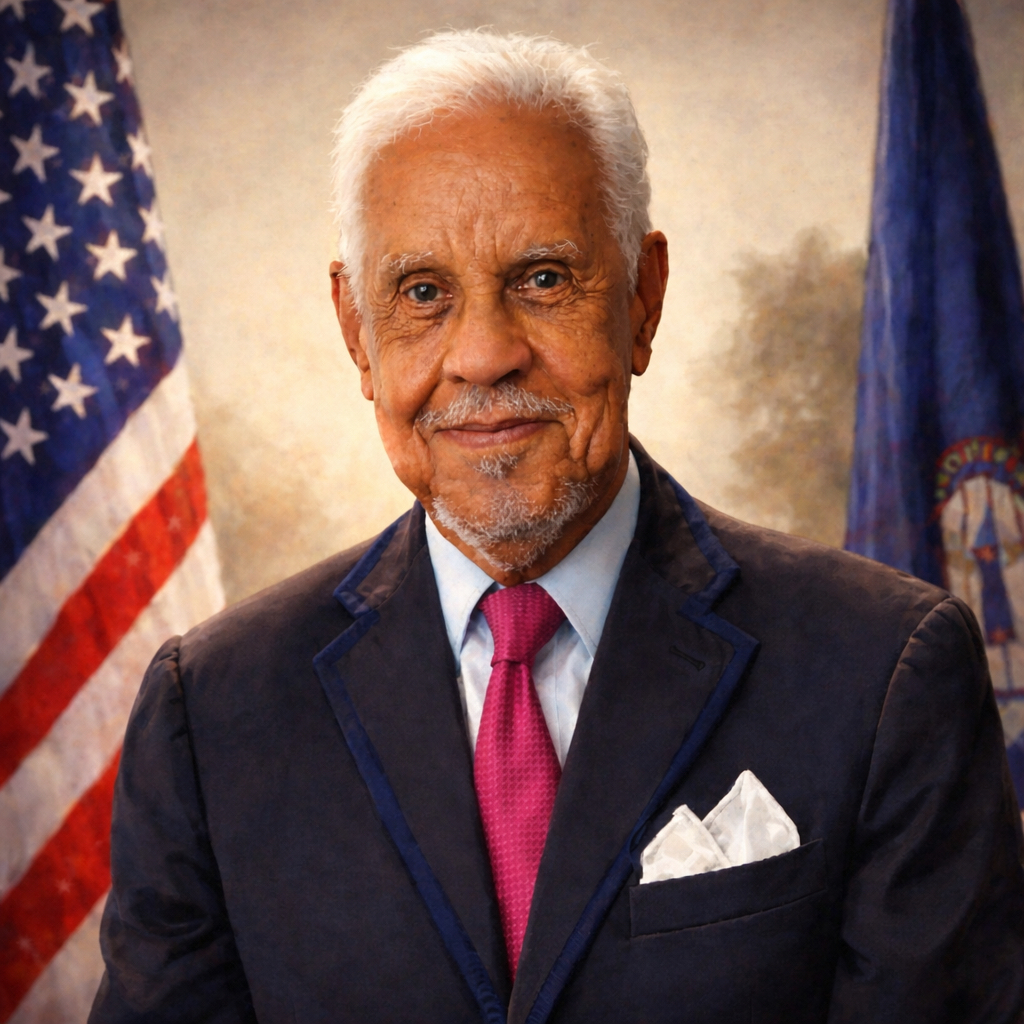
On January 13, 1990, L. Douglas Wilder was sworn in as governor of Virginia, becoming the first African American ever elected governor of any U.S. state. That moment did not arrive wrapped in celebration alone. It arrived heavy with history, expectation, and the quiet understanding that something permanent had just shifted. Virginia was not a neutral stage. It was a former capital of the Confederacy, a state shaped by laws and customs designed to keep power narrowly held. Wilder did not inherit that history. He confronted it directly by winning. No appointment. No workaround. Just votes, counted and certified, placing him in an office that had never before been occupied by someone who looked like him. The significance of that day stretched far beyond Richmond. Wilder’s inauguration challenged a long-standing assumption about who could govern at the highest levels of state power. It forced institutions to reconcile with the fact that progress was no longer theoretical. It was sworn in, standing at the podium, ready to lead. Being first came with scrutiny. Every decision carried symbolic weight. Every misstep risked being treated as confirmation rather than context. Yet Wilder governed with precision and restraint, focusing on fiscal responsibility, education, and public safety, refusing to perform history instead of making it. January 13, 1990 stands as a reminder that progress does not always arrive loudly. Sometimes it arrives formally, constitutionally, and undeniably. A door once closed did not creak open. It swung, and it stayed that way. #OnThisDay #January13 #USHistory #PoliticalHistory #VirginiaHistory #HistoricFirst #AmericanLeadership #BlackExcellence #HistoryMatters

LataraSpeaksTruth

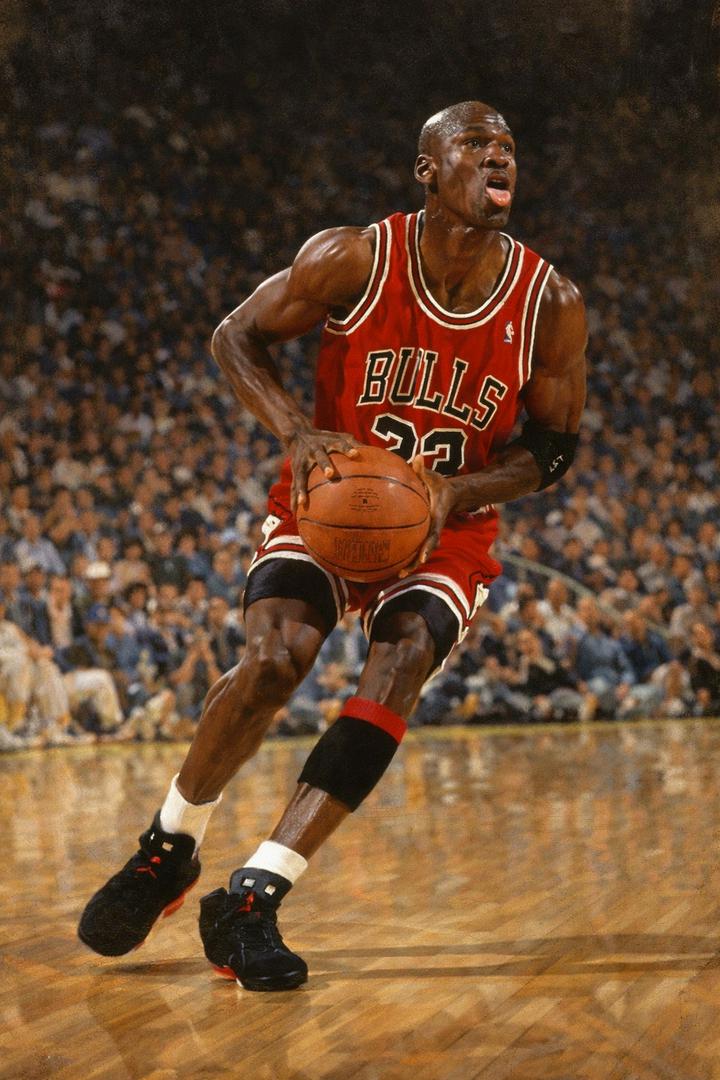
On December 21, 1991, the Chicago Bulls were deep into a season that would further solidify their place in sports history. Just months earlier, they had captured their first NBA championship, and the momentum had not slowed. Late-December games during this period were not about standings alone. They were part of a broader moment where basketball became global theater. At the center of it all was Michael Jordan. By the winter of 1991, Jordan was no longer just an elite athlete. He was a cultural force. His performances were broadcast worldwide, his image saturated advertising, and his presence helped redefine how Black excellence was seen and consumed in American media. Each game added to a growing mythology built on skill, discipline, and relentless competitiveness. The Bulls were not a one man story. With Scottie Pippen emerging as a dominant two-way force and a roster built on chemistry and trust, the team represented a new model of excellence. They played with confidence, control, and a visible belief that they belonged on the biggest stage every night. Late December games like those played around December 21 mattered because they kept that image in constant rotation. Winter broadcasts, packed arenas, and national attention reinforced the idea that greatness was not seasonal or situational. It was consistent. For many viewers, especially young fans watching from afar, this era shaped how they understood achievement, leadership, and representation. By the end of the 1991–1992 season, the Bulls would repeat as champions. But long before the trophy was lifted, moments like December 21 were already doing the work. They were building legacy in real time. #ChicagoBulls #MichaelJordan #NBAHistory #SportsCulture #BlackExcellence

LataraSpeaksTruth

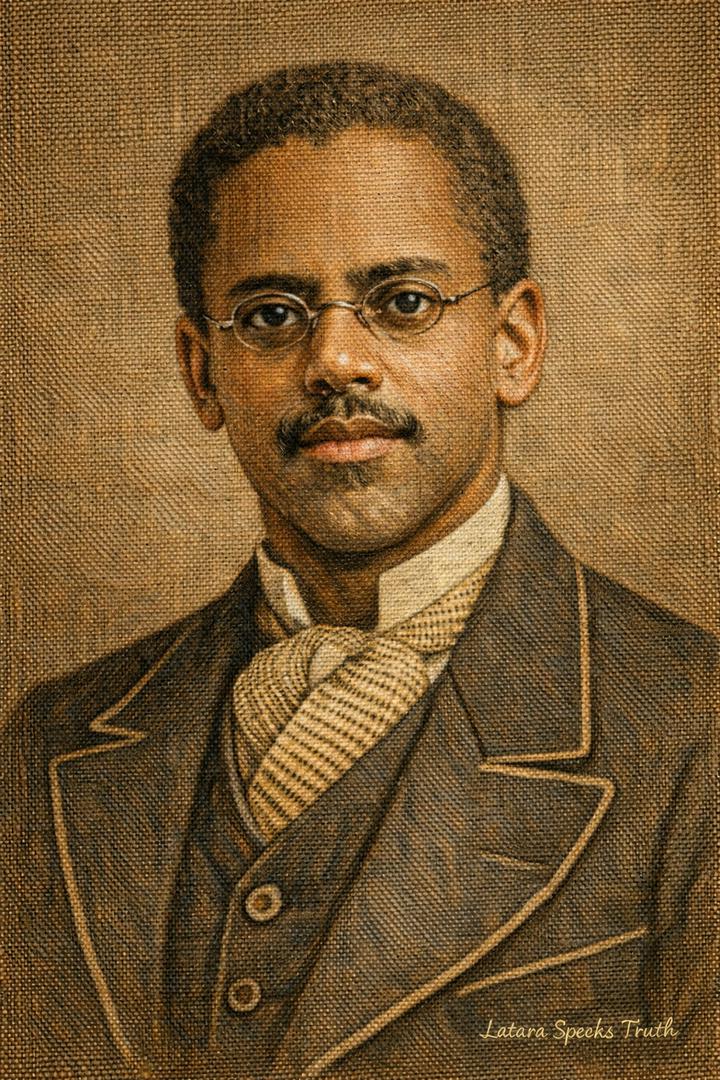
Benjamin Boardley…not Bradley…was born enslaved in Anne Arundel County Maryland around 1830, and his story is one of those “how did we not learn this in school” moments. The “Bradley” spelling spread because of an old print mistake, and it stuck so hard that people still repeat it today…so yeah, saying his real name matters. As a teenager, Boardley showed serious mechanical genius. Accounts describe him building a working steam engine using scrap materials, including parts like a gun barrel, metal pieces, and whatever he could get his hands on. While still enslaved, he was connected to work around the U.S. Naval Academy in Annapolis, where his skill didn’t just impress people…it forced them to admit what they were looking at. Talent. Precision. Engineering mind. Here’s the part that hits the hardest. He couldn’t legally patent what he built because he was enslaved…yet he could still create something valuable enough to sell. He earned money from his work, received support from others who believed in what he could do, and used that combined funding to purchase his freedom. His manumission was recorded on September 30, 1859…a receipt of freedom bought with invention. Not luck…not charity…work. Igbo Landing shows refusal in the water. Benjamin Boardley shows refusal in iron and fire. Different kind of resistance…same message. You don’t get to decide what we are capable of. #BenjaminBoardley #BlackInventors #HiddenHistory #AmericanHistory #MarylandHistory #NavalAcademy #BlackExcellence #UntoldStories #HistoryMatters #STEMHistory

LataraSpeaksTruth

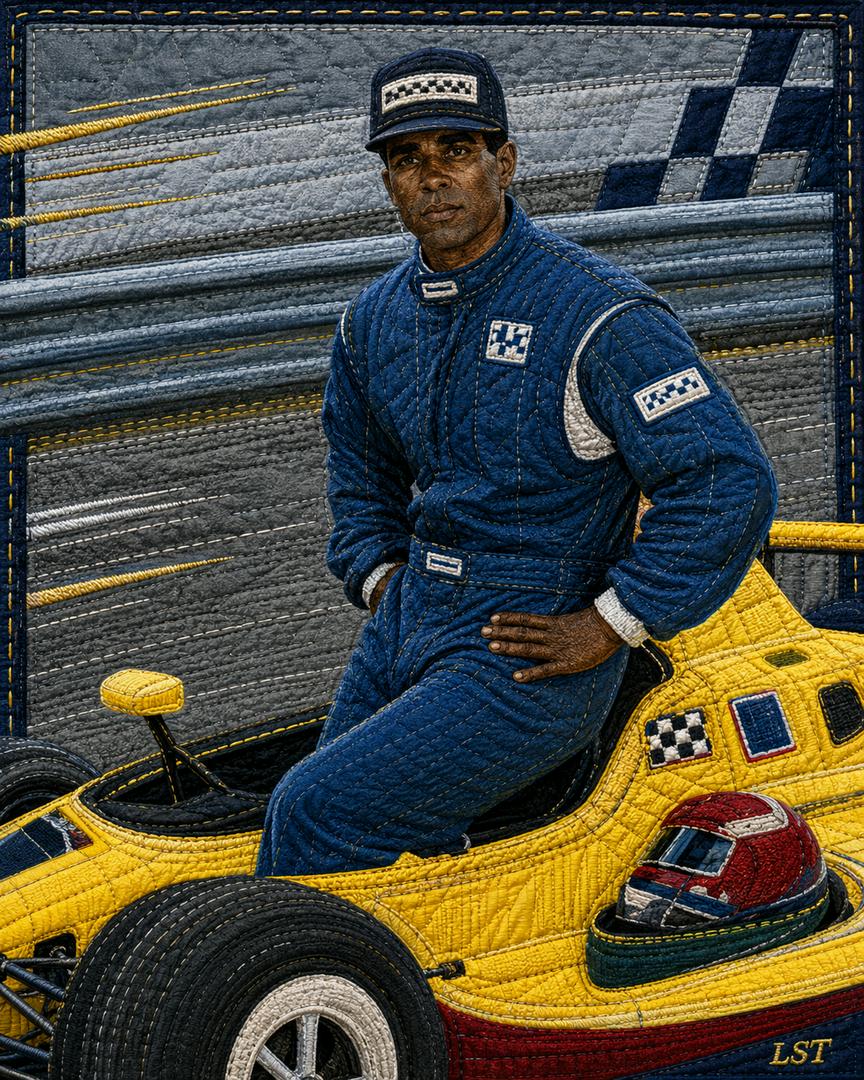
May 19, 1991, Willy T. Ribbs made history at the Indianapolis Motor Speedway. He became the first African American driver to qualify for the Indianapolis 500, one of the most famous races in America. His four-lap average speed was 217.358 mph, fast enough to put him in the field and break through a barrier that had stood far too long. And let’s be clear, this was not just about driving fast. This was about entering a space where Black drivers had been nearly invisible. Racing has always sold itself as speed, courage, engines, tradition, and glory. But tradition can also become a locked gate when certain people are kept on the outside looking in. Willy T. Ribbs did not walk into that moment with an easy road behind him. He had already dealt with doubt, rejection, controversy, and the kind of pressure that comes when you are not just competing for yourself, but carrying the weight of being “the first.” That is a heavy helmet to wear. When he qualified for the 1991 Indy 500, he did more than earn a starting position. He proved that talent had been there. Skill had been there. Courage had been there. The opportunity had not. That is the part history has to sit with. Ribbs started 29th in the race. His day ended early because of engine trouble, but nobody can erase what happened before that green flag ever dropped. He had already made history. Some people break barriers with speeches. Some do it with court cases. Some do it with music, books, protest signs, or laws. Willy T. Ribbs did it at over 217 miles per hour. And that deserves to be remembered. #WillyTRibbs #BlackHistory #OnThisDay #MotorsportsHistory #Indianapolis500 #Indy500 #BlackExcellence

LataraSpeaksTruth

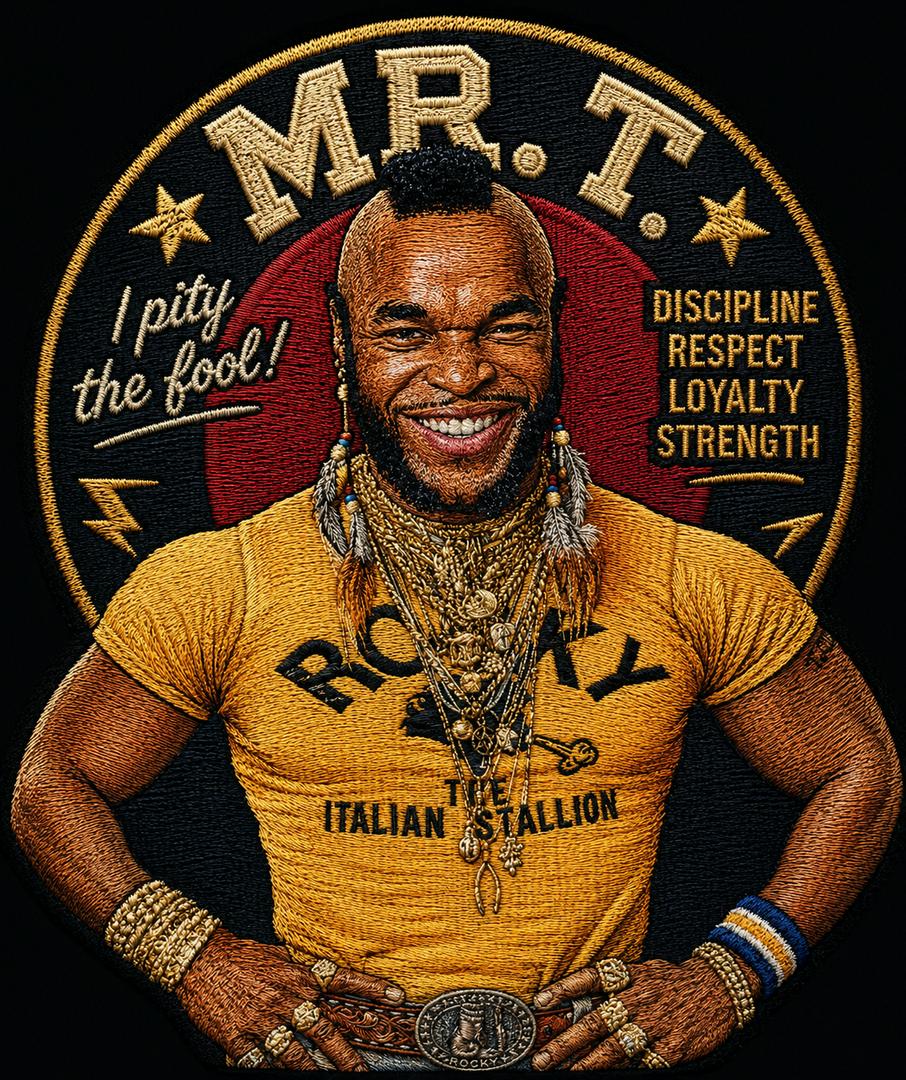
Born May 21, 1952, Mr. T became more than a catchphrase. Before the gold chains, the mohawk, and “I pity the fool,” he was Laurence Tureaud from Chicago’s South Side. Born into a family of 12 children, he grew up in the Robert Taylor Homes and became known early for discipline, toughness, and athletic ability. He attended Dunbar Vocational High School, where he played football, wrestled, and studied martial arts. That foundation helped shape the larger-than-life figure America would later recognize. Before Hollywood, he served in the U.S. Army, worked as a bouncer, and became a bodyguard for major names including Muhammad Ali and Michael Jackson. His bold image was not random. The gold chains became part of his look during his bouncer years, while his hairstyle was inspired by Mandinka warriors. His name, his image, and his presence were tied to respect, identity, and being seen as a man in a world that often denied Black men that basic dignity. His breakout moment came when Sylvester Stallone cast him as Clubber Lang in Rocky III. From there, Mr. T became a household name. His role as B.A. Baracus on The A-Team turned him into one of the most recognizable stars of the 1980s. But behind the tough-guy image was also someone who became a role model for children, using television, music, and public appearances to promote discipline, confidence, and staying away from trouble. Mr. T’s story is not just about fame. It is about a man who built an identity so strong that the world had no choice but to remember it. From Laurence Tureaud to Mr. T, he turned survival, style, and self-respect into a cultural legacy. #MrT #BlackHistory #OnThisDay #EntertainmentHistory #ChicagoHistory #TheATeam #RockyIII #BlackExcellence #PopCultureHistory
You've reached the end!
Tag: BlackExcellence - Page 4 | LocalAll