Tag Page BlackHistory

#BlackHistory
LataraSpeaksTruth

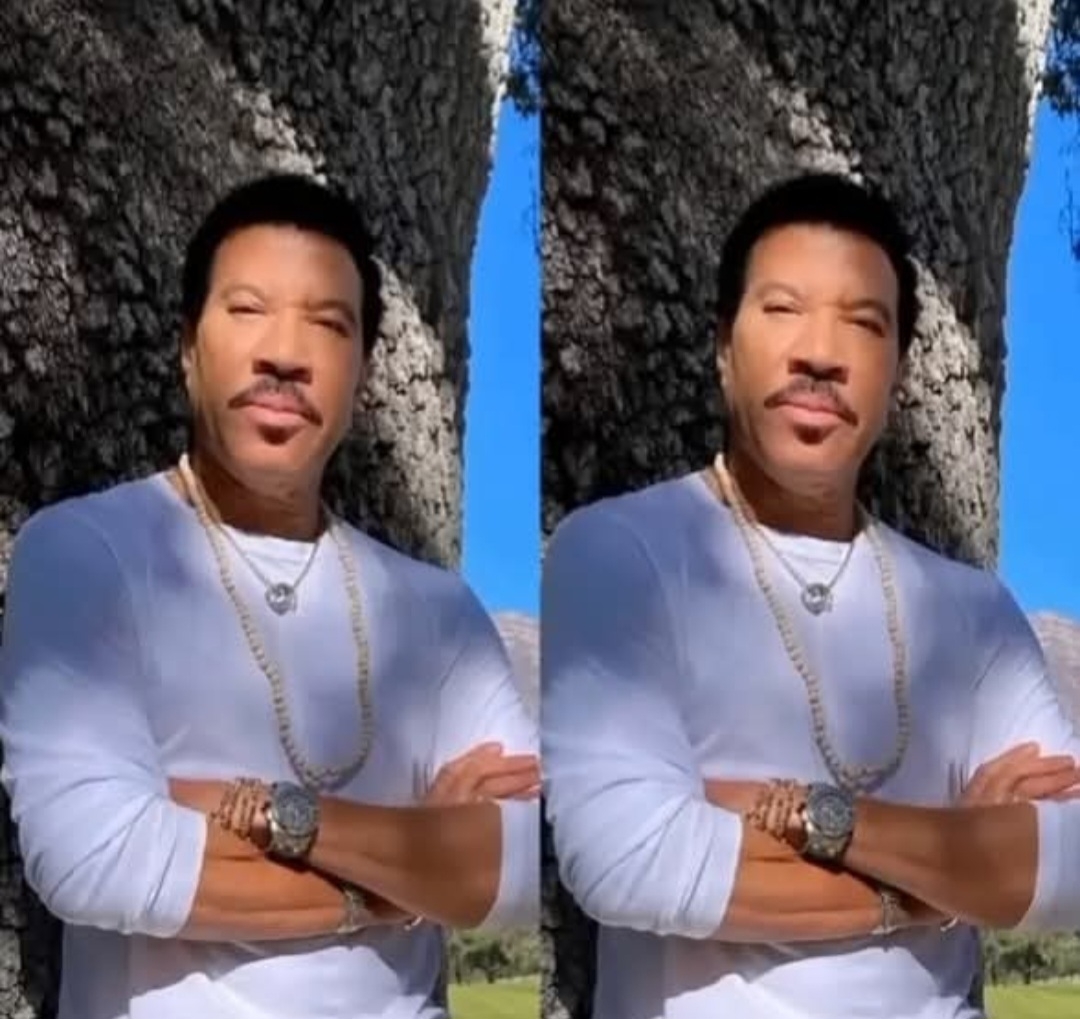
Obba Babatundé Born on This Day in 1951

From Broadway stages to classic films, he built a career defined by range and longevity. On December 1, 1951, Obba Babatundé was born in Queens, New York. His path from a kid with talent to a nationally respected actor shows what happens when discipline and versatility work hand in hand. He began in local performances and quickly stood out as someone who could master any role placed in front of him. Audiences on Broadway watched him rise in the original production of Dreamgirls where he played C. C. White. The role earned him a Tony Award nomination and made it clear that he belonged in the ranks of top stage performers. His work reached well beyond the theater. Babatundé became a recognizable force in film and television, taking on roles that required both emotional depth and sharp comedic timing. One of his most memorable pop culture appearances came in the movie How High where he played Dean Cain, the stressed and uptight administrator shocked by the chaos unfolding around him. It was a small role but the impact was immediate. His delivery, presence, and comedic control added another layer to the film and showed how effortlessly he could shift from drama to humor. Babatundé built a career rooted in dedication, heritage, and range. His birthday marks the rise of a performer who continues to influence stages, screens, and generations of actors who follow after him. #ObbaBabatunde #OnThisDay #BlackHistory #EntertainmentHistory #Dreamgirls #HowHigh #FilmAndStage #ActingLegend #NewsBreakCommunity

Obba Babatundé Born on This Day in 1951
LataraSpeaksTruth

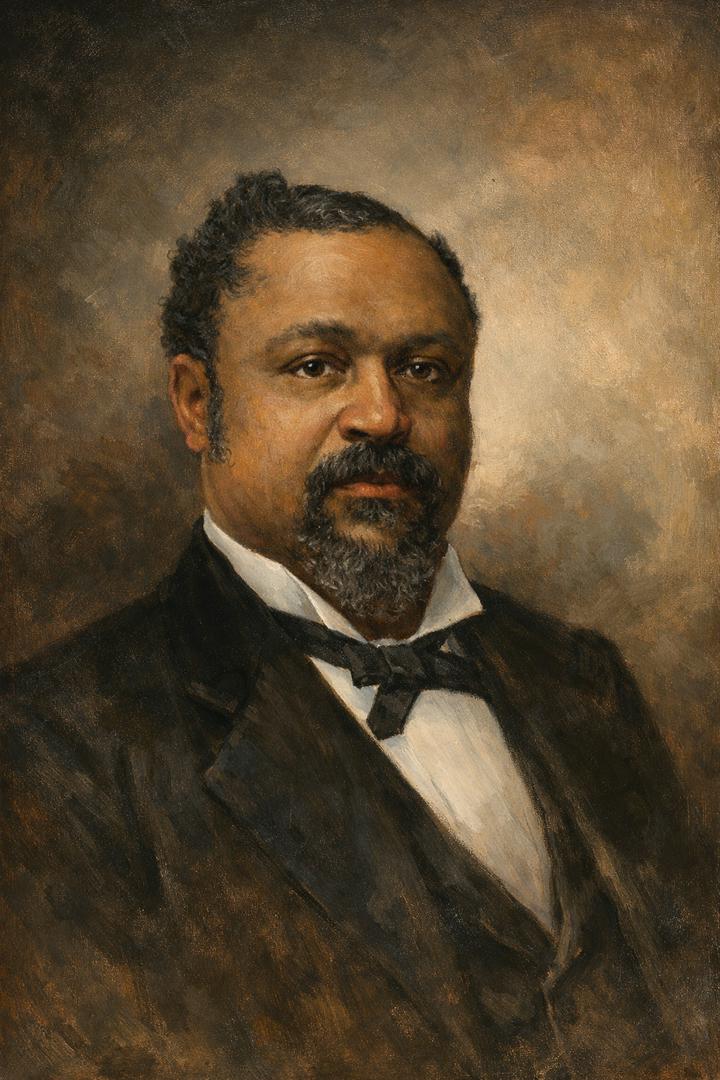
Edwin C. Berry was born in 1854 in Oberlin, Ohio and would grow into one of the most successful Black hoteliers of his era. His story is one of discipline, skill, and a refusal to be boxed in by the limits placed on Black ambition during the late nineteenth and early twentieth century. Berry trained as a barber first, a field where Black men were often able to build steady clientele and earn financial stability. That experience taught him how to read people, manage money, and understand the rhythm of business. Those skills opened the door to something bigger. He moved to Athens, Ohio where he took a bold step. He purchased and transformed a modest boarding house into what became the Hotel Berry, a respected establishment that drew travelers from across the region. At a time when segregation blocked Black travelers from many accommodations, Berry created a place known for its order, comfort, and professionalism. His hotel earned praise from both Black and white patrons which was rare for the period. People noted the elegance of the space and the discipline with which Berry ran it. His success was not just about hospitality. It showed what strong Black leadership looked like during a time when opportunities were limited and racial barriers were constant. Berry built wealth, provided jobs, and raised the standard for what Black owned businesses could achieve. His life stands as a reminder that history is filled with stories of Black excellence that shaped communities long before these contributions were fully acknowledged. Berry’s legacy still inspires people who understand how hard he had to work to build what he built. #EdwinCBerry #BlackHistory #AmericanHistory #AthensOhio #HotelBerry #LataraSpeaksTruth

LataraSpeaksTruth

Gertie Davis is one of the lesser-known names connected to Harriet Tubman’s life, and her story offers a glimpse into Tubman’s later years in Auburn, New York. After the Civil War, Harriet Tubman settled in Auburn and later married Nelson Davis. Together, they adopted a young girl named Gertie Davis. While Harriet Tubman became widely known for her work as a conductor on the Underground Railroad, a Union scout and nurse, and a freedom fighter, much less was recorded about the family life she built in the years that followed. Historical records about Gertie Davis are limited. What is known is that she was part of the Tubman household and appears in the story of Harriet Tubman’s later life. Her presence reminds us that Tubman’s life was not only defined by public courage and national history, but also by home, caregiving, and family. That matters because history often reduces people to their most famous roles. Harriet Tubman is rightly remembered for her extraordinary bravery, but she was also a wife, a mother figure, and a woman who created a home in the midst of a life shaped by struggle and service. Gertie Davis may not be widely documented, but her name still carries meaning. She represents a quieter part of Harriet Tubman’s story, one rooted in family life and the personal world Tubman built after years of sacrifice. Sometimes history is loud. Sometimes history lives in the small details, in the names that appear only briefly, and in the lives that stand just beyond the spotlight. Gertie Davis was one of those lives. #GertieDavis #HarrietTubman #BlackHistory #AmericanHistory #HiddenHistory #LataraSpeaksTruth #repost

✅CHAUNCEY HARRIS USA

Black Panther Huey P. Newton (1942–1989): The Revolutionary Voice That Empowered a Generatio

Huey Percy Newton, born on February 17, 1942, in Monroe, Louisiana, became one of the most influential figures in the American civil rights movement. Raised in Oakland, California, Newton faced the harsh realities of racial inequality firsthand. Out of those experiences, he developed a deep commitment to justice and community empowerment. In 1966, alongside Bobby Seale, he co-founded the Black Panther Party for Self-Defense. Their mission was bold and unapologetic—protect Black communities from police brutality and challenge systems that thrived on oppression. Newton served as the Party’s Minister of Defense, helping shape its powerful image and mission across the nation. Under his leadership, the Panthers launched transformative community programs like Free Breakfast for Children, health clinics, education initiatives, and legal aid services. These “survival programs” were built on love and self-determination, serving as blueprints for social reform that continue to inspire movements today. Newton also co-wrote the Ten-Point Program, a declaration of the community’s right to freedom, housing, employment, and safety. His sharp intellect and unwavering resolve made him a symbol of resistance, though his life was not without controversy and struggle. On August 22, 1989, Newton’s life was tragically cut short in Oakland at the age of 47. Yet his legacy lives on. His ideas about power, equality, and self-respect still echo through generations, reminding us that the fight for justice never truly ends. #HueyPNewton #BlackPantherParty #CivilRights #ChaunceyDatGuy #Oakland #BlackHistory

Black Panther Huey P. Newton (1942–1989): The Revolutionary Voice That Empowered a GeneratioBlack Panther Huey P. Newton (1942–1989): The Revolutionary Voice That Empowered a GeneratioBlack Panther Huey P. Newton (1942–1989): The Revolutionary Voice That Empowered a GeneratioBlack Panther Huey P. Newton (1942–1989): The Revolutionary Voice That Empowered a GeneratioBlack Panther Huey P. Newton (1942–1989): The Revolutionary Voice That Empowered a GeneratioBlack Panther Huey P. Newton (1942–1989): The Revolutionary Voice That Empowered a Generatio
LataraSpeaksTruth

1863… Connecticut Approves a Black Civil War Regiment

On this day in 1863, the Connecticut General Assembly met in a special session to decide whether Black men could serve as front line soldiers in the Union Army. After a day of debate, lawmakers approved the measure, and Governor William Buckingham signed it into law on November 23. This decision opened the door for Black residents in Connecticut to enlist in a state infantry regiment for the first time. Recruiters began organizing almost immediately, and more than one thousand Black volunteers stepped forward in the following months. Their participation formed the 29th Connecticut Colored Infantry Regiment and helped begin a second unit, the 30th Connecticut. The 29th Connecticut mustered into service in early 1864 and later fought in major campaigns near Petersburg and Richmond. They were also among the first Union troops to enter Richmond when the city fell in April 1865. The decision made on November 23, 1863 marked a turning point in Connecticut’s military history and highlighted the essential role Black soldiers played in the Union’s efforts during the Civil War. #BlackHistory #TodayInHistory #CivilWarHistory #ConnecticutHistory #UnionArmy #29thConnecticut #HistoricalFacts #AmericanHistory #OnThisDay #HistoryMatters

1863… Connecticut Approves a Black Civil War Regiment
LataraSpeaksTruth

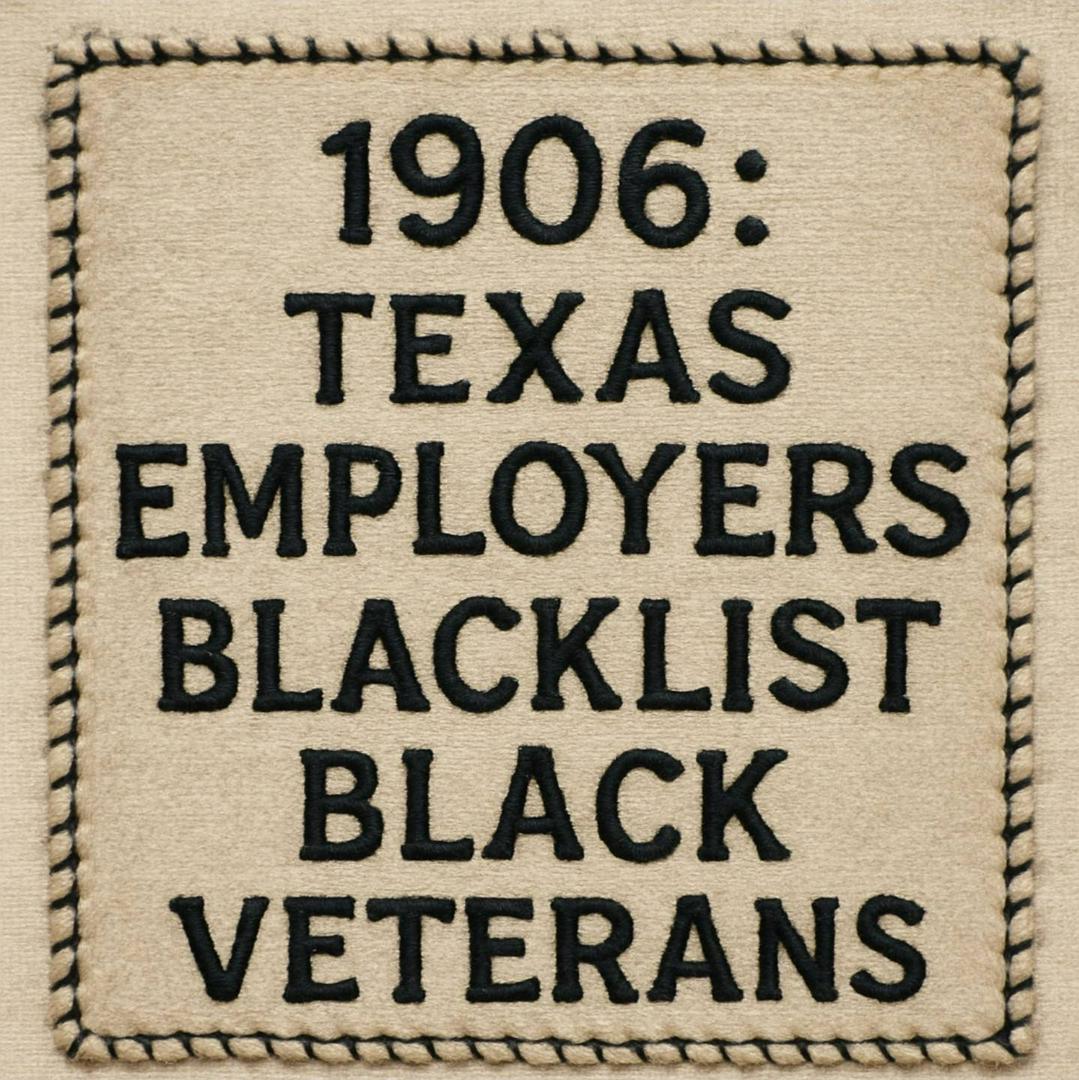
Born December 8, 1868, Henry Hugh Proctor entered the world just as Reconstruction was slipping away. The promises were fading, the tension was thick, and yet he grew into a leader who insisted that hope could be rebuilt if people were willing to do the work. Proctor did not simply become a minister. He became a community strategist, the kind of pastor who believed that faith without structure and support was just noise. When he stepped into leadership at Atlanta’s First Congregational Church, he treated the space like fertile ground. He preached, yes, but he also organized libraries, a gym, job assistance programs, cultural clubs, safe housing for young Black women, and music programs that strengthened spirits in a city determined to limit Black opportunity. He built a full-life resource center long before that phrase existed, proving that the church could be both sanctuary and engine. Proctor helped co-found the National Convention of Congregational Workers Among Colored People, creating a network for Black ministers who were pushing for progress in their own communities. After the violence of the 1906 Atlanta massacre, he worked on interracial committees that aimed to cool the hostility poisoning the South. He did this quietly, intentionally , and with the kind of steady courage that often goes unnoticed by history books. He was not chasing spotlight. He was shaping lives. His influence stretched far beyond his pulpit, carried in the people who found safety, dignity, and opportunity through the institutions he helped build. December 8, 1868 marks the birth of Henry Hugh Proctor, pioneering minister and committed community reformer. #HenryHughProctor #BlackHistory #OnThisDay #CommunityBuilder #AtlantaHistory #ReconstructionEra #FaithAndJustice #UnsungHeroes #AmericanHistory

LataraSpeaksTruth

Jan Ernst Matzeliger was an inventor whose work transformed the shoe industry during the late nineteenth century. He was born on September 15, 1852, in Paramaribo, Suriname, which was then called Dutch Guiana. His father was a Dutch engineer, and his mother was a Black Surinamese woman. As a young man, Matzeliger developed mechanical skills while working around machinery and ships before later immigrating to the United States. In the 1870s, Matzeliger settled in Lynn, Massachusetts, a city known at the time as a major center of shoe manufacturing. During this period, one of the most difficult and expensive steps in making a shoe was the process called lasting. Lasting is the step where the upper part of a shoe is pulled and shaped around a form called a last and then attached to the sole. Before Matzeliger’s invention, this step had to be done by hand by skilled craftsmen known as lasters, making the process slow and costly. Matzeliger studied the problem carefully and began developing a machine that could perform this task automatically. After years of experimentation, he successfully created the shoe lasting machine, which could attach the upper part of a shoe to the sole far faster than hand labor. He received a patent for the lasting machine in 1883. His invention greatly increased production in shoe factories and helped make footwear more affordable for ordinary people. Matzeliger’s work became widely used in the shoe manufacturing industry and played a major role in the growth of mass shoe production in the United States. Although his invention had a major impact, he did not live long after his success. He died on August 24, 1889, at the age of 36. His contribution to industrial manufacturing remains an important part of American history, Black history, and the development of modern footwear production. #JanErnstMatzeliger #Inventors #AmericanHistory #IndustrialHistory #BlackHistory #Innovation #ShoeIndustry #HistoryMatters #LataraSpeaksTruth
LataraSpeaksTruth

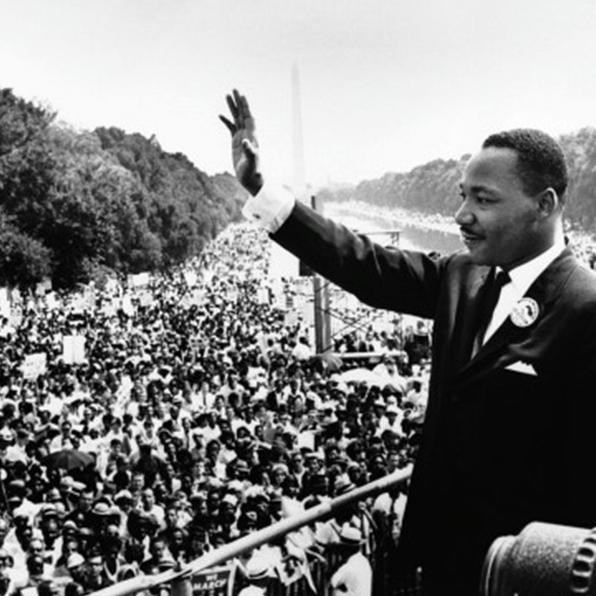
February 16, 1960…Durham, North Carolina. While student led sit ins were spreading across the South, Dr. Martin Luther King Jr. came to Durham to stand beside the young people putting their bodies on the line. Earlier that day, he visited the downtown targets of the protests, seeing firsthand how a simple lunch counter could expose an entire system. That night, inside White Rock Baptist Church, the sanctuary became more than a meeting place…it became a command center for courage. King’s message was clear and it was not soft. Protest had to be organized, disciplined, and nonviolent on purpose, not just in words. He urged students to keep their dignity, refuse retaliation, and stay steady when the pressure came. The goal was not chaos…it was moral force that could not be ignored. He pushed the movement beyond polite requests and into direct action that created consequences for injustice. Then came the hard part he wanted them ready for. If arrests came, they were not to panic or fold. He challenged them to accept jail if necessary, not as defeat, but as testimony. When people are willing to suffer without striking back, the world has to look. The sit in movement was already shaking the South, and King’s Durham speech poured gasoline on the fire of commitment, turning fear into strategy and bravery into a shared discipline. #OnThisDay #CivilRightsMovement #DurhamNC #SitInMovement #MLK #NonviolentResistance #BlackHistory

LataraSpeaksTruth

On This Day: November 29, 1961 — When the Freedom Riders Refused to Back Down

On this day in 1961, Freedom Riders were still rolling through the Deep South, long after the headlines tried to pretend the movement had “settled down.” The cameras had moved on. The danger hadn’t. Another group left New Orleans and headed straight into Mississippi, a place already infamous for jailing, beating, and shadowing anyone who dared to challenge segregation. They knew exactly what kind of storm they were walking into. And still, they stepped onto that bus. McComb wasn’t some sleepy pin on a map. It was one of the most hostile towns in the state… a place where activists were stalked, threatened, arrested, and sometimes worse, all for sitting in the wrong waiting room. That didn’t stop them. Their goal was simple: force the South to follow the law that already existed. The Supreme Court had ruled. The ICC had ordered desegregation of interstate travel. Mississippi just shrugged and said, “Not here.” These late-1961 rides didn’t come with a media circus or crowds chanting in the streets. What they did come with was quiet, stubborn courage, the kind that doesn’t need applause to stand firm. The riders were confronted, arrested, and pushed back at every turn, but they kept moving anyway. And that persistence mattered. Every arrest, every challenge, every mile traveled added pressure that eventually left the federal government out of excuses. The law was on the books. These riders made sure it was enforced. It’s a reminder that history isn’t built only from the bold moments everyone remembers. Sometimes it’s shaped by the steady footsteps of people who refuse to let injustice sit untouched. They kept riding… town by town, bus by bus… until the barriers cracked. #FreedomRiders #BlackHistory #CivilRightsMovement #OnThisDay #HistoryMatters #KnowYourHistory #LataraSpeaksTruth

On This Day: November 29, 1961 — When the Freedom Riders Refused to Back DownOn This Day: November 29, 1961 — When the Freedom Riders Refused to Back Down
Tag: BlackHistory - Page 10 | LocalAll