Tag Page BlackHistory

#BlackHistory
LataraSpeaksTruth

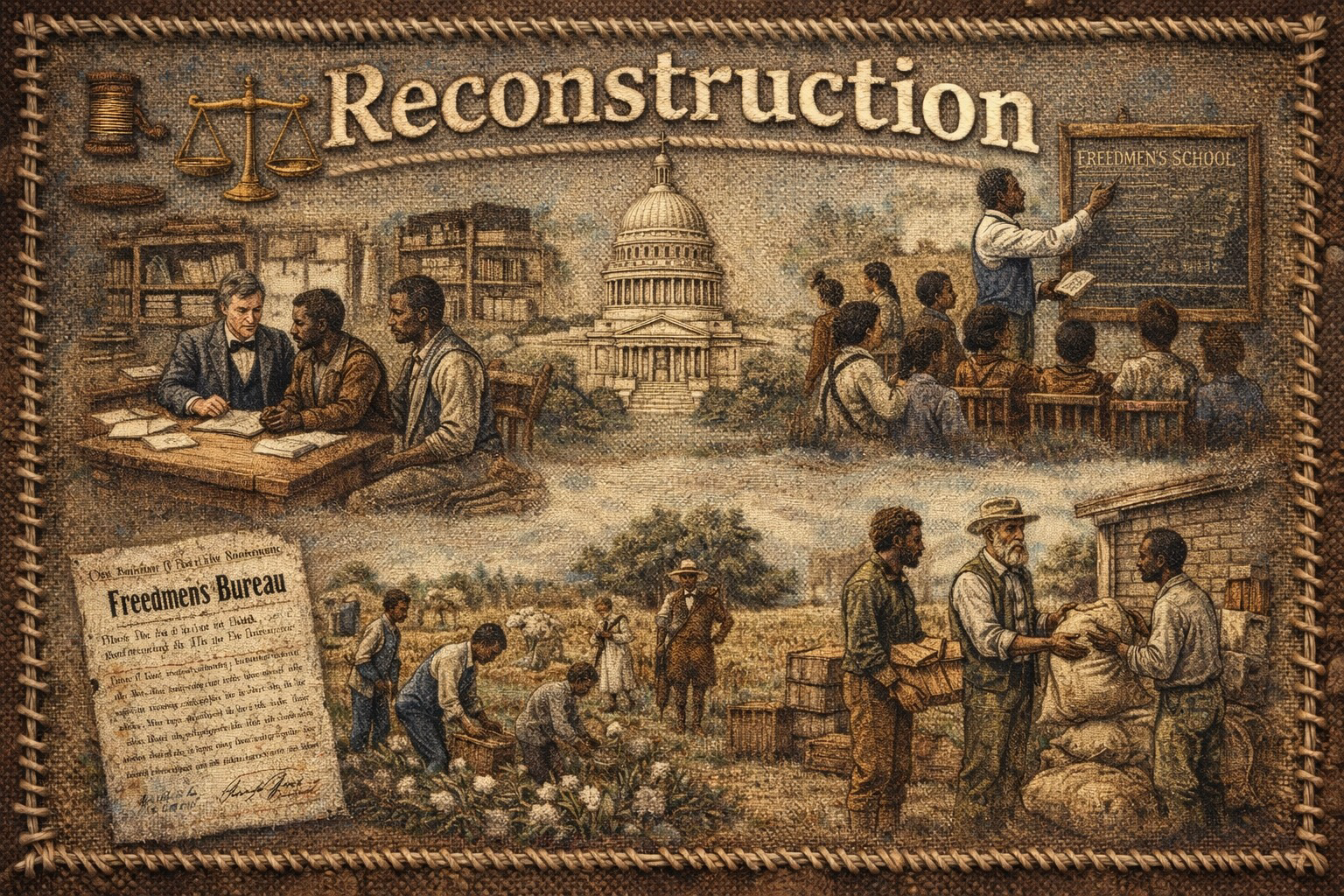
In late December 1865, as the Civil War formally faded into history, the realities of freedom were still being figured out in real time. During this period, including December 27, federal offices were actively organizing the early work of the Freedmen’s Bureau, an agency created to manage the transition from slavery to freedom for millions of newly emancipated Black Americans. Although the Bureau had been established earlier in the year, late December marked a critical phase of implementation. Agents were assigning teachers to newly formed schools, overseeing labor contracts between freed people and landowners, and distributing emergency food, clothing, and medical aid. These were not symbolic gestures. They were survival decisions that shaped daily life during Reconstruction. This work exposed the contradictions of the era. The Bureau was expected to protect freed people while also stabilizing Southern labor systems. Education expanded rapidly but faced violent resistance and chronic underfunding. Labor contracts offered oversight but often preserved unequal power dynamics. Each administrative choice carried long-term consequences. Reconstruction did not arrive as a finished promise. It emerged through paperwork, negotiations, and fragile systems built under pressure. Late December 1865 captures that reality clearly…freedom had been declared, but the structure to sustain it was still being assembled. #Reconstruction #FreedmensBureau #1865 #BlackHistory #AmericanHistory #PostCivilWar #EducationHistory #LaborHistory

LataraSpeaksTruth

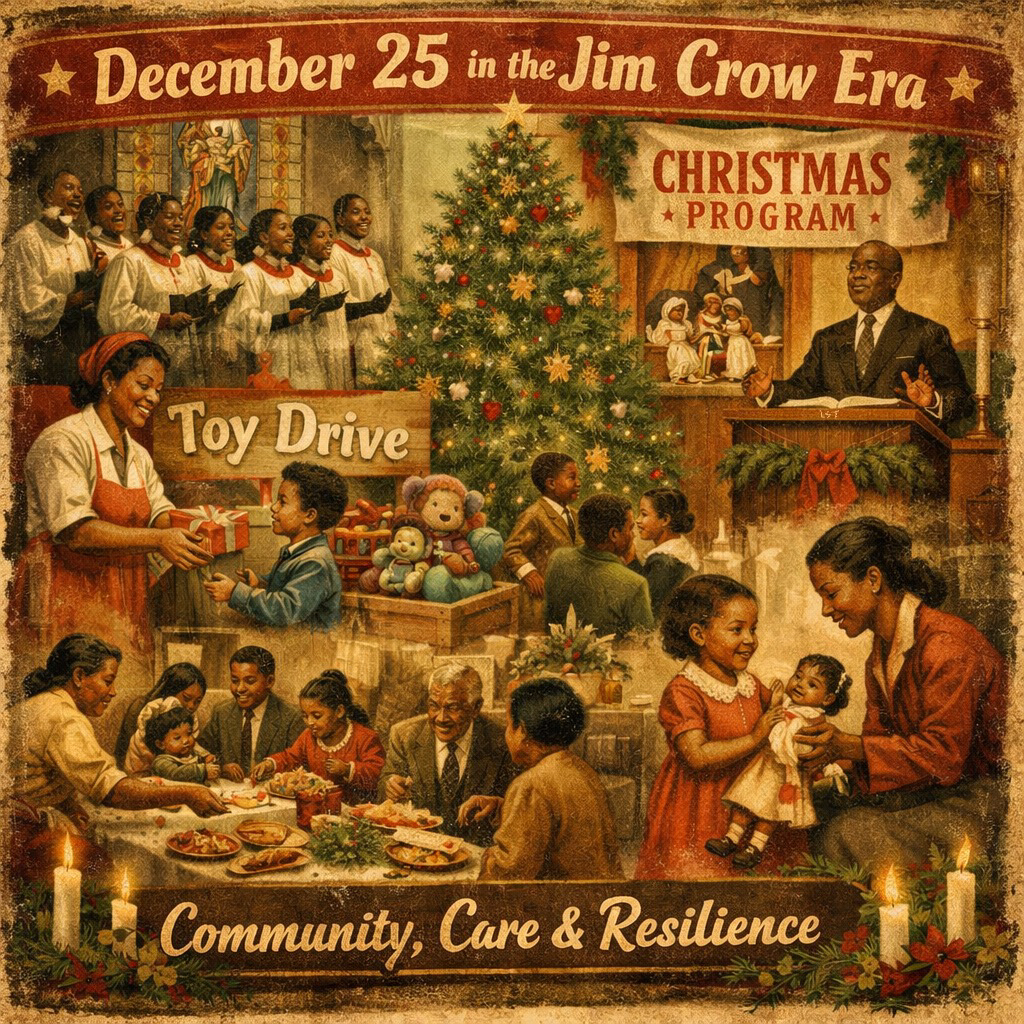
December 25 during the Jim Crow era was not a season of shared celebration for everyone. In segregated cities across the South and beyond, public Christmas traditions such as downtown displays, department store Santas, toy drives, and holiday parades were largely reserved for white communities. Black children were excluded or redirected to inferior, separate events. What appeared festive on the surface reinforced a deeper message about who was allowed public joy. Black communities did not accept this quietly. Instead, they built their own celebrations with intention and care. Churches became the center of Christmas life. Pastors, church mothers, youth leaders, fraternal orders, and civic groups organized toy drives, food distributions, and holiday meals to ensure families were fed, children were remembered, and no one was overlooked. These efforts were not symbolic. They were structured, organized, and rooted in faith and responsibility. Christmas programs filled sanctuaries with music, pageants, and warmth, creating spaces where dignity replaced exclusion. Black newspapers documented these moments, highlighting pride, organization, and self-reliance rather than grievance. December 25 in the Jim Crow era reveals an overlooked truth. Exclusion did not eliminate celebration. It transformed it. When public spaces closed their doors, Black communities opened their own. Through faith, organization, and collective care, they protected tradition, affirmed belonging, and sustained joy in a society designed to deny it. #December25 #JimCrowEra #BlackHistory #HolidayHistory #ChurchCommunity #CommunityCare #FaithAndTradition #AmericanHistory

LataraSpeaksTruth

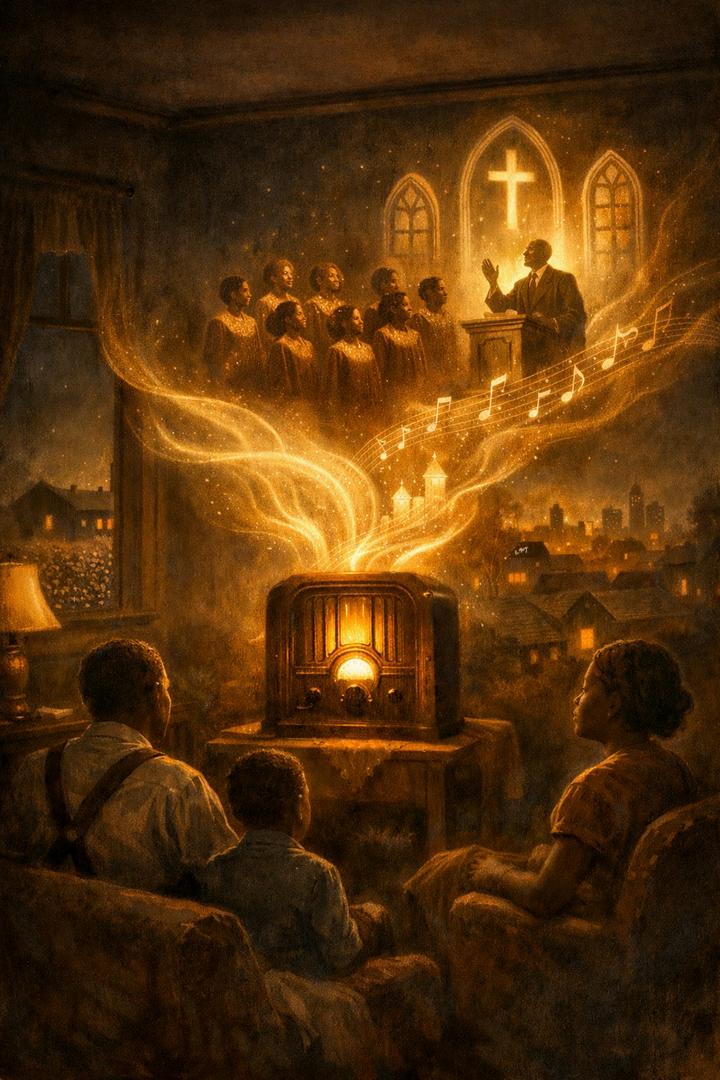
December 25 in the 1930s and 1940s quietly became one of the most important days for Black radio. While churches, concert halls, and public venues remained restricted or segregated, Christmas Day radio broadcasts allowed Black gospel music to move freely across the country. On this day, spirituals, choirs, sermons, and holiday messages reached households far beyond local communities, turning the airwaves into a sanctuary when physical space was denied. Radio mattered because it crossed boundaries people could not. Families who might never step inside a Black church still heard the music. Listeners encountered voices shaped by faith, survival, and tradition without seeing faces first. Gospel did not arrive as protest, but its presence challenged exclusion simply by existing in national soundspace. Christmas amplified that reach, giving Black spiritual expression a moment of visibility during a holiday associated with reflection and hope. These broadcasts also helped standardize and spread gospel as a national musical form. Regional styles traveled coast to coast, influencing future performers, choirs, and composers. What began as sacred music rooted in specific communities expanded through radio into a shared cultural language. Christmas programming made room for that expansion when few other platforms would. By the 1940s, Black gospel on Christmas radio was more than seasonal programming. It was infrastructure. It preserved tradition, strengthened cultural memory, and reminded listeners that faith, like sound, could not be segregated forever. December 25 became proof that even when doors were closed, voices still traveled. #BlackHistory #GospelMusic #RadioHistory #ChristmasDay #CulturalHistory #AmericanMusic #FaithAndCulture #HiddenHistory #BlackExcellence #MediaHistory

LataraSpeaksTruth

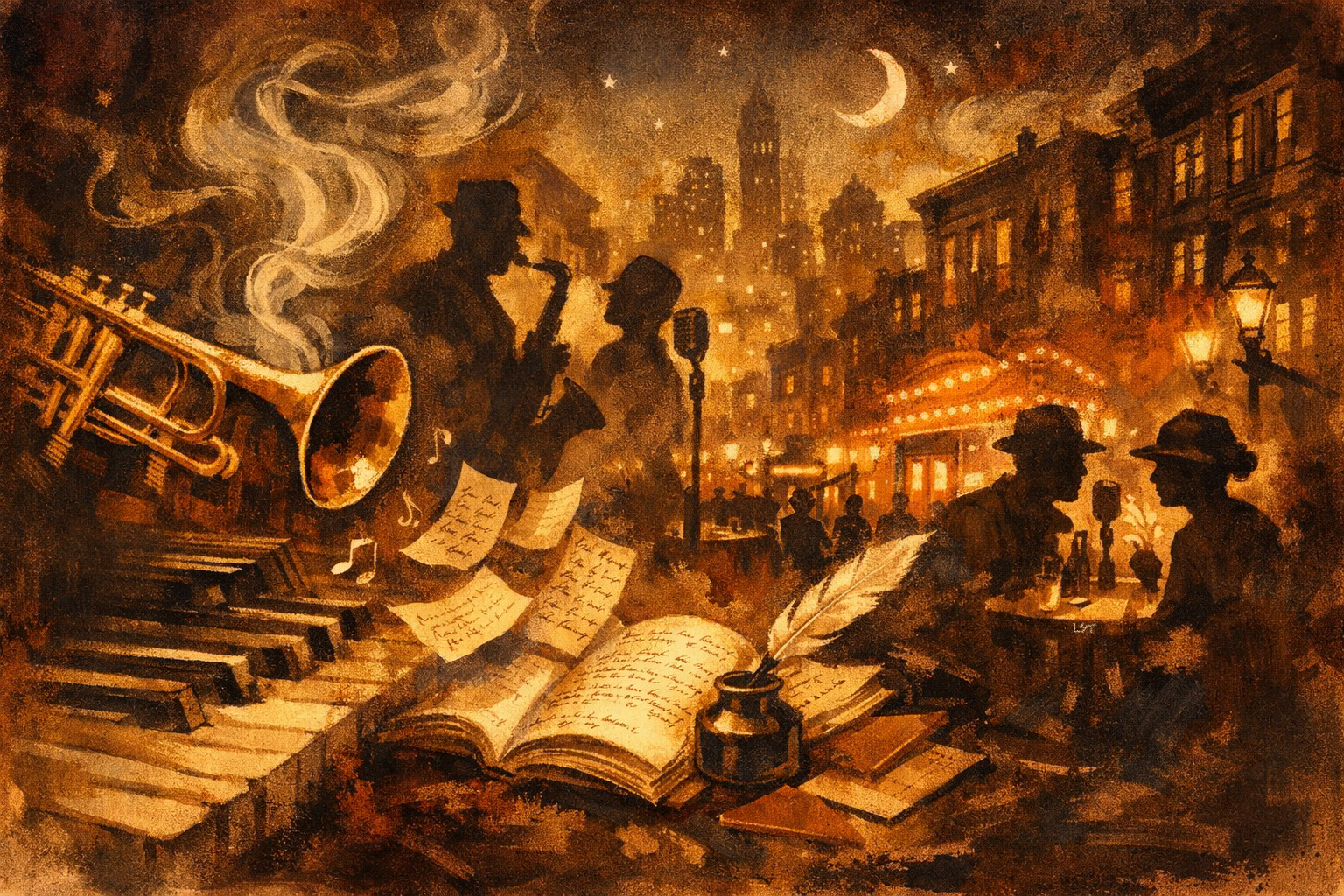
December 1924 sits right in the thick of a cultural takeover that did not ask for permission. Harlem was alive. Not just busy, but alive with ideas, music, arguments, and ambition. The Harlem Renaissance was not a single moment you could circle on a calendar. It was a season of collision where Black writers, artists, musicians, and thinkers decided they would define themselves instead of being defined. December, often treated as a quiet closing month, was anything but quiet in Harlem. It was a continuation of momentum. During this period, figures like Langston Hughes, Zora Neale Hurston, and Duke Ellington were shaping a new cultural language. Literature challenged stereotypes. Music moved beyond entertainment into statement. Art reflected pride, frustration, joy, and complexity without apology. These creators were not trying to be respectable by outside standards. They were trying to be honest. December 1924 represents endurance. The Renaissance was not a party that burned out quickly. It was work. Magazines were being published. Essays were being debated. Poetry was being read aloud in crowded rooms thick with cigarette smoke and opinion. Political thought was sharpening alongside creative expression. Black identity was being examined, questioned, and affirmed in real time. This matters because the influence did not stay in Harlem. It traveled. It shaped how Black life was written about, performed, and understood across the country and eventually the world. December reminds us that movements do not pause for holidays. They continue quietly, loudly, and persistently. The Harlem Renaissance was not a moment. It was a turning of the page that never fully closed. #HarlemRenaissance #BlackHistory #CulturalHistory #AmericanHistory #DecemberHistory

LataraSpeaksTruth

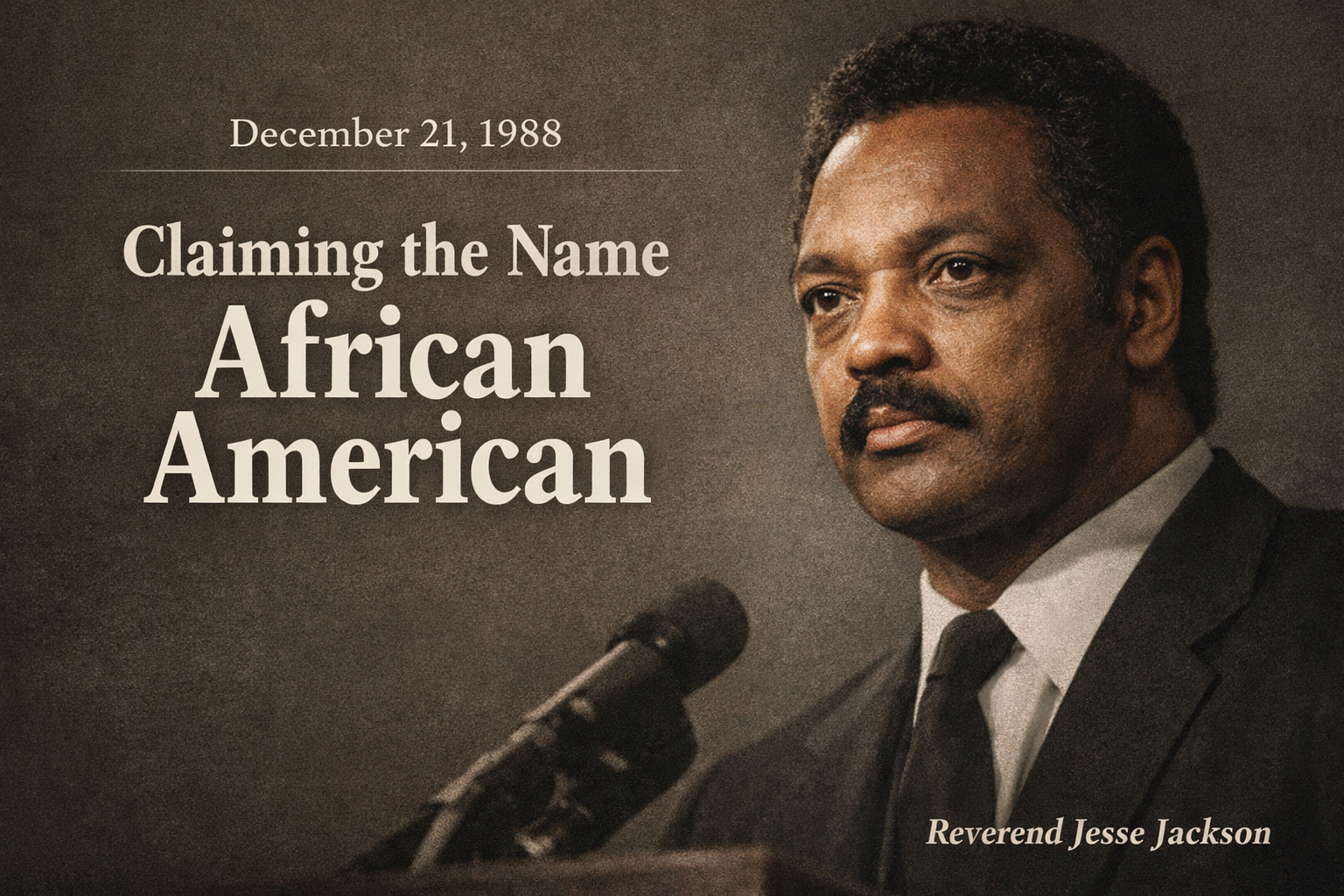
December 21, 1988 marked a subtle but powerful shift in public language. Around this time, Jesse Jackson and other prominent Black leaders encouraged broader use of the term African American, signaling a move toward self-definition rooted in heritage rather than description alone. The push was not about erasing the word Black or ranking one label above another. It was about choice, context, and power. African American emphasized ancestry, history, and cultural lineage tied to the African diaspora, much like how other ethnic groups in the United States name themselves. For many advocates, it framed identity as part of a longer historical arc rather than a reaction to skin color assigned by others. Jackson argued that names matter because they shape how people see themselves and how they are treated. In the late 1980s, Black Americans were navigating increased visibility in politics, media, education, and global affairs. Language became part of that visibility. To name oneself was to assert agency. The shift did not happen overnight, nor was it universally accepted. Some embraced African American immediately. Others preferred Black and still do today. What mattered then, and what still matters now, is that the discussion centered on self-identification rather than labels imposed from the outside. December 21 stands as a reminder that history is shaped not only by laws and marches, but also by words. Sometimes progress is loud. Sometimes it is quiet. Sometimes it sounds like a name spoken clearly and claimed with intention. #africanamerican #blackhistory #jessejackson #december21 #identity This is a historical post shared because today is the date it occurred. Please read it as history, not as a personal stance or affiliation.

LataraSpeaksTruth

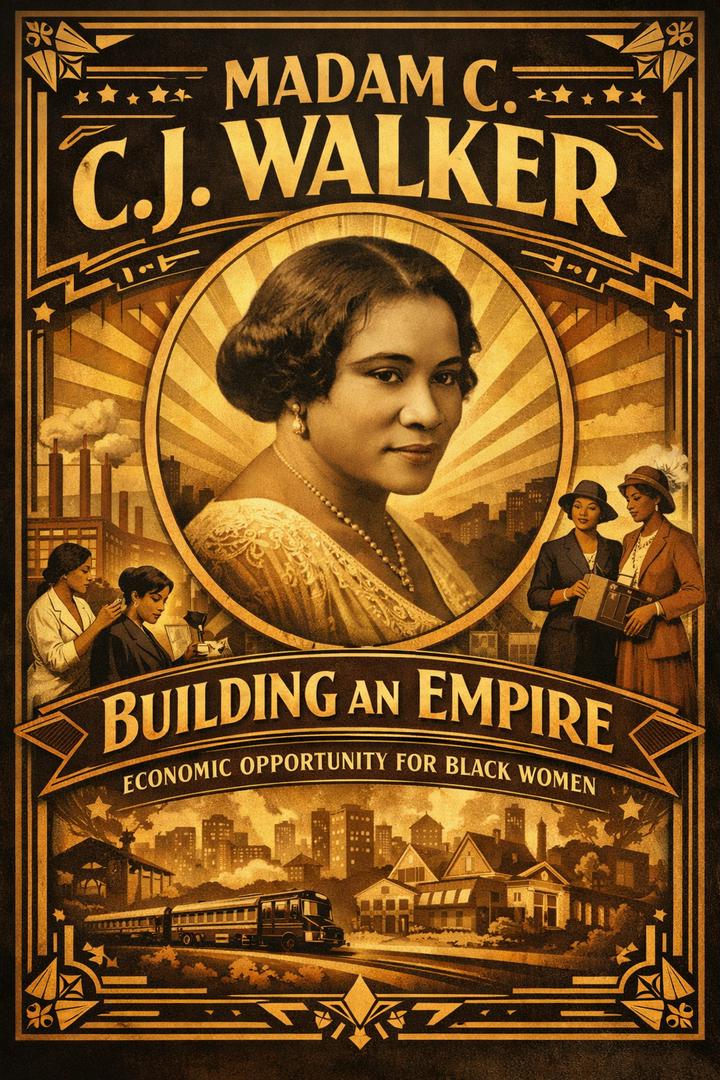
During the 1920s, the business empire built by Madam C. J. Walker was still expanding, even after her death in 1919. This mattered. At a time when economic opportunity for Black women was deliberately restricted, Walker’s company continued to operate, grow, and employ thousands. Her vision did not end with her life. It outlived her. Walker had built more than a beauty brand. She created a national system of training, sales, and ownership that allowed Black women to earn steady income, travel, and gain financial independence in an era that offered few legitimate paths to either. By the 1920s, her sales agents, often called Walker Agents, were operating across the country, supporting families and funding communities. This was not charity. It was structure. Walker believed economic power was a form of protection and dignity. Her company provided wages, business education, and leadership opportunities long before corporate America was willing to do the same. Many of the women employed through her system went on to buy homes, send children to school, and support civil rights organizations quietly and consistently. What made Walker’s legacy radical was its practicality. She did not argue theory. She built systems. In a decade defined by segregation, limited labor access, and social barriers, her company functioned as proof that economic independence was achievable when ownership and opportunity were placed directly in the hands of those excluded from both. The 1920s did not slow her impact. They revealed it. Long after her passing, Madam C. J. Walker’s business remained a working model of what happens when vision meets execution. #BlackHistory #BusinessLegacy #EconomicPower #WomensHistory #HiddenHistory

LataraSpeaksTruth

December 13, 1951 sits right in the middle of a quiet but dangerous shift in American history. During the early Cold War, civil rights organizations, including the NAACP, came under intensified federal scrutiny and state level attack. Under the banner of fighting communism, activism for equal rights began to be framed as a national security threat rather than a constitutional right. By this period, the NAACP was facing loyalty investigations, demands for membership lists, and legal pressure in multiple states. Southern legislatures moved to restrict or ban its operations outright, arguing that civil rights organizing was “subversive” or foreign influenced. These accusations were not supported by evidence, but they were effective. They chilled participation, endangered members, and slowed organizing efforts through fear and intimidation. This moment matters because it helped normalize surveillance as a tool against Black political organizing. The logic was simple and deeply flawed. If you challenge inequality, you must be dangerous. That mindset did not end in the 1950s. It laid groundwork for later monitoring of activists, community leaders, and movements well into the late twentieth century and beyond. December 1951 is not remembered for a single headline grabbing event, but for a pattern taking shape. Civil rights work was being recast as suspicious, unpatriotic, and worthy of government oversight. That reframing shaped how activism would be treated for generations and explains why many organizers learned to move carefully, document everything, and expect resistance not just from mobs, but from institutions. History is not only about what happened loudly. Sometimes the most lasting damage is done quietly, through paperwork, court orders, and labels that follow people long after the moment has passed. #HistoryMatters #ColdWarEra #CivilRightsHistory #NAACP #AmericanHistory #HiddenHistory #GovernmentSurveillance #BlackHistory

LataraSpeaksTruth

December 13, 1967 marks one of those quiet moments in American history that reshaped higher education without ever getting a plaque. During the late 1960s protest wave, Black student organizations were formally recognized at several predominantly white universities, often in December after months of sustained campus pressure. These recognitions did not come from goodwill or sudden awareness. They followed walkouts, sit ins, building occupations, canceled classes, and students risking suspension or arrest to force institutions to acknowledge their presence and demands. What universities later labeled as “administrative recognition” was the result of organized resistance and strategic disruption. Black students understood that being admitted to a campus did not equal inclusion within it. Recognition of Black student organizations created formal pathways for advocacy, funding, and accountability, while also fueling demands for Black Studies programs, Black faculty hiring, culturally relevant curricula, and support systems that reflected students’ lived realities. Until this moment, most campuses taught history and social sciences through narrow frameworks that excluded or distorted Black experiences. The impact of these movements extended far beyond 1967, laying the groundwork for Black Studies departments nationwide and exposing a recurring truth in American institutions. Change is often framed as progress granted from above, when it is more often forced from below. December 13, 1967 reminds us that history also moves through students who refused silence and made institutions confront realities they preferred to ignore. #BlackHistory #BlackStudentMovement #BlackStudies #CampusProtests #StudentActivism #AmericanHistory #EducationHistory #HiddenHistory

LataraSpeaksTruth

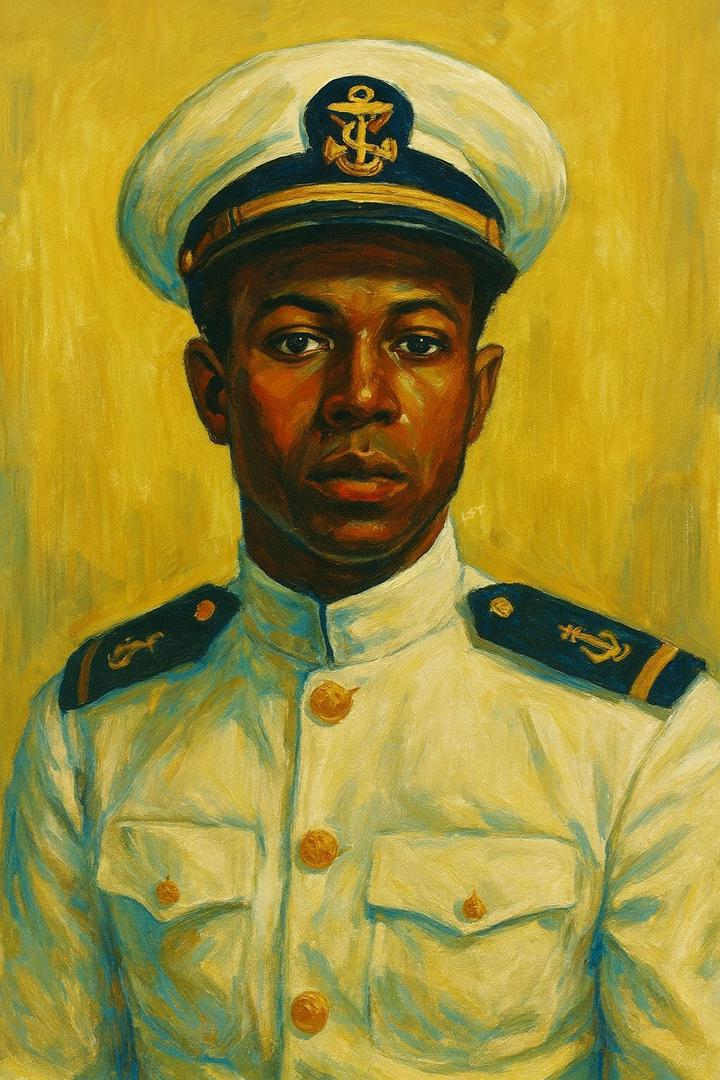
Black Americans have served in every major U.S. conflict since the nation’s founding, often fighting for freedoms they themselves were denied at home. During World War II, more than one million Black men and women served in uniform, yet their military experience was shaped by segregation, limited opportunity, and unequal recognition. Black troops were frequently assigned to labor-intensive and high-risk roles rather than combat positions. Many worked in ammunition depots, grave registration units, engineering battalions, and supply operations, jobs essential to victory and often deadly. They handled explosives, recovered bodies, and operated in dangerous conditions, all while white units were more likely to receive combat recognition, promotions, and public praise. Capability and discipline were proven again and again, yet opportunity remained rationed. The inequality did not end when the war did. The Servicemen’s Readjustment Act of 1944, known as the GI Bill, promised education, housing loans, and employment support. In reality, access was controlled locally. Discriminatory lending, segregated schools, and exclusionary policies blocked many Black veterans from benefits they had earned. Meanwhile, white veterans were far more likely to attend college, buy homes, and build generational wealth. Many Black veterans returned home still wearing their uniforms, only to be denied loans, housing, or even entry into the classrooms their service was meant to secure. Historians widely agree these disparities helped shape lasting economic and social divides in the United States. This history is not about assigning blame; it is about understanding how policy decisions and systemic barriers altered real lives and redirected American prosperity. Military service has always carried sacrifice. For many Black soldiers, the war for freedom did not end in 1945… it simply changed uniforms. #WorldWarII #BlackHistory #Veterans #GIbill #ServiceAndSacrifice
LataraSpeaksTruth

On December 4, 1950, Ensign Jesse LeRoy Brown, the first Black man to complete U.S. Navy flight training and serve as a naval aviator, was shot down while flying close air support during the Korean War near the Chosin Reservoir. He crash landed in the snow, badly injured and trapped in the wreckage, while his wingman, Thomas J. Hudner Jr., made a desperate rescue attempt, even crash landing nearby to try to reach him. Brown did not survive, and his remains were never recovered, but his legacy did not end on that frozen mountainside. He became a permanent symbol of excellence earned through barriers, and a reminder that service, skill, and courage have always been bigger than the limits people tried to place on them. #ThisDayInHistory #KoreanWar #USNavy #NavalAviation #MilitaryHistory #JesseLBrown #BlackHistory #ChosinReservoir

Tag: BlackHistory - Page 13 | LocalAll