Tag Page BlackHistory

#BlackHistory
LataraSpeaksTruth

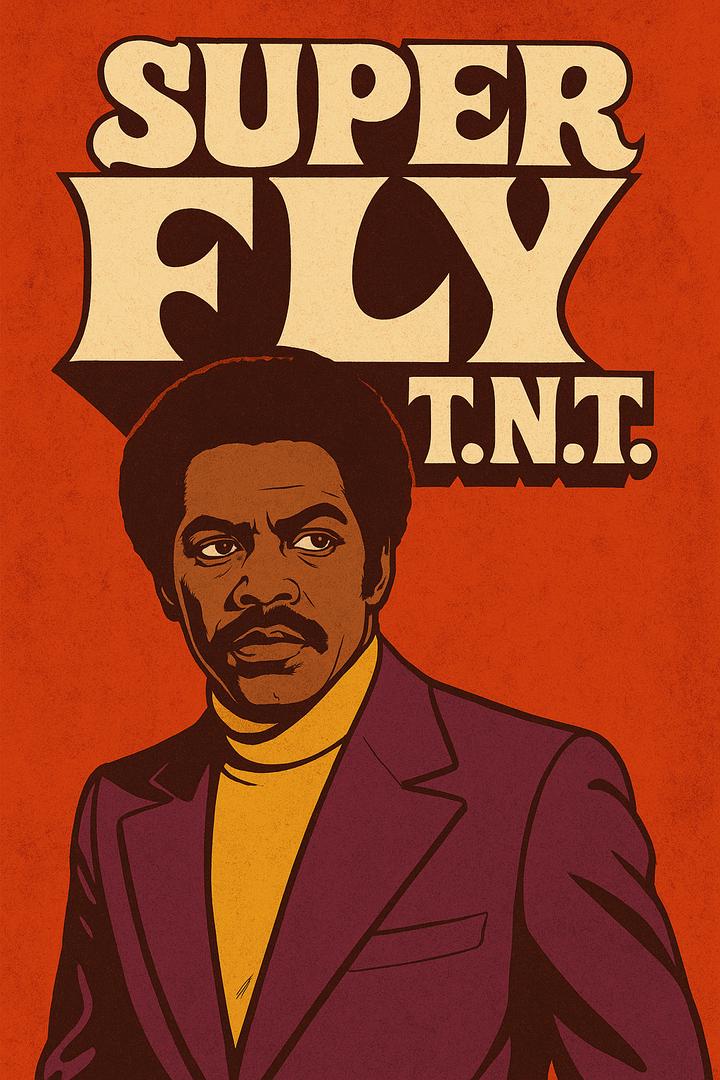
On December 11, 1972, Super Fly T N T arrived in theaters with Ron O Neal returning to the role that made him a recognizable name in early Black cinema. The film followed the success of the first Super Fly, a project that helped expand space for Black actors, Black directors, and Black stories during a time when the industry offered limited opportunities. While the sequel did not reach the same commercial impact as the original, its significance rests in what it represented for the era. Black creatives were working to build a lane that had not existed before and each project contributed to the wider cultural shift that was taking shape. Super Fly T N T was filmed overseas and placed a Black lead in an international storyline, something Hollywood rarely did at the time. The film challenged narrow expectations by presenting a character with complexity, ambition, and global reach. Even when reviews were mixed, the effect on audiences was clear. Black viewers were seeing themselves portrayed with confidence, style, and agency at a time when representation was often restricted or stereotyped. This period laid the groundwork for the independent films and emerging voices that would follow. It created room for directors and actors who refused to stay in the margins and pushed for fuller portrayals of Black life and experience. Super Fly T N T stands as part of that chapter. It reflects a moment when progress came from persistence, creativity, and a determination to keep producing work even when the path was challenging or uncelebrated. #BlackHistory #OnThisDay #FilmHistory #SuperFly #RonONeal #BlackCinema #NewsBreakCommunity

LataraSpeaksTruth

Michael Manley was born on December 10, 1924, in Jamaica, and rose into one of the most influential Caribbean leaders of the twentieth century. He built his politics on labor rights, economic justice, and the stubborn belief that working-class people deserved far more than society was handing them. His vision did not stop at Jamaica’s shoreline. It connected directly to global movements for Black liberation. Manley served as Jamaica’s Prime Minister across two major eras, and he spent those years challenging inequality, pushing bold social programs, and refusing to let marginalized communities stay invisible. He was not perfect. No leader is. Still, he chose to speak loudly on issues that made the powerful uncomfortable. He understood that Jamaica’s struggles were tied to the wider struggles of the African diaspora. He confronted colonial systems, called out racial injustice, and supported liberation movements in Africa and the Caribbean while many world leaders stayed silent. His courage energized activists in the United States who recognized their own fight in his. Including Manley in conversations about American history is not a stretch. It is a necessary correction. The Caribbean and the United States have always shared more than culture and migration. They have shared labor battles, resistance strategies, and a deep hunger for self-determination. Manley’s work belongs inside that history. To name him is to honor the truth. Liberation has never been a project contained by borders. It is a global story carried across oceans. Michael Manley’s chapter deserves to be read. Michael Manley shaped more than Jamaica. His leadership connected labor rights, global Black movements, and the long push for dignity across the African diaspora. #BlackHistory #OnThisDay #DiasporaHistory #CaribbeanLeaders #HistoryMatters #LataraSpeaksTruth

LataraSpeaksTruth

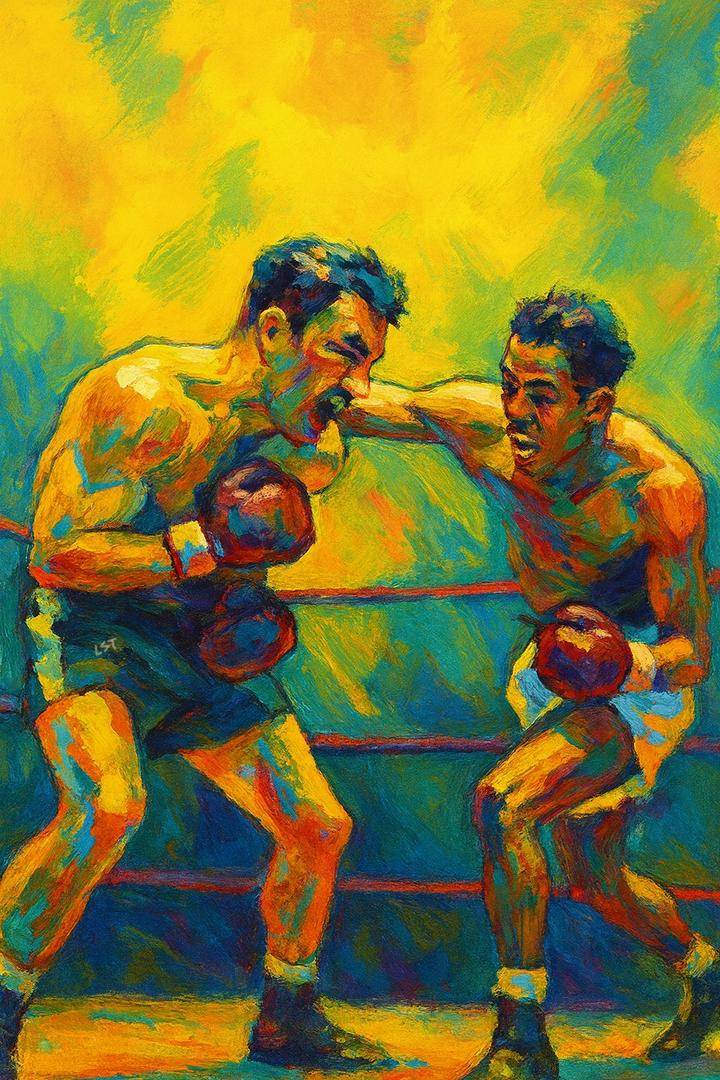
December 10 marks a moment that shook the sports world in 1965. Sugar Ray Robinson, the man many still consider the greatest boxer to ever lace a pair of gloves, officially stepped away from the ring and closed a career that feels almost mythical in hindsight. He retired with world titles in the welterweight and middleweight divisions and more than 100 knockouts across eras where every fight was a battle for legacy. Sugar Ray wasn’t just skilled, he was the blueprint. Footwork light as conversation, timing sharp as intuition, movement that looked like it should have been captured in poetry instead of film. He shifted how fighters trained, strategized, dreamed. Whole generations studied him. Whole styles were born from his rhythm. His retirement on this day was bigger than a personal decision. It marked the end of a chapter in American sports history, a moment where fans knew they were watching the closing of something rare, something unmatched. A career that rewrote expectations. A fighter who redefined excellence. A legend who stood alone. There are champions. There are icons. And then there is Sugar Ray Robinson, a name that still commands respect every single time it’s spoken. His legacy didn’t end with retirement. It expanded, echoing through every fighter who studied the art of footwork, precision, and heart. #BlackHistory #BlackExcellence #OnThisDay #SportsHistory #BoxingHistory #SugarRayRobinson #LataraSpeaksTruth

LataraSpeaksTruth

December 9, 1952 marked a turning point in American history, even though most people at the time didn’t realize how much the moment would reshape the nation. On this day, the U.S. Supreme Court began hearing arguments in Brown v. Board of Education and several related cases challenging school segregation. Families from Kansas, South Carolina, Virginia, Delaware, and the District of Columbia all stepped forward, insisting that separate classrooms created unequal futures for their children. Their voices carried a message that had been ignored for decades, and this was the first time the highest court in the country had to confront it head-on. The arguments unfolded over several days, exposing a truth that had long been clear to the families living it. Segregated schools were not just separate, they were deeply unequal in funding, safety, resources, and opportunity. Attorneys including Thurgood Marshall pushed the Court to acknowledge the harm being done to children who were told, by law, that they were worth less. It challenged the very idea of fairness in public education and forced the nation to face its contradictions. Though the Court would not reach a final decision until 1954, December 9 was the spark that set everything in motion. The justices’ willingness to reopen arguments multiple times showed how heavy the moment truly was. They knew the outcome would transform every district, every classroom, and every child’s understanding of what equality should look like in America. The eventual ruling, declaring school segregation unconstitutional, did more than change policy, it changed the nation’s direction. And it all began with the courage of families who refused to let inequality be the last word. #LataraSpeaksTruth #NewsBreak #HistoryMatters #AskLemon8 #BlackHistory #AmericanHistory #BrownvBoard #OnThisDay #CivilRightsHistory

LataraSpeaksTruth

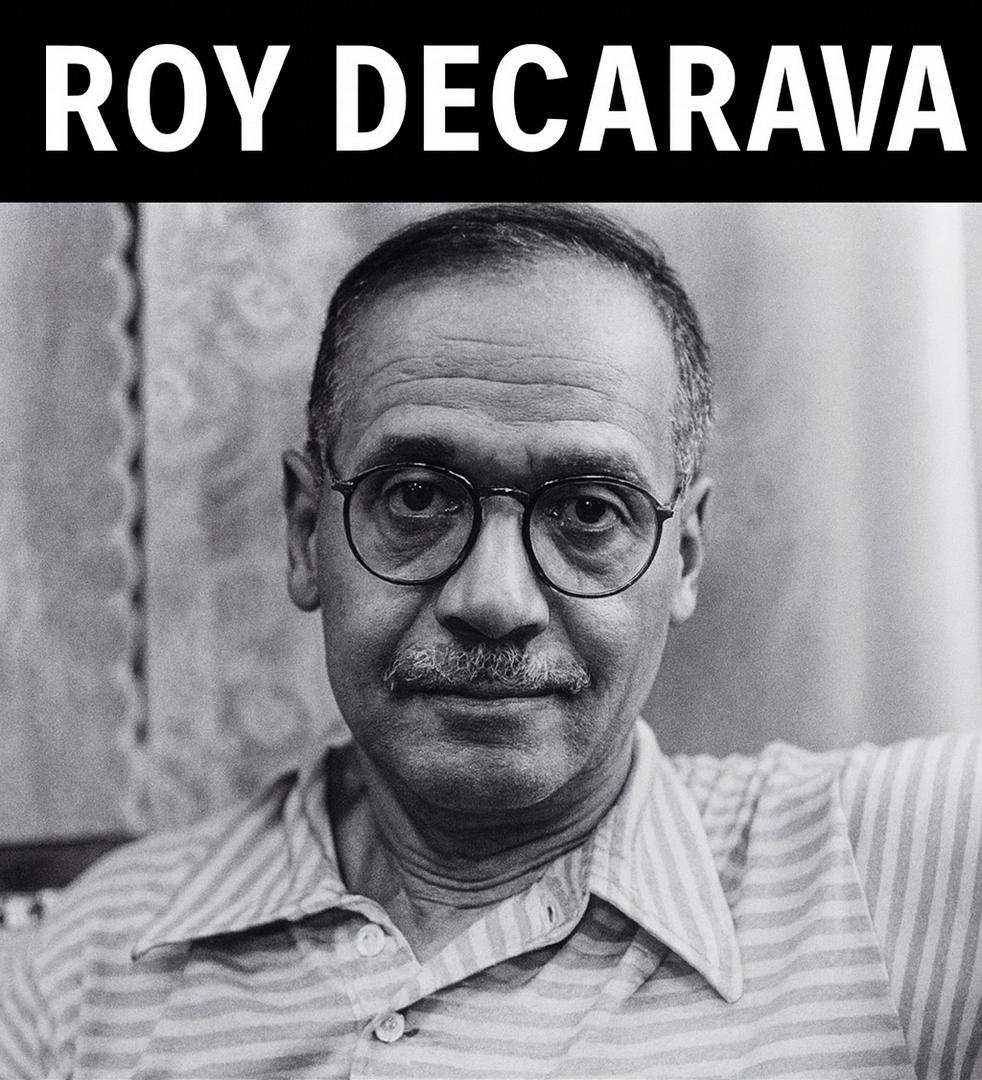
Roy DeCarava, born December 9, 1919, forever changed the way America saw Black life. Raised in Harlem during its creative boom, he developed a photographic style defined by soft shadows, quiet emotion, and deep respect for everyday people. His images pushed back against the stereotypes that dominated mainstream media, replacing them with truth, tenderness, and dignity. In 1952, DeCarava became the first African American photographer to receive the Guggenheim Fellowship. The award opened the door for him to document Harlem on his own terms. He photographed musicians, children, workers, families, and the rhythms of daily life that often went unnoticed. His work revealed the interior world of the community, showing beauty not as an exception but as an everyday presence. DeCarava later teamed up with Langston Hughes for The Sweet Flypaper of Life, a groundbreaking blend of poetry and photography that offered an intimate portrait of Harlem. Throughout his long career as an artist and educator, he remained committed to portraying Black life with nuance, honesty, and quiet power. DeCarava’s photographs are more than images. They are memories, culture, and stories shaped through shadow and light. His legacy continues to influence generations of photographers who seek depth, truth, and humanity in their work. A visionary who turned Harlem’s everyday life into art that still speaks today. #RoyDeCarava #BlackHistory #PhotographyLegend #Harlem #ArtHistory #CulturalIcons #GuggenheimFellow
LataraSpeaksTruth

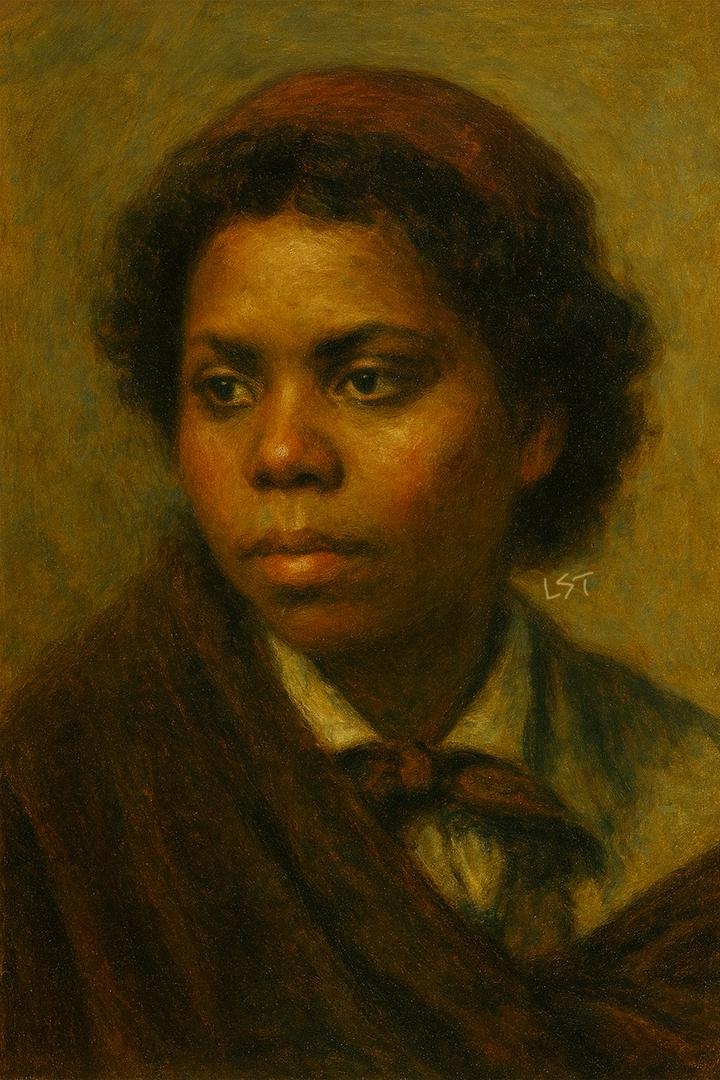
On December 8, 2021, the U.S. Postal Service finally delivered a long-overdue tribute, announcing that Edmonia Lewis would join the 2022 USPS stamp series. Lewis was a 19th-century sculptor whose life reads like a testimony of talent pushing through every barrier placed in its path. Born in 1844 to a Caribbean father and an Indigenous mother, she carved her way into history at a time when opportunities for women of color in the arts were nearly nonexistent. She refused the limits placed on her, mastering neoclassical sculpture and building a career that stretched from Boston to Rome. Her works stood out not just for their technical skill but for their storytelling. Lewis centered themes of identity, freedom, and faith at a time when the country was still divided by the aftermath of the Civil War. Her sculptures of abolitionist icons and spiritual narratives carried a boldness rarely afforded to someone of her background, yet she created with clarity, intention, and a vision that still resonates more than a century later. The USPS stamp wasn’t just an honor… it was a reminder. Acknowledgment of a woman who shaped the art world long before the world was willing to recognize her. A nod to someone who carved her legacy from marble when society tried to carve her out of the record. Today, her work lives on in museums, archives, and now in the hands of anyone placing that stamp on a letter. It’s a piece of history made visible again. #LataraSpeaksTruth #BlackHistory #EdmoniaLewis #NewsBreakCommunity

LataraSpeaksTruth

December 8, 2019 felt like the world finally looked up and saw what had been glowing the whole time. When Zozibini Tunzi of South Africa claimed the Miss Universe crown, she didn’t just win a title… she completed a historic sweep. For the first time ever, all five major global beauty crowns were held by Black women at the same time. Miss Universe, Miss World, Miss USA, Miss Teen USA, Miss America… every stage, every spotlight, every headline carried a face that had been overlooked for generations. But on that night, the standard shifted for good. What made Zozibini’s win cut even deeper was how she dared to show up. Short natural hair. Dark skin. No apology, no shrinking, no bending to old expectations. She stood there with that quiet blaze, speaking about leadership, self-confidence, and a beauty that stands firm instead of folding. It wasn’t just a crown, it was a declaration. A reminder that representation doesn’t tiptoe… it walks in like it belongs, because it finally does. For young girls watching around the world, especially the ones who never saw themselves in spaces like this, her victory whispered something steady… you are not the exception, you are the mirror. And this moment wasn’t diversity for show. It wasn’t a trend. It was a once-in-history alignment born from decades of fighting to expand what the world calls beautiful. This remains one of the most powerful images of global representation… and it deserves its place in every timeline we refuse to let fade. #ZozibiniTunzi #MissUniverse #BlackHistory #RepresentationMatters #BeautyReimagined #LataraSpeaksTruth

LataraSpeaksTruth

DORIE MILLER DESERVED MORE THAN THE BOX THEY PUT HIM IN

Every year when December 7 comes back around, people talk about Pearl Harbor like it was just ships, explosions, and history book dates. But they never talk enough about the man who had every reason to freeze and still chose courage… Doris “Dorie” Miller. He wasn’t allowed to be anything but a mess attendant. The Navy said that was the limit for Black sailors. Serve food. Clean up. Stay in the background. But the morning the sky erupted over Pearl Harbor, he did the exact opposite of what the system designed for him. He ran toward danger. He carried wounded men through fire. And when he saw an anti aircraft gun sitting empty, he climbed behind it and defended the ship with no training and no warning. He just did what needed to be done. What gets me every time is this… he saved lives in a uniform that never treated him like an equal. He proved ability in a system that spent years pretending Black excellence needed permission slips. And even after he received the Navy Cross… the first Black American to ever receive it… the nation still didn’t give him the full honor he earned until long after he was gone. Dorie Miller is the kind of story America likes to tuck in the footnotes until we pull it out and hold it to the light. A reminder that our people have always shown up with courage, even when the country refused to show up for them. His heroism wasn’t an accident. It was legacy… it was instinct… it was truth rising to the surface no matter how deeply the world tried to bury it. #BlackHistory #AmericanHistory #PearlHarbor #DorieMiller #NavyCross #UnsungHeroes #HistoryMatters #LataraSpeaksTruth

DORIE MILLER DESERVED MORE THAN THE BOX THEY PUT HIM IN
LataraSpeaksTruth

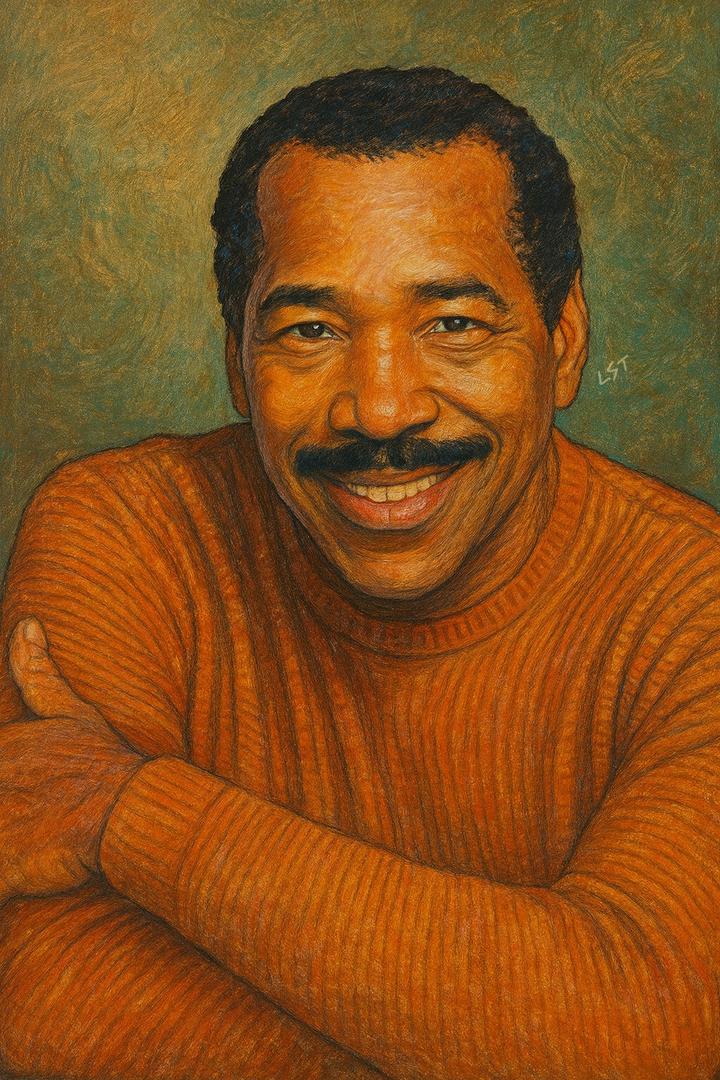
Obba Babatundé Born on This Day in 1951

From Broadway stages to classic films, he built a career defined by range and longevity. On December 1, 1951, Obba Babatundé was born in Queens, New York. His path from a kid with talent to a nationally respected actor shows what happens when discipline and versatility work hand in hand. He began in local performances and quickly stood out as someone who could master any role placed in front of him. Audiences on Broadway watched him rise in the original production of Dreamgirls where he played C. C. White. The role earned him a Tony Award nomination and made it clear that he belonged in the ranks of top stage performers. His work reached well beyond the theater. Babatundé became a recognizable force in film and television, taking on roles that required both emotional depth and sharp comedic timing. One of his most memorable pop culture appearances came in the movie How High where he played Dean Cain, the stressed and uptight administrator shocked by the chaos unfolding around him. It was a small role but the impact was immediate. His delivery, presence, and comedic control added another layer to the film and showed how effortlessly he could shift from drama to humor. Babatundé built a career rooted in dedication, heritage, and range. His birthday marks the rise of a performer who continues to influence stages, screens, and generations of actors who follow after him. #ObbaBabatunde #OnThisDay #BlackHistory #EntertainmentHistory #Dreamgirls #HowHigh #FilmAndStage #ActingLegend #NewsBreakCommunity

Obba Babatundé Born on This Day in 1951
Tag: BlackHistory - Page 14 | LocalAll