Tag Page BlackHistory

#BlackHistory
LataraSpeaksTruth

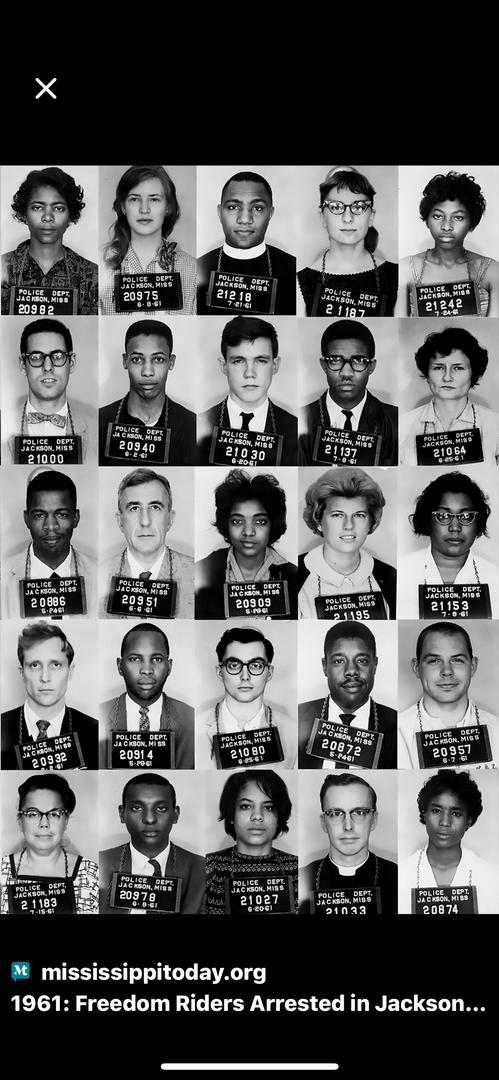
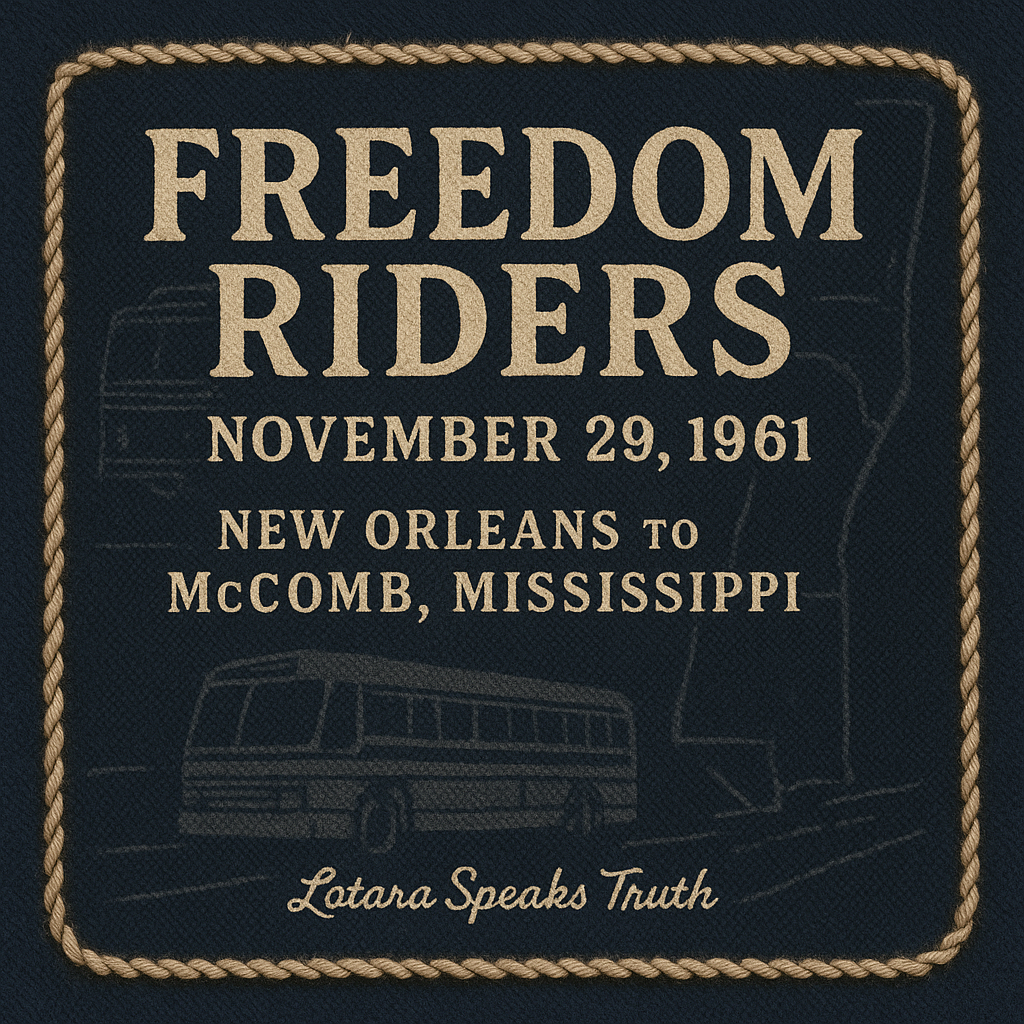
On This Day: November 29, 1961 — When the Freedom Riders Refused to Back Down

On this day in 1961, Freedom Riders were still rolling through the Deep South, long after the headlines tried to pretend the movement had “settled down.” The cameras had moved on. The danger hadn’t. Another group left New Orleans and headed straight into Mississippi, a place already infamous for jailing, beating, and shadowing anyone who dared to challenge segregation. They knew exactly what kind of storm they were walking into. And still, they stepped onto that bus. McComb wasn’t some sleepy pin on a map. It was one of the most hostile towns in the state… a place where activists were stalked, threatened, arrested, and sometimes worse, all for sitting in the wrong waiting room. That didn’t stop them. Their goal was simple: force the South to follow the law that already existed. The Supreme Court had ruled. The ICC had ordered desegregation of interstate travel. Mississippi just shrugged and said, “Not here.” These late-1961 rides didn’t come with a media circus or crowds chanting in the streets. What they did come with was quiet, stubborn courage, the kind that doesn’t need applause to stand firm. The riders were confronted, arrested, and pushed back at every turn, but they kept moving anyway. And that persistence mattered. Every arrest, every challenge, every mile traveled added pressure that eventually left the federal government out of excuses. The law was on the books. These riders made sure it was enforced. It’s a reminder that history isn’t built only from the bold moments everyone remembers. Sometimes it’s shaped by the steady footsteps of people who refuse to let injustice sit untouched. They kept riding… town by town, bus by bus… until the barriers cracked. #FreedomRiders #BlackHistory #CivilRightsMovement #OnThisDay #HistoryMatters #KnowYourHistory #LataraSpeaksTruth
On This Day: November 29, 1961 — When the Freedom Riders Refused to Back DownOn This Day: November 29, 1961 — When the Freedom Riders Refused to Back Down
LataraSpeaksTruth

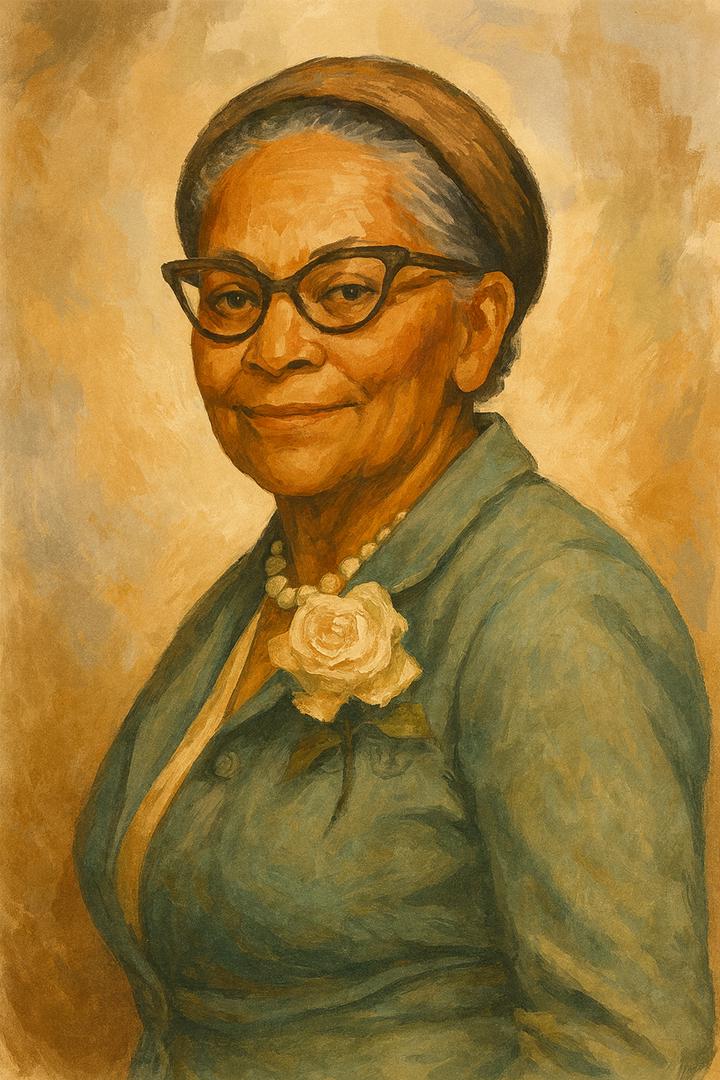
Mabel Keaton Staupers… The Nurse Who Changed Everything

Mabel Keaton Staupers spent her life fighting for doors that should’ve never been closed in the first place. Long before diversity statements and public-facing promises, she was challenging America to live up to its words. And she refused to settle. Born in Barbados and raised in Harlem, Staupers trained as a nurse at a time when Black nurses were pushed to the margins. Hospitals didn’t want them. The Army Nurse Corps didn’t want them. And the American Nurses Association wouldn’t even let them join. She looked at all of that… and started swinging. As executive secretary of the National Association of Colored Graduate Nurses, Staupers pushed the military to stop excluding Black nurses during World War II. She met with officials, wrote letters, built coalitions, and applied pressure until the excuses ran out. By 1945, the Army finally opened its doors. Thousands of Black nurses served because she refused to accept “no.” America changed because she did not back down. On November 29, 1989, Mabel Keaton Staupers passed away. But her impact didn’t. Every Black nurse walking into a hospital, a clinic, a military base, or a graduate program is standing on the foundation she built. She is one of the quiet architects of our history… and she deserves her name said out loud. #MabelKeatonStaupers #BlackHistory #NursingHistory #LataraSpeaksTruth #NewsBreakCommunity #UnsungHeroes #AmericanHistory #WomenWhoLed

Mabel Keaton Staupers… The Nurse Who Changed Everything
LataraSpeaksTruth

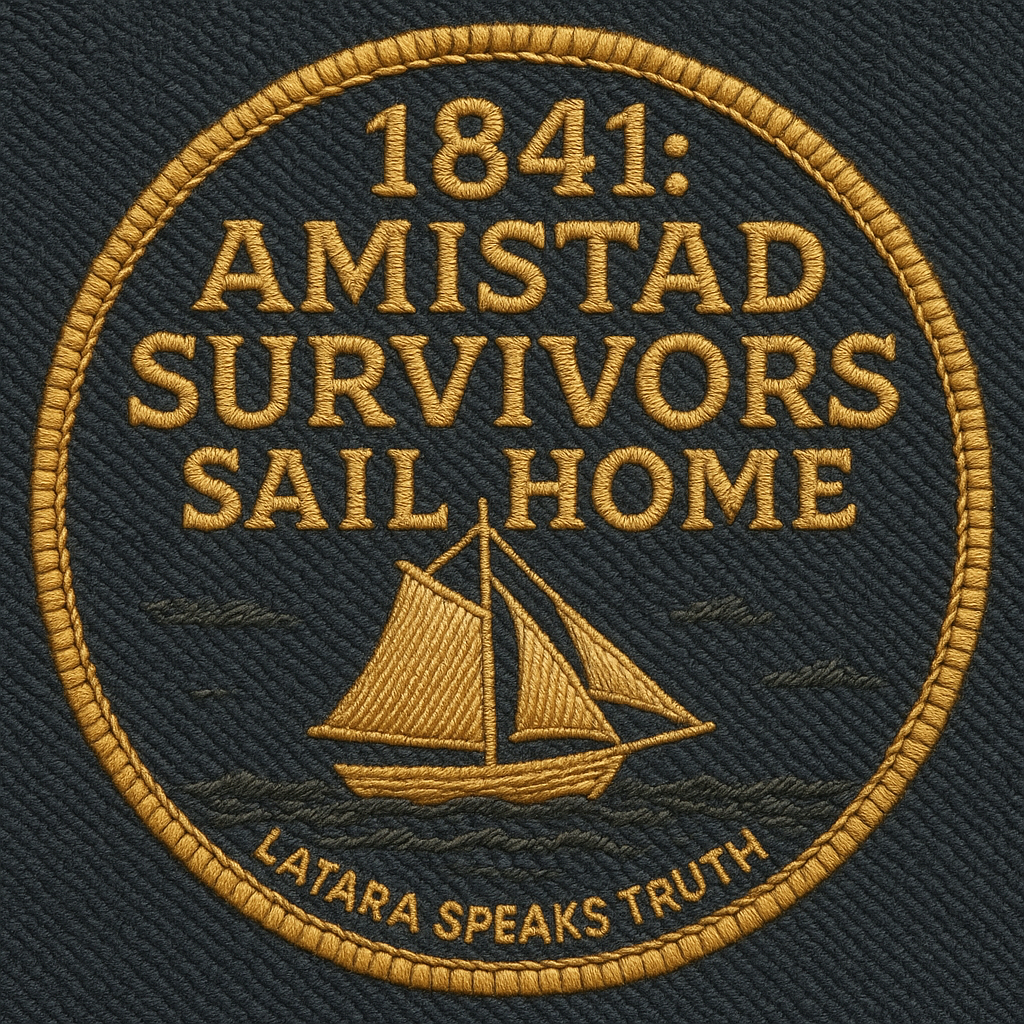
The Return of the Amistad Survivors

1841 marked a turning point that rarely gets the attention it deserves. After a long legal fight in the United States, 35 surviving Africans from the Amistad case finally prepared to leave American shores. Their story began two years earlier, when they were captured in West Africa, forced onto a Spanish ship, and pulled into the transatlantic trafficking system. But they refused to accept that fate, rising up, taking control of the vessel, and eventually ending up in the U.S., where their case climbed all the way to the Supreme Court. The Court ruled in their favor, declaring that they had been illegally taken and had the right to fight for their freedom. After months of delays and uncertainty, the survivors boarded a ship called the Gentleman in New York and set sail for West Africa. When they arrived in Sierra Leone, they stepped into a home that wasn’t the same as the one they were taken from. The people, the land, and the world around them had shifted. But returning still meant everything. It meant reclaiming their names, their futures, and a life stolen from them. It meant going home on their own terms. This moment remains one of the clearest examples of resistance meeting justice at a time when both were nearly impossible to find. #Amistad #BlackHistory #OnThisDay #LataraSpeaksTruth #LearnThePast

The Return of the Amistad Survivors
LataraSpeaksTruth

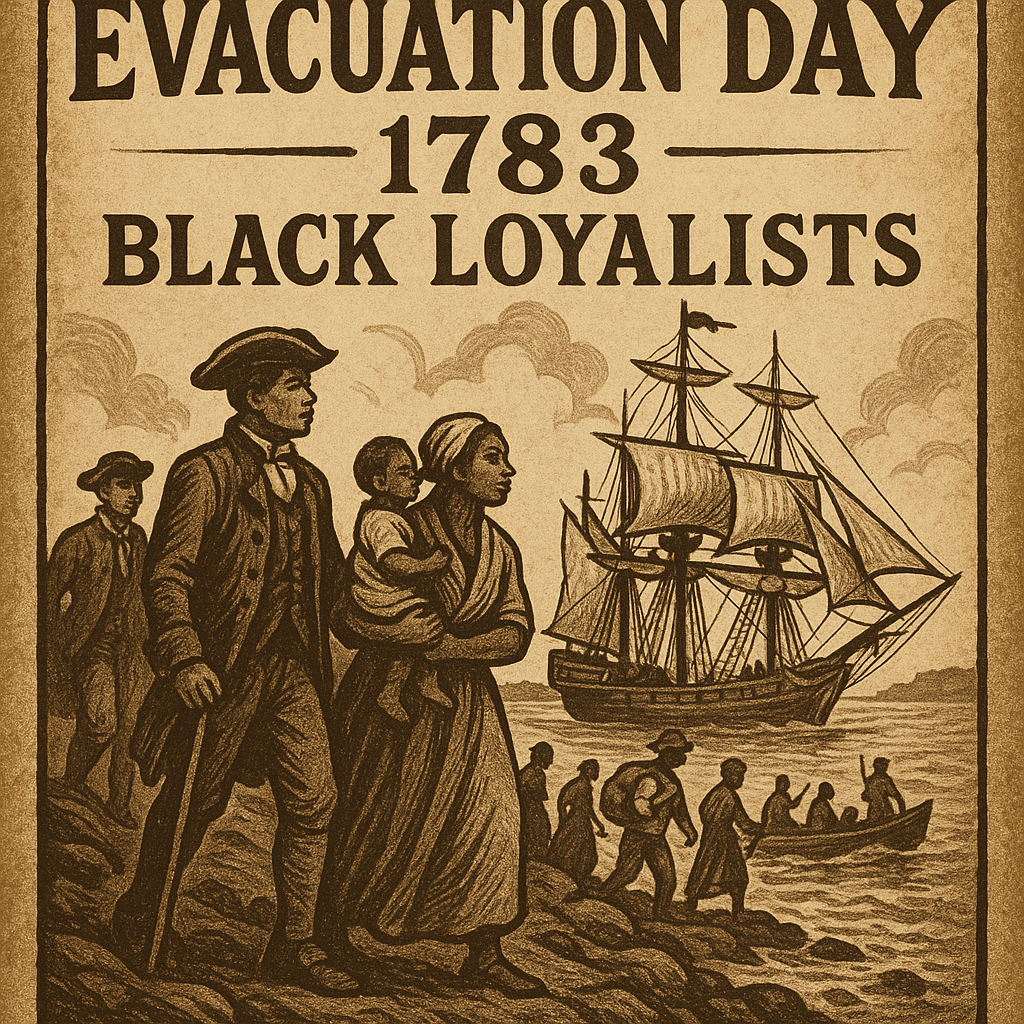
Evacuation Day 1783, Black Loyalists

On November 25, 1783, the British marched out of New York, closing the curtain on the American Revolution. For nearly three thousand Black Loyalists, this day was not an ending. It was a leap into a new beginning. They boarded ships with their names written in the Book of Negroes, often the first time they were recorded as free people. They sailed toward Nova Scotia, the Caribbean, and other British territories, carrying hope like a small flame against a cold wind. Some would later journey to Sierra Leone, still chasing the freedom they had been promised. The good was the chance to claim that freedom. The British had offered it to enslaved people who joined their forces. The bad was the fight over their status. American leaders demanded they be returned as “property.” The British refused, but the argument showed how fragile freedom could be in the new nation. The ugly arrived in Nova Scotia. The winters were brutal, the wages were low, the land grants were broken, and discrimination followed them across the sea. Many families spent years struggling for even a piece of what they had been told they would receive. Yet their departure mattered. Evacuation Day became one of the first large-scale movements of Black Americans choosing their future for themselves. Their courage was recorded. Their journey reshaped the Black diaspora. #BlackHistory #AmericanHistory #OnThisDay #LataraSpeaksTruth #CommunityFeed

Evacuation Day 1783, Black Loyalists
LataraSpeaksTruth

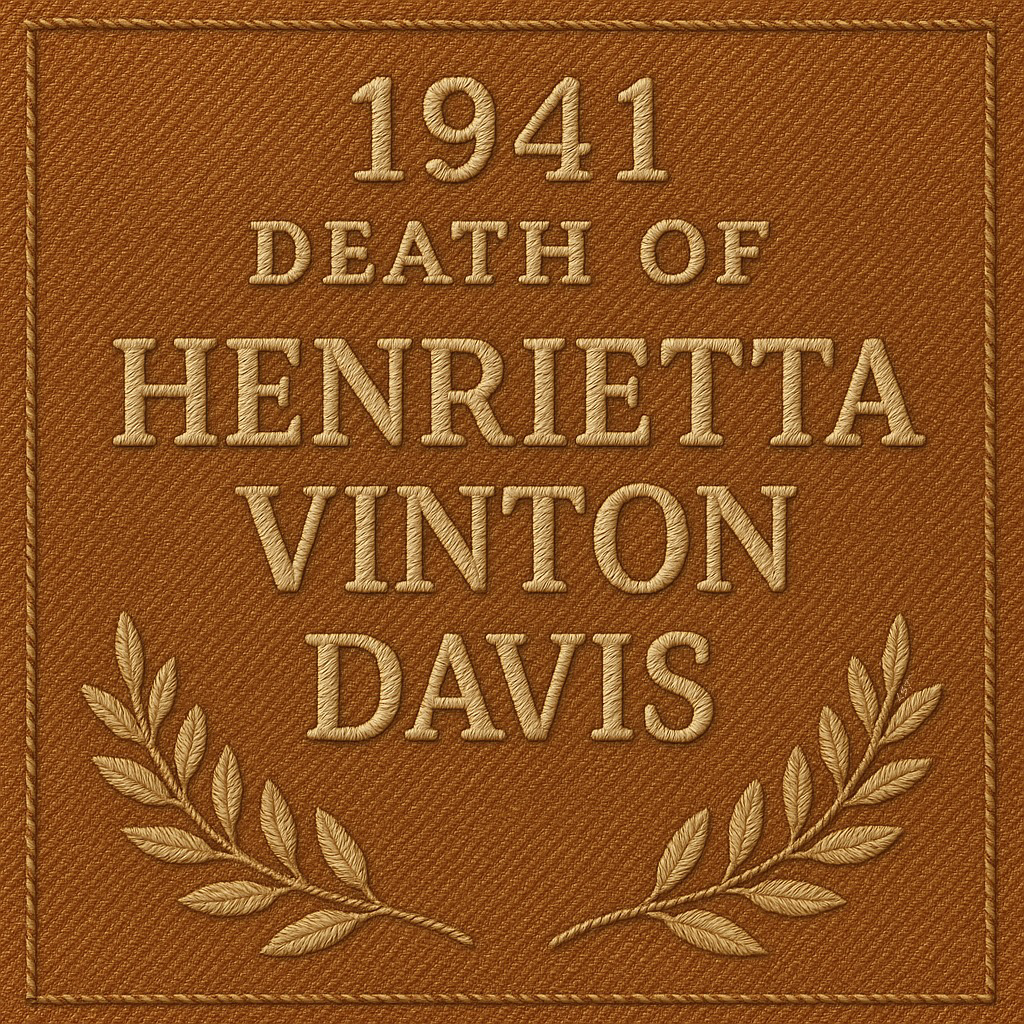
1941… Death of Henrietta Vinton Davis

Henrietta Vinton Davis, a groundbreaking actress, elocutionist, and international advocate, died on November 23, 1941 in Washington, D.C. Her career blended performance and activism during a period when opportunities for Black artists were limited. Davis became widely known through her stage work and later emerged as a prominent figure in the Universal Negro Improvement Association. She traveled, organized, and spoke publicly on issues related to unity, cultural pride, and global awareness among people of African descent. Her passing marked the end of a career that influenced both the performing arts and early twentieth century Black political life. Davis is now recognized as an important figure whose work reached across borders and generations. #BlackHistory #HenriettaVintonDavis #UNIAHistory #CulturalHistory #OnThisDay #PerformingArtsHistory #HistoricFigures #GlobalHistory #AmericanHistory #HistoryMatters

1941… Death of Henrietta Vinton Davis
LataraSpeaksTruth

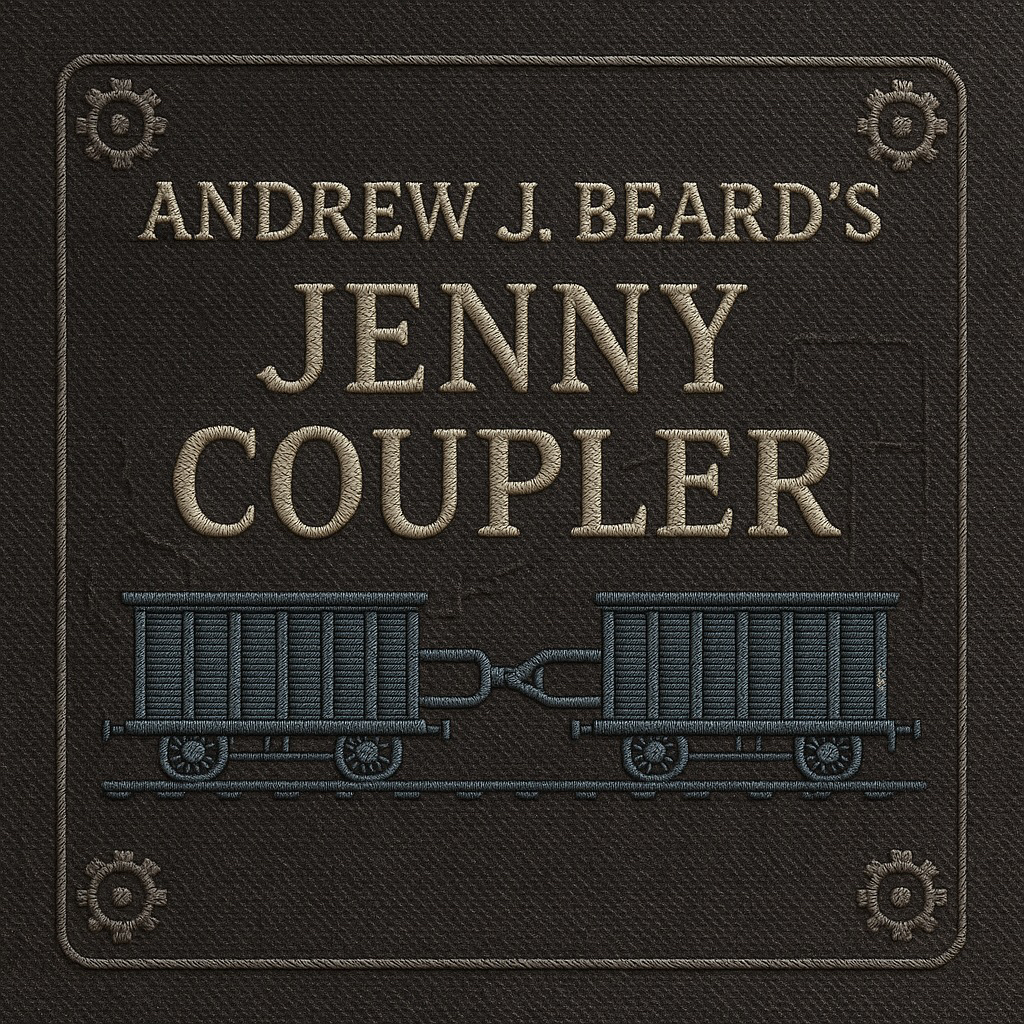
1897… Andrew J. Beard Receives a Patent for the “Jenny Coupler”

On November 23, 1897, Andrew Jackson Beard, a Black inventor from Alabama, received a U.S. patent for one of the most important railroad safety devices of the late 1800s: the automatic car coupler known as the “Jenny Coupler.” Before Beard’s invention, railroad workers had to stand between moving train cars to manually link them together. It was a dangerous job that resulted in countless crushed limbs and deaths. Beard knew those risks firsthand—he had worked around railroads and had seen the toll the old system took on brakemen. His design changed everything. The Jenny Coupler used a pair of locking jaws that snapped together automatically the moment two cars touched. It replaced a life-threatening task with a simple, safer, almost automatic motion. Beard’s patent became part of a nationwide shift toward better railroad safety. His work influenced federal requirements for automatic couplers and helped protect the workers who kept the rail industry running. Even though his name isn’t widely recognized today, Beard’s contribution had a lasting impact. His 1897 patent remains a clear example of how Black inventors helped shape American industrial technology—often without the credit they deserved. #OnThisDay #BlackHistory #AmericanHistory #Inventors #RailroadHistory #SafetyInnovation #UnsungHeroes #CommunityFeed

1897… Andrew J. Beard Receives a Patent for the “Jenny Coupler”
LataraSpeaksTruth

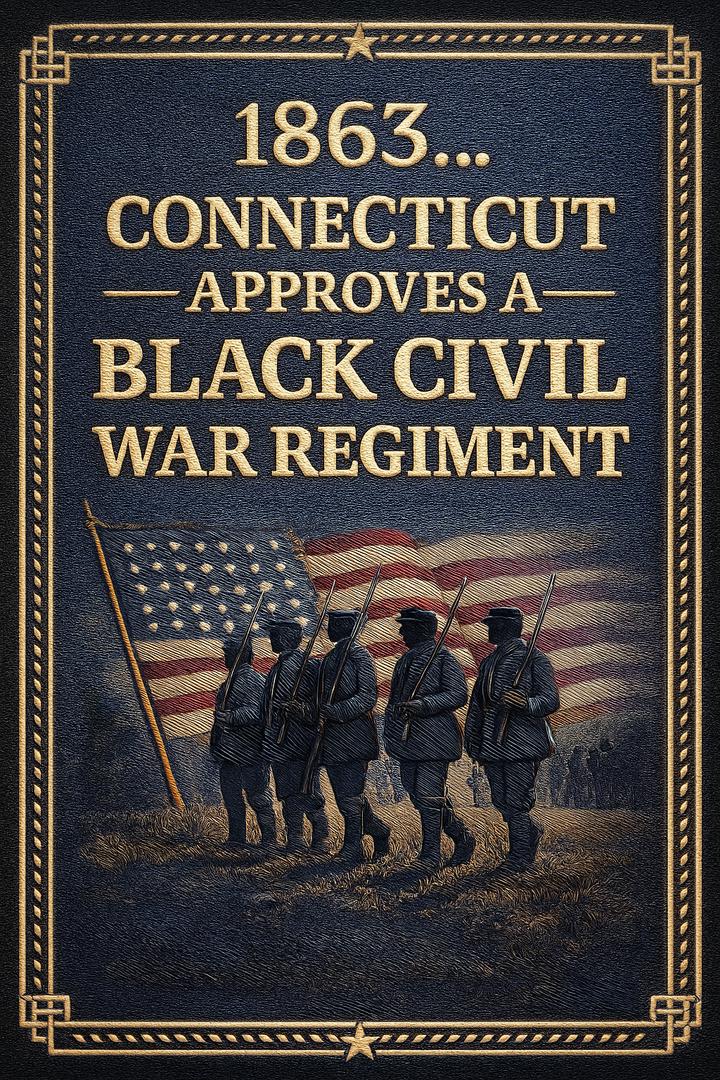
1863… Connecticut Approves a Black Civil War Regiment

On this day in 1863, the Connecticut General Assembly met in a special session to decide whether Black men could serve as front line soldiers in the Union Army. After a day of debate, lawmakers approved the measure, and Governor William Buckingham signed it into law on November 23. This decision opened the door for Black residents in Connecticut to enlist in a state infantry regiment for the first time. Recruiters began organizing almost immediately, and more than one thousand Black volunteers stepped forward in the following months. Their participation formed the 29th Connecticut Colored Infantry Regiment and helped begin a second unit, the 30th Connecticut. The 29th Connecticut mustered into service in early 1864 and later fought in major campaigns near Petersburg and Richmond. They were also among the first Union troops to enter Richmond when the city fell in April 1865. The decision made on November 23, 1863 marked a turning point in Connecticut’s military history and highlighted the essential role Black soldiers played in the Union’s efforts during the Civil War. #BlackHistory #TodayInHistory #CivilWarHistory #ConnecticutHistory #UnionArmy #29thConnecticut #HistoricalFacts #AmericanHistory #OnThisDay #HistoryMatters

1863… Connecticut Approves a Black Civil War Regiment
LataraSpeaksTruth

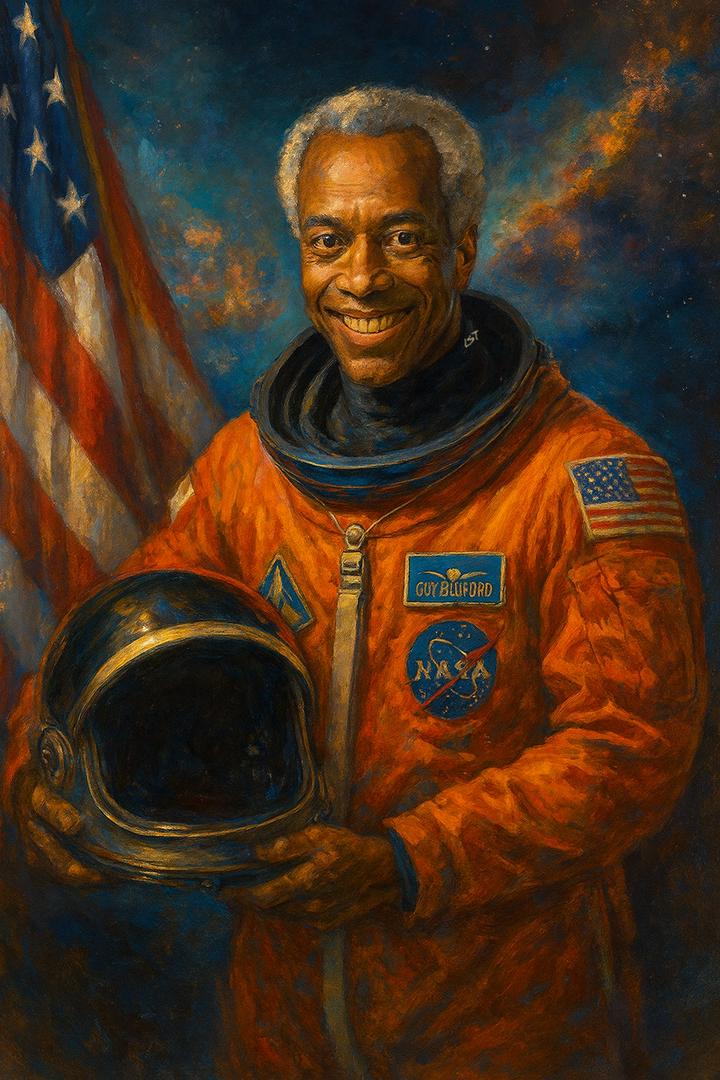
Guion S. Bluford Jr. The First African American To Reach Space

Guion Stewart Bluford Jr. was born on November 22, 1942, in Philadelphia. His birthday sits inside a chapter of history that America rarely slows down long enough to honor. He grew up in a home that valued discipline, education, and excellence. That foundation shaped everything that came next. He served as an officer in the United States Air Force and became a skilled fighter pilot with more than one hundred forty missions during the Vietnam War. He later earned multiple advanced degrees in aerospace engineering and moved through a field where many rooms did not expect to see him. He stayed anyway. He studied harder. He pushed forward. On August 30, 1983, the Space Shuttle Challenger lifted off from Cape Canaveral. Bluford stepped into a role that had never been open to anyone before him. Millions watched a Black man take a seat that represented possibility for families who had been told to keep their dreams “realistic.” His presence in that shuttle changed the imagination of a generation. Bluford continued flying missions for NASA and contributed to research on fluid dynamics, microgravity, and space systems. His work helped expand what we understand about living and operating beyond Earth. His career became a long record of discipline, focus, and quiet excellence. Today his legacy shows up in STEM programs, scholarships, and young students who see him as proof that their gifts belong in every room. His birthday is a reminder that representation in science is not symbolic. It is real. It is necessary. And it still matters. #GuionBluford #BlackHistory #AmericanHistory #STEMHistory #SpaceAchievement #Trailblazer #NewsBreakHistory

Guion S. Bluford Jr.
The First African American To Reach Space
LataraSpeaksTruth

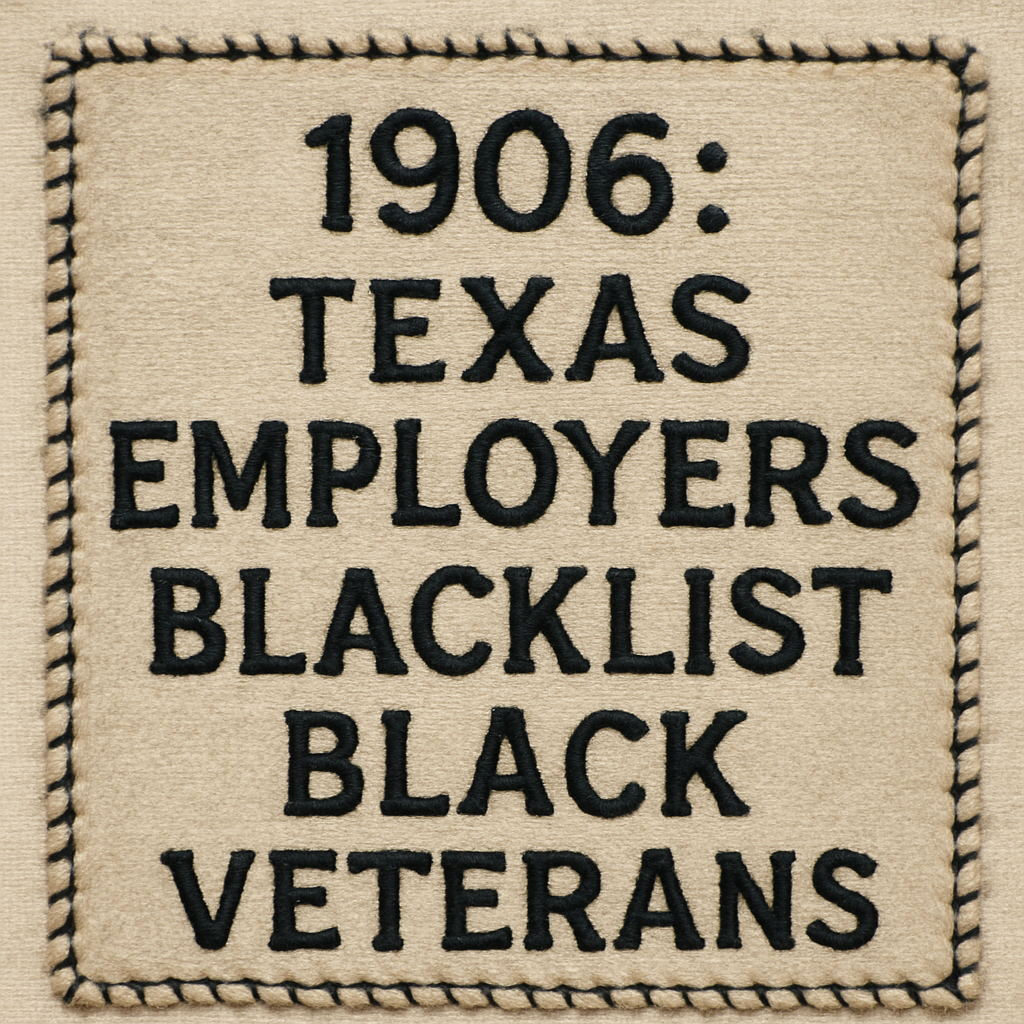
Texas Employers Blacklist Black Veterans (1906)

Some stories in American history were never given the full attention they deserved, and the Brownsville Affair is one of them. In 1906, more than 160 Black soldiers from the 25th Infantry were blamed for a shooting they had nothing to do with. Local officials rushed to judgment with no proof, and the nation went along with the accusation. President Theodore Roosevelt discharged the entire group in one order, stripping their service, their honor, and their futures. What many people never hear about is what happened long after the headlines died down. The government eventually admitted the soldiers had been telling the truth from day one. The bullets didn’t match their rifles. The timelines didn’t fit. Witness claims fell apart. But by the time the record was corrected, decades had passed, and many of the men were already gone. Their families lived with the weight of an accusation built on bias, not evidence. Military benefits were never restored in time to help them. Careers were lost. Entire generations grew up under a shadow they did not deserve. The correction came too late to give the soldiers the justice they needed while they were still here. Instead, their names were quietly cleared long after the damage had been done. It’s a reminder that institutions can make decisions in minutes that take lifetimes to repair. These men deserve to be remembered with truth, dignity, and the honor they earned through service. #BrownsvilleAffair #BlackHistory #MilitaryHistory #HistoryUncovered #AmericanHistory #TruthMatters

Texas Employers Blacklist Black Veterans (1906)
LataraSpeaksTruth

The Eve Gene… Facts They Can’t Argue With

Some comments don’t even be aimed at me, but they hit that nerve anyway. Especially the tired ones about what Black women “can” or “can’t” look like. It’s wild, because science been confirmed what some folks still refuse to accept… Black women are the blueprint. Every human alive today shares mitochondrial DNA that traces back to an African woman who lived over 150,000 years ago. That’s the Eve Gene. That’s not a theory. That’s documented genetics. Mitochondrial DNA comes only from mothers, so the unbroken line that connects the entire human family runs straight through a Black woman’s lineage. Black populations also hold the highest genetic diversity on Earth… which is exactly why natural blonde hair, red hair, blue or green eyes, freckles, every texture, every shade, all exist in African DNA without needing outside mixing. Melanesians alone prove this with their natural blonde hair caused by a TYRP1 gene variant that developed in their community, not Europe. High diversity means oldest population. Lower diversity means newer offshoots. Which means every branch of humanity is a remix of the original. So when people try to drag a Black woman for wearing blonde hair, they’re ignoring the simple truth… our DNA created the possibility in the first place. #EveGene #BlackHistory #Genetics101 #LataraSpeaksTruth

The Eve Gene… Facts They Can’t Argue With