Tag Page CulturalHistory

#CulturalHistory
LataraSpeaksTruth

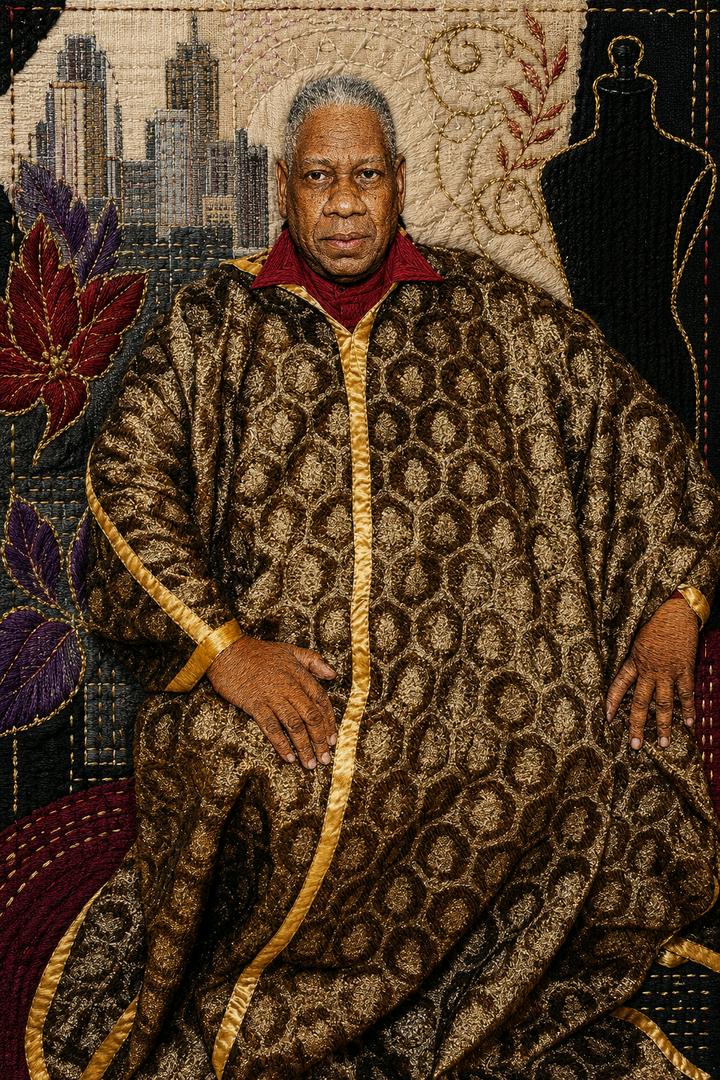
André Leon Talley was not born into fashion’s front row. He was born in Washington, D.C., in 1948 and raised in Durham, North Carolina, by his grandmother, Bennie Frances Davis. That detail matters. Before he became one of the most recognizable voices connected to Vogue, he was a young Black boy in the segregated South, finding beauty in a world that did not always make room for him. Talley studied French literature at North Carolina Central University and later earned a master’s degree from Brown University. His path into fashion was not casual. It was built on intellect, discipline, taste, and a deep understanding of history and culture. He worked with Diana Vreeland, Interview magazine, Women’s Wear Daily, W, and eventually Vogue, where he became fashion news director, creative director, and editor-at-large. In an industry long dominated by white gatekeepers, André Leon Talley stood tall, literally and historically. His capes, robes, and grand entrances became iconic, but the real statement was his mind. Talley understood fashion as more than clothes. He saw it as history, power, identity, class, beauty, and survival. He also used his influence to advocate for more visibility for Black models and Black creativity in spaces that often borrowed from Black culture while shutting Black people out. His legacy is not just that he made it into Vogue. It is that he walked into those rooms as himself. Grand. Brilliant. Southern. Black. Unforgettable. #AndreLeonTalley #BlackHistory #FashionHistory #Vogue #BlackExcellence #CulturalHistory #StyleIcon #LataraSpeaksTruth

Shawn Winchester

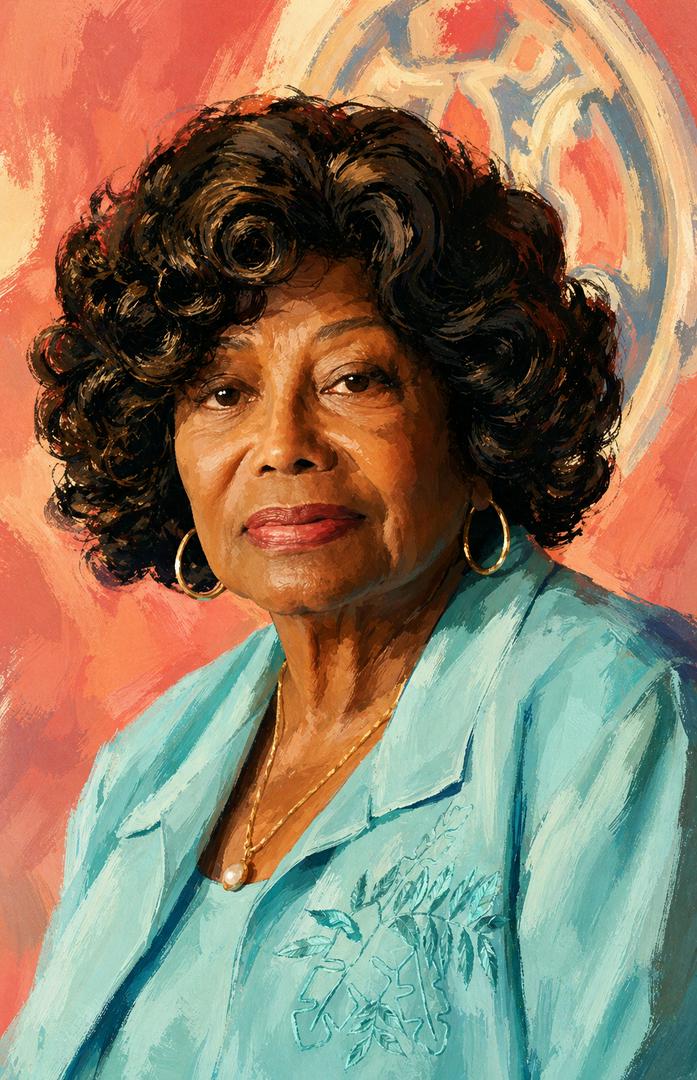
On May 4, 1930, Katherine Jackson was born in Clayton, Alabama. She would later become known as the matriarch of the Jackson family, one of the most recognizec music families in American history Her name is often mentioned beside egends, but Katherine Jackson's storv is not only about fame. It is also about motherhood, faith, endurance, and the quiet influence behind a familv whose music reached the world Katherine and Joe Jackson raised their children in Gary, Indiana, where the early foundation of the Jackson family's musica egacy began. Together, they had ten children, including Rebbie, Jackie, Tito, Jermaine, La Toya, Marlon, Brandon Michael, Randy, and Janet. Brandon Marlon's twin brother, died shortly after birth.Several of Katherine's children went on to become maior entertainers. The Jackson 5 made up of Jackie, Tito, Jermaine, Marlon, and Michael, became one of the most successful family groups in popular music. Michael Jackson became one of the most nfluential entertainers in modern music history, while Janet Jackson built her own powerful career as a singer, dancer, actress and cultural force But behind the public success was a mother whose presence remained central to the family story Katherine Jackson has often been remembered as a stabilizing fiqure in a family shaped by extraordinary talent pressure, fame, conflict, and loss. Her egacy is not measured only by awards, records. or headlines. It is also seen in the generations connected to her name and the cultural footprint her family left behindNot every influential figure stands on the stage. Some help shape the people who do atherine Jackson's life reminds us that egacy can begin inside a home long before the world ever knows a family's name. #KatherineJackson #JacksonFamily #MusicHistory #CulturalHistory #OnThisDay

LataraSpeaksTruth

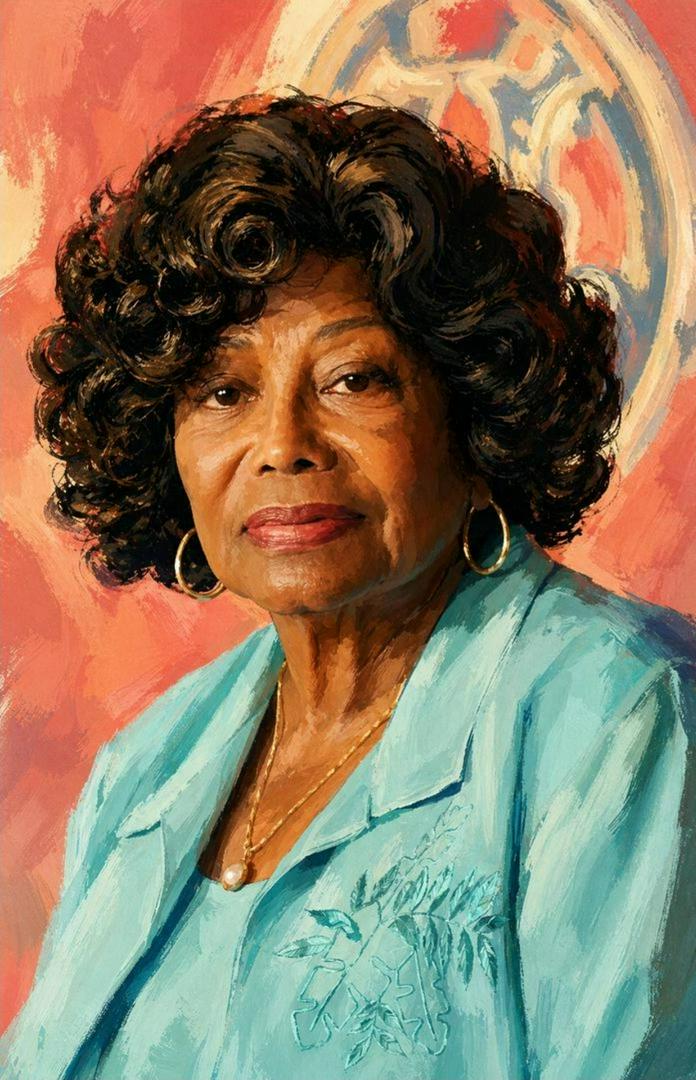
On May 4, 1930, Katherine Jackson was born in Clayton, Alabama. She would later become known as the matriarch of the Jackson family, one of the most recognized music families in American history. Her name is often mentioned beside legends, but Katherine Jackson’s story is not only about fame. It is also about motherhood, faith, endurance, and the quiet influence behind a family whose music reached the world. Katherine and Joe Jackson raised their children in Gary, Indiana, where the early foundation of the Jackson family’s musical legacy began. Together, they had ten children, including Rebbie, Jackie, Tito, Jermaine, La Toya, Marlon, Brandon, Michael, Randy, and Janet. Brandon, Marlon’s twin brother, died shortly after birth. Several of Katherine’s children went on to become major entertainers. The Jackson 5, made up of Jackie, Tito, Jermaine, Marlon, and Michael, became one of the most successful family groups in popular music. Michael Jackson became one of the most influential entertainers in modern music history, while Janet Jackson built her own powerful career as a singer, dancer, actress, and cultural force. But behind the public success was a mother whose presence remained central to the family story. Katherine Jackson has often been remembered as a stabilizing figure in a family shaped by extraordinary talent, pressure, fame, conflict, and loss. Her legacy is not measured only by awards, records, or headlines. It is also seen in the generations connected to her name and the cultural footprint her family left behind. Not every influential figure stands on the stage. Some help shape the people who do. Katherine Jackson’s life reminds us that legacy can begin inside a home long before the world ever knows a family’s name. #KatherineJackson #JacksonFamily #MusicHistory #CulturalHistory #OnThisDay
LataraSpeaksTruth

Romare Bearden was one of the most influential American artists of the twentieth century, known for turning everyday Black life into unforgettable visual stories. Born on September 2, 1911 in Charlotte, North Carolina, he moved to New York City as a child during the Great Migration. Harlem became his creative home, a place filled with music, literature, and bold ideas that shaped how he saw the world. Bearden studied at New York University and explored different paths early on, but art kept calling him back. He began as a cartoonist and painter, then found the style that made him famous: collage. He combined photographs, painted paper, magazine clippings, and textured materials to build layered scenes that felt like memory brought to life. His work captured church gatherings, family moments, Southern roots, Harlem streets, and the rhythm of jazz. Instead of spotlighting a single person, he often showed the shared experience of a community. His images feel musical, like stories told in chords and fragments, then stitched into something whole. Bearden’s work has been shown in major museums, and in 1987 he received the National Medal of Arts. He passed away in 1988, but his influence is still everywhere, in exhibitions, classrooms, and in the artists who keep learning from his vision. #RomareBearden #BlackHistory #BlackArtists #ArtHistory #AmericanArt #Harlem #GreatMigration #CollageArt #CulturalHistory #HistoryMatters #HiddenHistory

LataraSpeaksTruth

January 28, 1901 marks the birth of Richmond Barthé, one of the most influential sculptors of the Harlem Renaissance and a quiet giant in American art history. Born James Richmond Barthé in Bay St. Louis, Mississippi, he came of age during a period when Black artists were rarely allowed space to explore complexity, beauty, or interior life. Barthé did not ask permission. He carved it. Best known for his figurative sculptures, Barthé focused on movement, emotion, and dignity. His subjects were often Black men and women captured not as symbols, but as human beings. Thoughtful. Vulnerable. Strong. Alive. At a time when mainstream art reduced Black bodies to stereotypes, Barthé insisted on nuance and grace. His work gained national attention during the Harlem Renaissance, and his reputation extended far beyond it. Barthé created portraits of major cultural figures including Alain Locke, Duke Ellington, and Rose McClendon. His sculptures were collected by major institutions and private patrons, even as he continued to navigate racial barriers and personal isolation. Barthé also lived openly as a gay man during a time when that visibility carried real risk. Rather than dilute his identity or his vision, he allowed both to exist in the work. That honesty gave his art its emotional depth and lasting power. Richmond Barthé died in 1989, but his legacy endures in bronze and stone. His sculptures remind us that history is not only written in speeches and laws, but in hands that shape truth into form. On this day, we remember an artist who refused to flatten humanity, and whose work still asks us to look closer. #RichmondBarthe #HarlemRenaissance #ArtHistory #January28 #BlackArtists #AmericanSculpture #CulturalHistory #ArtLegacy #OnThisDay

LataraSpeaksTruth

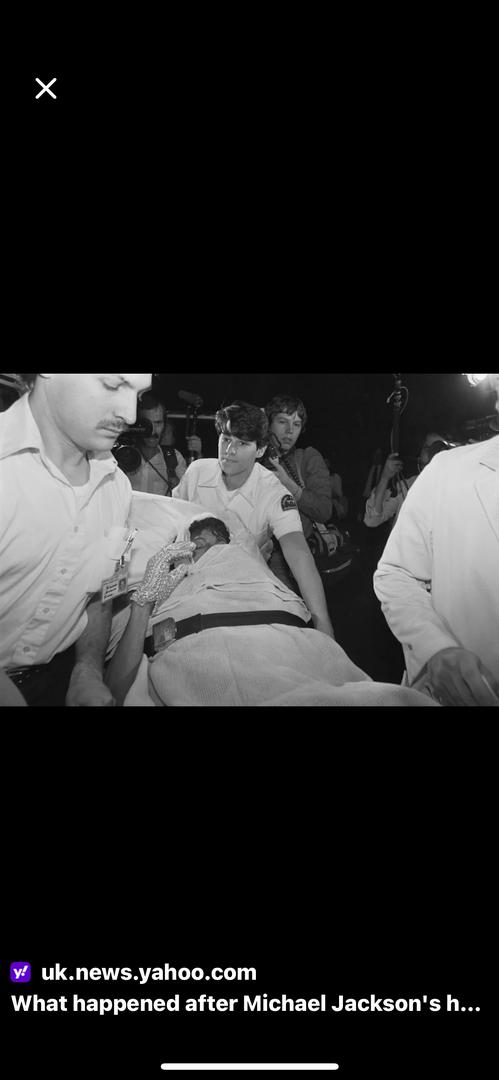
January 27, 1984 is one of those dates that doesn’t get enough weight, but it should. On this day, Michael Jackson was seriously injured while filming a commercial that was meant to celebrate his superstardom, not endanger his life. During a Pepsi commercial shoot, pyrotechnics misfired and ignited his hair, setting his scalp on fire in front of a live audience and crew. What should have been a routine take turned into a medical emergency in seconds. Michael suffered second and third degree burns to his scalp and was rushed to the hospital. The physical injuries were severe, but the aftermath mattered just as much. This incident marked a turning point in his health, introducing chronic pain and medical treatments that would follow him for the rest of his life. It’s often discussed in passing, but rarely examined for what it truly was…a traumatic event that happened at the height of his pressure, fame, and isolation. At the time, Michael was not just an artist. He was the face of global pop culture, carrying expectations that never paused, even after he was burned. The show went on publicly, but privately, this incident cracked something open. Pain management, stress, and relentless scrutiny became part of the story from that point forward. January 27 isn’t about spectacle. It’s about remembering that even icons bleed, burn, and suffer consequences long after the cameras stop rolling. This wasn’t a footnote. It was a moment that altered the trajectory of a life the world felt entitled to consume without limits. History isn’t just what we celebrate…it’s also what we overlook. #OnThisDay #January27 #MichaelJackson #MusicHistory #PopCultureHistory #EntertainmentHistory #UntoldMoments #BehindTheScenes #CulturalHistory #HistoryMatters

LataraSpeaksTruth

January 25, 1980 marks the launch of Black Entertainment Television, better known as BET. What began as a small cable experiment would grow into one of the most influential media platforms in American cultural history. BET was founded by Robert L. Johnson at a time when cable television was expanding, yet representation was scarce and often filtered through networks that were not built with Black audiences in mind. The channel initially aired just a few hours of programming per day, relying heavily on music videos, reruns, and public affairs content. It was modest by design, but intentional in purpose. The significance of BET’s launch was not about scale. It was about access. For the first time, a cable network centered Black voices, Black music, Black interviews, and Black stories as its core audience rather than an afterthought. It created a national platform for artists, journalists, comedians, and public figures who otherwise struggled for consistent visibility on mainstream television. Over time, BET evolved into a cultural gatekeeper. Shows like Video Soul, BET News, Rap City, and later award programs became reference points for generations. The network documented shifting musical eras, political conversations, fashion trends, and social debates as they unfolded in real time. BET did not just reflect culture…it archived it. While the network has faced criticism and controversy across different eras, its existence changed the media landscape permanently. BET proved that Black-centered programming was not niche, not temporary, and not optional. It was viable, influential, and deserving of space. January 25, 1980 stands as more than a launch date. It marks a moment when representation moved from limited windows to a dedicated channel, setting a precedent that reshaped cable television and cultural storytelling for decades to come. #OnThisDay #January25 #BET #MediaHistory #TelevisionHistory #CulturalHistory #BlackMedia #EntertainmentHistory #AmericanHistory

LataraSpeaksTruth

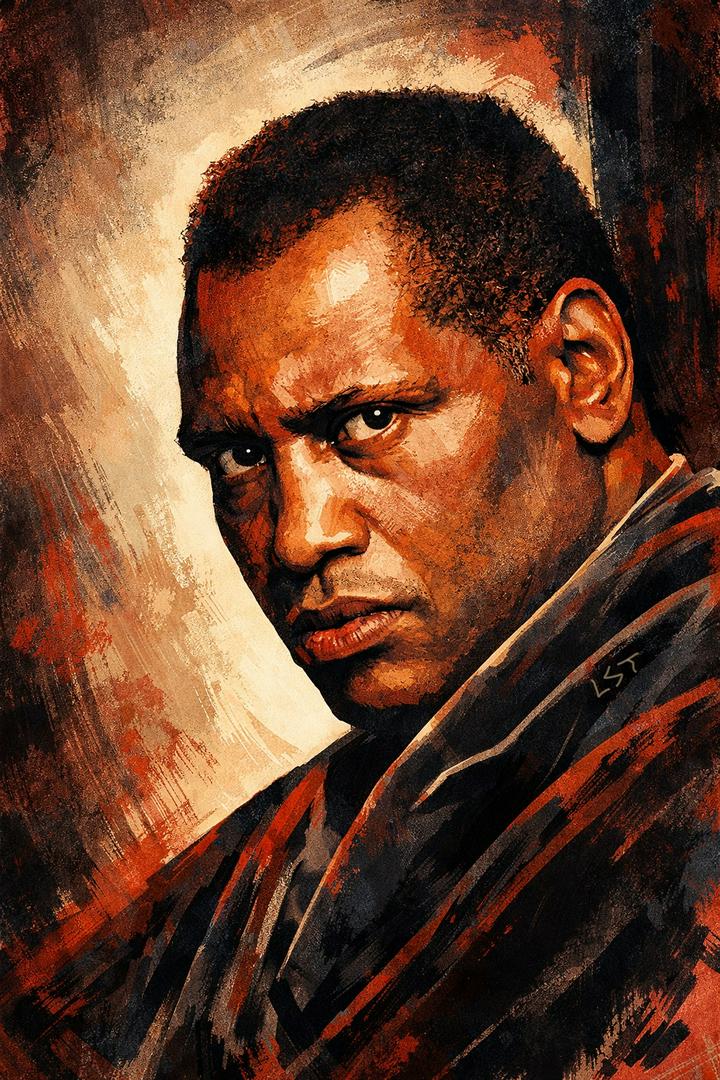
Paul Robeson was a reminder of what happens when extraordinary talent refuses to stay obedient. Robeson was never just one thing. He graduated from Rutgers University as valedictorian and became an All American athlete at a time when excellence from Black Americans was tolerated only when it stayed quiet and contained. He later emerged as a world renowned singer whose powerful bass voice filled concert halls across Europe, where audiences recognized his brilliance even as the United States struggled to acknowledge it. He was also a celebrated actor who expanded what presence, authority, and dignity could look like on stage and screen. That level of achievement could have secured comfort, wealth, and a carefully protected legacy. Many would have taken that deal. Robeson did not. He chose truth over approval. He spoke openly about racial violence in the United States and connected it to colonial oppression abroad. He challenged fascism overseas while calling out hypocrisy at home. He rejected the idea that freedom could exist if it was selectively applied. To Robeson, democracy without equality was performance, not principle. That honesty carried consequences. The U.S. government revoked his passport. Concert venues closed their doors. Media outlets erased his name. His work was sidelined, his reputation deliberately distorted, and his voice muted, not because he lacked talent, but because his influence made power uncomfortable. Robeson understood something that still unsettles people today. Culture is political whether it admits it or not. Art without conscience is decoration. Dignity does not require permission. His life forced America to confront its contradictions. He paid a heavy price for refusing to bend, but history has a long memory. Voices rooted in truth do not disappear. They endure. They return. They echo. #PaulRobeson #BlackHistory #HiddenHistory #AmericanHistory #TruthTellers #CulturalHistory #Legacy #HistoryMatters #VoicesThatEcho

LataraSpeaksTruth

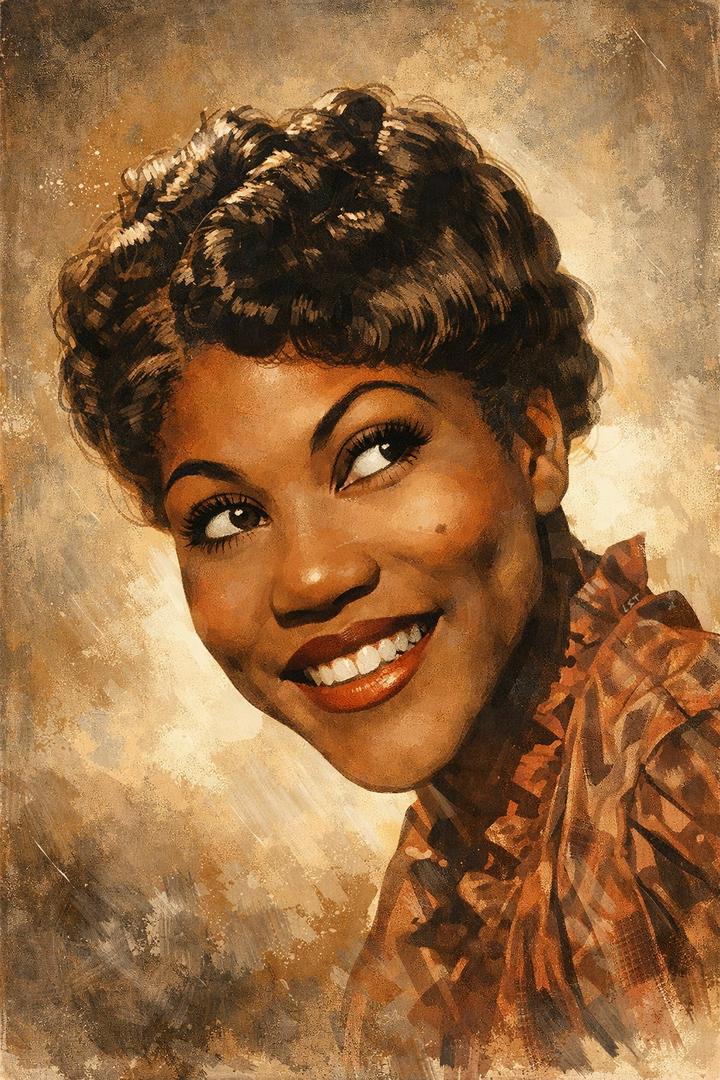
Sister Rosetta Tharpe was never meant to fit neatly into a box, and history still hasn’t figured out what to do with her. She stood at the crossroads of sacred and electric, church pews and nightclub stages, scripture and distortion. Long before rock and roll had a name, she was already bending it into shape with a guitar strapped across her chest and absolute conviction in her voice. Born on December 25, 1915, Sister Rosetta Tharpe entered the world on a day heavy with symbolism, but she didn’t grow into something quiet or ceremonial. She grew loud. She grew bold. She took gospel music, plugged it into an amplifier, and let it shake rooms that weren’t built for that kind of sound or freedom. Her guitar style was aggressive, joyful, and unapologetic. The DNA of rock and roll runs straight through her hands, even if the genre tried to deny it for decades. What made her dangerous, in the best way, was that she didn’t ask permission. She performed gospel in secular spaces and used electric techniques inside sacred songs. That made people uncomfortable. Good. Progress usually does. While later artists were credited as pioneers, she was already living the sound…touring relentlessly, commanding mixed audiences, and crossing boundaries in an era that actively resisted it. Sister Rosetta Tharpe wasn’t chasing legacy. She was chasing truth, sound, and spirit at the same time. The fact that her birthday falls on December 25 feels less like coincidence and more like a quiet reminder that history often hides its revolutionaries in plain sight…then acts surprised when the echoes never stop. #SisterRosettaTharpe #MusicHistory #RockAndRollRoots #GospelMusic #December25 #HiddenHistory #AmericanMusic #WomenInMusic #SoundAndSpirit #CulturalHistory

LataraSpeaksTruth

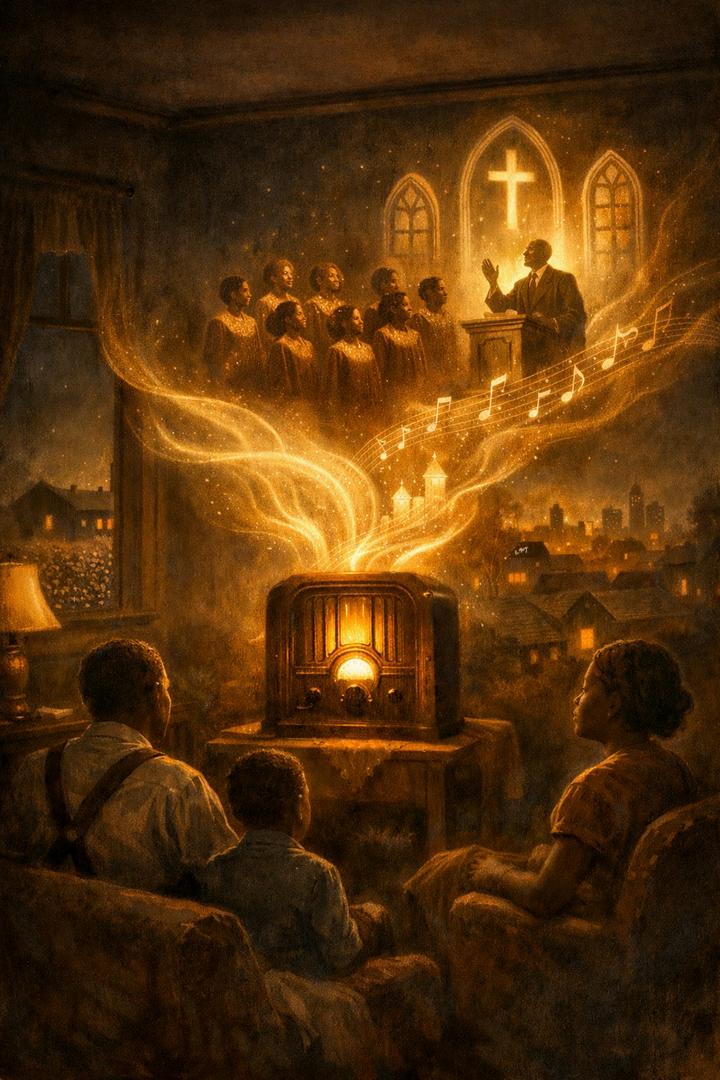
December 25 in the 1930s and 1940s quietly became one of the most important days for Black radio. While churches, concert halls, and public venues remained restricted or segregated, Christmas Day radio broadcasts allowed Black gospel music to move freely across the country. On this day, spirituals, choirs, sermons, and holiday messages reached households far beyond local communities, turning the airwaves into a sanctuary when physical space was denied. Radio mattered because it crossed boundaries people could not. Families who might never step inside a Black church still heard the music. Listeners encountered voices shaped by faith, survival, and tradition without seeing faces first. Gospel did not arrive as protest, but its presence challenged exclusion simply by existing in national soundspace. Christmas amplified that reach, giving Black spiritual expression a moment of visibility during a holiday associated with reflection and hope. These broadcasts also helped standardize and spread gospel as a national musical form. Regional styles traveled coast to coast, influencing future performers, choirs, and composers. What began as sacred music rooted in specific communities expanded through radio into a shared cultural language. Christmas programming made room for that expansion when few other platforms would. By the 1940s, Black gospel on Christmas radio was more than seasonal programming. It was infrastructure. It preserved tradition, strengthened cultural memory, and reminded listeners that faith, like sound, could not be segregated forever. December 25 became proof that even when doors were closed, voices still traveled. #BlackHistory #GospelMusic #RadioHistory #ChristmasDay #CulturalHistory #AmericanMusic #FaithAndCulture #HiddenHistory #BlackExcellence #MediaHistory

Tag: CulturalHistory | LocalAll