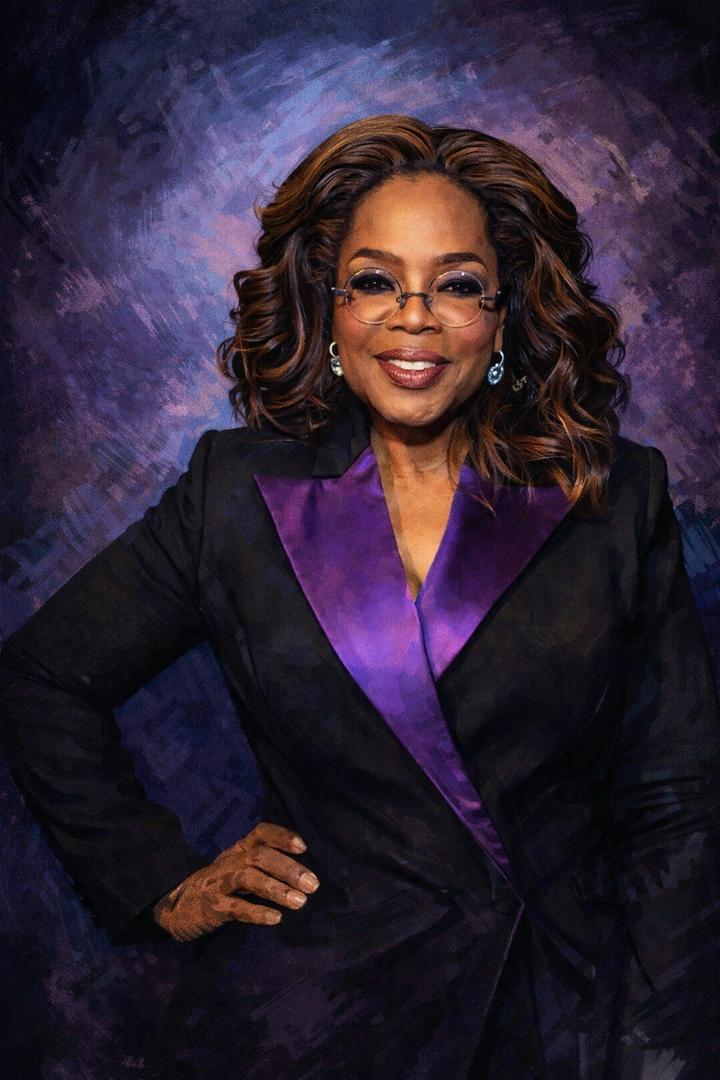
January 29, 1954 marks the birth of Oprah Winfrey in Kosciusko, Mississippi. Born into poverty in the segregated South, her early life was shaped by instability, trauma, and limited opportunity. Those circumstances are well documented and central to understanding her trajectory, though they do not fully explain it.
As a teenager, Winfrey moved to Nashville, where access to structure, discipline, and education altered the course of her life. She demonstrated an early aptitude for communication and entered radio and television while studying communications at Tennessee State University. Her rise was not accidental. It was the result of preparation, timing, and institutional access that allowed her talent to be recognized and rewarded.
Her career breakthrough came in Chicago with a struggling morning talk show that was later rebranded as The Oprah Winfrey Show. Over a 25 season run, the program reshaped daytime television by centering emotional storytelling and personal disclosure. This approach expanded the genre and audience reach, while also helping normalize the public consumption of private trauma as entertainment.
Beyond television, Winfrey built a media empire that included film production, publishing, philanthropy, and network ownership. She became the first Black woman billionaire, a milestone often framed as cultural progress, even as her later career positioned her firmly within elite economic and social circles.
Her influence remains significant and contested. Oprah amplified reading culture, self help discourse, and conversations around healing, while also platforming figures and ideas that later faced criticism for misinformation and harm. Her legacy reflects both cultural impact and contradiction, empowerment alongside unchecked influence.
Born on this day in 1954, Oprah Winfrey’s story functions less as inspiration and more as a case study in media power, access, and the consequences of sustained cultural authority.
#January29 #OprahWinfrey #Media