Tag Page DiasporaHistory

#DiasporaHistory
LataraSpeaksTruth

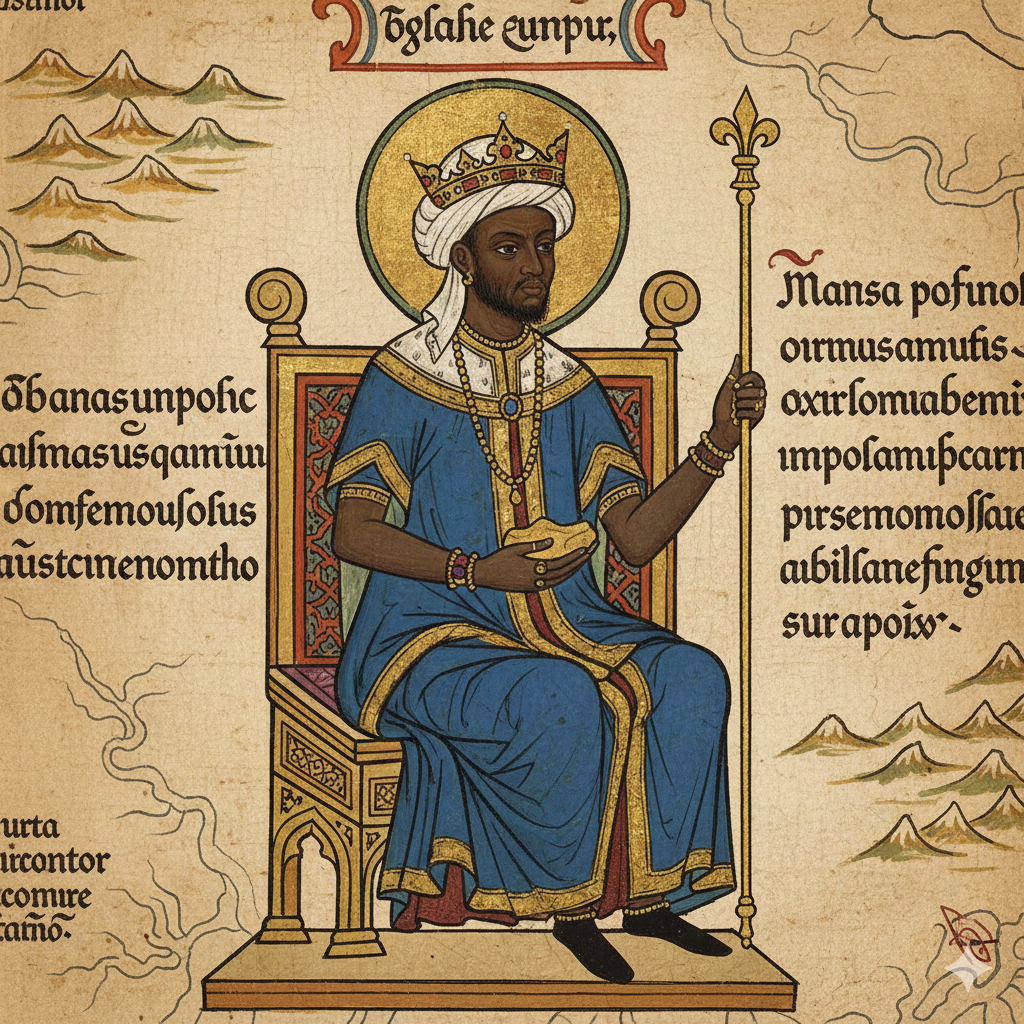
Mansa Musa (Musa I) ruled the Mali Empire in the early 1300s, often dated around 1312 to 1337. Mali was not a loose collection of villages. It was a major West African empire with organized government and real economic power on key trans-Saharan trade routes. By controlling and taxing high-value trade, especially gold and salt, Mali funded stability, influence, and expansion. The wider world took notice during Musa’s pilgrimage to Mecca in 1324. Chroniclers described a huge caravan and lavish spending in Cairo. Many summaries report that the gold he distributed and spent pushed down gold’s value in Egypt, with effects remembered for years. Even if every detail is not perfectly measurable, the point is clear. He had enough wealth and visibility to cause an economic ripple just by moving through. But Musa is not just a walking piggy bank. He was a ruler who understood reputation as power. After the pilgrimage, Mali became more visible in the Mediterranean imagination and later European maps portrayed Mali as a powerful realm tied to immense gold wealth. That visibility worked like diplomacy by legend. It told traders, scholars, and rival powers that Mali mattered. And then comes what people skip. Institutions. Musa’s era is strongly associated with Timbuktu’s rise as a center of scholarship, trade, and religion. Mosques and learning culture point to law, knowledge, and global connections. That is what a functioning empire looks like. One caution. Ignore exact “modern net worth” numbers. Converting medieval wealth into precise dollars is mostly clickbait math. The real lesson is bigger. African power in the medieval world was organized, wealthy, diplomatic, and intellectually alive. #BlackHistory #AfricanHistory #MaliEmpire #MansaMusa #Timbuktu #WorldHistory #HistoryMatters #DiasporaHistory

LataraSpeaksTruth

Michael Manley was born on December 10, 1924, in Jamaica, and rose into one of the most influential Caribbean leaders of the twentieth century. He built his politics on labor rights, economic justice, and the stubborn belief that working-class people deserved far more than society was handing them. His vision did not stop at Jamaica’s shoreline. It connected directly to global movements for Black liberation. Manley served as Jamaica’s Prime Minister across two major eras, and he spent those years challenging inequality, pushing bold social programs, and refusing to let marginalized communities stay invisible. He was not perfect. No leader is. Still, he chose to speak loudly on issues that made the powerful uncomfortable. He understood that Jamaica’s struggles were tied to the wider struggles of the African diaspora. He confronted colonial systems, called out racial injustice, and supported liberation movements in Africa and the Caribbean while many world leaders stayed silent. His courage energized activists in the United States who recognized their own fight in his. Including Manley in conversations about American history is not a stretch. It is a necessary correction. The Caribbean and the United States have always shared more than culture and migration. They have shared labor battles, resistance strategies, and a deep hunger for self-determination. Manley’s work belongs inside that history. To name him is to honor the truth. Liberation has never been a project contained by borders. It is a global story carried across oceans. Michael Manley’s chapter deserves to be read. Michael Manley shaped more than Jamaica. His leadership connected labor rights, global Black movements, and the long push for dignity across the African diaspora. #BlackHistory #OnThisDay #DiasporaHistory #CaribbeanLeaders #HistoryMatters #LataraSpeaksTruth

You've reached the end!
Tag: DiasporaHistory | LocalAll