Tag Page HarlemRenaissance

#HarlemRenaissance
LataraSpeaksTruth

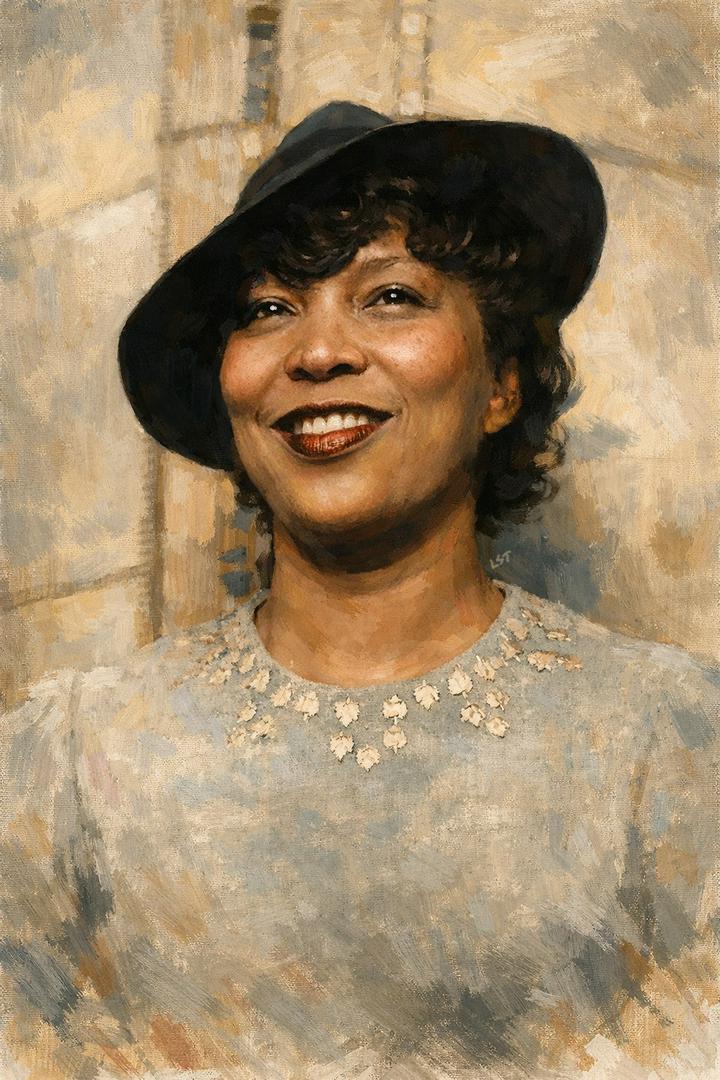
On January 7, 1891, Zora Neale Hurston was born, and from day one she refused to explain herself to anyone. Writer, folklorist, anthropologist, cultural archivist, Hurston did more than tell stories. She preserved Black Southern life at a time when America was determined to clean it up, water it down, or erase it completely. Born in Alabama and raised in Eatonville, one of the first all-Black incorporated towns in the United States, Hurston grew up surrounded by self-rule, language, humor, and folklore. That world shaped everything she wrote. While others debated how Black life should be portrayed, Hurston wrote it as it was. Musical. Messy. Funny. Painful. Proud. During the Harlem Renaissance, she stood apart because she refused to center her work around white comfort. She traveled throughout the South and the Caribbean collecting folktales, songs, and oral histories, treating everyday people as experts of their own lives. She captured speech, rituals, beliefs, and humor that scholars had dismissed for generations and proved they mattered. Her most famous novel, Their Eyes Were Watching God, centered the inner life of a Black woman when few believed that story deserved space. When it was published, it was criticized for being too Southern and not political enough. Time corrected that mistake. Today it stands as a cornerstone of American literature and a reminder that joy, love, and voice are political too. Hurston died in poverty in 1960 and was buried in an unmarked grave. Years later, her work was rediscovered and restored to its rightful place. Her legacy proves that truth does not always shout. Sometimes it survives quietly, waiting for the world to finally listen. #ZoraNealeHurston #January7 #BlackHistory #HarlemRenaissance #LiteraryHistory #AmericanWriters #HiddenHistory #WomensHistory #BlackLiterature #CulturalPreservation

LataraSpeaksTruth

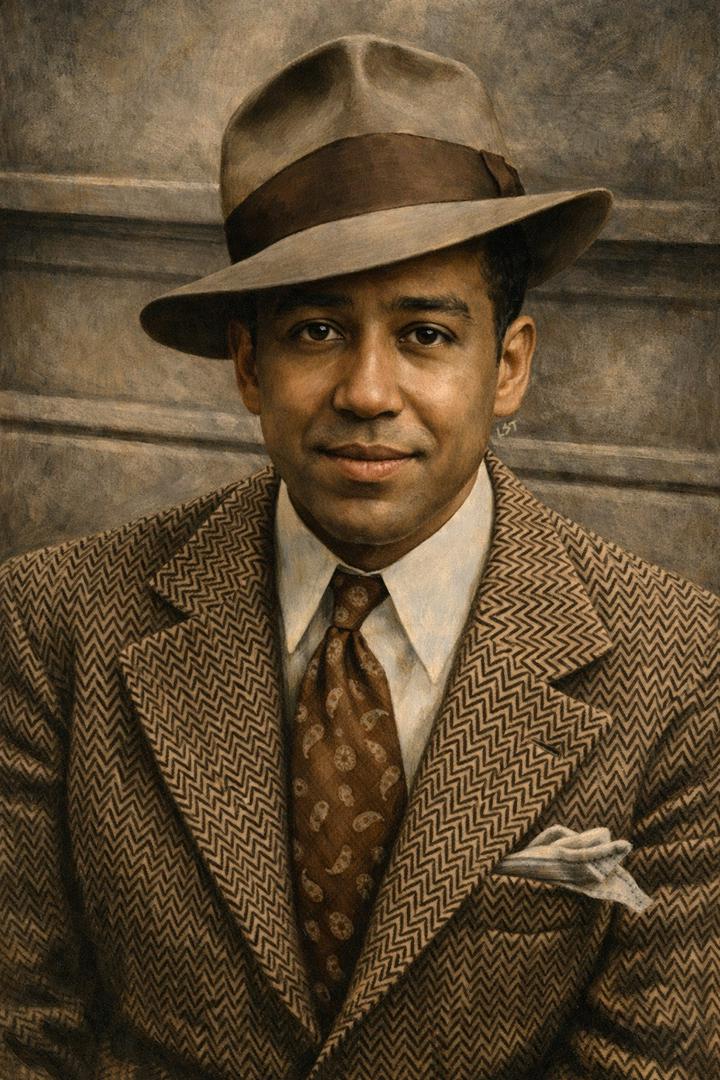
February 1 marks the birthday of Langston Hughes, born in 1902, a writer who refused to make his voice smaller to fit anyone’s comfort. Hughes didn’t write to impress institutions or soften reality. He wrote to reflect life as it was lived, especially the lives of ordinary people whose stories were often ignored or dismissed. His words carried the rhythm of jazz, the weight of history, and the honesty of everyday survival. During the Harlem Renaissance, while some artists sought acceptance through refinement and distance, Hughes chose closeness. He leaned into authenticity. He believed there was beauty in common speech, dignity in working people, and power in telling the truth without apology. Poems like “I, Too,” “Mother to Son,” and “The Negro Speaks of Rivers” were not just literary achievements. They were declarations of presence. They insisted on visibility in a country that often looked away. Hughes understood something timeless. Art does not need to shout to challenge the world. Sometimes it only needs to stay honest. His writing did not lecture or perform. It observed, reflected, and endured. He held up a mirror to America and allowed readers to sit with what they saw. More than a century after his birth, Langston Hughes remains relevant because the questions he raised still linger. Whose voices are heard. Whose stories are valued. Who gets to define beauty, culture, and truth. Today, his legacy reminds us that language has power when it stays rooted in real lives and real experiences. #LangstonHughes #February1 #LiteraryHistory #HarlemRenaissance #PoetryMatters #AmericanLiterature #WritersWhoLast #HistoryInWords #CulturalLegacy

LataraSpeaksTruth

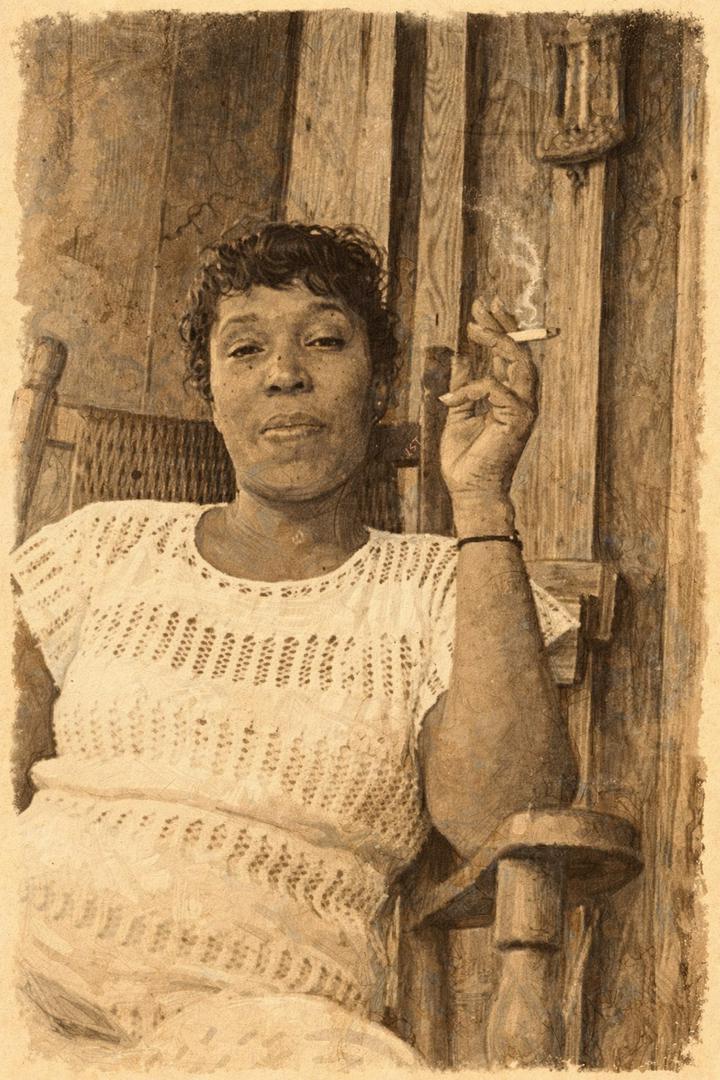
Zora Neale Hurston passed away on January 28, 1960, in Fort Pierce, Florida, at the age of 69. The woman whose words captured the rhythm, humor, faith, and inner lives of Black communities died quietly, far removed from the literary acclaim she deserved. Her cause of death was hypertensive heart disease, after years of declining health and financial hardship. By the end of her life, Hurston was working as a maid and substitute teacher, living in near poverty despite having authored some of the most influential works of the Harlem Renaissance At the time of her death, Hurston’s work had fallen out of favor. Literary tastes had shifted, and her refusal to write protest literature or conform to political expectations left her marginalized. She chose to preserve culture rather than perform it for approval, and that independence came at a cost. When she died, there were no major headlines, no national mourning, and little recognition of what had been lost Hurston was buried in an unmarked grave at the Garden of Heavenly Rest cemetery. For more than a decade, her resting place remained anonymous, mirroring how her legacy had been treated. It wasn’t until the 1970s that writer Alice Walker sought out her grave and placed a marker that read, “A Genius of the South.” That moment helped spark a revival of Hurston’s work and restored her place in American literature Today, Zora Neale Hurston is celebrated as a visionary writer, anthropologist, and cultural archivist. Her novels, essays, and folklore collections are studied around the world. Her death serves as a reminder that brilliance is not always honored in real time. Sometimes history neglects its truth-tellers… then spends decades trying to catch up #ZoraNealeHurston #January28 #HarlemRenaissance #LiteraryHistory #BlackWriters #AmericanLiterature #CulturalPreservation #ForgottenGenius #Legacy #OnThisDay

LataraSpeaksTruth

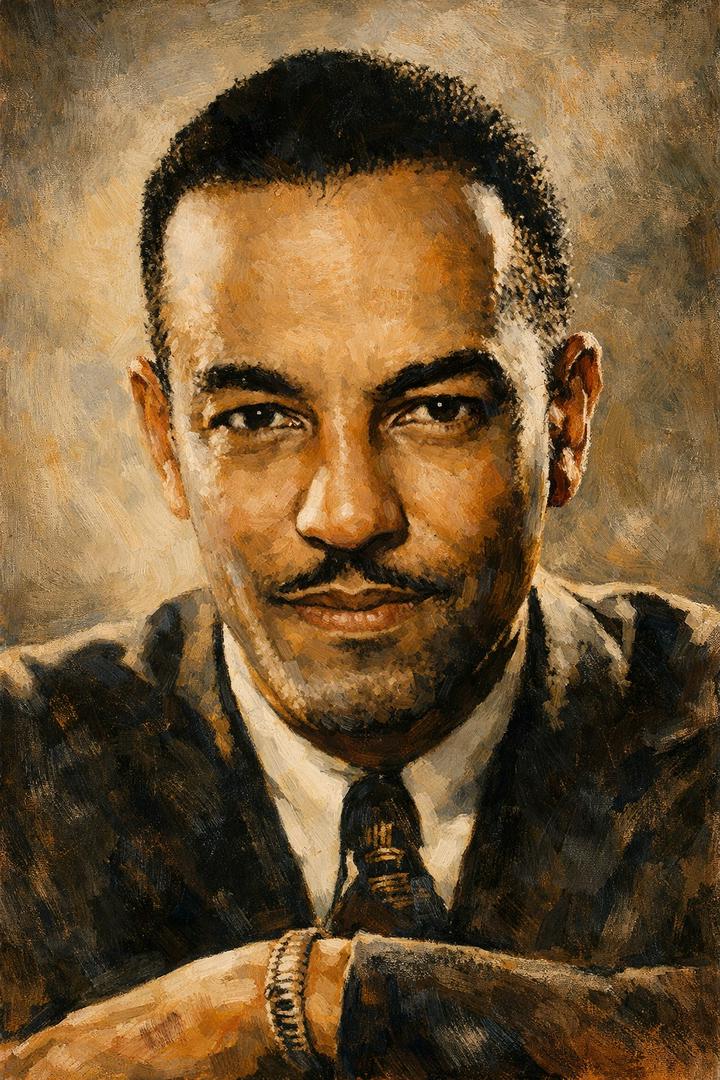
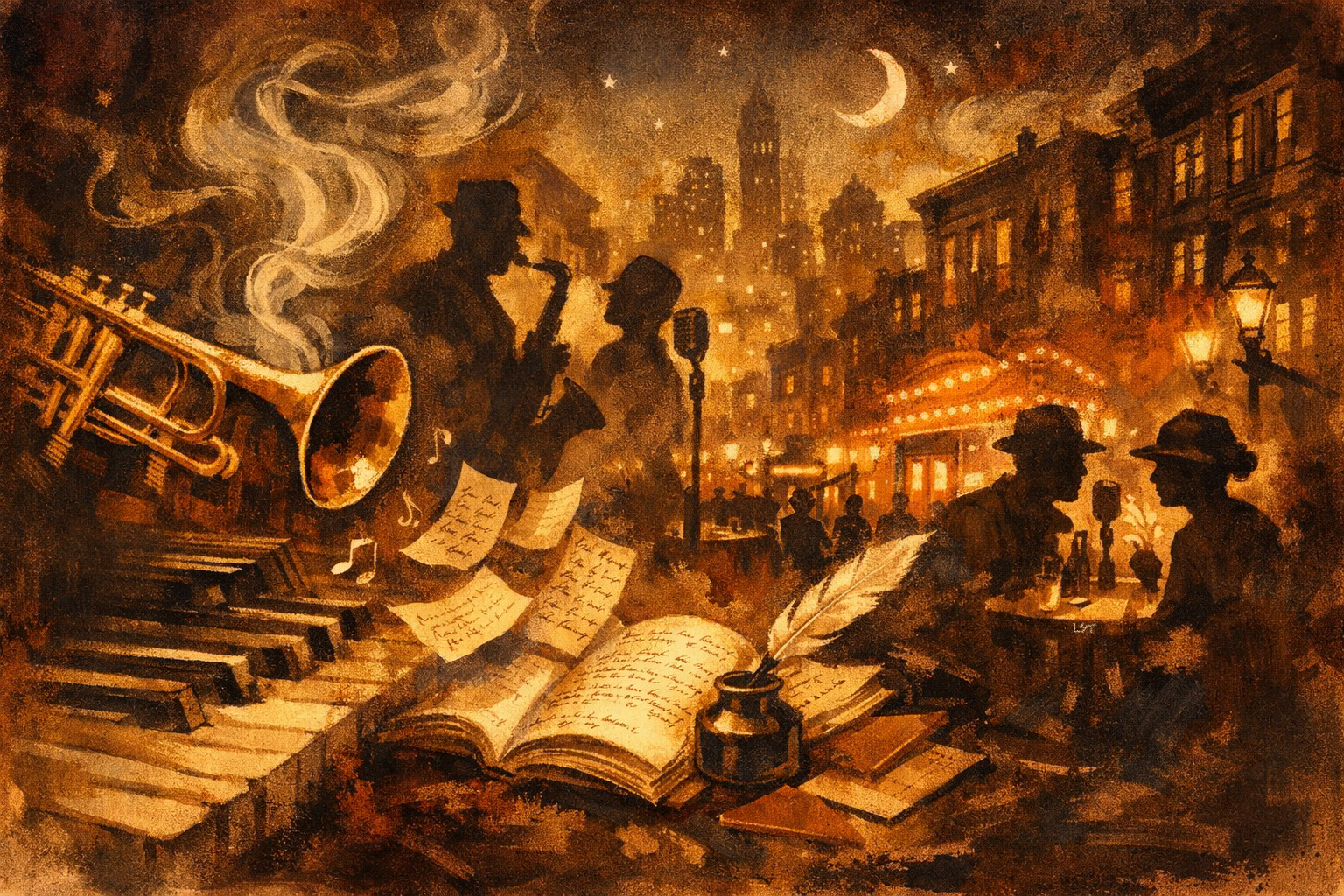
December 1924 sits right in the thick of a cultural takeover that did not ask for permission. Harlem was alive. Not just busy, but alive with ideas, music, arguments, and ambition. The Harlem Renaissance was not a single moment you could circle on a calendar. It was a season of collision where Black writers, artists, musicians, and thinkers decided they would define themselves instead of being defined. December, often treated as a quiet closing month, was anything but quiet in Harlem. It was a continuation of momentum. During this period, figures like Langston Hughes, Zora Neale Hurston, and Duke Ellington were shaping a new cultural language. Literature challenged stereotypes. Music moved beyond entertainment into statement. Art reflected pride, frustration, joy, and complexity without apology. These creators were not trying to be respectable by outside standards. They were trying to be honest. December 1924 represents endurance. The Renaissance was not a party that burned out quickly. It was work. Magazines were being published. Essays were being debated. Poetry was being read aloud in crowded rooms thick with cigarette smoke and opinion. Political thought was sharpening alongside creative expression. Black identity was being examined, questioned, and affirmed in real time. This matters because the influence did not stay in Harlem. It traveled. It shaped how Black life was written about, performed, and understood across the country and eventually the world. December reminds us that movements do not pause for holidays. They continue quietly, loudly, and persistently. The Harlem Renaissance was not a moment. It was a turning of the page that never fully closed. #HarlemRenaissance #BlackHistory #CulturalHistory #AmericanHistory #DecemberHistory

LataraSpeaksTruth

January 28, 1901 marks the birth of Richmond Barthé, one of the most influential sculptors of the Harlem Renaissance and a quiet giant in American art history. Born James Richmond Barthé in Bay St. Louis, Mississippi, he came of age during a period when Black artists were rarely allowed space to explore complexity, beauty, or interior life. Barthé did not ask permission. He carved it. Best known for his figurative sculptures, Barthé focused on movement, emotion, and dignity. His subjects were often Black men and women captured not as symbols, but as human beings. Thoughtful. Vulnerable. Strong. Alive. At a time when mainstream art reduced Black bodies to stereotypes, Barthé insisted on nuance and grace. His work gained national attention during the Harlem Renaissance, and his reputation extended far beyond it. Barthé created portraits of major cultural figures including Alain Locke, Duke Ellington, and Rose McClendon. His sculptures were collected by major institutions and private patrons, even as he continued to navigate racial barriers and personal isolation. Barthé also lived openly as a gay man during a time when that visibility carried real risk. Rather than dilute his identity or his vision, he allowed both to exist in the work. That honesty gave his art its emotional depth and lasting power. Richmond Barthé died in 1989, but his legacy endures in bronze and stone. His sculptures remind us that history is not only written in speeches and laws, but in hands that shape truth into form. On this day, we remember an artist who refused to flatten humanity, and whose work still asks us to look closer. #RichmondBarthe #HarlemRenaissance #ArtHistory #January28 #BlackArtists #AmericanSculpture #CulturalHistory #ArtLegacy #OnThisDay

You've reached the end!