Tag Page HiddenHistory

#HiddenHistory
LataraSpeaksTruth

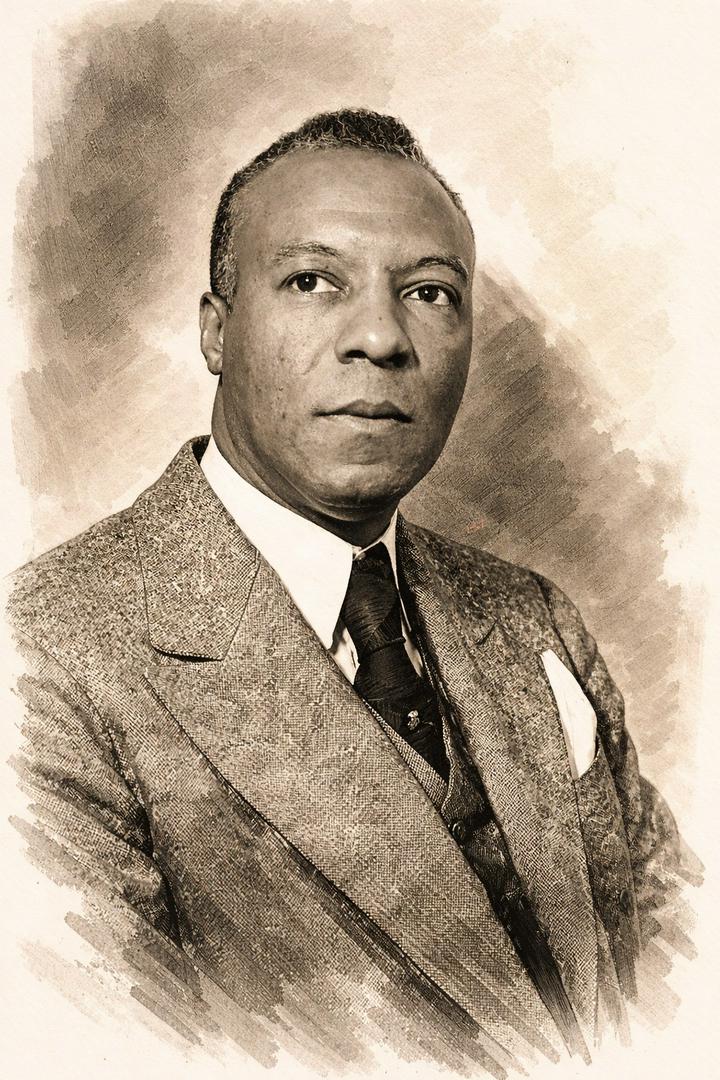
On January 6, 1941, A. Philip Randolph made a move that rarely gets credited the way it should. He formally escalated plans for what became the March on Washington Movement, not as a ceremony, not as a speech tour, but as a direct threat. One hundred thousand Black workers would descend on Washington, D.C., during wartime, to expose racial discrimination inside the very defense industries claiming to protect democracy. This was not a symbolic march. It was an economic pressure campaign. Randolph understood leverage. Defense factories were booming as the U.S. prepared for World War II, yet Black workers were routinely excluded from skilled positions and union membership. Randolph made it clear that the government could not preach freedom abroad while enforcing exclusion at home. The threat worked. Faced with the possibility of a mass protest that would embarrass the administration on a global stage, President Franklin D. Roosevelt acted. Later that year, he issued Executive Order 8802, banning racial discrimination in defense industries and federal contracts and establishing the Fair Employment Practices Committee to enforce it. There was no televised showdown. No viral slogan. No sudden moral awakening. This change happened because Randolph was willing to apply pressure where it hurt…labor, production, and international reputation. The march itself was ultimately called off, but the goal had already been achieved. This is one of those moments in history that later gets softened. The policy change is remembered. The discomfort that forced it is not. But make no mistake, this didn’t “just happen.” It happened because Randolph was prepared to embarrass the federal government during wartime and understood that quiet leverage often moves the needle faster than loud applause. That is how power actually shifts. #BlackHistory #January6 #APhilipRandolph #MarchOnWashingtonMovement #LaborHistory #AmericanHistory #HiddenHistory #CivilRightsHistory #EconomicPressure

LataraSpeaksTruth

On December 9, 1872, P.B.S. Pinchback stepped into history as acting governor of Louisiana… the first Black governor in the United States. It’s one of those moments the textbooks whisper about, but it deserves a full-volume replay. Pinchback didn’t slide into power on easy mode; he fought through the chaos of Reconstruction, served as lieutenant governor, and rose to the top when the governor was impeached. His time in office was short, but sometimes it only takes a few bold weeks to shake up a century. And before someone pops into the comments with the usual, “Are you sure he was Black? He looks white…” let’s clear the air. A lot of people from that era had lighter complexions because of the grim reality of slavery: white enslavers fathered children with enslaved women, then left those kids to grow up with zero privilege, zero protection, and zero of the benefits their fathers enjoyed. Looking white didn’t grant them a shortcut. Pinchback lived, fought, and served as a Black man…?fully, openly, and without apology. His life is a reminder that history is complicated, messy, and shaped by truths many would rather ignore. Yet through it all, he carved out space where none existed and rewrote what leadership could look like in America. #TodayInHistory #BlackHistory #PBS_Pinchback #Reconstruction #LouisianaHistory #AmericanHistory #HiddenHistory #TruthMatters

LataraSpeaksTruth

The Battle of Fredericksburg on December 13, 1862 unfolded during one of the most consequential pauses in American history. The Emancipation Proclamation had been announced but would not take effect for another three weeks, placing this battle squarely in the gap between declared freedom and enforced freedom. That timing matters. Although the soldiers fighting at Fredericksburg were overwhelmingly white, the consequences of the Union’s defeat fell heavily on enslaved people. Every failed campaign delayed the collapse of the Confederacy, extending the lifespan of slavery in the South. Union losses did not just cost lives on the battlefield, they prolonged bondage beyond it. Enslaved Black people in Virginia were also directly entangled in this campaign. They were forced to build fortifications, transport supplies, cook, clean, and provide labor for Confederate forces. They were not passive observers of the war. They were coerced infrastructure sustaining it. Fredericksburg’s staggering casualties intensified Northern pressure on Union leadership. Repeated bloodshed made emancipation less of a political abstraction and more of a moral and strategic necessity. That shift helped open the door to Black enlistment in 1863, altering the direction of the war and the meaning of freedom itself. Fredericksburg was not a Black-led battle, but it was part of the chain reaction that led to Black soldiers fighting for their own liberation and the formal destruction of slavery. History is not only about who is visible in the moment, but about who bears the cost while the nation decides who it will become. #December13 #OnThisDay #CivilWarHistory #BattleOfFredericksburg #AmericanHistory #HistoryMatters #UntoldHistory #HiddenHistory #HistoricalContext

LataraSpeaksTruth

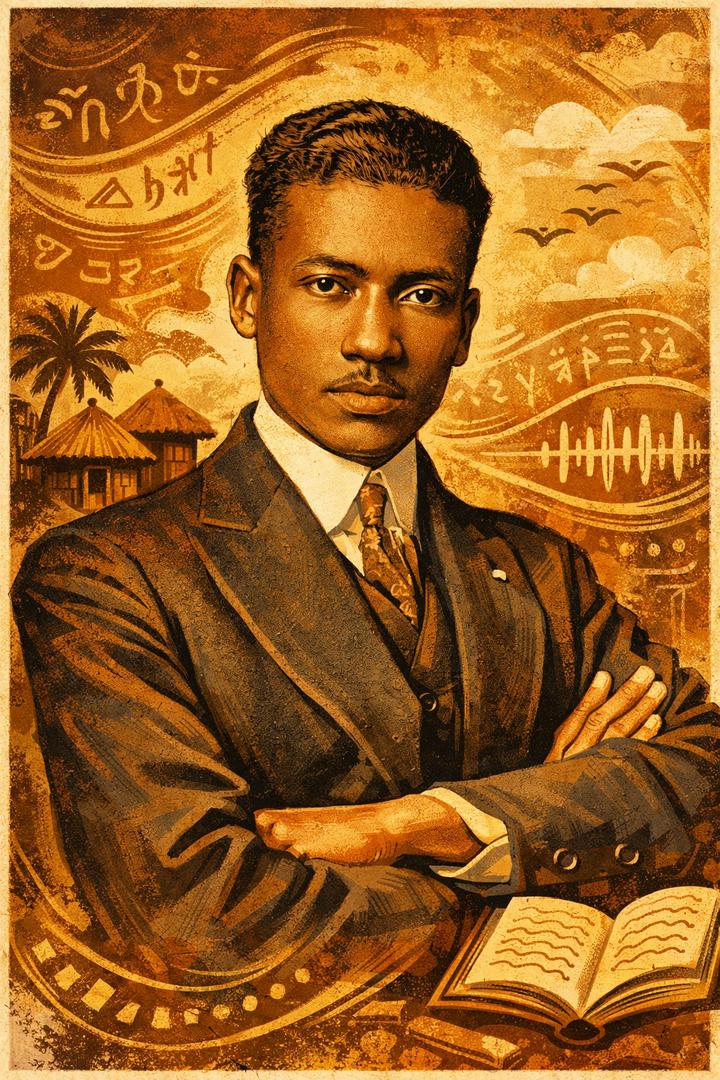
On December 19, 1891, in Baltimore, history moved quietly but decisively. Charles Randolph Uncles became the first African American man ordained a Catholic priest on U.S. soil, breaking through a Church that, like the country around it, was deeply entangled in racial exclusion. Born in 1859 to parents who had been enslaved, Uncles converted to Catholicism as a teenager and soon felt called to the priesthood. That calling was met with resistance. American seminaries shut their doors to him because of his race, forcing him to complete his studies in Europe before returning home for ordination. Ordination did not end the struggle. Father Uncles spent his ministry navigating segregation in parishes, schools, and religious institutions. Still, he showed up. Still, he served. Still, he believed the Church could be better than its habits. He became a founding force behind the Society of St. Joseph of the Sacred Heart, known as the Josephites, a religious order dedicated to serving Black Catholic communities in the United States. This was not symbolic work. It was real, grounded pastoral labor. Father Uncles was more than a parish priest. He was an educator, an advocate, and living proof that authority, faith, and leadership were never meant to be limited by race. His presence at the altar challenged assumptions about who belonged there. December 19, 1891 stands as more than a religious milestone. It reminds us that progress often begins with someone willing to endure exclusion so others do not have to. History does not always shout. Sometimes it kneels, stands up anyway, and refuses to leave. #OnThisDay #ThisDayInHistory #AmericanHistory #FaithHistory #ReligiousHistory #HiddenHistory #UntoldHistory #HistoryMatters

✅CHAUNCEYDATGUY

BREAKING 🚨 The Hidden Truth: The First People May Have Originated in the Americas🚨

Emerging research and overlooked discoveries suggest that the first humans may have originated right here in the Americas. Ancient mound and pyramid structures scattered across North and South America—many predating those in Africa or Egypt—stand as silent proof of an advanced, ancient civilization that thrived long before mainstream history admits. Sites like Poverty Point in Louisiana, the Serpent Mound in Ohio, and the vast pyramid complexes of Mexico and South America reveal precise astronomical alignments and advanced engineering knowledge. Even more mysterious are reports surrounding the Grand Canyon, where certain restricted areas are said to contain ancient chambers, hieroglyphic markings, and relics resembling early human settlements. Though access is tightly controlled, many believe these hidden discoveries could rewrite world history, proving that Black people in the Americas were among the Earth’s original people—long before global migration ever began. #AncientAmerica #HiddenHistory #MoundBuilders #TruthRevealed #ChaunceyDatGuy

BREAKING 🚨 The Hidden Truth: The First People May Have Originated in the Americas🚨BREAKING 🚨 The Hidden Truth: The First People May Have Originated in the Americas🚨
LataraSpeaksTruth

1958… The Day Louisiana’s “Anti-Mixing” Sports Law Finally Fell

On November 28, 1958, a federal three-judge court ruled against Louisiana’s attempt to keep sports segregated forever. The case was called Dorsey v. State Athletic Commission, and it targeted the state’s “anti-mixing” law… a rule that tried to stop Black and white athletes from competing against each other. Louisiana used this law to block integrated boxing matches. Promoters were threatened with jail. Black fighters were refused licenses. White fighters were told to stay in their own lane. The whole thing was designed to protect the old order… and punish anyone who dared to break it. The court struck it down. They called it unconstitutional, discriminatory, and flat-out incompatible with the country’s direction. It was one of the quiet wins that chipped away at segregation’s foundation. Not loud. Not flashy. But necessary. This wasn’t just about sports. It was about the state trying to control who could stand toe-to-toe in public. And the court said no… not anymore. #LataraSpeaksTruth #HistoryMatters #AmericanHistory #HiddenHistory #UntoldStories #OnThisDay #CivilRightsEra

1958… The Day Louisiana’s “Anti-Mixing” Sports Law Finally Fell
LataraSpeaksTruth

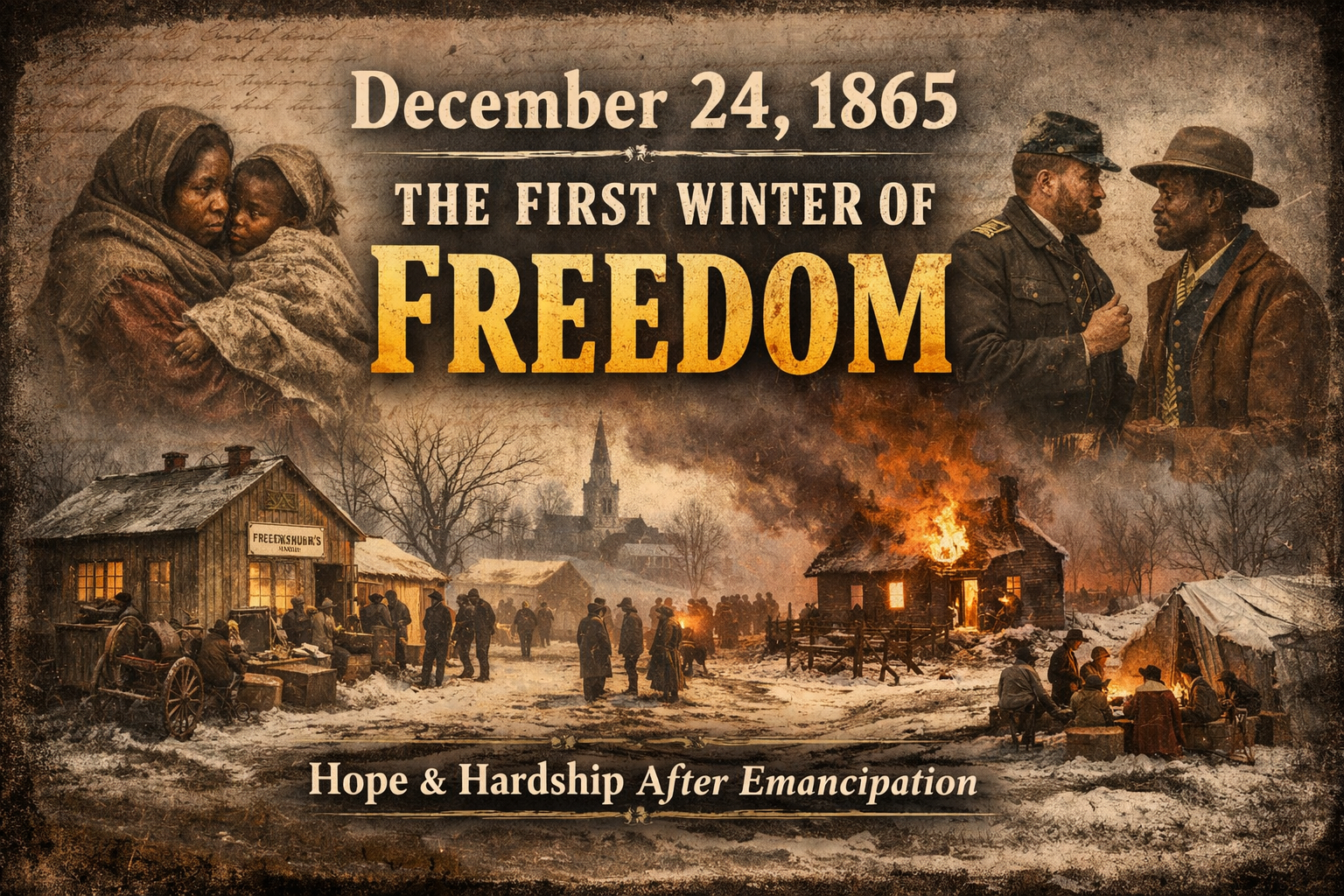
December 18 holds a quiet but powerful place in American history. On December 18, 1865, the United States officially proclaimed that the 13th Amendment had been ratified, permanently abolishing slavery nationwide. This was the moment emancipation became constitutional law, not a wartime order, not a promise tied to politics or conflict, but a legal reality written into the foundation of the country. By the time this proclamation was announced, many formerly enslaved people had already tasted freedom through the Emancipation Proclamation. But that earlier declaration did not apply everywhere and could be reversed if the war was lost. December 18 marked the point of no return. Slavery was no longer conditional. It was no longer regional. It was, on paper, dead. For Black communities, this date mattered because it represented confirmation. After generations of broken promises, delayed enforcement, and freedom that arrived late or not at all, December 18 was the federal government finally acknowledging what should have never required a constitutional amendment in the first place. The waiting was not symbolic. It was lived. People waited for news. They waited for certainty. They waited for something permanent. While celebrations like Freedom’s Eve are historically tied to December 31 and the Emancipation Proclamation, December 18 stands as the legal closing of slavery as an institution in the United States. It is not as widely remembered or publicly celebrated, but it represents the moment freedom was locked into law. Some dates shout. Others whisper. December 18 is one of the whispers that still deserves to be heard. #OnThisDay #December18 #AmericanHistory #13thAmendment #Emancipation #HiddenHistory #HistoryMatters

LataraSpeaksTruth

At the beginning of the year, large slave auctions routinely took place in New Orleans as part of a deliberate financial process. Plantation account books closed at the end of December, and debts were reconciled immediately afterward. When numbers did not balance, enslaved people were sold to settle them. Human lives were used to correct ledgers. Early January became one of the most active periods in the domestic slave trade because it aligned with plantation finance cycles. Men, women, and children were sold not based on family ties, age, or circumstance, but on how effectively their sale could stabilize accounts and reset labor forces for the year ahead. Profit determined separation. These sales were strategic. Buyers sought labor before the planting season. Sellers cleared obligations before interest and penalties compounded. Families were broken apart at the same moment society spoke of renewal and fresh starts. For those placed on the auction block, the new year did not bring opportunity. It brought loss. New Orleans sat at the center of this system. Its auction houses, banks, shipping routes, and legal structures openly connected finance and bondage. These were not hidden abuses or rare events. Auctions were scheduled, advertised, attended, and recorded. Violence did not always arrive through chaos. Sometimes it arrived through paperwork. This pattern reveals how deeply slavery was embedded in American economic rhythms. The domestic slave trade operated through calendars, deadlines, and bookkeeping as much as force. The beginning of the year became a moment when profit quietly dictated human fate. History often frames beginnings with hope. For many enslaved people, the start of the year marked separation, instability, and the loss of control over their own lives. That contrast matters. Because slavery was not only a moral crime. It was a financial system. #ForTheRecord #HiddenHistory #DomesticSlaveTrade #AmericanSlavery #NewOrleansHistory