1/1
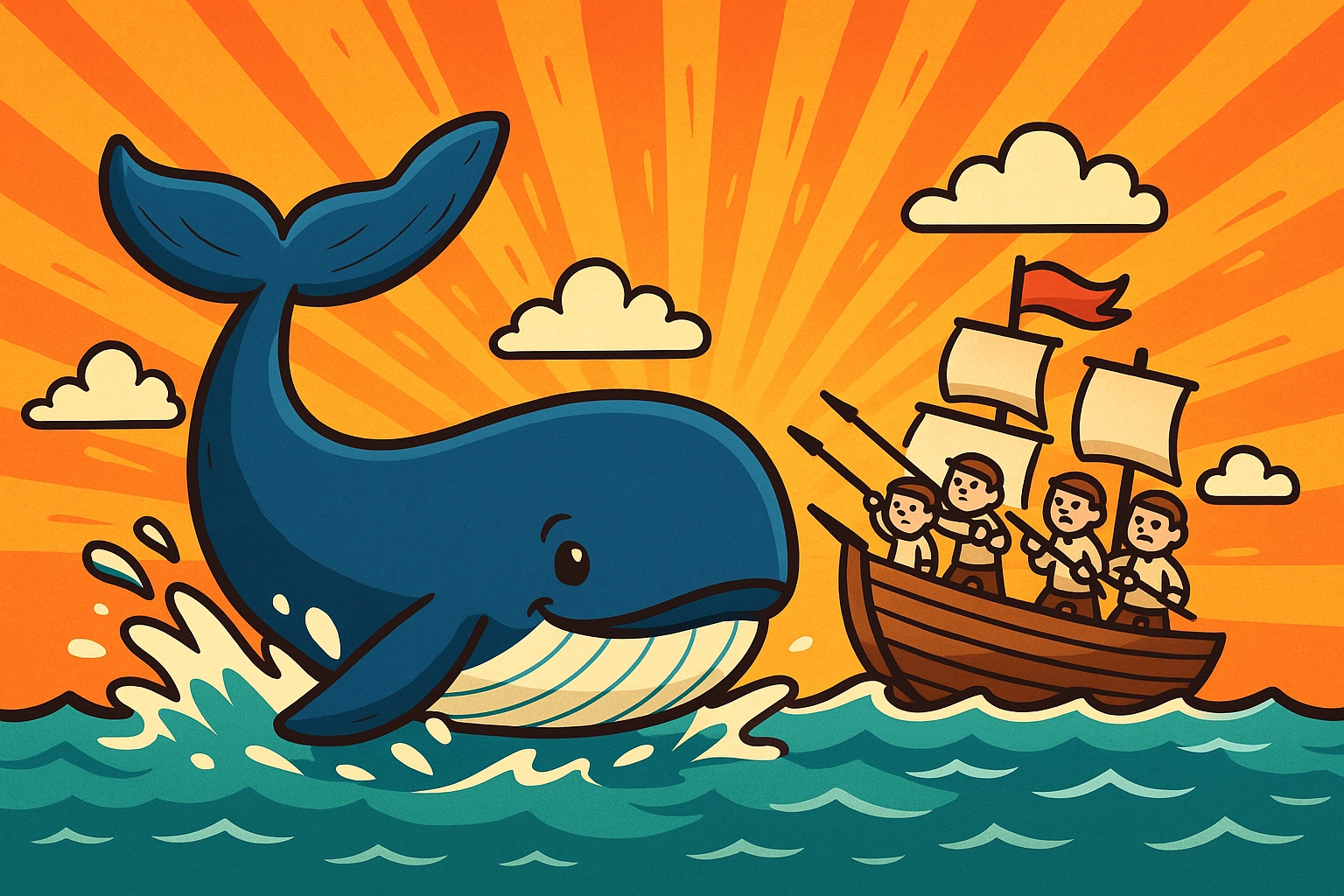
Whaling didn’t start as a brutal industry. Thousands of years ago, coastal communities survived on anything the ocean offered — including whales that washed ashore. Those early hunts were small, respectful, and rooted in survival, not profit. Everything changed in the 1600s and 1700s. As European and American ships expanded across the oceans, whales became “liquid gold.” Whale oil lit lamps, powered machinery, greased factories, and made nations rich. The bones were turned into tools, umbrellas, corsets, even furniture. A whole economy was built on the backs of the largest animals on Earth. But the work was violent. Sailors chased whales for hours, stabbed them with harpoons, and watched them bleed across the sea. Ships risked storms, freezing waters, and being dragged under by whales fighting for their lives. Thousands of men died doing it. By the 1800s, the demand was so great that entire whale populations collapsed. Species were pushed to the edge of extinction long before anyone cared about conservation. The turning point came when petroleum replaced whale oil and new laws began protecting marine life. What was once a booming industry became a symbol of human greed and carelessness. Today, most countries have banned commercial whaling, but a few still continue the old traditions under different names. The legacy of whaling is complex — part survival, part industry, part destruction. It shows how far humans will go to chase profit, and how quickly a giant of the sea can disappear when the world decides it’s “useful.” #TheStoryBehind #Whaling #HistoryFacts #OceanHistory #HiddenHistory #DidYouKnow #NewsBreakCommunity #LearnSomethingNew #WildlifeHistory
2025-11-25
write a comment...