Tag Page NewsBreakCommunity

#NewsBreakCommunity
LataraSpeaksTruth

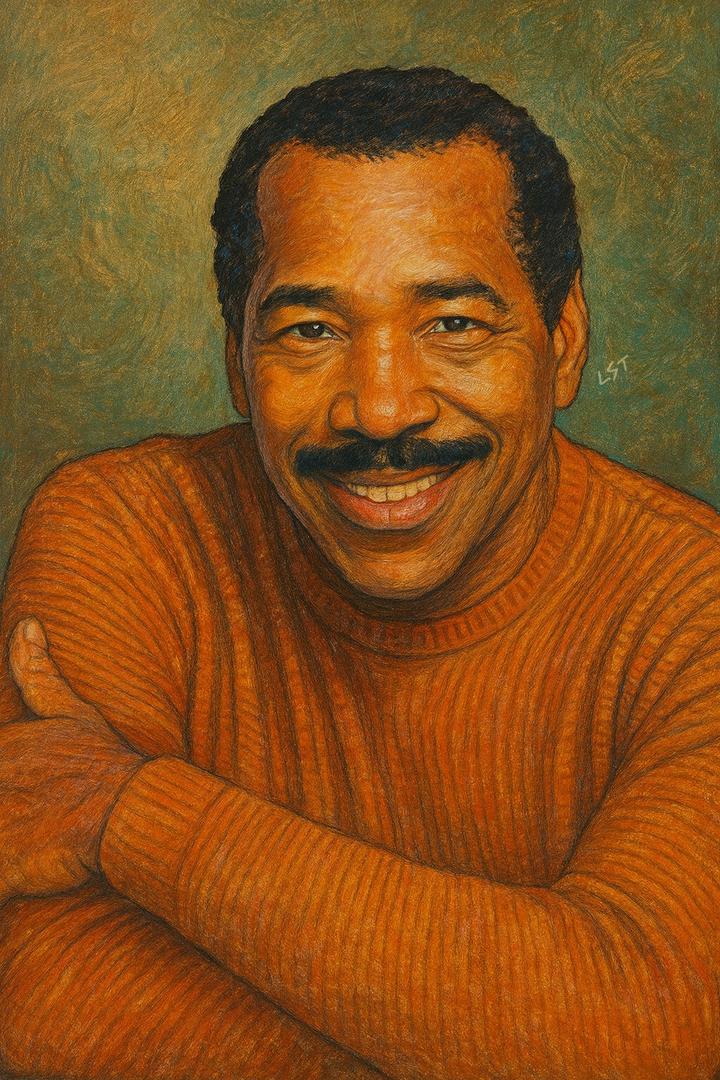
When Malcolm X Spoke On Kennedy’s Death

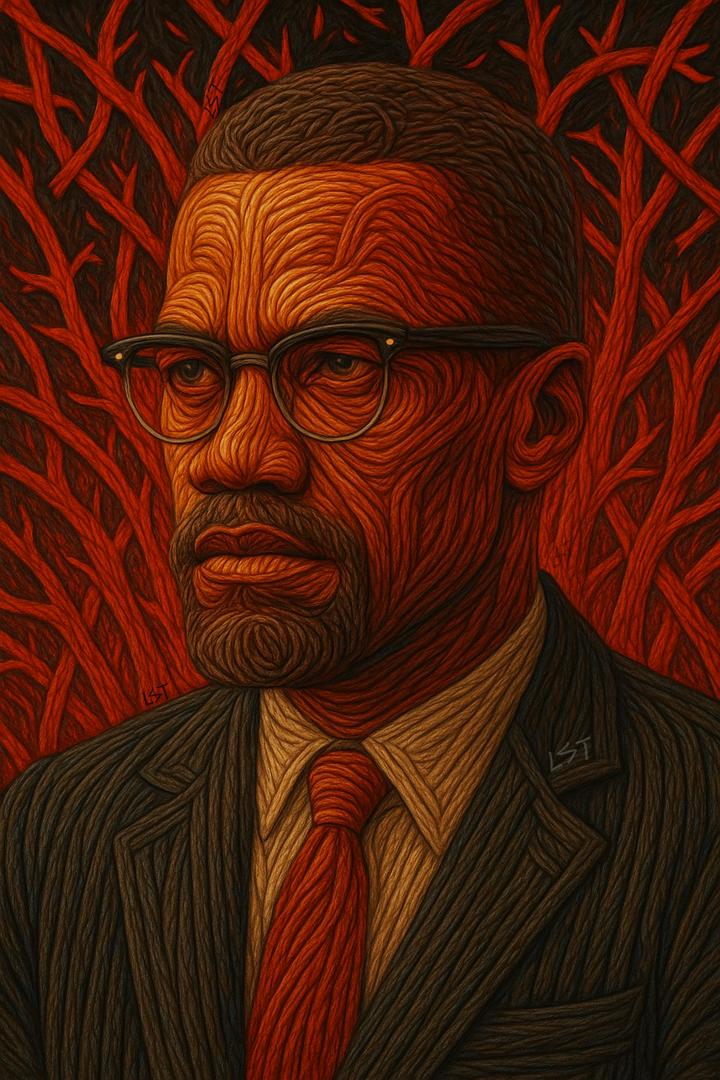
On December 1, 1963, Malcolm X was asked for his reaction to the assassination of President John F. Kennedy. He was one of the most closely watched public figures in the country at the time, and reporters pressed him for a comment. Malcolm X responded with the words that would echo for decades. He said it was a case of chickens coming home to roost. He framed the event as part of a larger pattern of violence in the United States during that era. He argued that a nation shaped by political bloodshed could not avoid that same violence returning to its doorstep. The remark caused an immediate national uproar. It was interpreted as insensitive and divisive, and it clashed with the public grief that followed the assassination. The Nation of Islam suspended him from speaking publicly after the comments. His relationship with the organization would continue to strain in the months that followed. This moment is often oversimplified, but it marked a turning point. It pushed Malcolm X to reconsider his alliances, rethink his voice, and eventually pursue a broader message about global human rights. What happened on December 1 became one of the first steps toward the transformation that shaped the final years of his life. #MalcolmX #OnThisDay #AmericanHistory #PoliticalHistory #NewsBreakCommunity #HistoricVoices #HistoricMoments #AmericanLegacy
When Malcolm X Spoke On Kennedy’s Death
LataraSpeaksTruth

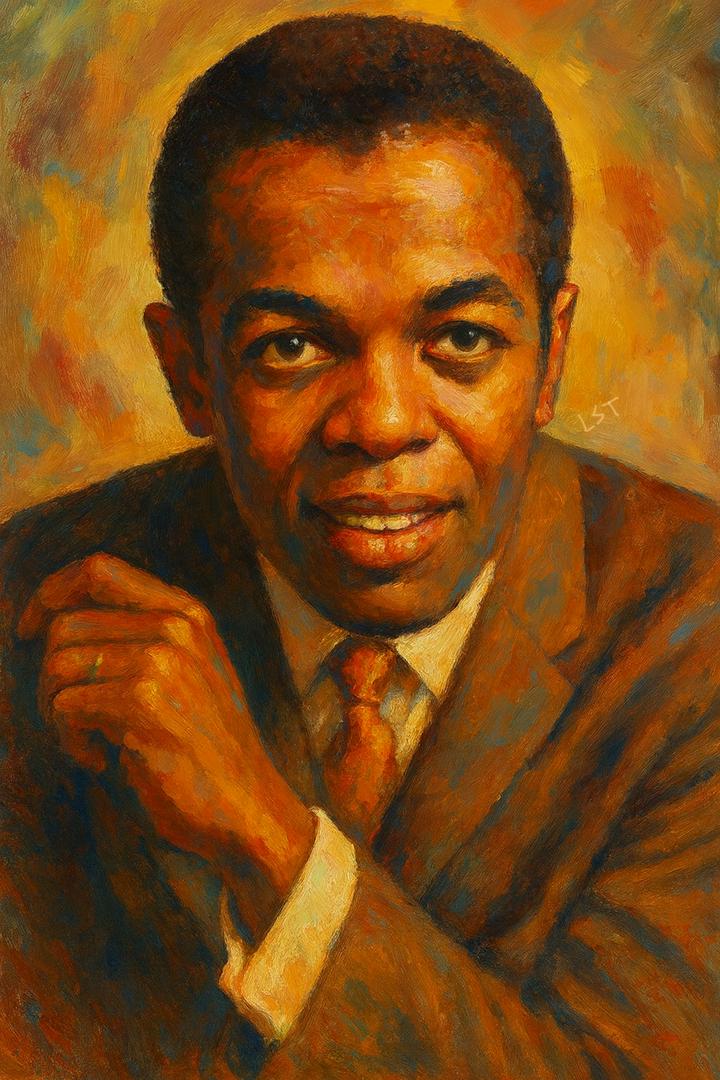
Lou Rawls: A Voice That Lifted Generations

Lou Rawls was born on December 1, 1933 in Chicago, a city known for shaping icons, and he grew into one of the defining voices of soul music. His smooth baritone carried emotion, clarity, and a kind of grounded skill that influenced listeners across multiple generations. He won Grammy recognition throughout his life, but his impact reached far beyond awards. Rawls became a major force for education, raising millions for historically Black colleges and universities through his annual telethons. That work created scholarship opportunities, supported students, and strengthened institutions that often struggled for fair funding. His birthday marks the beginning of a life filled with artistry, service, and generosity. Lou Rawls left behind a legacy built on music, community, and a steady commitment to lifting others. #LouRawls #SoulLegend #ChicagoHistory #MusicHistory #HBCULegacy #BlackMusicCulture #OnThisDay #NewsBreakCommunity

Lou Rawls: A Voice That Lifted Generations
The Story Behind...

Tattoos are older than every empire you can name. The earliest proof comes from a 5,300-year-old mummy named Ötzi, whose skin carried inked lines made for pain relief and ritual healing. Ancient Egypt tattooed women for protection during childbirth. Indigenous cultures used ink as identity, honor, grief, and rite of passage. Tattoos began as a language of the body — not decoration. Then came the colonial era, where Europeans labeled tattooed people as “savages” while quietly collecting Indigenous techniques to take home. By the 1700s, sailors started tattooing each other at sea… names of lovers, symbols of survival, reminders of who they were before the ocean changed them. Tattoos became a mark of the rough, the traveled, the witnessed. The modern tattoo machine arrived in the late 1800s, inspired by Thomas Edison’s engraving pen. Suddenly tattoos spread through cities — soldiers, laborers, circus performers, immigrants, outcasts — people who lived hard lives and wanted their stories carved where nobody could erase them. But tattoos also carried stigma. For decades, they were linked to crime, rebellion, and “not fitting in.” Yet the truth is simple: tattoos survived because people needed a way to mark pain, love, loyalty, culture, loss, and identity. Today it’s mainstream, but the roots are still sacred. Tattoos were never meant to be trendy… they were meant to be truth that bleeds. #TheStoryBehind #Tattoos #TattooHistory #BodyArt #InkCulture #HiddenHistory #LearnSomethingNew #NewsBreakCommunity #DidYouKnow

The Story Behind...

Whaling didn’t start as a brutal industry. Thousands of years ago, coastal communities survived on anything the ocean offered — including whales that washed ashore. Those early hunts were small, respectful, and rooted in survival, not profit. Everything changed in the 1600s and 1700s. As European and American ships expanded across the oceans, whales became “liquid gold.” Whale oil lit lamps, powered machinery, greased factories, and made nations rich. The bones were turned into tools, umbrellas, corsets, even furniture. A whole economy was built on the backs of the largest animals on Earth. But the work was violent. Sailors chased whales for hours, stabbed them with harpoons, and watched them bleed across the sea. Ships risked storms, freezing waters, and being dragged under by whales fighting for their lives. Thousands of men died doing it. By the 1800s, the demand was so great that entire whale populations collapsed. Species were pushed to the edge of extinction long before anyone cared about conservation. The turning point came when petroleum replaced whale oil and new laws began protecting marine life. What was once a booming industry became a symbol of human greed and carelessness. Today, most countries have banned commercial whaling, but a few still continue the old traditions under different names. The legacy of whaling is complex — part survival, part industry, part destruction. It shows how far humans will go to chase profit, and how quickly a giant of the sea can disappear when the world decides it’s “useful.” #TheStoryBehind #Whaling #HistoryFacts #OceanHistory #HiddenHistory #DidYouKnow #NewsBreakCommunity #LearnSomethingNew #WildlifeHistory

The Story Behind...

Most people think OSHA has been around forever, but the truth is, the United States went way too long without real workplace protection. Before the 1970s, factories, construction sites, farms, and warehouses were basically danger zones. Workers were losing limbs, breathing in toxic dust, falling from unsafe scaffolding, and dealing with chemicals that companies knew were harmful but didn’t warn anyone about. By the late 1960s, the public had finally had enough. Workplace deaths were skyrocketing… nearly 15,000 Americans were dying on the job every single year, and millions more were being injured. It took pressure from workers, unions, families, and safety advocates to force Congress to wake up. In 1970, the Occupational Safety and Health Act was signed into law, creating OSHA — a federal agency with one job: make workplaces safer. They set rules, inspect job sites, investigate accidents, and hold companies accountable when they cut corners. OSHA didn’t fix everything, but it changed the game. Since the agency started, workplace deaths have dropped by more than 60%, and injuries by almost 70%, even though the workforce has doubled. That’s what safety laws do — they save lives quietly, every single day. Today, OSHA still steps in when employers ignore hazards, fail to train workers, or put people at risk. And anytime you walk into a job and see gloves, helmets, railings, warnings, or safety procedures — that’s OSHA’s fingerprint. The protection we expect now didn’t exist before. Somebody had to fight for it. #TheStoryBehind #OSHA #WorkplaceSafety #AmericanHistory #DidYouKnow #LaborHistory #SafetyMatters #NewsBreakCommunity

The Story Behind...

The Bible didn’t arrive as one finished book. It grew over thousands of years, starting with stories passed by mouth long before ink touched paper. Different cultures wrote down histories, laws, poems, warnings, and visions. Those writings were copied, translated, debated, and protected through wars, migrations, and destroyed kingdoms. Nothing about it was quick or simple. The earliest pieces came from ancient Israel, written on scrolls of animal skin. Later, followers of Jesus wrote letters and accounts of his life. Communities kept the writings they believed carried truth, and over time, a collection formed. It wasn’t until centuries later that scholars gathered, argued, compared texts, and agreed on what should be included. That’s how the Bible became one book. Before printing existed, every copy was written by hand. It took months. One mistake meant starting over. People risked their lives to hide copies from governments who tried to stop them. The Bible survived fires, bans, and entire empires collapsing. When the printing press arrived, everything changed. For the first time, ordinary people could read it instead of relying on leaders to explain it. That freedom shaped countries, cultures, and beliefs all over the world. The Bible we see today is a layered history of faith, suffering, hope, and human hands doing their best to preserve something sacred. Whether someone reads it for religion, history, wisdom, or curiosity, it carries the weight of thousands of years of people trying to understand life, death, and what it all means. #TheStoryBehind #BibleHistory #AncientTexts #HiddenHistory #LearnSomethingNew #NewsBreakCommunity #DidYouKnow

LataraSpeaksTruth

Mabel Keaton Staupers… The Nurse Who Changed Everything

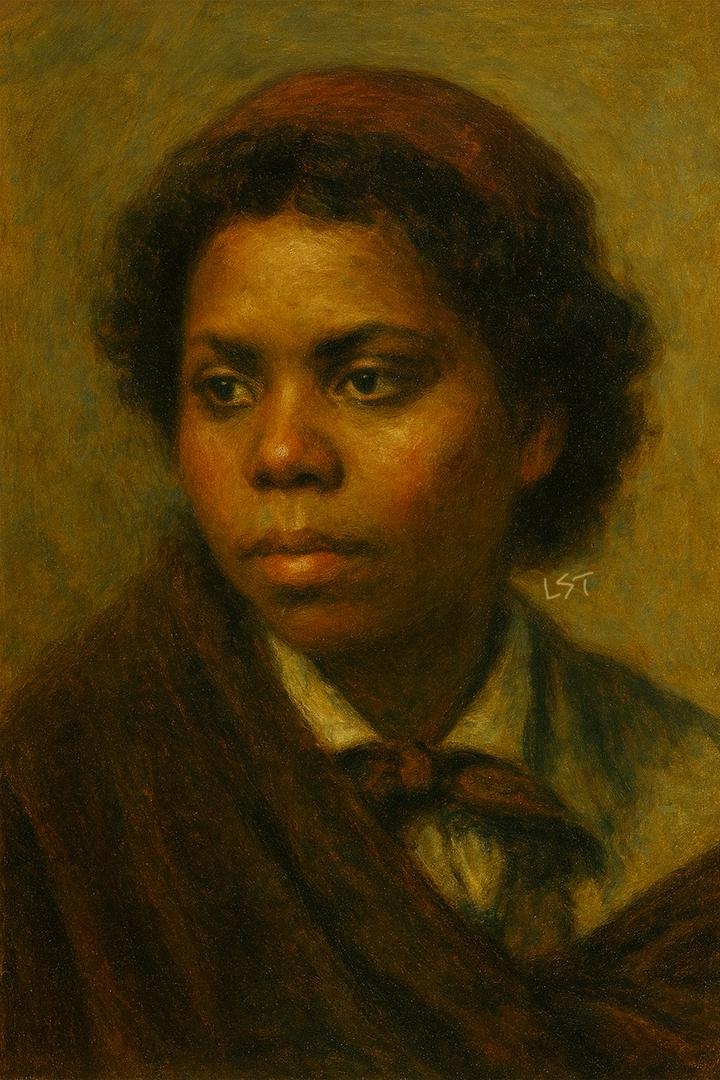
Mabel Keaton Staupers spent her life fighting for doors that should’ve never been closed in the first place. Long before diversity statements and public-facing promises, she was challenging America to live up to its words. And she refused to settle. Born in Barbados and raised in Harlem, Staupers trained as a nurse at a time when Black nurses were pushed to the margins. Hospitals didn’t want them. The Army Nurse Corps didn’t want them. And the American Nurses Association wouldn’t even let them join. She looked at all of that… and started swinging. As executive secretary of the National Association of Colored Graduate Nurses, Staupers pushed the military to stop excluding Black nurses during World War II. She met with officials, wrote letters, built coalitions, and applied pressure until the excuses ran out. By 1945, the Army finally opened its doors. Thousands of Black nurses served because she refused to accept “no.” America changed because she did not back down. On November 29, 1989, Mabel Keaton Staupers passed away. But her impact didn’t. Every Black nurse walking into a hospital, a clinic, a military base, or a graduate program is standing on the foundation she built. She is one of the quiet architects of our history… and she deserves her name said out loud. #MabelKeatonStaupers #BlackHistory #NursingHistory #LataraSpeaksTruth #NewsBreakCommunity #UnsungHeroes #AmericanHistory #WomenWhoLed

Mabel Keaton Staupers… The Nurse Who Changed Everything
LataraSpeaksTruth

Obba Babatundé Born on This Day in 1951

From Broadway stages to classic films, he built a career defined by range and longevity. On December 1, 1951, Obba Babatundé was born in Queens, New York. His path from a kid with talent to a nationally respected actor shows what happens when discipline and versatility work hand in hand. He began in local performances and quickly stood out as someone who could master any role placed in front of him. Audiences on Broadway watched him rise in the original production of Dreamgirls where he played C. C. White. The role earned him a Tony Award nomination and made it clear that he belonged in the ranks of top stage performers. His work reached well beyond the theater. Babatundé became a recognizable force in film and television, taking on roles that required both emotional depth and sharp comedic timing. One of his most memorable pop culture appearances came in the movie How High where he played Dean Cain, the stressed and uptight administrator shocked by the chaos unfolding around him. It was a small role but the impact was immediate. His delivery, presence, and comedic control added another layer to the film and showed how effortlessly he could shift from drama to humor. Babatundé built a career rooted in dedication, heritage, and range. His birthday marks the rise of a performer who continues to influence stages, screens, and generations of actors who follow after him. #ObbaBabatunde #OnThisDay #BlackHistory #EntertainmentHistory #Dreamgirls #HowHigh #FilmAndStage #ActingLegend #NewsBreakCommunity

Obba Babatundé Born on This Day in 1951
You've reached the end!