Tag Page LearnSomethingNew

#LearnSomethingNew
LataraSpeaksTruth

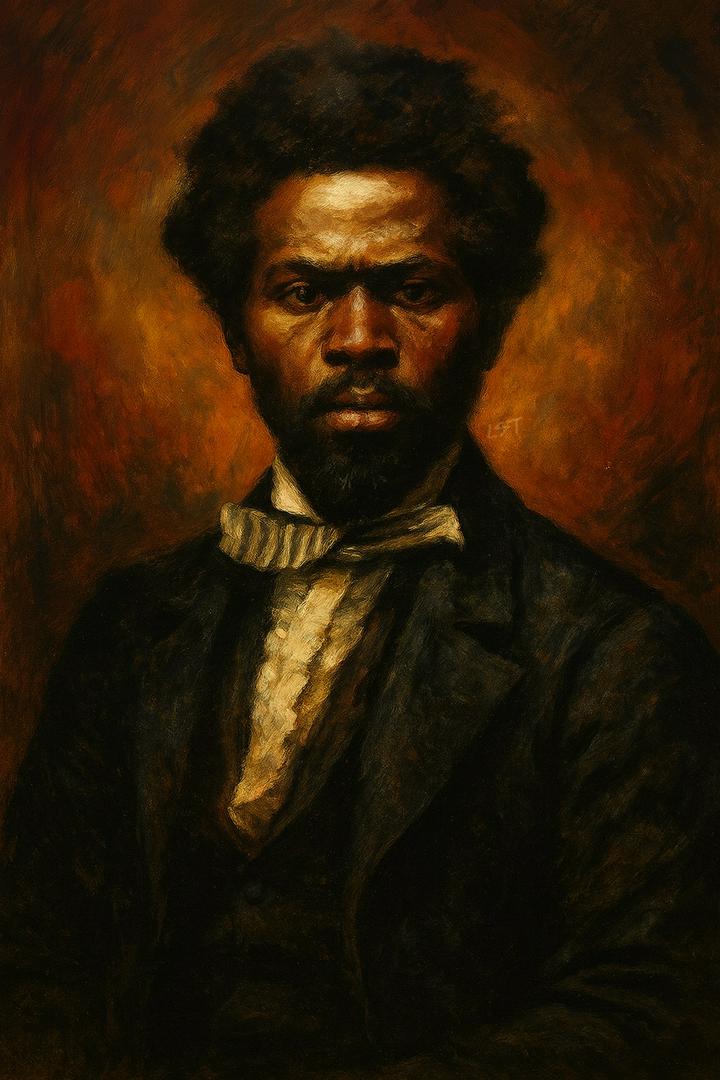
Robert Smalls and the Night He Took His Freedom Into His Own Hands

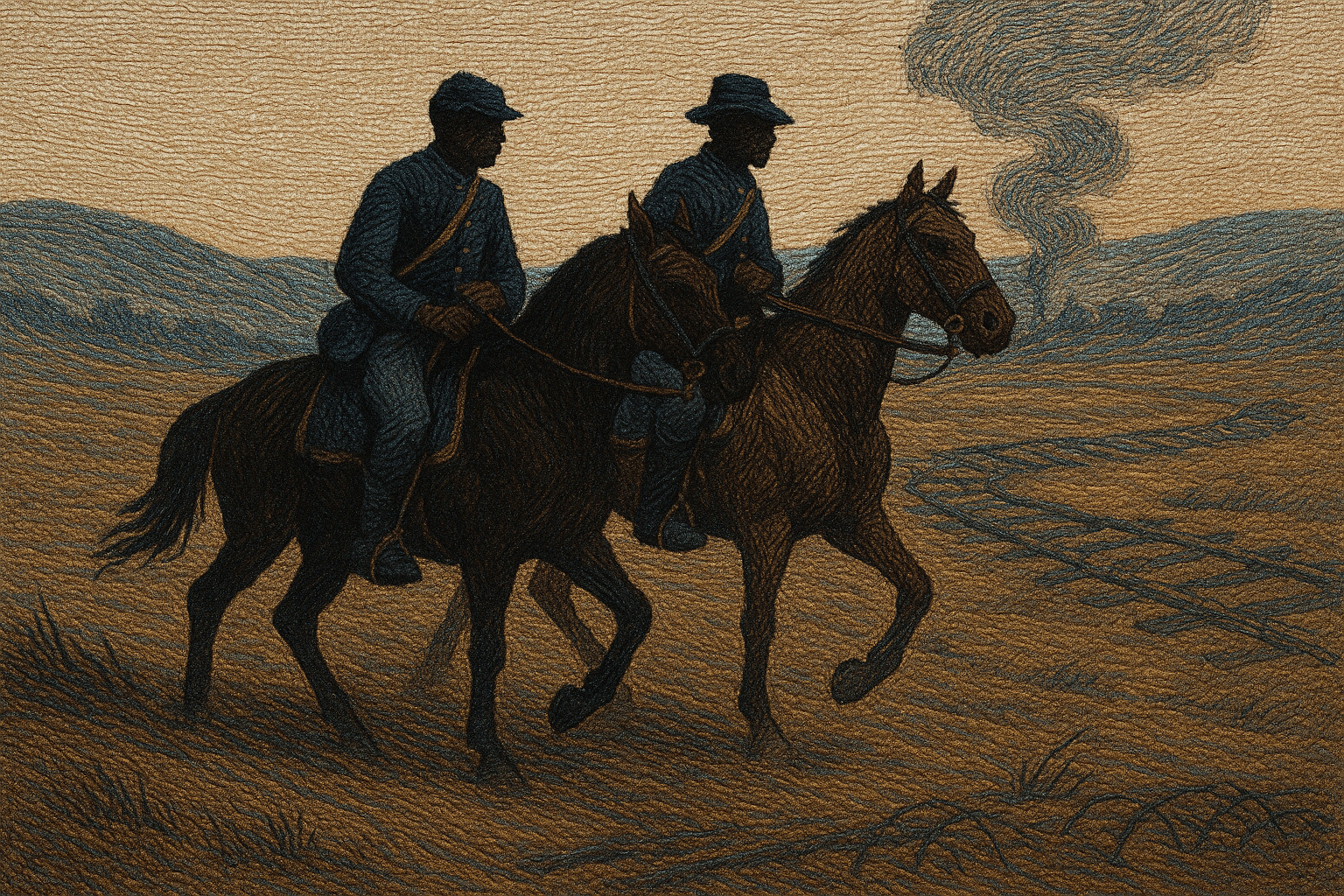
In 1862, Robert Smalls made a decision that changed everything. He was enslaved. He was forced to work on a Confederate warship. And he understood the risks better than anyone. One night, when the opportunity came, he took it. Smalls put on the captain’s coat, steered the ship away from Confederate control, and sailed it toward Union lines. He moved past multiple checkpoints by keeping his focus steady and his timing exact. He didn’t leave his family behind. He didn’t leave the others behind. He used that moment to free everyone he could reach. That part matters. It says a lot about who he was. Afterward, he continued to serve. He worked with the Union. He built businesses. He entered public office. He reshaped the future of his community. His story didn’t end with escape. It expanded. And this is the type of history that should be known widely. It’s not a myth. It’s documented. It’s powerful. And it deserves more space than it gets. #HistoryUncovered #AmericanHistory #HiddenChapters #LegacyAndTruth #LearnSomethingNew #LataraSpeaksTruth #TodayInHistory #RealStories

Robert Smalls and the Night He Took His Freedom Into His Own HandsRobert Smalls and the Night He Took His Freedom Into His Own Hands
The Story Behind...

Atheism didn’t start as a movement. It started as a word… one ancient societies used to describe anyone who rejected the local gods. In ancient Greece, philosophers like Diagoras of Melos and later Epicurus were called “atheoi” simply because they questioned divine power, fear, and superstition. Back then, not believing in the gods wasn’t about rebellion… it was about curiosity. For centuries, open disbelief was dangerous. In medieval Europe, denying God could get you punished, exiled, or killed. Most people kept their doubts silent, and philosophy stayed tightly tied to religion. Everything shifted during the Enlightenment in the 1600s and 1700s. Thinkers like David Hume and Denis Diderot pushed reason, science, and evidence. They questioned old explanations… not to offend anyone, but to understand the world without fear. As science expanded, more people felt comfortable separating faith from natural events. Modern atheism grew from that era: people choosing not to believe because they didn’t find evidence convincing, or because they preferred rational explanations. Today, atheism isn’t one belief system. It includes lifelong nonbelievers, people who left religion, people who believe in spirituality but not gods, and people who simply don’t think about religion at all. At its core, atheism is less about rejecting others and more about how a person makes sense of the world. It’s one of many ways humans try to answer the biggest question we all face… why are we here, and what does it all mean? #TheStoryBehind #HistoryFacts #HumanBeliefs #CulturalHistory #LearnSomethingNew #StoryTime

The Story Behind...

People have been pouring their secrets onto paper for thousands of years, long before cute notebooks and lock-and-key diary sets ever existed. Ancient civilizations kept personal journals to record dreams, prayers, confessions, and warnings for the future. These weren’t just “dear diary” moments… they were survival notes. People wrote to remember what their minds tried to forget. By the Middle Ages, diaries turned into a quiet rebellion. When you couldn’t speak freely in public, you spoke on the page. When society told you to stay quiet, the ink said otherwise. And when real life got too heavy, the diary became the one place you could say the truth without getting judged, punished, or silenced. In the 1800s, diaries became more personal and emotional, especially for women and young people whose voices the world didn’t value yet. Their diaries became proof that they lived, felt, loved, struggled, and survived in ways history books didn’t care to record. A lot of what we know about everyday life back then comes from people who never thought anyone would read their pages. Today, diaries look different—notes apps, voice memos, private folders, journaling apps—but the purpose is the same. A diary is the place you tell the truth you don’t feel safe saying out loud. It’s where you sort your emotions before they spill out in the wrong direction. It’s where you keep track of who you used to be and who you’re becoming. No matter what the world looks like, people will always need a place to put their heart when it feels too full. Diaries aren’t just books… they’re mirrors, release valves, healing tools, and time capsules of our inner world. #TheStoryBehind #Diaries #HistoryFacts #DidYouKnow #LearnSomethingNew

The Story Behind...

Marriage didn’t start as a love story. It started as a contract… a business deal… a way to link families, land, power, and survival. Thousands of years ago, people didn’t say “I do” for romance. They married to secure food, safety, alliances, and heirs. It was a strategy, not a celebration. In ancient civilizations, marriage tied entire communities together. Families traded daughters to settle debts. Landowners used marriage to gain more land. Kings used it to enlarge their kingdoms without starting a war. Love wasn’t the point. Stability was. As time passed, different cultures shaped marriage into what fit their world. Some allowed multiple spouses. Some treated wives like property. Some built strict rules about who could marry who. And for a long time, the husband held almost all the legal power. Women stepped into marriage with very few rights because the world was built that way. The shift toward love came much later. When people began choosing partners for affection, marriage slowly changed. By the 1800s and 1900s, marriages based on companionship became common. Women gained rights. Laws evolved. Marriage turned into more of a partnership than a contract. Today marriage looks different depending on where you stand. For some, it’s sacred. For some, it’s tradition. For some, it’s optional. And for others, it’s a reminder that relationships take more than a ceremony. Marriage carries thousands of years of history inside it… the pressure, the expectations, the hope, the fear, and the dream that two people can build something stronger than what life throws at them. Marriage didn’t begin with love, but it has survived because people kept trying to make love part of it. #TheStoryBehind #MarriageHistory #HumanTraditions #LearnSomethingNew #WhyWeDoThis

The Story Behind...

The Bible didn’t arrive as one finished book. It grew over thousands of years, starting with stories passed by mouth long before ink touched paper. Different cultures wrote down histories, laws, poems, warnings, and visions. Those writings were copied, translated, debated, and protected through wars, migrations, and destroyed kingdoms. Nothing about it was quick or simple. The earliest pieces came from ancient Israel, written on scrolls of animal skin. Later, followers of Jesus wrote letters and accounts of his life. Communities kept the writings they believed carried truth, and over time, a collection formed. It wasn’t until centuries later that scholars gathered, argued, compared texts, and agreed on what should be included. That’s how the Bible became one book. Before printing existed, every copy was written by hand. It took months. One mistake meant starting over. People risked their lives to hide copies from governments who tried to stop them. The Bible survived fires, bans, and entire empires collapsing. When the printing press arrived, everything changed. For the first time, ordinary people could read it instead of relying on leaders to explain it. That freedom shaped countries, cultures, and beliefs all over the world. The Bible we see today is a layered history of faith, suffering, hope, and human hands doing their best to preserve something sacred. Whether someone reads it for religion, history, wisdom, or curiosity, it carries the weight of thousands of years of people trying to understand life, death, and what it all means. #TheStoryBehind #BibleHistory #AncientTexts #HiddenHistory #LearnSomethingNew #NewsBreakCommunity #DidYouKnow
The Story Behind...

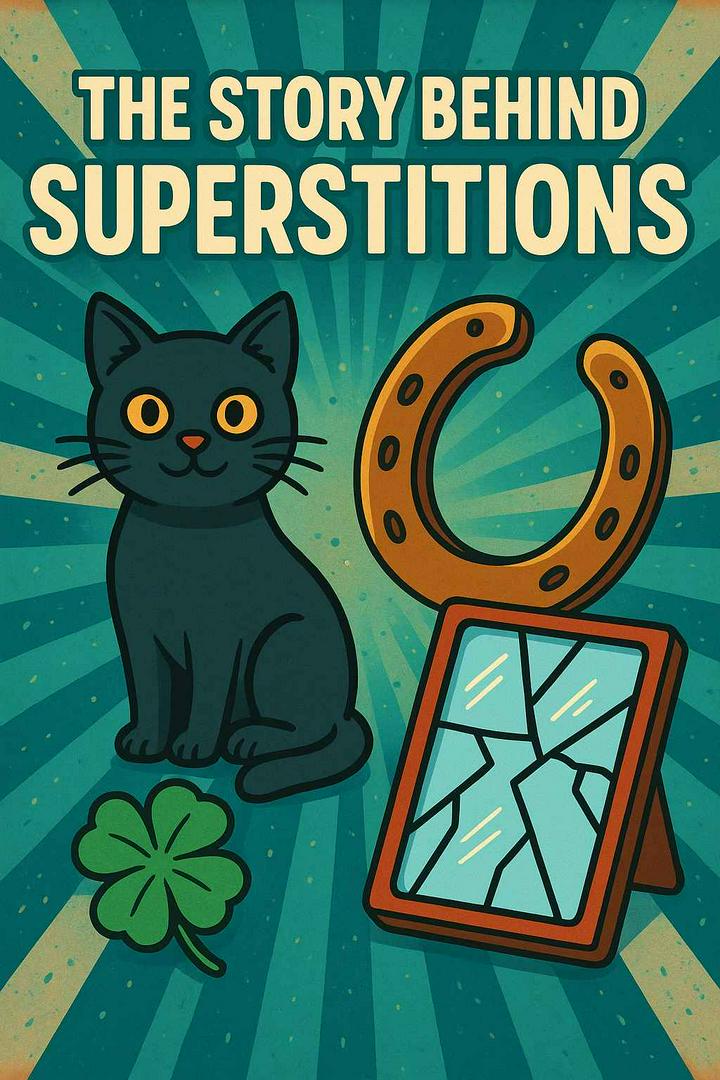
Superstitions didn’t start because people were silly… they started because people were scared. Long before science, humans had no choice but to explain the world the best way they could. If crops failed, storms hit, or someone got sick, people needed a reason. And when you don’t have facts, you make meaning. Superstitions became survival tools — rules to help people feel safe in a world they couldn’t control. Black cats, broken mirrors, knocking on wood, throwing salt, lucky charms… none of that came from “fun sayings.” These came from fear, religion, rituals, and old beliefs passed down for hundreds or even thousands of years. People thought spirits lived in trees, so knocking on wood asked for protection. Mirrors were once made with metal, and people believed they held your soul — so breaking one meant breaking yourself. Cats were connected to gods in Egypt, witches in Europe, and luck everywhere else. Over time, superstitions spread through villages, families, and cultures. Some kept people safe — like avoiding ladders (they really are dangerous). Others just comforted people when life was unpredictable. In a harsh world, believing in “signs” and “luck” made the unknown feel a little less scary. Even today, with all the science in the world, people still follow superstitions without thinking. We say “knock on wood,” avoid the number 13, don’t open umbrellas indoors, won’t walk under ladders, keep good-luck charms, and feel weird when a black cat crosses our path. It’s proof of how deeply human it is to want control… even if it’s just by following a small ritual. Superstitions survived because fear survived… and comfort survived with it. #TheStoryBehind #Superstitions #HiddenHistory #LearnSomethingNew

LataraSpeaksTruth

The Day Conviction Faced The Gallows: John Brown’s Last Stand

On December 2, 1859, John Brown was led to the gallows for choosing a path this country wasn’t ready to face. He believed that no human being should live in chains. He believed that freedom wasn’t selective. He believed action mattered more than silence. They called him a traitor. They called him dangerous. But the only thing he betrayed was a system that protected slavery. Brown walked toward his execution with a calm that confused his enemies. No panic. No fear. He stood steady in the belief that his death might shake the conscience of a nation that refused to look itself in the mirror. Whether people agree with his methods or not, the truth is simple… he took a stand most were too afraid to take. And history remembers the ones who didn’t flinch. John Brown’s last day wasn’t just an ending. It was a spark. The kind that forces people to choose between comfort and conscience. Some stories get quieter over time. This one shouldn’t. #johnbrown #darkhistory #HistoryMatters #AmericanHistory #UntoldStories #LearnSomethingNew

The Day Conviction Faced The Gallows: John Brown’s Last Stand
The Story Behind...

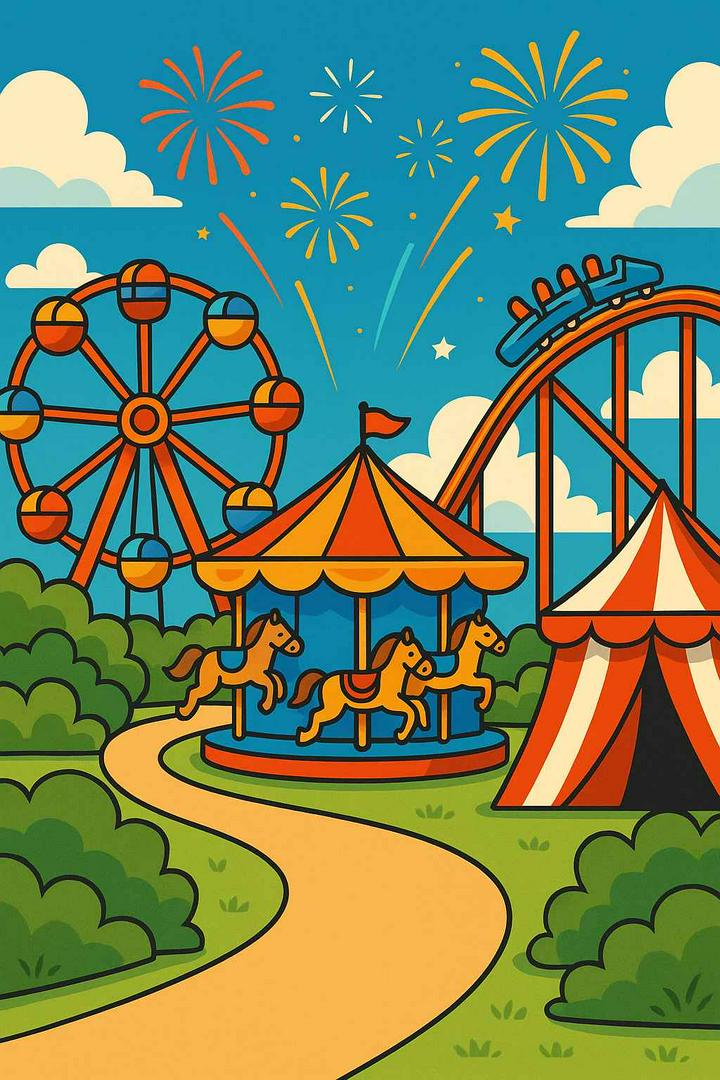
Roller coasters… cotton candy… long lines… and that one uncle who always swears he’s “not getting on that ride.” Theme parks feel modern, but the idea goes way back. The earliest versions appeared in medieval Europe with “pleasure gardens,” places where people listened to music, watched performers, and escaped their everyday lives. One of the most famous was London’s Vauxhall Gardens, which opened in the 1600s and featured shows, art displays, fireworks, and food stalls… the blueprint for everything we call entertainment today. By the late 1800s, America got in on it. Coney Island changed the game with giant rides, electric lights, and attractions people traveled miles to see. Its success inspired cities everywhere to build their own amusement parks. Then in 1955, Disneyland opened and transformed the entire industry. It wasn’t just rides anymore… it was storytelling. Every corner had a theme, a world, a feeling. It set the standard for what a theme park could be. Today they’re bigger, faster, louder, and more immersive, but the purpose hasn’t changed. Theme parks give people a break from reality… a space where adults can be kids again and kids can feel like the world is magic. The story behind them is simple… humans have always needed fun, wonder, and a place that lets the imagination run wild. Fun has a history too. Here’s where theme parks really began. #TheStoryBehind #ThemeParks #HistoryFacts #DidYouKnow #FunFacts #ConeyIsland #Disneyland #AmusementParks #LearnSomethingNew #CommunityPost

You've reached the end!