Tag Page HistoryMatters

#HistoryMatters
LataraSpeaksTruth

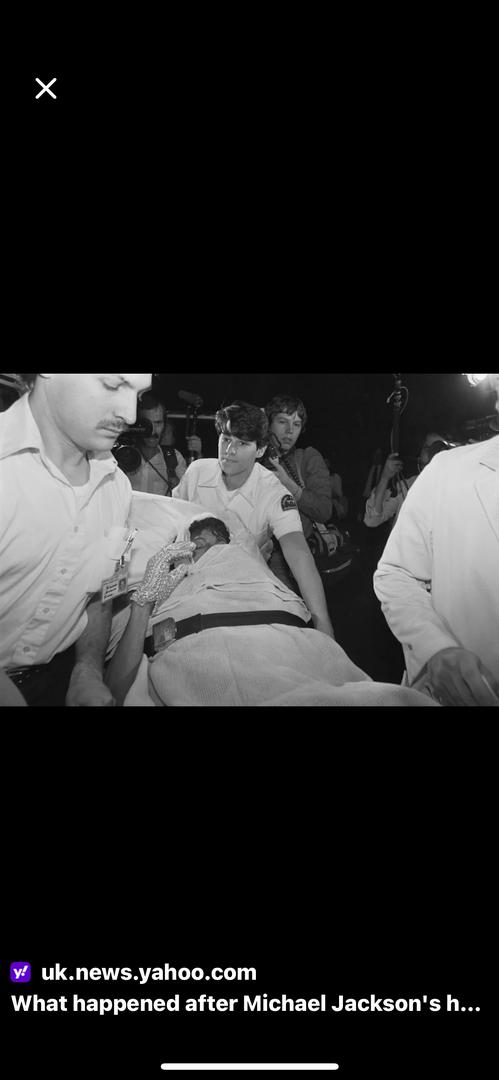
January 27, 1984 is one of those dates that doesn’t get enough weight, but it should. On this day, Michael Jackson was seriously injured while filming a commercial that was meant to celebrate his superstardom, not endanger his life. During a Pepsi commercial shoot, pyrotechnics misfired and ignited his hair, setting his scalp on fire in front of a live audience and crew. What should have been a routine take turned into a medical emergency in seconds. Michael suffered second and third degree burns to his scalp and was rushed to the hospital. The physical injuries were severe, but the aftermath mattered just as much. This incident marked a turning point in his health, introducing chronic pain and medical treatments that would follow him for the rest of his life. It’s often discussed in passing, but rarely examined for what it truly was…a traumatic event that happened at the height of his pressure, fame, and isolation. At the time, Michael was not just an artist. He was the face of global pop culture, carrying expectations that never paused, even after he was burned. The show went on publicly, but privately, this incident cracked something open. Pain management, stress, and relentless scrutiny became part of the story from that point forward. January 27 isn’t about spectacle. It’s about remembering that even icons bleed, burn, and suffer consequences long after the cameras stop rolling. This wasn’t a footnote. It was a moment that altered the trajectory of a life the world felt entitled to consume without limits. History isn’t just what we celebrate…it’s also what we overlook. #OnThisDay #January27 #MichaelJackson #MusicHistory #PopCultureHistory #EntertainmentHistory #UntoldMoments #BehindTheScenes #CulturalHistory #HistoryMatters
LataraSpeaksTruth

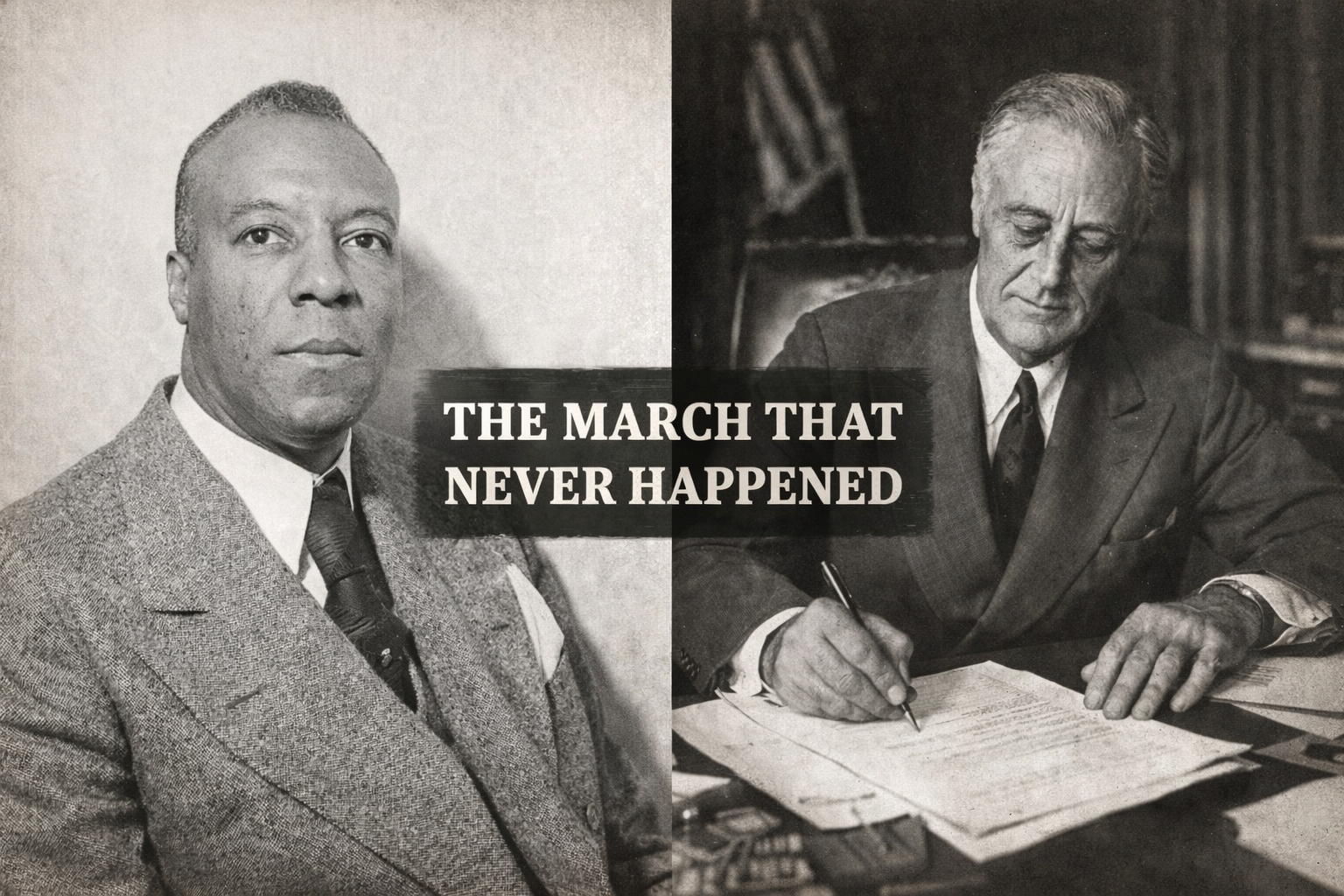
In 1941, as the United States ramped up for World War II, Black workers were largely excluded from defense industry jobs despite the surge in federal contracts and factory expansion. Segregation and discrimination were openly enforced, even as the nation claimed to be fighting for democracy overseas. A. Philip Randolph, president of the Brotherhood of Sleeping Car Porters, challenged that contradiction head-on. He understood that moral appeals alone would not move power… leverage would. Randolph issued a call for a March on Washington, proposing to bring tens of thousands of Black workers to the nation’s capital to protest discriminatory hiring practices in defense industries and federal employment. This was not a symbolic gesture. It was a calculated show of force rooted in labor organizing, discipline, and numbers. The message was unmistakable… access to wartime jobs was not negotiable, and equality would not be postponed for national convenience. The pressure reached the White House. Before the march could take place, President Franklin D. Roosevelt intervened. In June 1941, he signed Executive Order 8802, banning racial discrimination in defense industries and establishing the Fair Employment Practices Committee to investigate violations. It marked the first federal action against employment discrimination since Reconstruction. The March on Washington never happened. It didn’t need to. Roosevelt stepped in because the pressure was undeniable. Randolph called off the march because the demand had been met. The moment stands as proof that organized resistance does not always need to march to win… sometimes the threat alone is enough to force power to move. #APhilipRandolph #MarchOnWashington #ExecutiveOrder8802 #BlackLaborHistory #AmericanHistory #WWIIHomeFront #FairEmployment #CivilRightsBeforeTheMovement #HistoryMatters

LataraSpeaksTruth

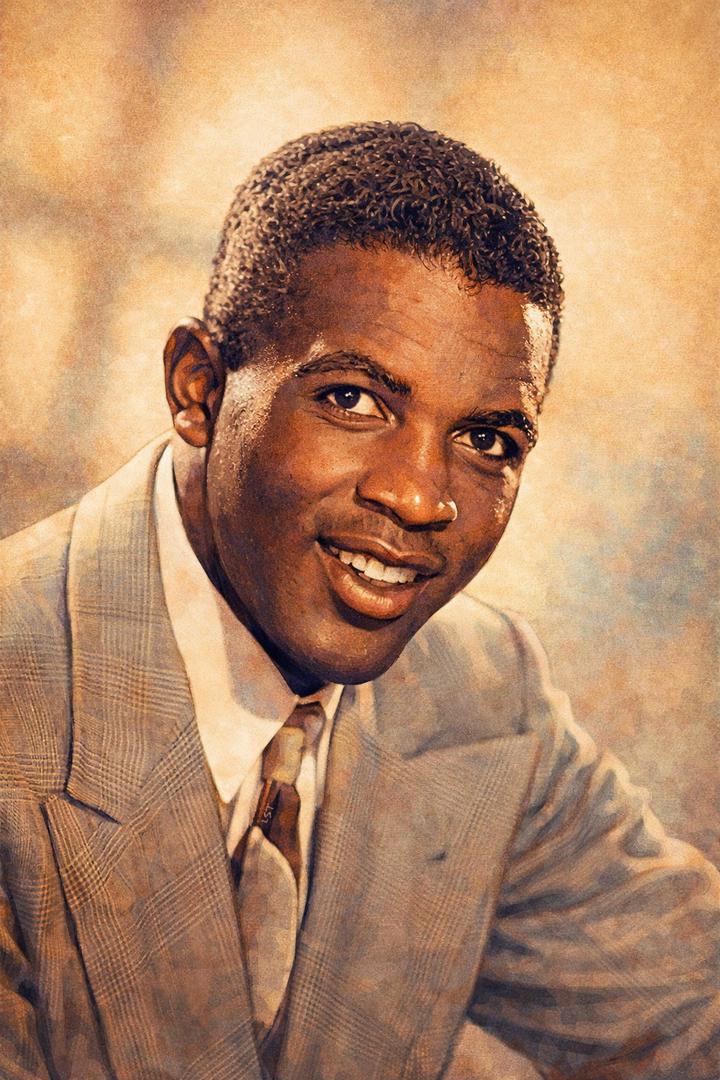
On January 23, 1962, Jackie Robinson was elected to the National Baseball Hall of Fame, becoming the first Black player ever inducted. The announcement marked more than a personal achievement…it was institutional acknowledgment of a man who changed the structure of American sports and forced the nation to confront itself. Robinson’s career with the Brooklyn Dodgers lasted just ten seasons, but its impact was permanent. When he broke Major League Baseball’s color barrier in 1947, he entered a league that was not prepared to accept him and often hostile toward his presence. He endured abuse from fans, opposing players, and even teammates, while being expected to respond with restraint, discipline, and excellence. He did all three. On the field, Robinson was relentless. Rookie of the Year. Six-time All-Star. National League MVP. World Series champion. But statistics alone cannot explain why his election mattered. Robinson represented a shift in who was allowed to belong, who could lead, and who could be honored by America’s most guarded institutions. His Hall of Fame election came while he was still alive, still outspoken, and still pushing for civil and economic equality beyond baseball. It was not a sentimental gesture…it was a recognition that the game itself had been transformed by his courage. Cooperstown could no longer tell its story honestly without him. Jackie Robinson did not just open a door. He stood in the doorway long enough for others to walk through, even when the cost was high. History remembers January 23, 1962 as the moment baseball formally admitted what the world already knew…the game would never be the same. #JackieRobinson #OnThisDate #BaseballHistory #HallOfFame #SportsHistory #AmericanHistory #Legacy #HistoryMatters

LataraSpeaksTruth

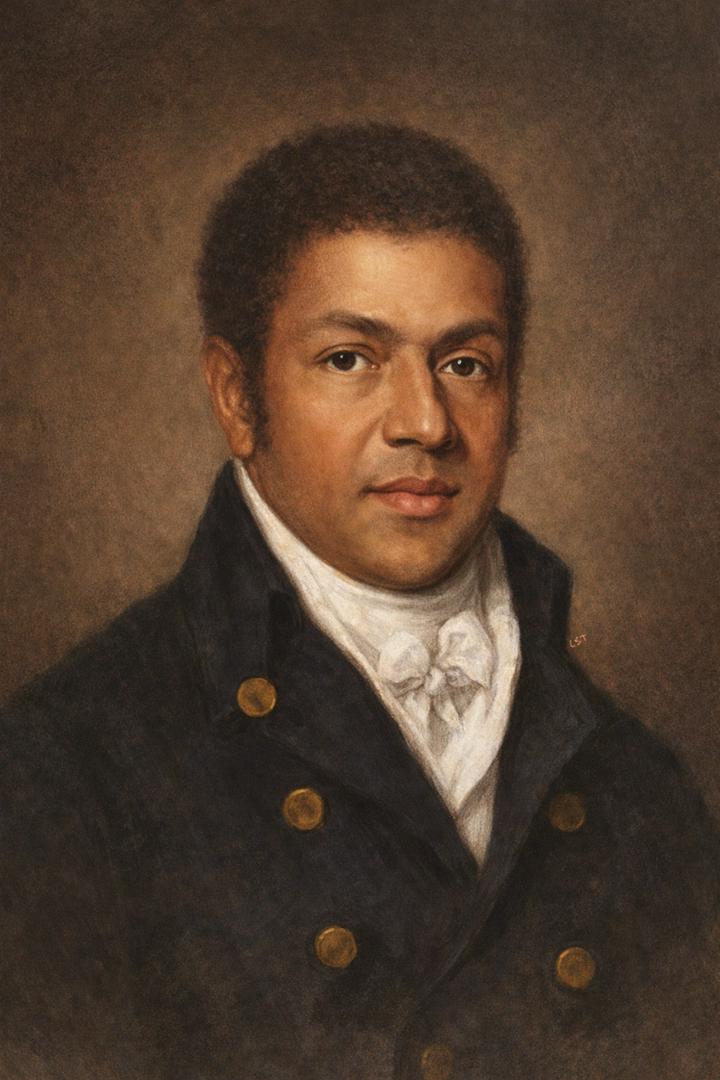
January 17, 1759 marks the birth of Paul Cuffee, a man who quietly rewrote the rules long before the word civil rights ever existed. Born to a formerly enslaved African father and a Native American mother, Cuffee grew up in a world that insisted he stay small. He did the opposite. He taught himself navigation and business, became a skilled shipbuilder, and rose to prominence as a successful merchant captain at a time when most people who looked like him were legally boxed out of power, property, and possibility. Cuffee did not just accumulate wealth. He treated it as a responsibility. In Massachusetts, he helped establish one of the earliest integrated schools in the region, believing education should not be gated by race or class. This was not symbolic. It was practical. He wanted future generations prepared to govern themselves, earn independently, and move through the world with dignity rather than permission. His vision stretched beyond American borders. Deeply influenced by ideas of self determination, Cuffee supported Black-led efforts to resettle free Black people in West Africa, helping finance an early return to Sierra Leone. Unlike later colonization schemes imposed by others, Cuffee imagined this as a voluntary path toward autonomy, economic stability, and global connection for people denied full belonging in the United States. What makes Paul Cuffee remarkable is not just what he believed, but how early he believed it. Long before emancipation. Long before integration was law. Long before freedom was even promised. He lived proof that leadership, intellect, and global vision were already present, even when history tried to pretend otherwise. #PaulCuffee #BlackHistory #EarlyAmerica #MaritimeHistory #Entrepreneurship #EducationMatters #SelfDetermination #ForgottenFigures #HistoryMatters

LataraSpeaksTruth

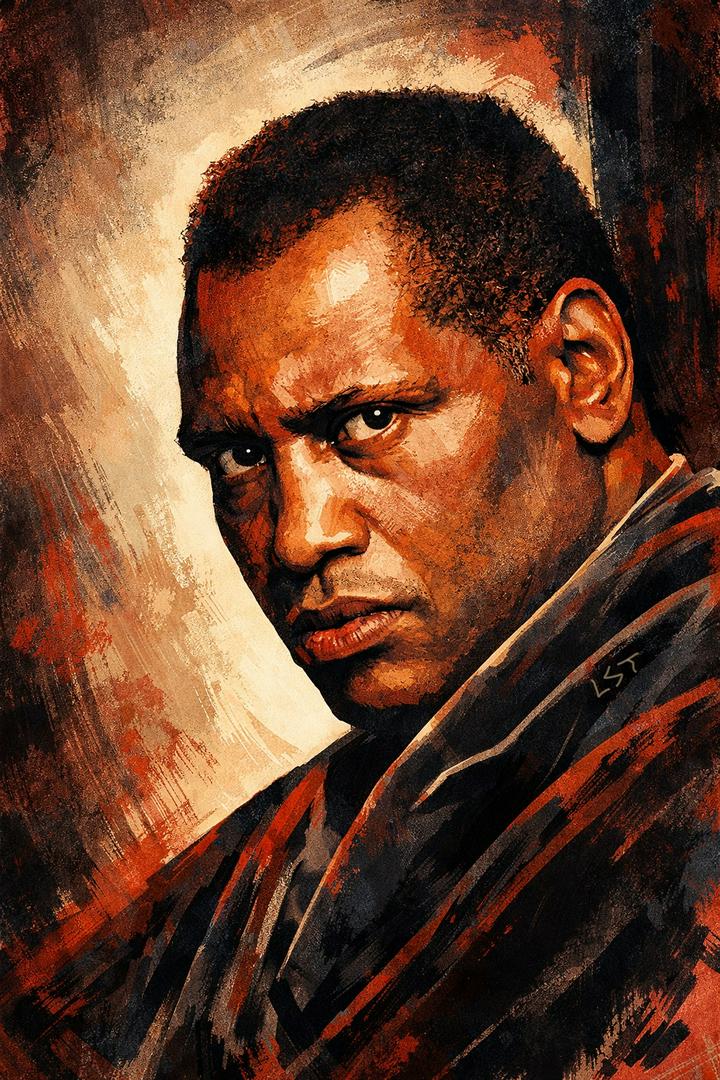
Paul Robeson was a reminder of what happens when extraordinary talent refuses to stay obedient. Robeson was never just one thing. He graduated from Rutgers University as valedictorian and became an All American athlete at a time when excellence from Black Americans was tolerated only when it stayed quiet and contained. He later emerged as a world renowned singer whose powerful bass voice filled concert halls across Europe, where audiences recognized his brilliance even as the United States struggled to acknowledge it. He was also a celebrated actor who expanded what presence, authority, and dignity could look like on stage and screen. That level of achievement could have secured comfort, wealth, and a carefully protected legacy. Many would have taken that deal. Robeson did not. He chose truth over approval. He spoke openly about racial violence in the United States and connected it to colonial oppression abroad. He challenged fascism overseas while calling out hypocrisy at home. He rejected the idea that freedom could exist if it was selectively applied. To Robeson, democracy without equality was performance, not principle. That honesty carried consequences. The U.S. government revoked his passport. Concert venues closed their doors. Media outlets erased his name. His work was sidelined, his reputation deliberately distorted, and his voice muted, not because he lacked talent, but because his influence made power uncomfortable. Robeson understood something that still unsettles people today. Culture is political whether it admits it or not. Art without conscience is decoration. Dignity does not require permission. His life forced America to confront its contradictions. He paid a heavy price for refusing to bend, but history has a long memory. Voices rooted in truth do not disappear. They endure. They return. They echo. #PaulRobeson #BlackHistory #HiddenHistory #AmericanHistory #TruthTellers #CulturalHistory #Legacy #HistoryMatters #VoicesThatEcho

LataraSpeaksTruth

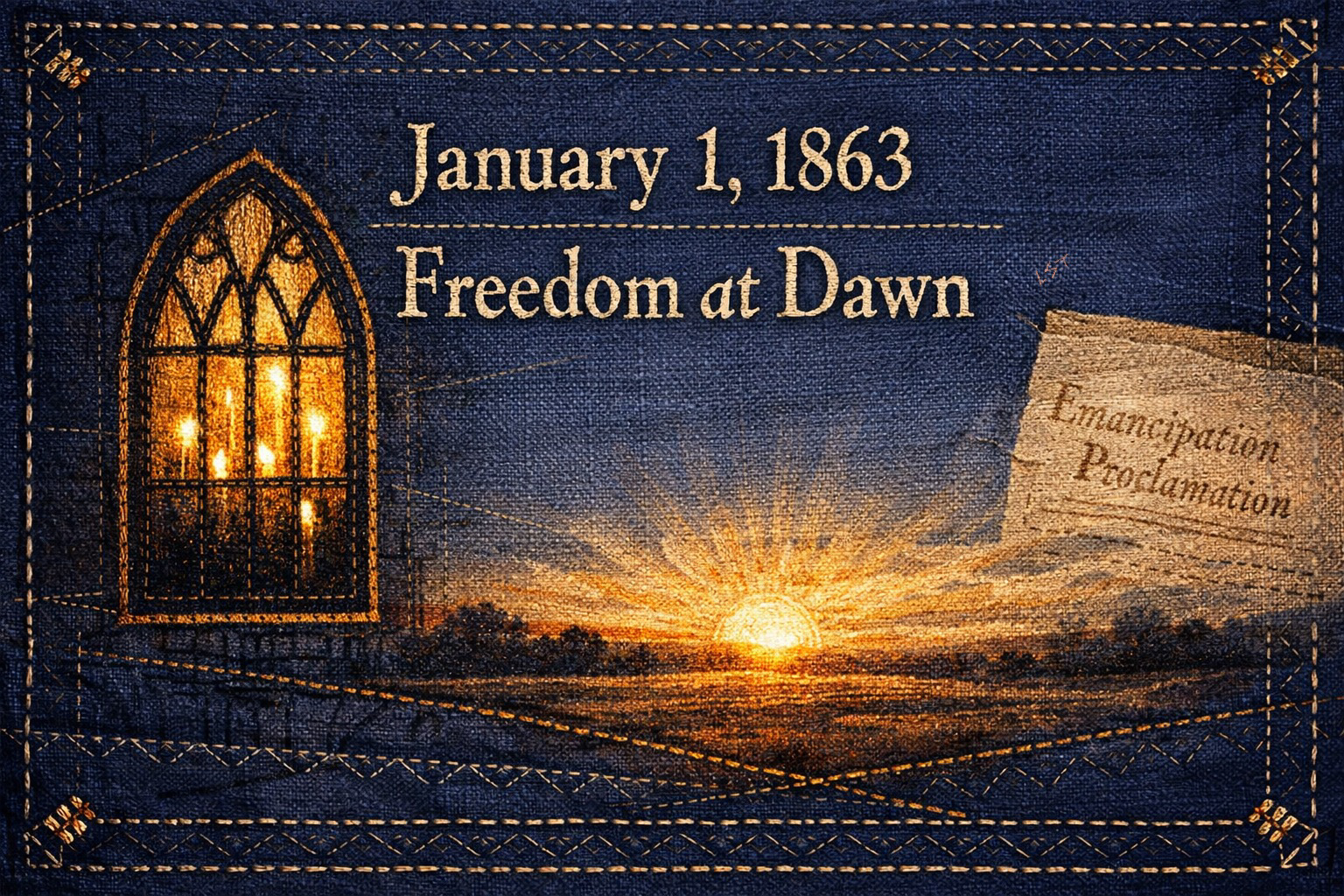
January 1, 1863 marked a turning point that was as complicated as it was historic. On that morning, the Emancipation Proclamation took effect under President Abraham Lincoln. It declared freedom for enslaved people in states still in rebellion against the Union. It did not apply everywhere. It did not free everyone. It did not end slavery outright. But it cracked the foundation of a system that had defined the nation for over two centuries. The night before, Black communities gathered for Watch Night services. Churches filled with people praying, singing, and waiting through midnight. This was not passive hope. It was survival sharpened by experience. Families knew freedom on paper did not guarantee safety in practice. Still, they watched the clock because symbolism matters. Timing matters. Midnight mattered. At dawn, freedom existed in law. By dusk, reality complicated it. Enforcement depended on Union military presence, and in many places Confederate control remained firm. Many enslaved people remained in bondage. Others faced retaliation, displacement, or danger as they moved toward Union lines. The proclamation was limited by design, framed as a wartime measure rather than a universal declaration. Even so, it transformed the Civil War. The fight was no longer only about preserving the Union. It became explicitly tied to ending slavery. It opened the door for Black men to serve in the Union Army and reframed enslaved people from property to persons in federal policy. It also signaled to the world that the United States had tied its war effort to a moral reckoning, however incomplete. January 1, 1863 was not the end of slavery. That came later, unevenly and violently, with resistance that still echoes today. But it was a hinge moment. A night of prayer turned into a morning of possibility. Freedom arrived at dawn on paper, by dusk in fragments, and only became real through human courage. #OnThisDay #January1 #EmancipationProclamation #WatchNight #BlackHistory

LataraSpeaksTruth

Happy New Year 2026. Before we step forward, I want to pause and say thank you. This year was not about chasing numbers. It was about consistency, honesty, and showing up even when it wasn’t easy. Because of you, this page reached milestones I never imagined when I started sharing history, context, and stories that deserve to be remembered. 12.6K followers. 14.4 million views. That isn’t luck. That is community. Thank you to everyone who read quietly, shared thoughtfully, commented respectfully, and stayed open to learning. Thank you to those who didn’t always agree but stayed engaged anyway. Thank you to the people who understood that history isn’t always comfortable, but it is always necessary. This space exists because you allow it to. Your attention, your curiosity, and your willingness to sit with truth made this possible. I don’t take that lightly. In 2026, we keep going. More context. More history. More clarity. More respect for the past and more responsibility for the present. Thank you for being here. Thank you for trusting me with your time. Thank you for helping this page grow into what it has become. Happy New Year. Let’s keep building. #HappyNewYear2026 #ThankYou #Grateful #Community #HistoryMatters #TruthMatters #NewYearReflection #ContentCreator #Milestones #LataraSpeaksTruth

LataraSpeaksTruth

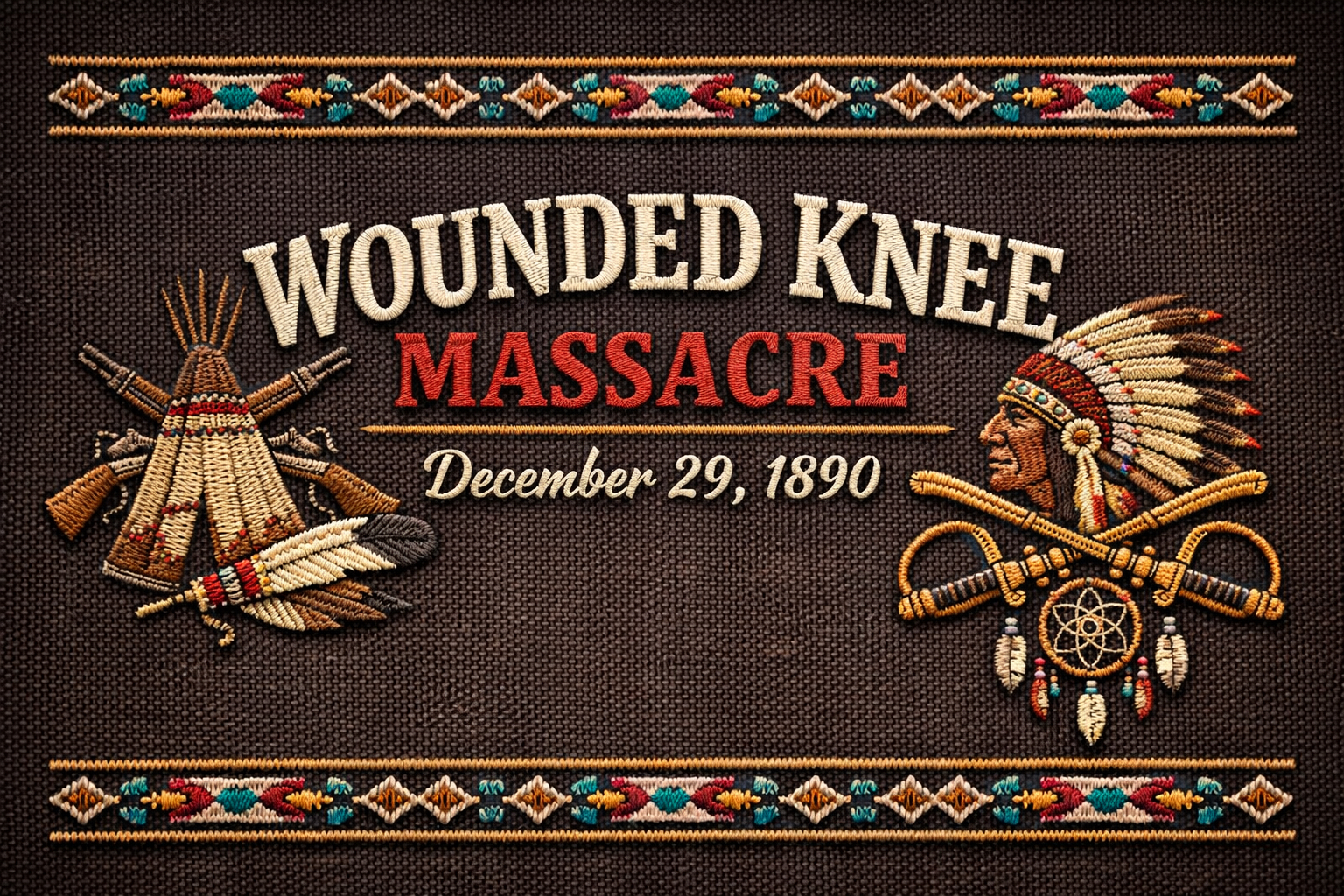
On December 29, 1890, U.S. Army troops from the 7th Cavalry surrounded a Lakota Sioux encampment near Wounded Knee on the Pine Ridge Reservation in South Dakota during a forced disarmament operation. Tensions escalated as soldiers attempted to confiscate weapons. After a single shot was fired under disputed circumstances, troops opened fire using rifles and Hotchkiss cannons. An estimated 150 to 300 Lakota men, women, and children were killed, many of them unarmed. As people fled, gunfire continued across the encampment. Numerous victims were later found frozen in the snow. The massacre occurred amid federal fear surrounding the Ghost Dance, a spiritual movement officials misinterpreted as a threat rather than a religious practice. Military force was deployed instead of diplomacy. Earlier that month, the killing of Lakota leader Sitting Bull intensified tensions across the region. Wounded Knee is widely regarded as marking the violent end of large scale Indigenous armed resistance on the Plains. No meaningful accountability followed, and several soldiers later received military commendations. Today, the massacre remains a defining example of state violence against Indigenous people and continues to shape debates about historical memory and justice in the United States. #WoundedKnee #December29 #USHistory #NativeHistory #Lakota #SouthDakota #HistoricalRecord #AmericanHistory #HistoryMatters

LataraSpeaksTruth

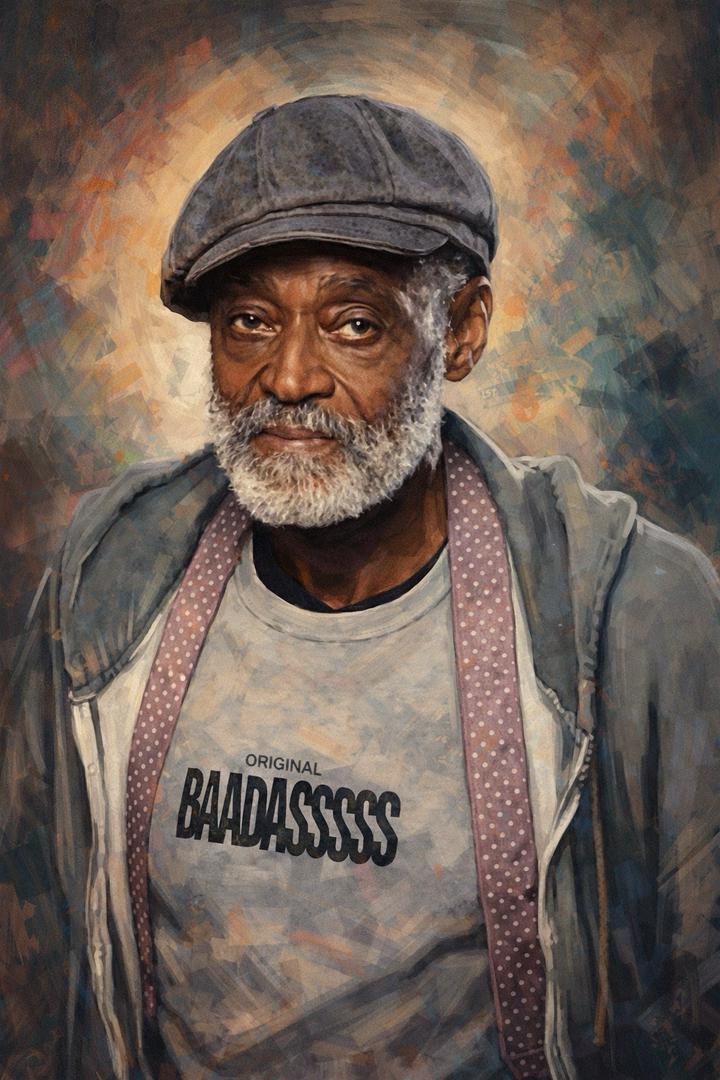
Melvin Van Peebles did not arrive in film through Hollywood. He arrived through language, theater, music, and survival. By the time Sweet Sweetback’s Baadasssss Song reached theaters in 1971, Van Peebles had already lived several creative lives…novelist, playwright, composer, actor. Each discipline sharpened his understanding of control, not fame. When mainstream studios rejected his vision, what followed wasn’t rebellion…it was calculation. He structured his film outside the studio system, retained ownership, and released it directly to the audiences who recognized themselves in it. The result became one of the most financially successful independent films of its era. Sweet Sweetback didn’t ask viewers to feel comfortable. It documented urgency, resistance, and motion during a period when communities were demanding visibility on their own terms. Its success forced Hollywood to acknowledge an audience it had ignored and underestimated. More importantly, it proved creative ownership could exist without institutional backing. Van Peebles wasn’t chasing inclusion…he was building infrastructure. His influence shaped a generation of filmmakers and laid the groundwork for what independent cinema could become. His legacy isn’t just artistic…it’s architectural. He didn’t simply tell stories. He changed how they could be made, owned, and protected. #MelvinVanPeebles #FilmHistory #IndependentFilm #CinemaLegacy #CreativeOwnership #CulturalImpact #HistoryMatters

LataraSpeaksTruth

December 24, 1989 sits inside a cultural shift that was already gaining momentum. Around this period, Sister Souljah was emerging into national visibility as part of a wave of Black women whose political voices were becoming impossible to ignore in media, hip hop, and public debate. This was not overnight attention. It was the result of sustained organizing, sharp analysis, and a refusal to dilute language for comfort. By the late 1980s, hip hop had become more than music. It was a public forum, and the media was struggling to manage voices that spoke outside approved boundaries. Sister Souljah entered that space fully aware of the consequences. She spoke plainly, challenged dominant narratives, and refused to perform respectability to be heard. What unsettled audiences was not only her message, but her presence as a young Black woman asserting intellectual authority in spaces that were not built for her leadership. December 1989 reflects a threshold moment. Conversations about power, accountability, and representation were becoming more visible and more confrontational. Black women were no longer content to be supporting voices in movements shaped by others. They were naming realities in real time and forcing public engagement. Sister Souljah’s rise during this period signaled that shift clearly. This moment matters because history does not move only through laws or elections. It moves through voices that refuse silence when silence is expected. December 24, 1989 stands inside that awakening, when speaking boldly became an act of record, not rebellion. #OnThisDay #December24 #1989 #CulturalHistory #MediaAndPower #WomenInHistory #PoliticalVoice #HipHopEra #HistoryMatters