Tag Page HistoryMatters

#HistoryMatters
LataraSpeaksTruth

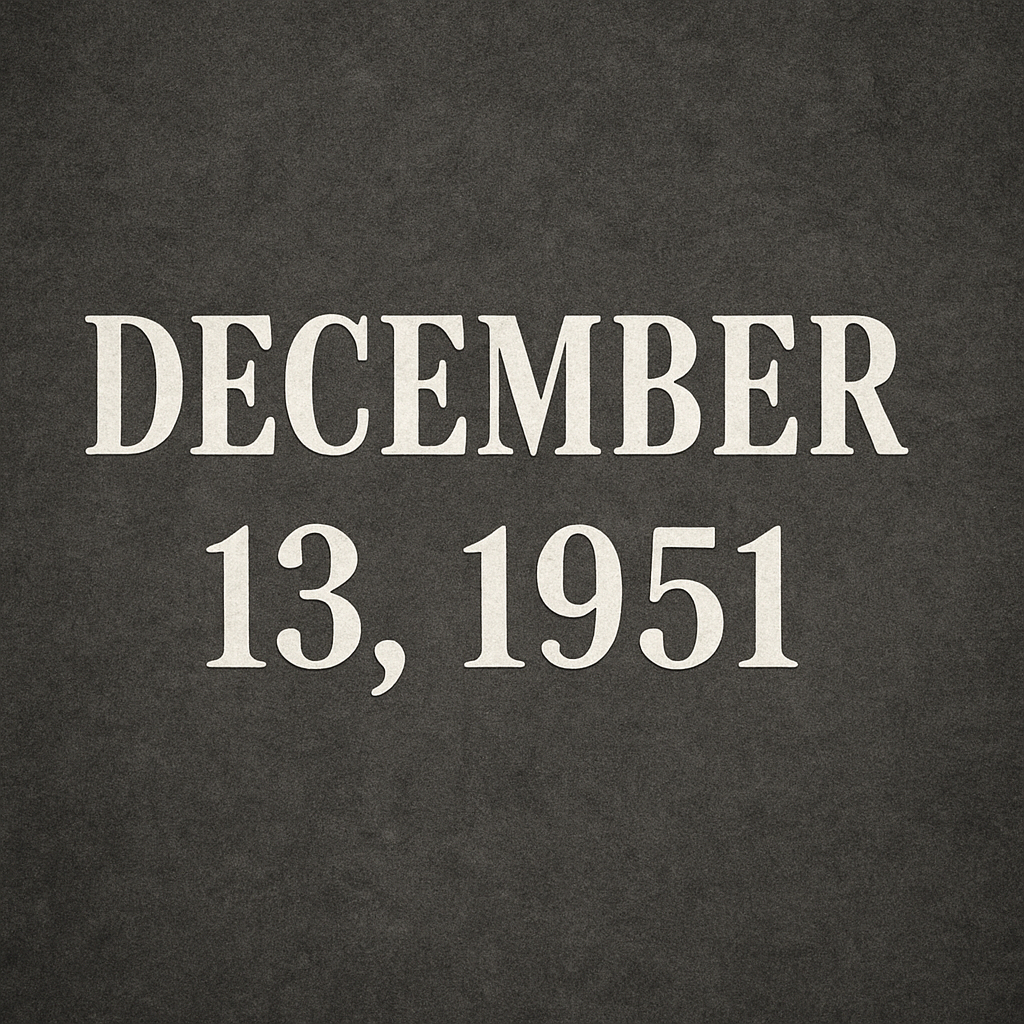
December 13, 1951 sits right in the middle of a quiet but dangerous shift in American history. During the early Cold War, civil rights organizations, including the NAACP, came under intensified federal scrutiny and state level attack. Under the banner of fighting communism, activism for equal rights began to be framed as a national security threat rather than a constitutional right. By this period, the NAACP was facing loyalty investigations, demands for membership lists, and legal pressure in multiple states. Southern legislatures moved to restrict or ban its operations outright, arguing that civil rights organizing was “subversive” or foreign influenced. These accusations were not supported by evidence, but they were effective. They chilled participation, endangered members, and slowed organizing efforts through fear and intimidation. This moment matters because it helped normalize surveillance as a tool against Black political organizing. The logic was simple and deeply flawed. If you challenge inequality, you must be dangerous. That mindset did not end in the 1950s. It laid groundwork for later monitoring of activists, community leaders, and movements well into the late twentieth century and beyond. December 1951 is not remembered for a single headline grabbing event, but for a pattern taking shape. Civil rights work was being recast as suspicious, unpatriotic, and worthy of government oversight. That reframing shaped how activism would be treated for generations and explains why many organizers learned to move carefully, document everything, and expect resistance not just from mobs, but from institutions. History is not only about what happened loudly. Sometimes the most lasting damage is done quietly, through paperwork, court orders, and labels that follow people long after the moment has passed. #HistoryMatters #ColdWarEra #CivilRightsHistory #NAACP #AmericanHistory #HiddenHistory #GovernmentSurveillance #BlackHistory

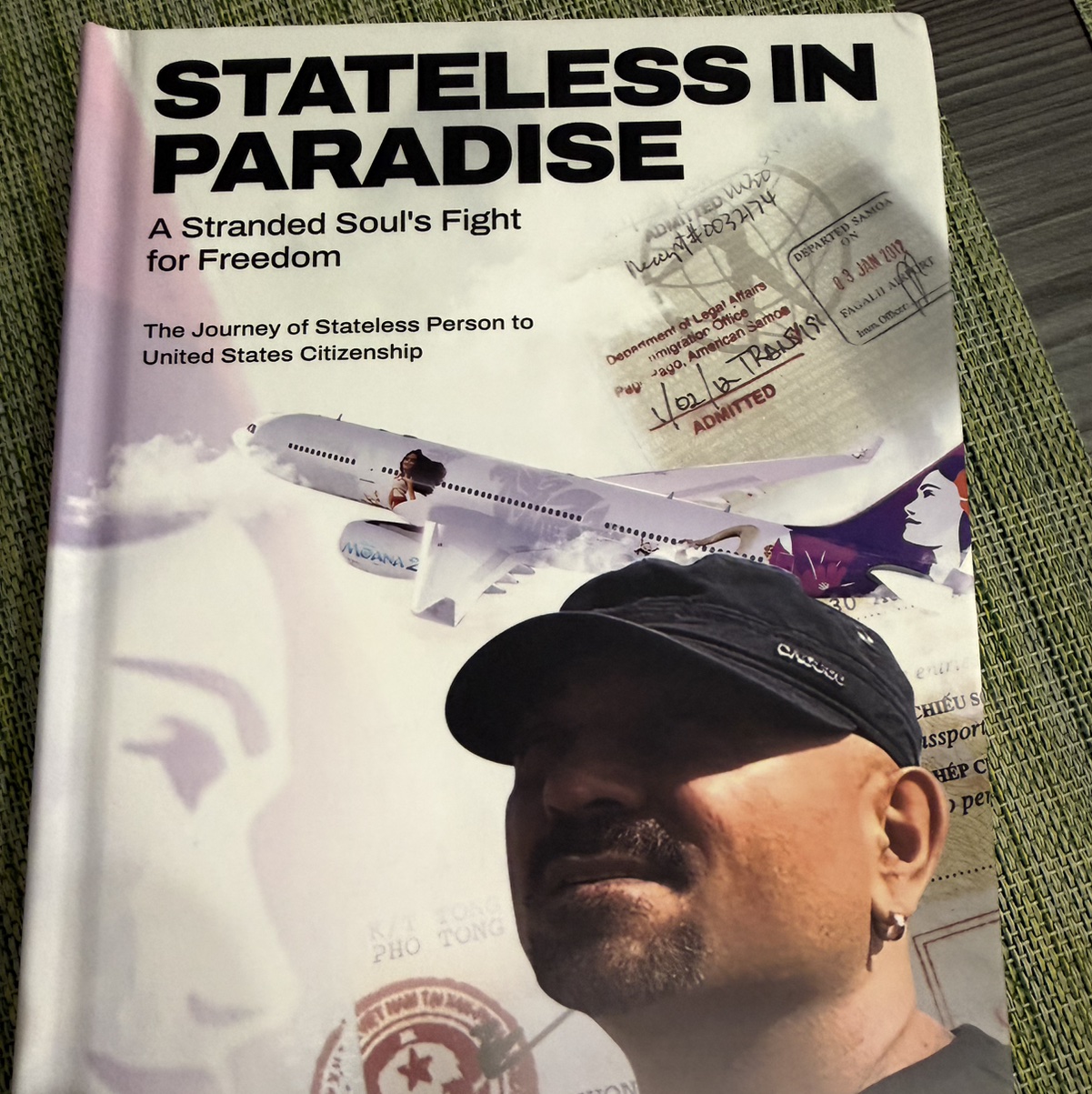
Stateless in Paradise

I often wonder when we will stop hating one another and begin choosing compassion. No matter our race, religion, nationality, or sexual orientation, we are all human beings. Before judging others, we should ask ourselves a simple question: How would I feel if I were treated the same way? What we are witnessing in the United States today is deeply troubling. This is painful because America is, at its core, a remarkable country—one built by immigrants. Its strength and prosperity come from people of different backgrounds who arrived here seeking safety, opportunity, and freedom, and who together built this nation. America’s history is young. This land belonged first to Native Americans. European settlers—many fleeing religious persecution—claimed it and formed new communities. Enslaved Africans were forcibly brought here and became central to the country’s foundation. Later, immigrants from Europe, Asia, Africa, and Latin America added their cultures, labor, and ideas. There is no single “pure” American identity. America is defined by diversity, not sameness. Yet today, people are attacked because of their skin color, religion, nationality, or whom they love. This is not faith, and it is not patriotism. Hatred contradicts the values many claim to defend, including Christianity, which teaches compassion and love for one’s neighbor. Hate does not make a nation stronger—it weakens it. Leadership matters. When leaders use dehumanizing language or spread fear, it normalizes cruelty and division. History shows that such rhetoric leads to instability, not security. Immigration debates also demand honesty. People migrate for reasons—war, poverty, persecution, or survival. At the same time, many Americans choose to live abroad for affordability or opportunity. Empathy should not stop at borders. #Humanity #Immigration #Politics #America #AmericanHistory #HistoryMatters #Compassion #Christianity #EuropeTravelTips #Migration #LoveNotHate #Karma #Identity
LataraSpeaksTruth

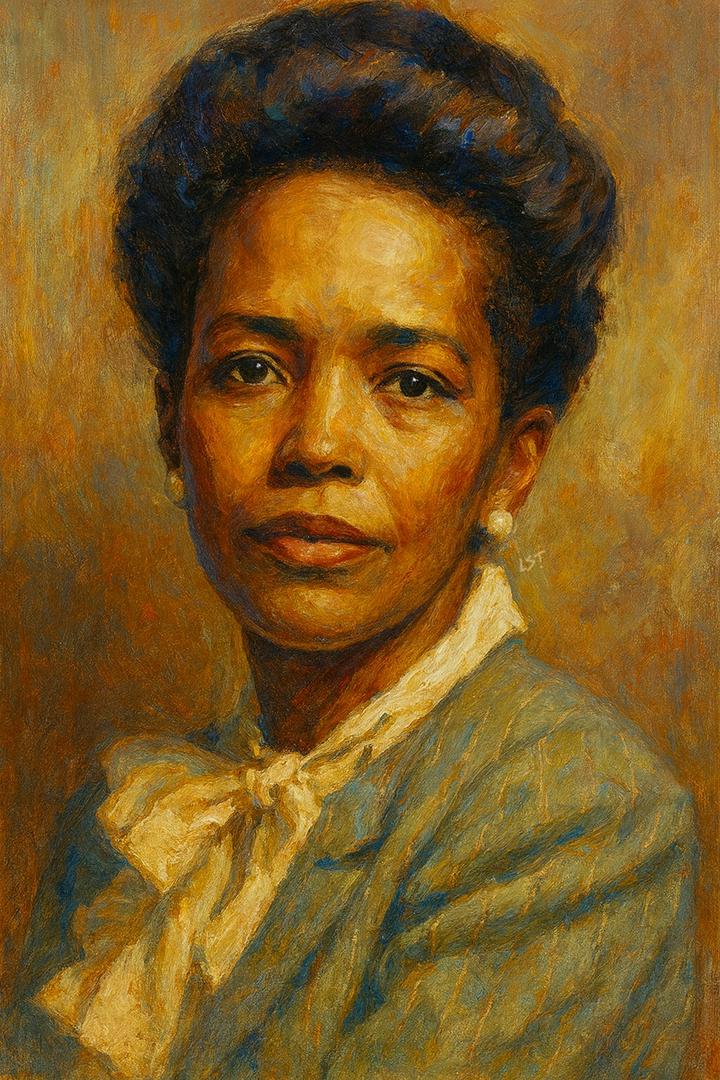
Ella Baker was born on December 13, 1903, and she died on December 13, 1986. Eighty three years, same date. That alone tells you this is someone worth pausing for. But her real legacy is not about dates. It is about how movements are built, and who actually holds them up. Ella Baker was a strategist, organizer, and political thinker who believed real change comes from ordinary people, not charismatic figureheads. She worked with the NAACP, helped launch the Southern Christian Leadership Conference, and later played a critical role in the formation of the Student Nonviolent Coordinating Committee. While others gave speeches, she built systems. While others stood at podiums, she stood in community meetings, kitchens, and church basements. She openly challenged the idea that movements need a single leader. Her philosophy was simple but radical. Strong people do not need strong leaders. They need tools, knowledge, and space to organize themselves. That belief shaped student activism across the South and helped fuel voter registration drives, grassroots education, and long term organizing that rarely made headlines but changed lives. Ella Baker was not interested in fame. She was interested in results. She pushed back when voices were ignored. She insisted women be taken seriously in organizing spaces. She believed young people were not the future of movements but the present. Many of the freedoms later generations benefited from were protected and expanded by work she helped guide, often without credit. Her story reminds us that history is not only made by the loudest voice in the room. Sometimes it is made by the one making sure everyone else is heard. December 13 is her day. And remembering her means remembering how change actually happens. #EllaBaker #OnThisDay #December13 #HiddenFigures #HistoryMatters #GrassrootsOrganizing #SNCC #NAACP #CivilRightsHistory #Leadership #WomenInHistory #OurHistory

LataraSpeaksTruth

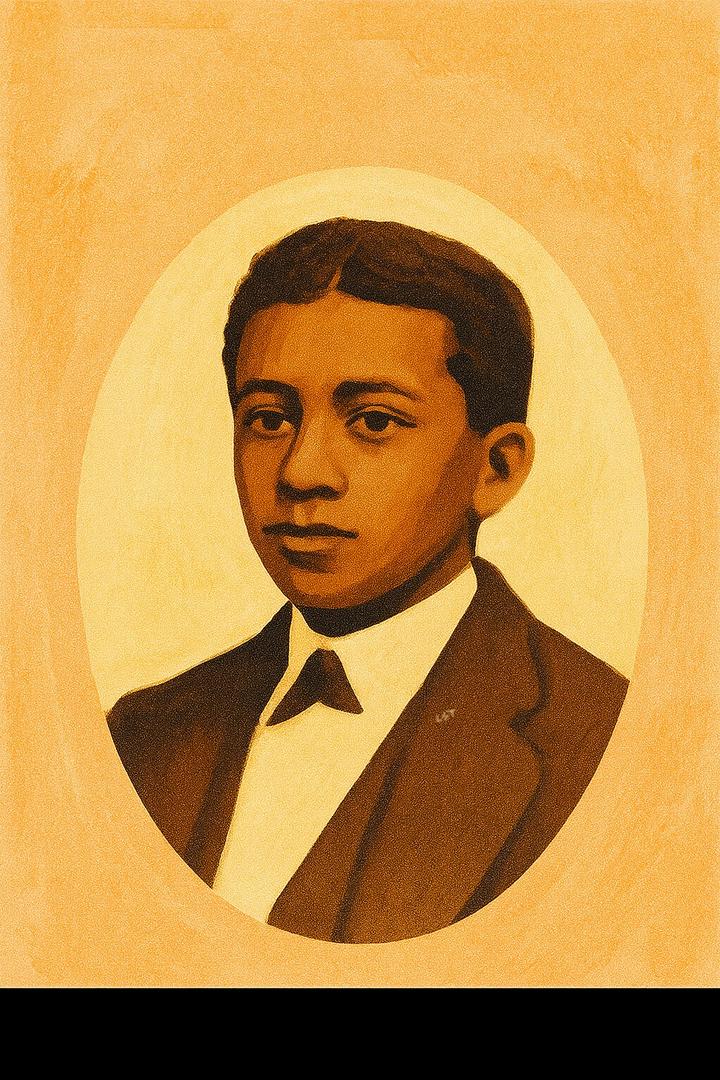
December 12, 1899 marks a quiet moment in history that barely registered at the time but went on to change an entire sport. On this date, Dr. George Franklin Grant was awarded a U.S. patent for an early version of the golf tee. Before this invention, golfers shaped small mounds of sand by hand for each drive, an inconsistent and time-consuming practice that defined the early game. Grant was not a professional golfer. He was a Harvard-educated dentist, a professor, and an inventor with a practical eye for everyday problems. His design used a wooden peg topped with a rubber cup, allowing the ball to be elevated at a consistent height. While simple, the idea made tee shots cleaner and more predictable. Although Grant held the patent, he never actively marketed the invention. He shared the tees informally with friends and fellow golfers, which meant the design never saw widespread commercial use during his lifetime. More than twenty years later, similar tees would be mass-produced and adopted worldwide, often without recognition of Grant’s earlier work. Today, the golf tee is so common that its origins are rarely considered. Grant’s 1899 patent is a reminder that meaningful change does not always arrive loudly, and that some innovations quietly reshape the way things are done. #ThisDayInHistory #December12 #GeorgeFranklinGrant #QuietInventions #HiddenHistory #AmericanInventors #GolfHistory #SportsInnovation #UnsungGenius #HistoryMatters

LataraSpeaksTruth

Michael Manley was born on December 10, 1924, in Jamaica, and rose into one of the most influential Caribbean leaders of the twentieth century. He built his politics on labor rights, economic justice, and the stubborn belief that working-class people deserved far more than society was handing them. His vision did not stop at Jamaica’s shoreline. It connected directly to global movements for Black liberation. Manley served as Jamaica’s Prime Minister across two major eras, and he spent those years challenging inequality, pushing bold social programs, and refusing to let marginalized communities stay invisible. He was not perfect. No leader is. Still, he chose to speak loudly on issues that made the powerful uncomfortable. He understood that Jamaica’s struggles were tied to the wider struggles of the African diaspora. He confronted colonial systems, called out racial injustice, and supported liberation movements in Africa and the Caribbean while many world leaders stayed silent. His courage energized activists in the United States who recognized their own fight in his. Including Manley in conversations about American history is not a stretch. It is a necessary correction. The Caribbean and the United States have always shared more than culture and migration. They have shared labor battles, resistance strategies, and a deep hunger for self-determination. Manley’s work belongs inside that history. To name him is to honor the truth. Liberation has never been a project contained by borders. It is a global story carried across oceans. Michael Manley’s chapter deserves to be read. Michael Manley shaped more than Jamaica. His leadership connected labor rights, global Black movements, and the long push for dignity across the African diaspora. #BlackHistory #OnThisDay #DiasporaHistory #CaribbeanLeaders #HistoryMatters #LataraSpeaksTruth

LataraSpeaksTruth

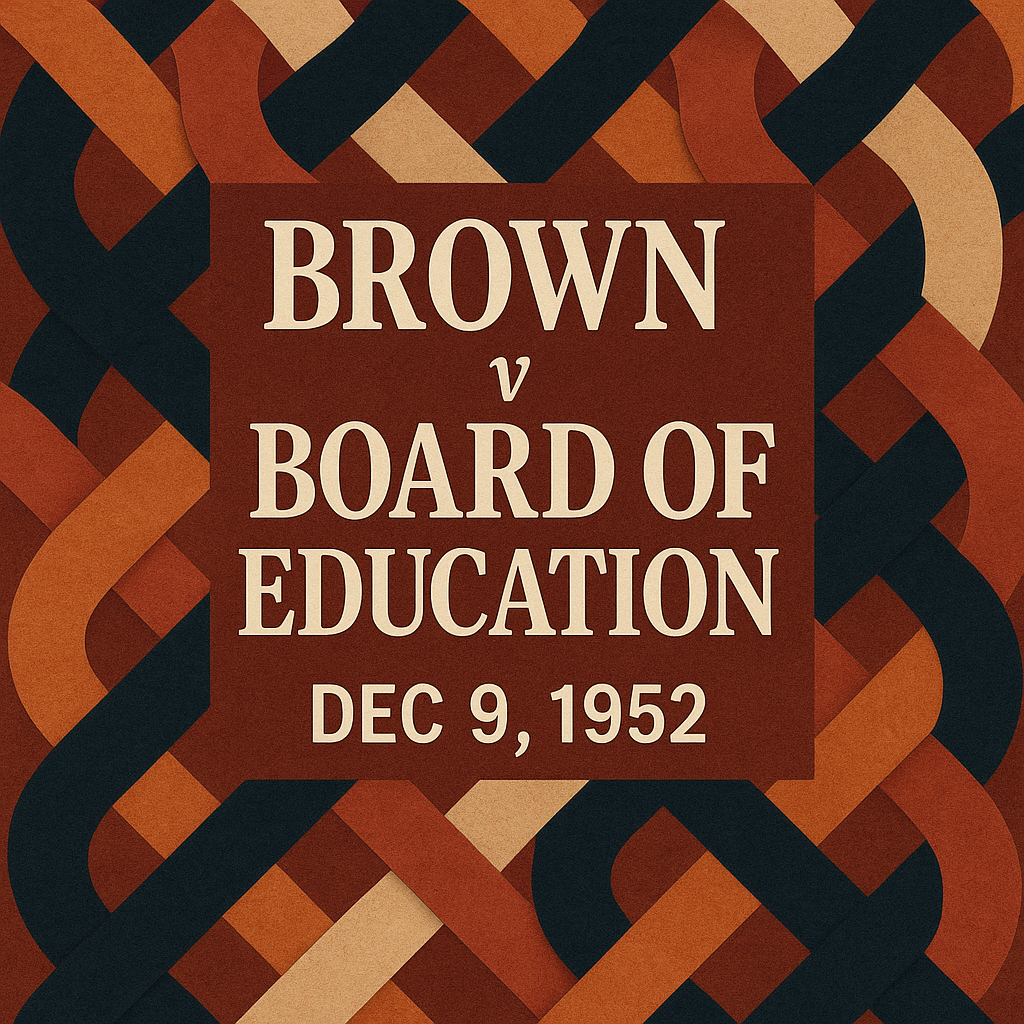
December 9, 1952 marked a turning point in American history, even though most people at the time didn’t realize how much the moment would reshape the nation. On this day, the U.S. Supreme Court began hearing arguments in Brown v. Board of Education and several related cases challenging school segregation. Families from Kansas, South Carolina, Virginia, Delaware, and the District of Columbia all stepped forward, insisting that separate classrooms created unequal futures for their children. Their voices carried a message that had been ignored for decades, and this was the first time the highest court in the country had to confront it head-on. The arguments unfolded over several days, exposing a truth that had long been clear to the families living it. Segregated schools were not just separate, they were deeply unequal in funding, safety, resources, and opportunity. Attorneys including Thurgood Marshall pushed the Court to acknowledge the harm being done to children who were told, by law, that they were worth less. It challenged the very idea of fairness in public education and forced the nation to face its contradictions. Though the Court would not reach a final decision until 1954, December 9 was the spark that set everything in motion. The justices’ willingness to reopen arguments multiple times showed how heavy the moment truly was. They knew the outcome would transform every district, every classroom, and every child’s understanding of what equality should look like in America. The eventual ruling, declaring school segregation unconstitutional, did more than change policy, it changed the nation’s direction. And it all began with the courage of families who refused to let inequality be the last word. #LataraSpeaksTruth #NewsBreak #HistoryMatters #AskLemon8 #BlackHistory #AmericanHistory #BrownvBoard #OnThisDay #CivilRightsHistory

LataraSpeaksTruth

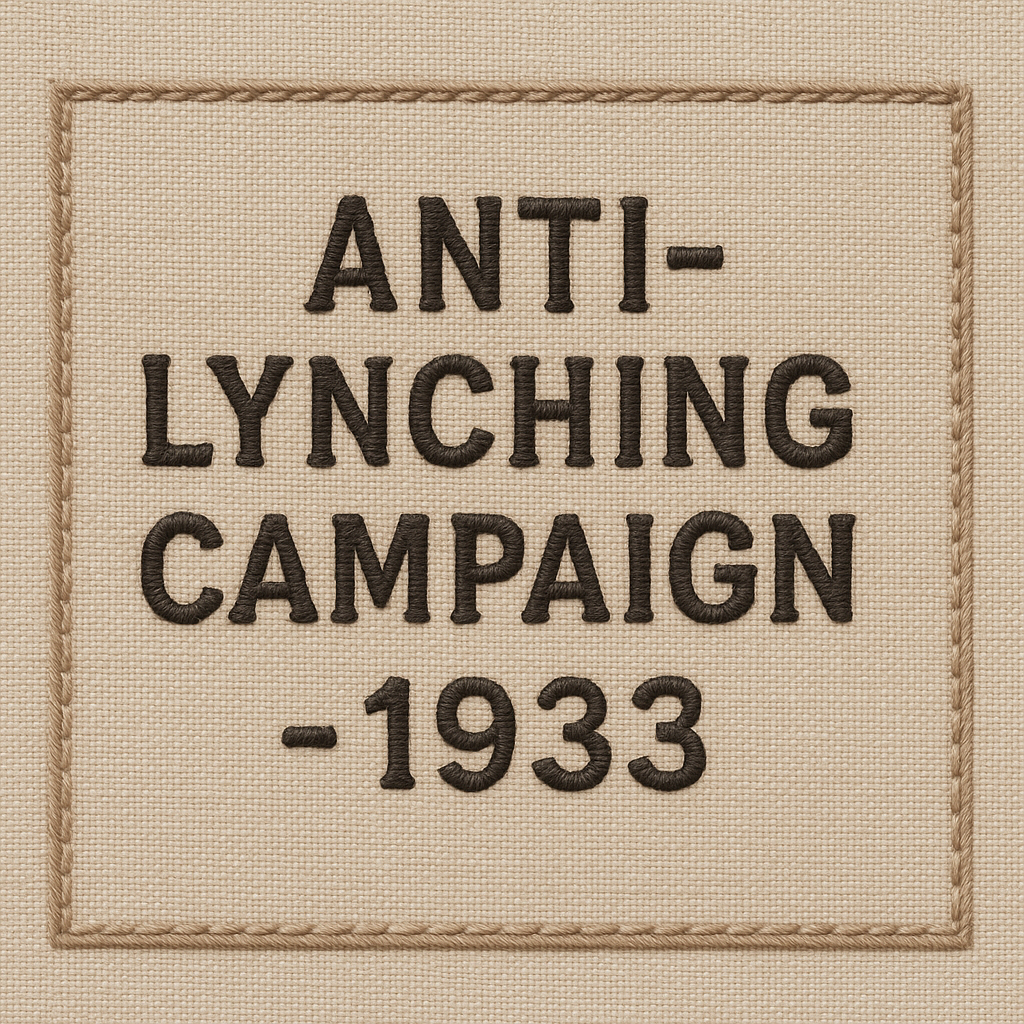
Patience had worn thin when the NAACP finally shifted from quiet appeals to a national demand for protection. On December 8, 1933, after yet another year of racial terror, the organization launched a sweeping anti-lynching campaign calling on Congress to pass federal safeguards that should have never been controversial in the first place. Lawmakers kept blocking it, choosing politics over the families who were burying their loved ones. Even without the bill passing then, that campaign cracked the door open for the legal battles that would follow, shaping future fights for safety, dignity, and accountability. And it exposed something unforgettable… who was willing to face injustice head-on, and who preferred the ease of silence. #LataraSpeaksTruth #HistoryMatters #AmericanHistory #OnThisDay #JusticeInFocus

LataraSpeaksTruth

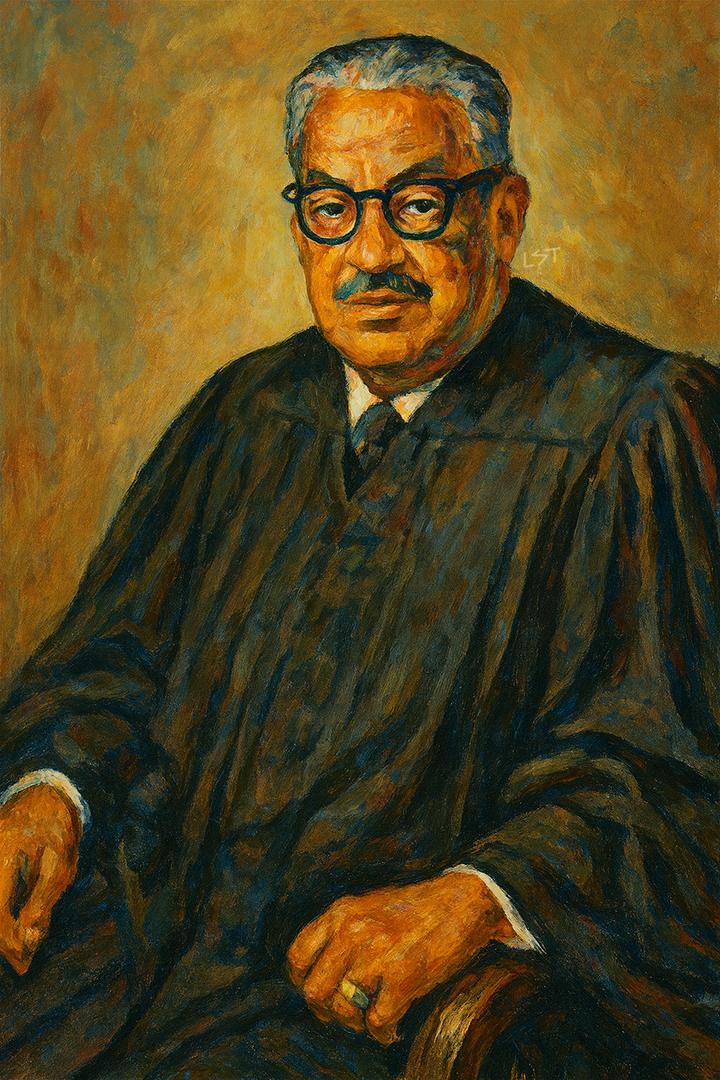
December 8, 1953 was one of those quiet days in American history that ended up shaking the whole system. Thurgood Marshall walked into the Supreme Court for the re-argument of Brown v. Board of Education, carrying the weight of generations who had been sidelined by a school system built on separation. The country had been tiptoeing around the truth for decades, but Marshall didn’t tiptoe. He drew a line. He broke down the cost of segregation with facts, legal precedent, and the lived experiences of Black children who were expected to learn in unequal environments. He challenged the Court to stop hiding behind tradition and to face what equality actually looks like when it’s lived… not just written. His argument forced the nation to ask hard questions. Could a country built on the idea of fairness continue to defend a system that denied fair access to opportunity? Could separate schools ever offer the same future? Marshall pushed the justices to confront the gap between the promise of the Constitution and the reality families faced every day. That re-argument didn’t end segregation in a single afternoon, but it signaled a shift the country could not ignore. It showed that this fight wasn’t going away. It showed that moral clarity, strategic pressure, and undeniable truth would eventually force the system to bend. When we look at education today, December 8 stands as a reminder that progress never arrives neatly. It arrives because someone is bold enough to stand in front of power and say, “This isn’t justice… and we’re not backing down.” #HistoryMatters #AmericanHistory #EducationReform #ThurgoodMarshall #OnThisDay #LataraSpeaksTruth

LataraSpeaksTruth

DORIE MILLER DESERVED MORE THAN THE BOX THEY PUT HIM IN

Every year when December 7 comes back around, people talk about Pearl Harbor like it was just ships, explosions, and history book dates. But they never talk enough about the man who had every reason to freeze and still chose courage… Doris “Dorie” Miller. He wasn’t allowed to be anything but a mess attendant. The Navy said that was the limit for Black sailors. Serve food. Clean up. Stay in the background. But the morning the sky erupted over Pearl Harbor, he did the exact opposite of what the system designed for him. He ran toward danger. He carried wounded men through fire. And when he saw an anti aircraft gun sitting empty, he climbed behind it and defended the ship with no training and no warning. He just did what needed to be done. What gets me every time is this… he saved lives in a uniform that never treated him like an equal. He proved ability in a system that spent years pretending Black excellence needed permission slips. And even after he received the Navy Cross… the first Black American to ever receive it… the nation still didn’t give him the full honor he earned until long after he was gone. Dorie Miller is the kind of story America likes to tuck in the footnotes until we pull it out and hold it to the light. A reminder that our people have always shown up with courage, even when the country refused to show up for them. His heroism wasn’t an accident. It was legacy… it was instinct… it was truth rising to the surface no matter how deeply the world tried to bury it. #BlackHistory #AmericanHistory #PearlHarbor #DorieMiller #NavyCross #UnsungHeroes #HistoryMatters #LataraSpeaksTruth

DORIE MILLER DESERVED MORE THAN THE BOX THEY PUT HIM IN
Tag: HistoryMatters - Page 4 | LocalAll