Tag Page HistoryMatters

#HistoryMatters
LataraSpeaksTruth

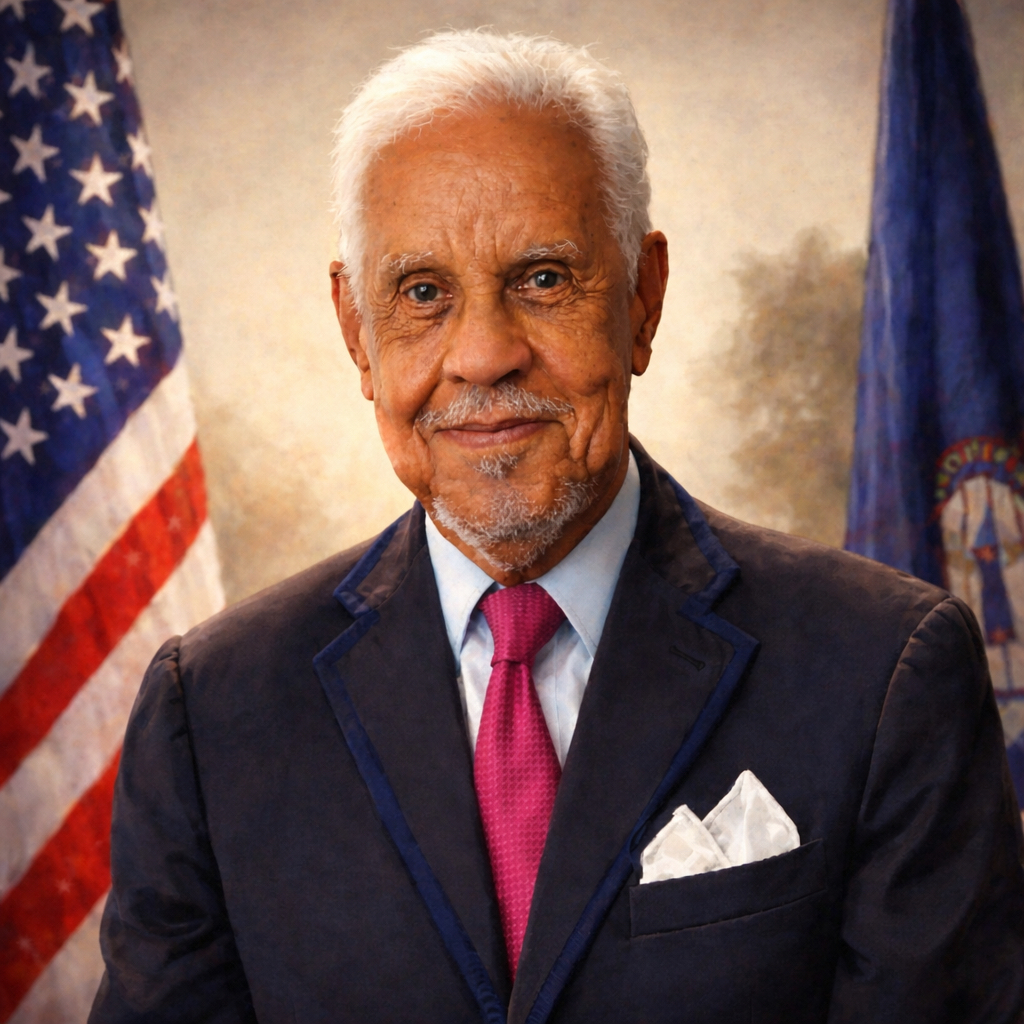
On January 13, 1990, L. Douglas Wilder was sworn in as governor of Virginia, becoming the first African American ever elected governor of any U.S. state. That moment did not arrive wrapped in celebration alone. It arrived heavy with history, expectation, and the quiet understanding that something permanent had just shifted. Virginia was not a neutral stage. It was a former capital of the Confederacy, a state shaped by laws and customs designed to keep power narrowly held. Wilder did not inherit that history. He confronted it directly by winning. No appointment. No workaround. Just votes, counted and certified, placing him in an office that had never before been occupied by someone who looked like him. The significance of that day stretched far beyond Richmond. Wilder’s inauguration challenged a long-standing assumption about who could govern at the highest levels of state power. It forced institutions to reconcile with the fact that progress was no longer theoretical. It was sworn in, standing at the podium, ready to lead. Being first came with scrutiny. Every decision carried symbolic weight. Every misstep risked being treated as confirmation rather than context. Yet Wilder governed with precision and restraint, focusing on fiscal responsibility, education, and public safety, refusing to perform history instead of making it. January 13, 1990 stands as a reminder that progress does not always arrive loudly. Sometimes it arrives formally, constitutionally, and undeniably. A door once closed did not creak open. It swung, and it stayed that way. #OnThisDay #January13 #USHistory #PoliticalHistory #VirginiaHistory #HistoricFirst #AmericanLeadership #BlackExcellence #HistoryMatters

LataraSpeaksTruth

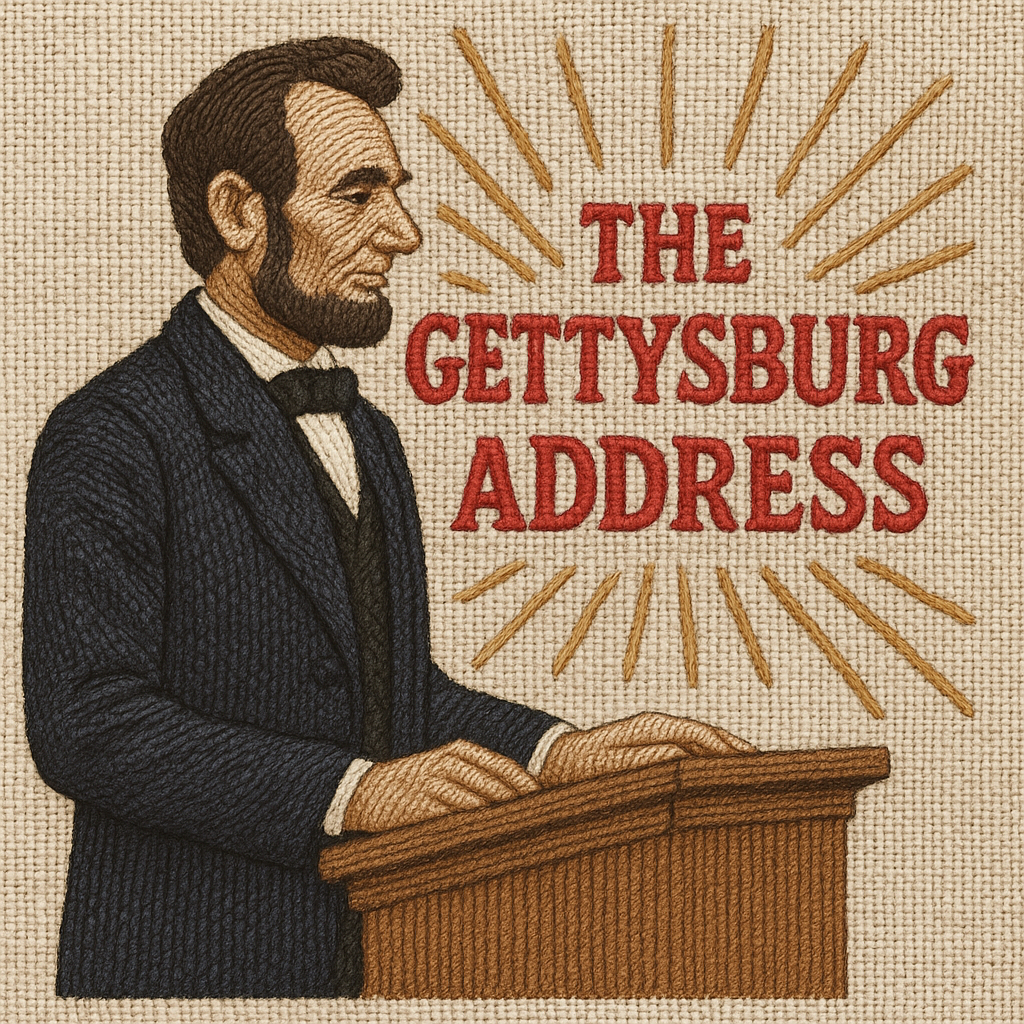
Remembering the Gettysburg Address

On November 19, 1863, President Abraham Lincoln stood on the battlefield at Gettysburg and delivered a message that reshaped how the nation understood the Civil War. The ceremony was meant to honor the thousands of soldiers who died there, but Lincoln used the moment to remind the country what the fight was really about. In just a few sentences, he connected the war to the country’s earliest promise that all people are created equal, and he challenged Americans to keep working toward a future where that promise actually means something. The speech was short, but the impact has lasted generations. Lincoln said the world would not remember what was said that day, but the opposite became true. The Gettysburg Address became a reminder that freedom, sacrifice, and democracy require constant work. Even now, the words push us to think about what kind of nation we want to be and whether we’re living up to the ideals we claim to stand on. #HistoryMatters #GettysburgAddress #OnThisDay #AmericanHistory #LataraSpeaksTruth

Remembering the Gettysburg Address
LataraSpeaksTruth

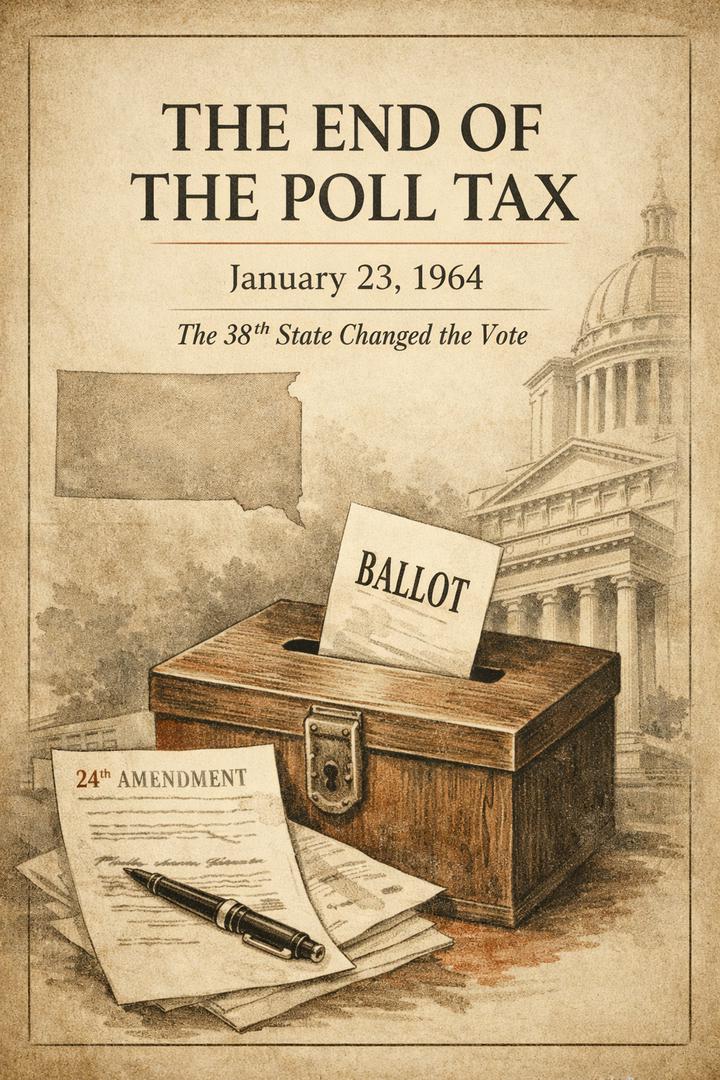
On January 23, 1964, a quiet legislative vote in South Dakota echoed across the entire United States. By becoming the 38th state to ratify the 24th Amendment, South Dakota provided the final “yes” needed to cement a fundamental change in American democracy…the official end of the poll tax in federal elections. For decades, the poll tax had operated as a so-called legal barrier to the ballot box. Framed as a simple administrative fee, it was anything but neutral in practice. In many Southern states, voters were required to pay not only the current tax but accumulated fees for every year they had not voted. This system disproportionately blocked Black Americans and poor white citizens from participating in elections. Combined with literacy tests, intimidation, and economic retaliation, the poll tax ensured political power remained tightly controlled. The road to the 24th Amendment was long and deliberate. Proposed by Congress in 1962, it required approval from three-fourths of the states. As 1964 began, the nation watched the count inch closer to the threshold. When South Dakota’s legislature ratified the amendment on January 23, it crossed the constitutional finish line, making the amendment law. The amendment marked a major victory for voting access by declaring that the right to vote in federal elections could not be conditioned on payment. Still, the work was unfinished. Some states continued to impose poll taxes in state and local elections until the Supreme Court struck them down entirely in 1966. Today, the anniversary of South Dakota’s ratification stands as a reminder that voting rights have never been freely handed over. They have been argued for, organized for, and fought for…often quietly, often against resistance, but always with lasting impact. #OnThisDay #USHIstory #VotingRights #Democracy #24thAmendment #CivilRightsHistory #SouthDakota #HistoryMatters
LataraSpeaksTruth

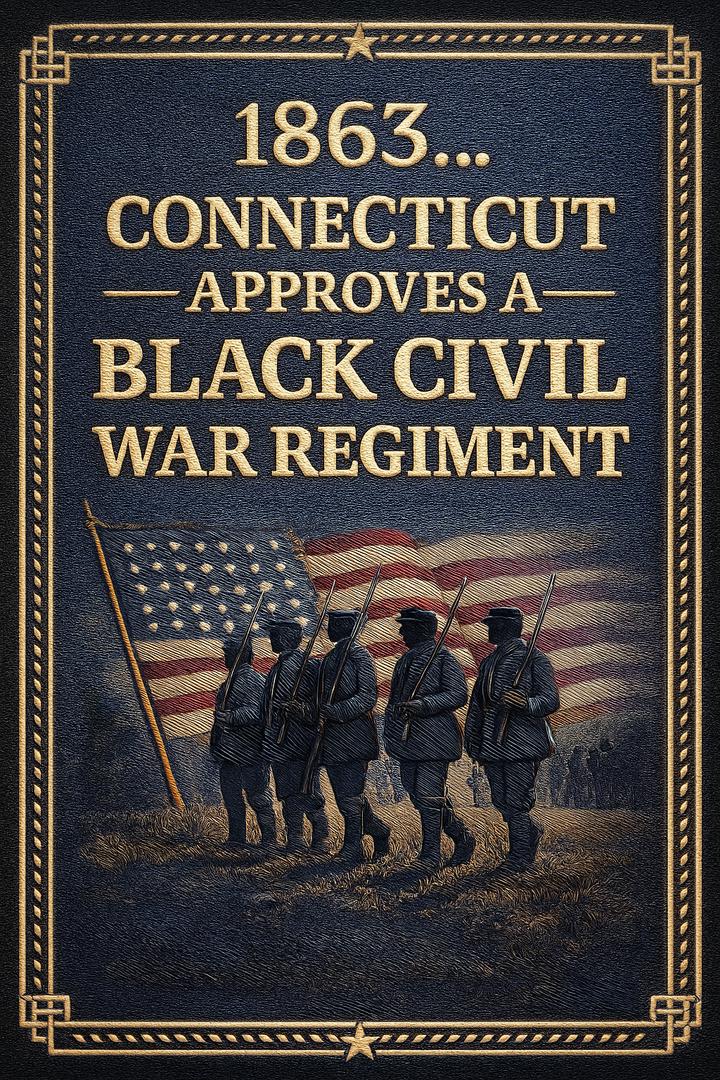
1863… Connecticut Approves a Black Civil War Regiment

On this day in 1863, the Connecticut General Assembly met in a special session to decide whether Black men could serve as front line soldiers in the Union Army. After a day of debate, lawmakers approved the measure, and Governor William Buckingham signed it into law on November 23. This decision opened the door for Black residents in Connecticut to enlist in a state infantry regiment for the first time. Recruiters began organizing almost immediately, and more than one thousand Black volunteers stepped forward in the following months. Their participation formed the 29th Connecticut Colored Infantry Regiment and helped begin a second unit, the 30th Connecticut. The 29th Connecticut mustered into service in early 1864 and later fought in major campaigns near Petersburg and Richmond. They were also among the first Union troops to enter Richmond when the city fell in April 1865. The decision made on November 23, 1863 marked a turning point in Connecticut’s military history and highlighted the essential role Black soldiers played in the Union’s efforts during the Civil War. #BlackHistory #TodayInHistory #CivilWarHistory #ConnecticutHistory #UnionArmy #29thConnecticut #HistoricalFacts #AmericanHistory #OnThisDay #HistoryMatters

1863… Connecticut Approves a Black Civil War Regiment
LataraSpeaksTruth

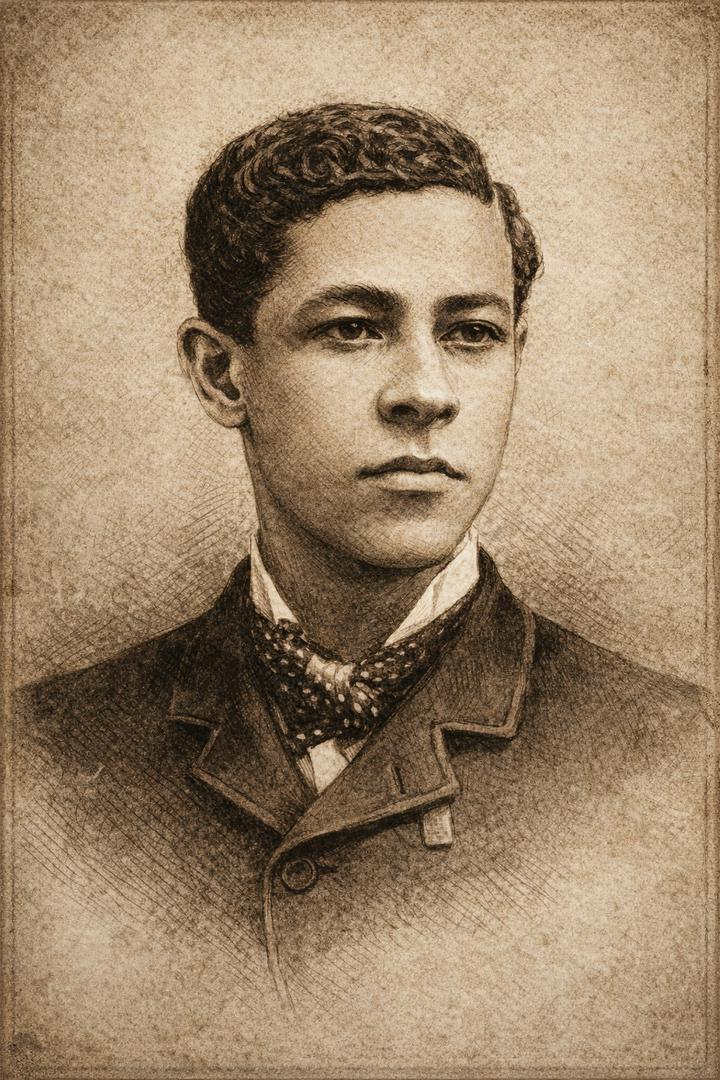
Jan Ernst Matzeliger was an inventor whose work transformed the shoe industry during the late nineteenth century. He was born on September 15, 1852, in Paramaribo, Suriname, which was then called Dutch Guiana. His father was a Dutch engineer, and his mother was a Black Surinamese woman. As a young man, Matzeliger developed mechanical skills while working around machinery and ships before later immigrating to the United States. In the 1870s, Matzeliger settled in Lynn, Massachusetts, a city known at the time as a major center of shoe manufacturing. During this period, one of the most difficult and expensive steps in making a shoe was the process called lasting. Lasting is the step where the upper part of a shoe is pulled and shaped around a form called a last and then attached to the sole. Before Matzeliger’s invention, this step had to be done by hand by skilled craftsmen known as lasters, making the process slow and costly. Matzeliger studied the problem carefully and began developing a machine that could perform this task automatically. After years of experimentation, he successfully created the shoe lasting machine, which could attach the upper part of a shoe to the sole far faster than hand labor. He received a patent for the lasting machine in 1883. His invention greatly increased production in shoe factories and helped make footwear more affordable for ordinary people. Matzeliger’s work became widely used in the shoe manufacturing industry and played a major role in the growth of mass shoe production in the United States. Although his invention had a major impact, he did not live long after his success. He died on August 24, 1889, at the age of 36. His contribution to industrial manufacturing remains an important part of American history, Black history, and the development of modern footwear production. #JanErnstMatzeliger #Inventors #AmericanHistory #IndustrialHistory #BlackHistory #Innovation #ShoeIndustry #HistoryMatters #LataraSpeaksTruth

LataraSpeaksTruth

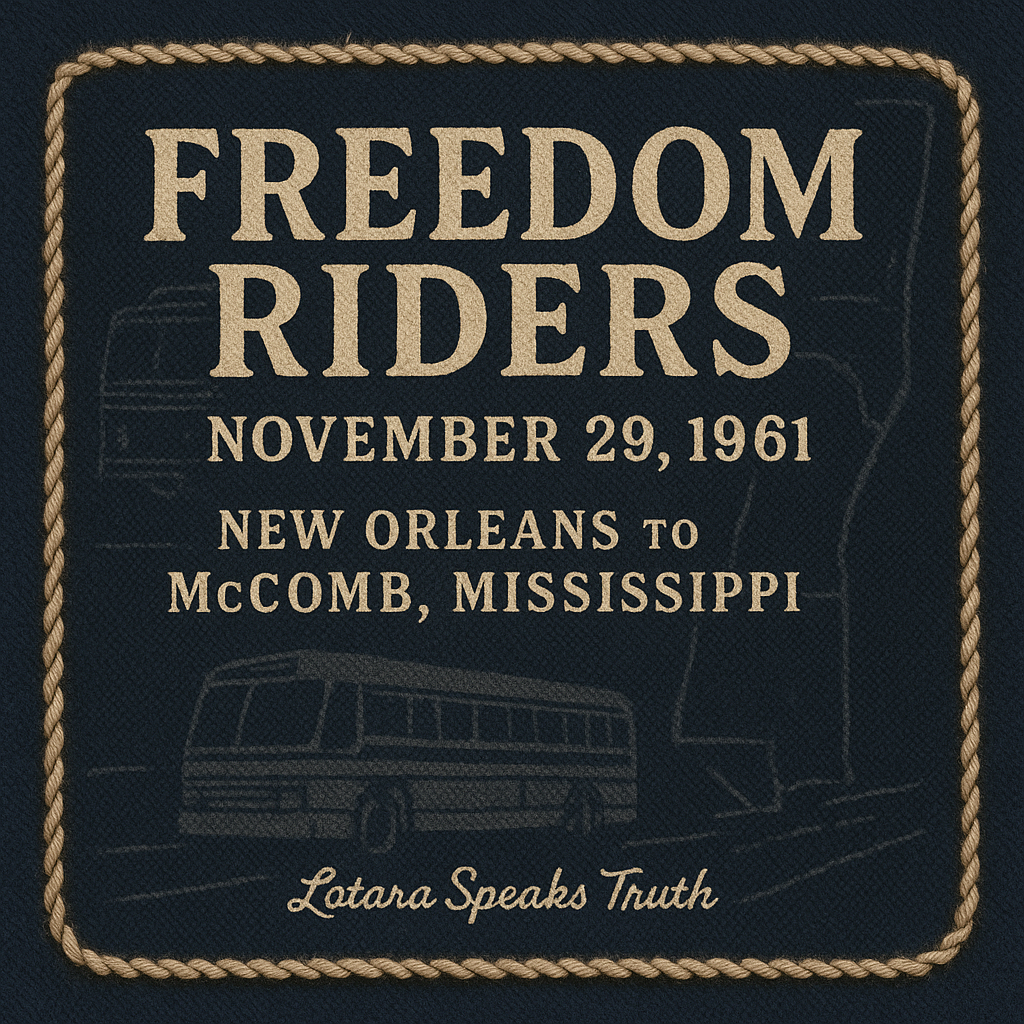
On This Day: November 29, 1961 — When the Freedom Riders Refused to Back Down

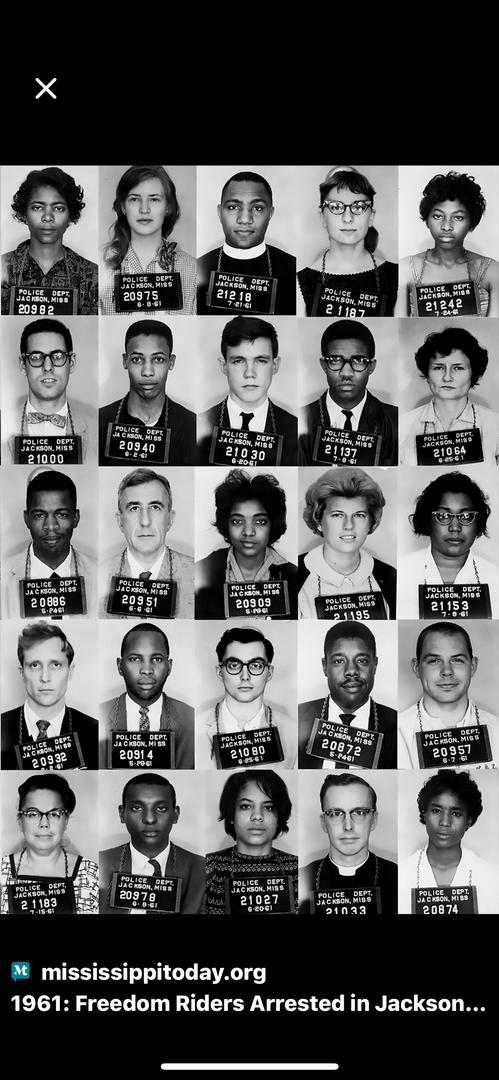
On this day in 1961, Freedom Riders were still rolling through the Deep South, long after the headlines tried to pretend the movement had “settled down.” The cameras had moved on. The danger hadn’t. Another group left New Orleans and headed straight into Mississippi, a place already infamous for jailing, beating, and shadowing anyone who dared to challenge segregation. They knew exactly what kind of storm they were walking into. And still, they stepped onto that bus. McComb wasn’t some sleepy pin on a map. It was one of the most hostile towns in the state… a place where activists were stalked, threatened, arrested, and sometimes worse, all for sitting in the wrong waiting room. That didn’t stop them. Their goal was simple: force the South to follow the law that already existed. The Supreme Court had ruled. The ICC had ordered desegregation of interstate travel. Mississippi just shrugged and said, “Not here.” These late-1961 rides didn’t come with a media circus or crowds chanting in the streets. What they did come with was quiet, stubborn courage, the kind that doesn’t need applause to stand firm. The riders were confronted, arrested, and pushed back at every turn, but they kept moving anyway. And that persistence mattered. Every arrest, every challenge, every mile traveled added pressure that eventually left the federal government out of excuses. The law was on the books. These riders made sure it was enforced. It’s a reminder that history isn’t built only from the bold moments everyone remembers. Sometimes it’s shaped by the steady footsteps of people who refuse to let injustice sit untouched. They kept riding… town by town, bus by bus… until the barriers cracked. #FreedomRiders #BlackHistory #CivilRightsMovement #OnThisDay #HistoryMatters #KnowYourHistory #LataraSpeaksTruth

On This Day: November 29, 1961 — When the Freedom Riders Refused to Back DownOn This Day: November 29, 1961 — When the Freedom Riders Refused to Back Down
LataraSpeaksTruth

When people talk about the Tulsa Race Massacre today, they often have no idea how close this history came to disappearing. For decades, it sat in silence, tucked into unopened archives and memories no one bothered to ask about. The only reason we can name survivors, hear their voices, and understand even a fraction of what happened is because one woman refused to let the truth fade. Eddie Faye Gates spent years sitting with survivors and listening to stories the country had ignored. She treated every recollection as evidence and every voice as a piece of a broken record that needed to be made whole. Her work did not simply document history. It protected it. She helped create an archive that made it impossible for anyone to pretend Tulsa was a rumor or an exaggeration. As a leading member of the Oklahoma Commission to Study the Tulsa Race Riot of 1921, she ensured survivor testimonies were recorded, preserved, and placed where institutions could no longer look away. Her persistence reshaped how the nation understands one of its darkest moments. On December 9, 2021, she passed away, leaving behind a legacy built on truth and courage. Because of her, the story of Tulsa is no longer hidden behind denial or silence. The testimonies she preserved continue to guide educators, researchers, lawmakers, and communities that choose honesty over comfort. Gates never asked for attention. She never put herself at the center. She simply believed survivors deserved to be remembered as real people and not as footnotes in forgotten history. In living out that belief, she compelled institutions to confront realities they ignored for generations. Her legacy reminds us that history can be fragile, yet it can still be reclaimed. And every time the Tulsa Race Massacre is taught or discussed, her presence lingers quietly in the background, proving that one determined historian can change what a nation chooses to remember. #LataraSpeaksTruth #NewsBreak #HistoryMatters #EddieFayeGates

LataraSpeaksTruth

The Tuskegee Study: Why This Story Still Hits Home

Some stories refuse to fade into the archives… they tap the mic every generation and say, “Hey, don’t forget me.” The Tuskegee Study is one of those stories. From 1932 to 1972, hundreds of Black men in Tuskegee, Alabama were told they were getting care… when the truth was colder than that. Doctors watched, recorded, and withheld treatment, even after penicillin became the cure-all. And yeah, folks love to say, “Why don’t some communities trust the medical system?” But c’mon, trust isn’t a switch; it’s built over time… and broken the same way. History like this carved caution deep into the bones of families, passing down quiet warnings right along with recipes and church fan stories. We don’t bring up Tuskegee to reopen wounds. We bring it up because remembering is how we guard the door. It’s how we honor the men who were wronged. It’s how we make sure the mistakes of yesterday don’t get a reboot. Because the past doesn’t stay gone… it shapes how we move today. #TuskegeeStudy #HistoryMatters #CommunityVoices #HealthJustice #AmericanHistory #TruthAndMemory #LearnFromThePast #BlackHistory365 #CommunityTalks

The Tuskegee Study: Why This Story Still Hits Home
LataraSpeaksTruth

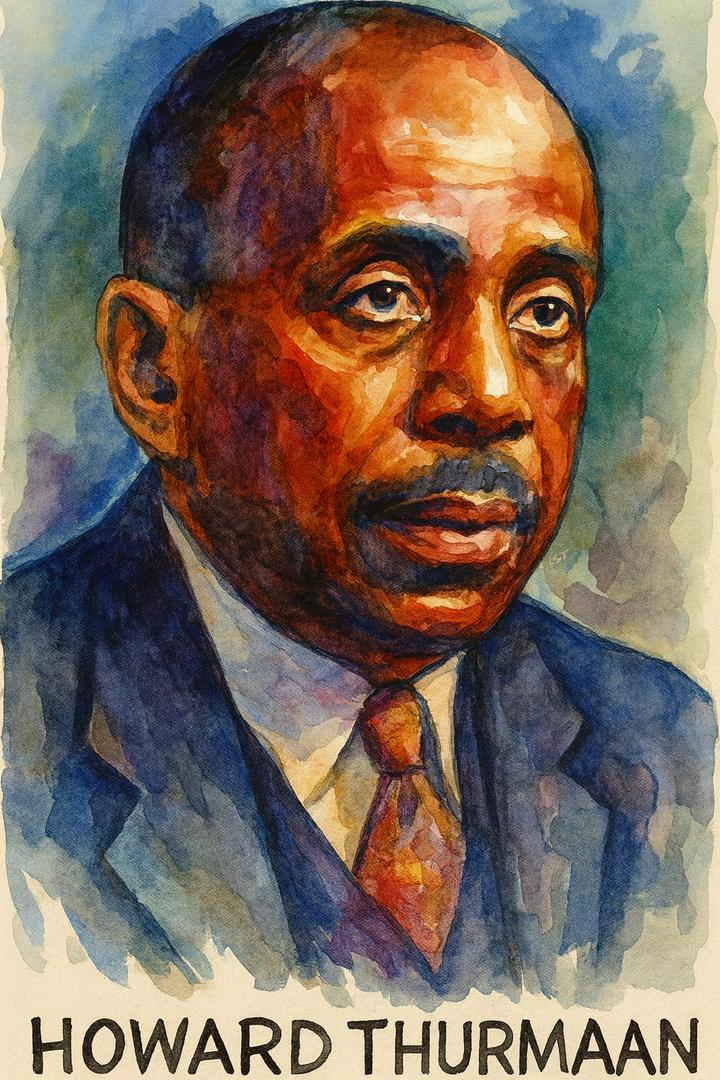
Howard Thurman, Born Around This Time In 1899, Became One Of The Quiet Architects Of A Movement

Howard Washington Thurman entered the world in late November of 1899 in Daytona Beach, Florida, during a time when Black spiritual leadership was still fighting for its full voice. He would grow into one of the most influential theologians of the twentieth century, guiding generations through a faith rooted in dignity, nonviolence, and moral clarity. Thurman later served as dean of Rankin Chapel at Howard University and Marsh Chapel at Boston University, using both spaces to shape conversations that reached far beyond religion. His writings on nonviolence became essential reading for young seminarians in the 1950s, including Martin Luther King Jr., who carried Thurman’s work into marches, pulpits, and national debates. Thurman rarely sought headlines, but his influence threaded through the movement like a steady hand. His life reminds us that the people who change history are not always the ones at the microphone. Sometimes they are the thinkers whose words steady the crowd. #HistoryMatters #OnThisDay #CulturalHistory #FaithHistory #CivilRightsLegacy #NewsBreakCommunity #LataraSpeaksTruthp

Howard Thurman, Born Around This Time In 1899, Became One Of The Quiet Architects Of A Movement
LataraSpeaksTruth

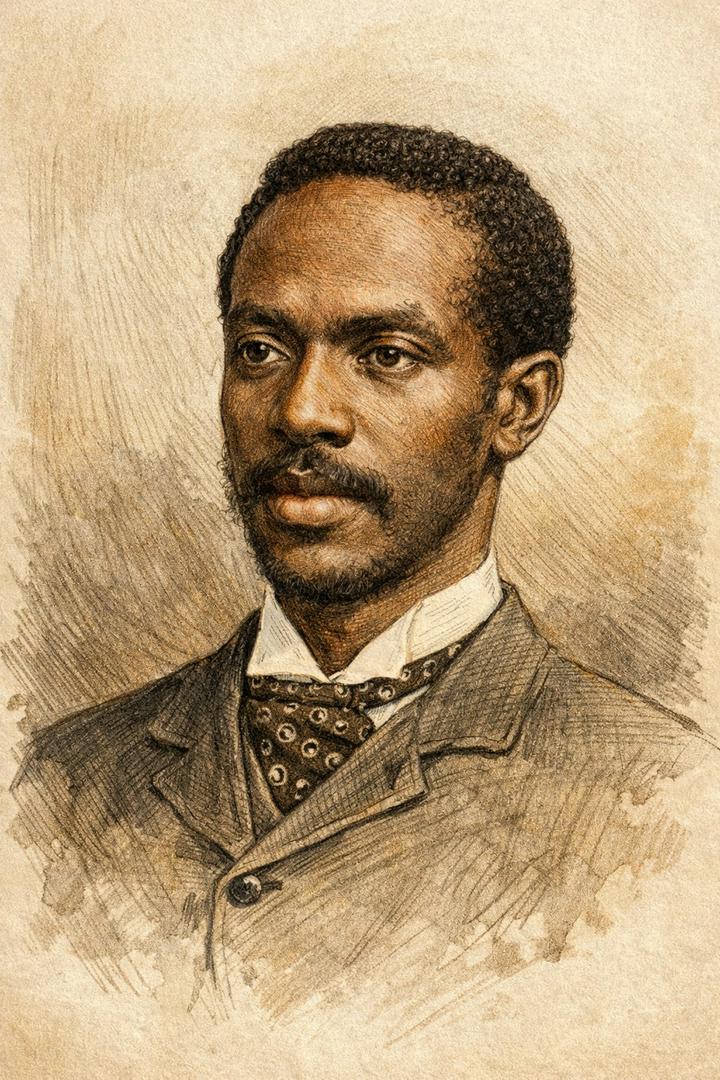
In 1870, Jonathan Jasper Wright made American history when he was elected to the South Carolina Supreme Court, becoming the first African American to hold a major judicial position at the state level. The moment passed without national celebration, but its significance was profound. A formerly enslaved man stepped into one of the highest legal institutions in the South during one of the most volatile periods in American history. Wright’s election came during Reconstruction, when Southern states briefly expanded political and civic participation in the aftermath of the Civil War. Born in Pennsylvania in 1840, Wright was educated and legally trained at a time when access to formal schooling was denied to most Black Americans. After relocating to South Carolina, he quickly earned respect as a legal thinker and public servant, serving first in the state senate before his elevation to the court. His role on the bench was substantive, not symbolic. Wright ruled on cases involving contracts, property disputes, and civil authority in a state struggling to redefine itself after slavery. His presence challenged long standing assumptions about who could interpret the law and whose judgment carried authority. Each decision he issued reinforced the reality that legal competence had never been confined to one race. Wright’s tenure was short. As Reconstruction collapsed and political retaliation intensified, he was removed from the bench in 1877 through impeachment proceedings widely viewed as racially motivated. The rollback of progress was swift, but the precedent remained. Jonathan Jasper Wright’s election reshaped American legal history. It proved that access to power could change, even briefly, and that once progress is recorded, it cannot be erased. #1870 #AmericanHistory #JudicialHistory #ReconstructionEra #SouthCarolinaHistory #LegalMilestones #HistoryMatters

Tag: HistoryMatters - Page 6 | LocalAll